
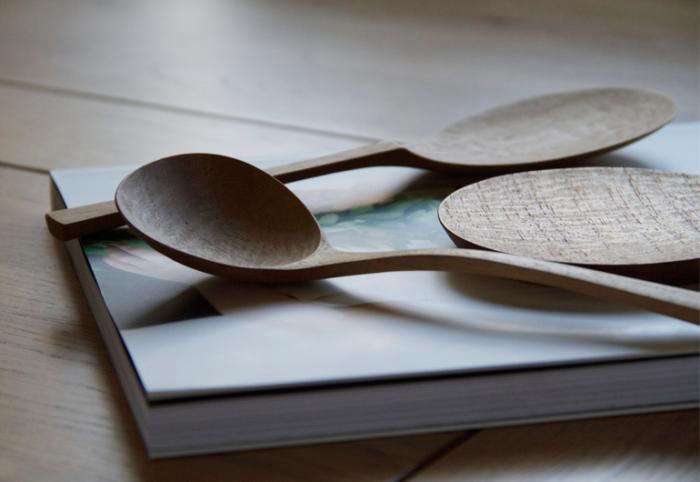
Some design stories begin in a glossy showroom. Others begin with a friendship, a shared eye for useful beauty, and the kind of everyday objects that quietly make a home feel more human. Warang Wayan belongs to the second category. It is not a brand that shouts for attention. It does not need neon packaging, dramatic slogans, or a chair shaped like a question mark. Its charm comes from something simpler: handmade baskets, wooden spoons, trays, leather-handled bags, and small household goods that look as if they were made to be used, loved, repaired, and used again.
The title Born of Friendship: Warang Wayan captures the heart of the story. Warang Wayan grew from the friendship of two Japanese women, Yuri Tsuchiya and Masami Ishida, whose lives eventually stretched across different parts of the world. Yuri made her home in Bali, Indonesia, while Masami built her creative life in Morocco. Rather than letting distance turn into silence, they turned distance into design. The result is a small but deeply admired lifestyle brand that connects Japanese restraint, Balinese woodworking, Moroccan basketry, and the wonderfully imperfect warmth of human hands.
In a world where so many products are made fast, shipped faster, and forgotten by next Tuesday, Warang Wayan feels refreshingly slow. It reminds us that a spoon can have personality, a basket can carry more than groceries, and a home can be elegant without looking like it is afraid of fingerprints.
The Friendship Behind Warang Wayan
The Warang Wayan origin story is unusually tender for a design brand. Yuri Tsuchiya and Masami Ishida met while working together in the same shop in their twenties. Both were curious, visually sensitive, and drawn to travel. Yuri loved exploring Asia, while Masami was fascinated by Africa. Their paths later led them to different countries, but their friendship remained the foundation of a shared creative project.
The name itself carries that dual identity. “Warang” is associated with a village in Africa, while “Wayan” is the name of Yuri’s husband, a Balinese woodworker. That combination is more than clever branding. It reflects the brand’s emotional geography: Africa, Indonesia, Japan, friendship, family, craft, and daily life all gathered into one small phrase.
Warang Wayan began around 2000 as a small goods project, working with skilled craftspeople in Morocco and Bali. The brand’s pieces are not designed to feel overly polished. They are practical, tactile, and rooted in local materials. A basket may reveal slight variations in weave. A wooden spoon may show the tool marks of the carver. A tray may darken beautifully with age. These are not flaws. They are proof that the object has not been bullied into factory sameness.
What Makes Warang Wayan Special?
Warang Wayan’s appeal comes from its unusual balance. It feels global without being generic. It is Japanese in its discipline, Moroccan in its basketry, Balinese in its woodworking, and universal in its usefulness. The brand does not chase trends. Instead, it creates objects that slip into daily routines: carrying vegetables from the market, serving rice at dinner, holding fruit on a counter, or bringing texture to a quiet corner of the living room.
1. Handmade Objects With Everyday Purpose
The best Warang Wayan pieces are not decorative in the fragile, “please do not touch this” sense. They are made for life. A straw basket can go to the market. A rattan bag can carry books, flowers, or that mysterious collection of receipts everyone claims they will organize someday. A teak spoon can serve sugar, rice, soup, or dessert. These are objects that earn their place by being beautiful and useful at the same time.
This is one reason the brand attracts people who love slow design. A Warang Wayan object does not feel like a seasonal accessory. It feels like a companion. The more it is used, the more it becomes yours.
2. Materials That Age Gracefully
Warang Wayan often uses natural materials such as teak, rattan, straw, leather, and other fibers. These materials change over time. Wood develops a deeper tone. Leather handles soften. Woven surfaces relax slightly with use. Instead of pretending that objects should remain frozen in showroom perfection, Warang Wayan embraces the beauty of aging.
This is where the brand quietly overlaps with wabi-sabi, the Japanese appreciation of imperfection, impermanence, and authenticity. Wabi-sabi is not an excuse for messy design. It is a way of seeing value in texture, irregularity, patina, and the evidence of time. Warang Wayan’s baskets and wooden tools carry that spirit without turning it into a marketing lecture. They simply look better when they have lived a little.
3. A Cross-Cultural Design Language
Many lifestyle brands claim to be “global,” but the result often feels like a hotel lobby with a passport. Warang Wayan is different because its global identity comes from real relationships. The brand is connected to specific places and specific craftspeople. Moroccan basketry and Balinese woodwork are not borrowed as surface decoration; they are part of the way the pieces are made.
At the same time, Warang Wayan’s visual language feels very Japanese: simple shapes, quiet colors, modest proportions, and a strong respect for function. The result is neither busy nor bland. It is calm, but never cold. It has personality, but never screams across the room.
Warang Wayan and the Beauty of Slow Design
Slow design is more than a buzzword. It is a response to the exhaustion of disposable living. Instead of asking, “How cheaply can this be made?” slow design asks, “How well can this be made, and how long can it remain meaningful?” Warang Wayan answers with objects that feel steady, grounded, and quietly generous.
Consider a hand-carved teak spoon. A mass-produced spoon may do the same job, technically speaking. It can stir soup. It can serve rice. It can sit in a drawer and wonder why it was born. But a handmade spoon changes the experience. It has weight, curve, grain, and warmth. It makes a simple meal feel considered. That is the subtle power of craft: it does not transform your life with fireworks; it improves the small moments you repeat every day.
Warang Wayan’s baskets work the same way. A woven basket is not just storage. It can soften a modern room, make a hallway feel warmer, or turn a pile of scarves into something that looks almost intentional. That last part is important. Good baskets are basically interior design’s kindest form of damage control.
Key Warang Wayan Pieces to Know
Warang Wayan’s collections vary over time, but several categories define the brand’s identity. Each one shows the same commitment to handwork, natural texture, and daily usefulness.
Straw and Woven Baskets
The brand’s Moroccan straw baskets are among its most recognizable pieces. They often feature simple shapes, leather details, and practical proportions. Some are shallow and easy to carry; others are deeper and better suited for shopping, storage, or weekend wandering. Their strength is their versatility. They can look just as natural beside a linen sofa as they do at a farmers market.
Rattan and Leather-Handle Bags
Warang Wayan’s Bali-made rattan bags bring together structure and softness. The woven body gives texture, while leather handles add durability and polish. These pieces suit people who like accessories that feel relaxed but not careless. They are stylish without looking as though they spent two hours choosing an outfit and then pretended it was effortless.
Teak Wooden Tools
The wooden collection is closely tied to Wayan, Yuri’s husband, and local Balinese craftspeople. These pieces include spoons, trays, rice paddles, small bowls, turners, and serving tools. Teak is valued for its durability, density, and warm grain, making it especially suitable for objects that are handled often. Warang Wayan’s wooden goods are intentionally simple, allowing the natural beauty of the wood and the marks of handwork to remain visible.
Small Household Goods
Beyond baskets and wooden utensils, Warang Wayan also offers small household items that reflect the same philosophy: practical, handmade, and easy to live with. These may include bins, containers, slippers, pouches, and other everyday accessories. The common thread is usefulness with character.
How to Style Warang Wayan at Home
Warang Wayan pieces work best when they are allowed to breathe. They do not need a complicated styling strategy. In fact, the fastest way to ruin their charm is to over-style them until the room looks like a catalog audition. Keep things relaxed. Let the materials do the work.
In the Kitchen
A teak spoon or rice paddle can sit in a ceramic jar near the stove. A small wooden bowl can hold salt, sugar, sesame seeds, or tea. A tray can gather a teapot, cups, and a tiny vase of flowers. The goal is not perfection. The goal is to make the kitchen feel used in the best possible way.
In the Living Room
A woven basket can hold blankets, magazines, knitting supplies, or children’s toys. It adds texture without adding visual noise. If your living room has too many hard surfacesglass, metal, glossy painta Warang Wayan basket can bring in the missing warmth. Think of it as a small interior design peace treaty.
In the Entryway
A sturdy basket near the door can hold umbrellas, slippers, dog leashes, or reusable shopping bags. This is where Warang Wayan’s practical nature shines. The pieces look beautiful, but they also solve real household problems, including the classic “Where did I put that?” mystery.
In the Bedroom
Use a shallow basket for scarves, books, or folded linen. A small wooden tray can hold jewelry, hand cream, or a favorite candle. Warang Wayan’s quiet textures pair well with cotton, linen, wool, paper lamps, and soft neutral palettes.
Why Warang Wayan Fits Modern Interior Trends
Modern interiors are moving toward warmth, tactility, and personal meaning. Minimalism is no longer only about empty rooms and furniture that looks mildly offended by comfort. Today’s most appealing minimalist homes often include natural materials, handmade details, and objects with visible texture. Warang Wayan fits beautifully into this shift.
The brand also pairs well with Japandi interiors, California casual homes, rustic kitchens, bohemian spaces, and wabi-sabi-inspired rooms. Its pieces are flexible because they are not overly stylized. A basket does not demand that the whole room become “Moroccan.” A teak spoon does not insist that your kitchen become “Balinese.” Instead, the objects quietly add depth, warmth, and story.
This is the secret of good craft. It does not decorate a room from the outside. It settles in from the inside.
The Emotional Value of Handmade Things
One of the reasons Warang Wayan feels memorable is that its products carry emotional weight. Not dramatic emotional weight, like a movie soundtrack swelling in the background, but the gentler kind that comes from touch, repetition, and care. A handmade object reminds us that someone shaped it before we used it. There was a person behind the curve of the spoon, the tightness of the weave, the smoothness of the handle.
That awareness changes how we treat things. We are less likely to toss them aside. We notice them more. We clean them differently. We allow them to age. In a culture that often treats objects as temporary, Warang Wayan encourages a longer relationship between person and possession.
Experiences Inspired by Born of Friendship: Warang Wayan
Living with objects like Warang Wayan pieces changes the rhythm of a home in small but noticeable ways. Imagine a Saturday morning kitchen: sunlight on the counter, coffee slowly dripping, a wooden spoon resting beside a bowl of yogurt, and a woven basket waiting by the door for a trip to the market. Nothing about the scene is dramatic, but everything feels grounded. That is the kind of experience Warang Wayan encourages. It makes ordinary routines feel slightly more thoughtful.
The first experience many people have with a handmade basket is practical. They buy it because they need storage. Then something funny happens. The basket becomes part of the room’s personality. It holds blankets in winter, beach towels in summer, mail when life gets chaotic, and flowers when someone is feeling ambitious. Over time, it becomes less of an accessory and more of a household witness. It sees the mess, forgives the mess, and somehow makes the mess look better.
Warang Wayan’s wooden tools offer a similar experience in the kitchen. A hand-carved spoon may seem like a small upgrade, but it changes the mood of cooking. Stirring soup with a warm wooden utensil feels different from using a cold metal one. Serving rice with a carved paddle feels more personal than scooping it with whatever random tool escaped the drawer first. These are not luxury experiences in the flashy sense. They are quiet luxuries, the kind that do not require a special occasion.
There is also a travel-like feeling in Warang Wayan’s objects. Even if you are standing in a small apartment kitchen in Chicago, Seattle, Austin, or Brooklyn, a Balinese teak spoon or Moroccan straw basket can create a tiny bridge to another place. It does not turn your home into a themed restaurant, thank goodness. Instead, it adds a trace of elsewhere: sun, markets, workshops, wood shavings, woven fiber, and the patience of people who know how to make things by hand.
Another experience connected to Warang Wayan is the pleasure of slowing down. Handmade objects ask for a little attention. You notice the grain of the wood before washing it. You hang the basket instead of crushing it under a pile of shoes. You start choosing fewer things, but better ones. This does not mean becoming precious or fussy. It means learning to enjoy the objects you already have and choosing new ones with more care.
Friendship is the deeper theme. Warang Wayan exists because two people stayed creatively connected across distance. That idea can inspire the way we think about our own homes. A home is not only a place to display taste. It is a place to hold relationships: gifts from friends, objects from travels, tools used during shared meals, baskets carried through ordinary errands. The most meaningful interiors are rarely the most perfect ones. They are the ones that remember people.
In that sense, Warang Wayan is not simply about baskets or spoons. It is about the human chain behind them: founders, families, craftspeople, shopkeepers, and users. Every object moves from hand to hand until it becomes part of someone’s daily life. That journey is easy to overlook, but once noticed, it makes the object richer.
Conclusion: A Brand That Feels Like a Friendship
Born of Friendship: Warang Wayan is more than a charming title. It is the brand’s design philosophy in four words. Warang Wayan shows that beautiful objects do not need to be loud, expensive-looking, or aggressively modern. They can be humble, useful, irregular, and deeply personal. They can come from friendship, from craft, from distance, and from the shared belief that daily life deserves beauty.
For anyone drawn to handmade home goods, Japanese-inspired simplicity, Balinese teak utensils, Moroccan woven baskets, or slow design, Warang Wayan offers a quiet lesson: the things we use every day should feel good in the hand, age with grace, and tell a story worth keeping. A basket can be just a basket. A spoon can be just a spoon. But in the right hands, and in the right home, they can also become small reminders that beauty often begins with connection.












