
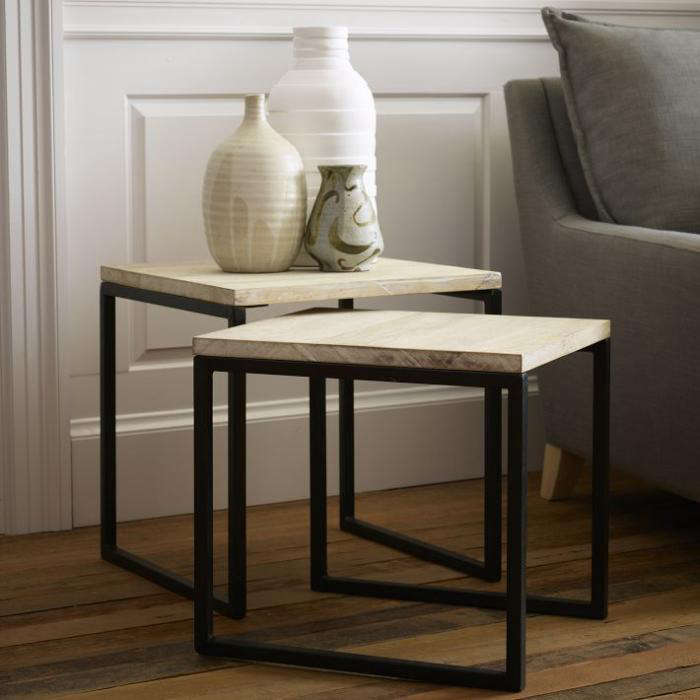
Box frame nesting tables are the furniture equivalent of a clever friend who always brings extra snacks: compact, useful, stylish, and surprisingly good in a crisis involving too many coffee mugs. Built with clean geometric frames and graduated sizes that slide together, these tables are designed for modern homes where every square foot has to earn its rent. Whether used beside a sofa, in front of a sectional, next to a reading chair, or even as flexible bedroom surfaces, box frame nesting tables offer a smart blend of structure, function, and visual lightness.
The basic idea is simple: two or more tables are made in different sizes so the smaller one can tuck under the larger one when not needed. The “box frame” part usually refers to a squared metal or wood base that creates a crisp, architectural outline. Add wood, glass, stone, marble, or mirrored tops, and suddenly a practical space-saving table set starts looking like it has an interior designer’s phone number saved under “emergency chic.”
In today’s homes, where living rooms often double as offices, snack zones, homework stations, movie theaters, and unofficial package-sorting centers, furniture needs to be flexible. That is where box frame nesting tables shine. They are not just pretty accent tables; they are modular surfaces that move, separate, stack, and adapt. In other words, they understand modern life better than most people understand their TV remote.
What Are Box Frame Nesting Tables?
Box frame nesting tables are a set of compact tables built with open, rectangular or square frames. The frames are usually made from metal, though some versions use solid wood or mixed materials. The tables come in graduated sizes, allowing one table to slide partially or fully beneath another. When nested together, they occupy a small footprint. When separated, they provide multiple surfaces around a room.
The box frame design gives these tables their signature look. Instead of heavy carved legs or bulky bases, the structure is typically clean and linear. This makes the tables feel lighter, even when they are made from sturdy materials. The open-frame construction also helps a room feel less crowded because the eye can see through and around the furniture.
Common Materials
Most box frame nesting tables combine a durable base with a decorative tabletop. Popular material combinations include:
- Metal frame with wood tops: Warm, modern, and versatile. Mango wood, acacia, oak, and walnut finishes are common choices.
- Metal frame with glass tops: Light, airy, and ideal for small rooms because glass visually disappears.
- Brass or gold-tone frames with marble tops: Glamorous without needing to shout from the chandelier.
- Black metal frames with rustic wood: A favorite in industrial, farmhouse, and modern organic spaces.
- Mirrored tops with metal frames: Reflective, dramatic, and excellent for adding sparkle to darker corners.
The best version depends on your room’s style, your maintenance tolerance, and how often someone in your house treats furniture like a coaster testing laboratory.
Why Box Frame Nesting Tables Are So Popular
The popularity of nesting tables comes from one beautiful truth: homes are busy, and furniture that only does one job is starting to feel a little lazy. Box frame nesting tables can serve as end tables, coffee tables, plant stands, laptop perches, serving stations, nightstands, or decorative accent pieces. They are flexible without looking temporary.
They Save Space Without Looking Tiny
Small-space furniture often has a problem: it can look like it is apologizing for existing. Box frame nesting tables avoid that. Their geometric frames give them presence, while the nesting design keeps them compact. When tucked together, the set may take up about the same floor space as one side table. When pulled apart, it becomes two or three useful surfaces.
This is especially helpful in apartments, condos, dorm-style rooms, guest bedrooms, and compact living rooms where a large coffee table may interrupt the flow. Instead of one heavy piece in the center, nesting tables allow you to create surface space only when needed.
They Offer Flexible Entertaining Space
When guests arrive, suddenly every person needs a place for a drink, a plate, a phone, and possibly a dramatic hand gesture. With box frame nesting tables, you can separate the tables and place them around the seating area. One can sit beside the sofa, one near an armchair, and one in front of the coffee table zone. After the guests leave, the tables tuck back together like they never contributed to the snack chaos.
They Keep a Room Feeling Open
The open-frame design is one of the biggest advantages. Solid block furniture can make a small room feel crowded, but box frame tables create visual breathing room. Metal frames, glass tops, and raised bases allow light and floor space to remain visible. This helps the room feel larger and less cluttered.
Best Rooms for Box Frame Nesting Tables
One reason these tables work so well is that they are not loyal to only one room. They are like the well-dressed guests at a party who somehow fit into every conversation.
Living Room
The living room is the natural home for box frame nesting tables. They can replace a traditional coffee table in a smaller layout or support a larger coffee table as flexible side surfaces. Place them beside a sectional, between two accent chairs, or near a sofa arm where people actually need a table.
For a contemporary look, choose black metal frames with warm wood tops. For a brighter room, try brass frames with glass or marble tops. If your living room already has heavy furniture, pick slim frames and lighter tops to avoid visual crowding.
Bedroom
Box frame nesting tables can work beautifully as nightstands, especially in small bedrooms. The larger table can hold a lamp, book, and phone charger, while the smaller table can slide out when you need extra space. This is useful for breakfast trays, skincare routines, or the sacred pile of “things I will put away tomorrow.”
Home Office
In a home office, nesting tables can act as printer stands, side surfaces, or temporary workstations. Pull one out for documents, coffee, or a second device during a video call. When finished, tuck it back and regain floor space.
Entryway
A slim nesting table set can add function to a narrow entry. Use the larger table for keys, mail, and a small lamp. Slide the smaller table out when you need a surface for bags or packages. Add a tray to keep small items contained, because keys have a well-documented hobby of vanishing at the worst possible time.
How to Choose the Right Box Frame Nesting Tables
Choosing the right nesting tables is partly about style and partly about honesty. How much space do you really have? How often do you entertain? Are you gentle with furniture, or does your living room occasionally resemble a friendly obstacle course? Answer those questions first, then shop with confidence.
Measure Before You Buy
Measurements matter. Before buying box frame nesting tables, check the width, depth, and height of the full set when nested. Then measure the area where you plan to use them. Make sure there is enough clearance for walking paths, chair movement, and everyday use.
For living rooms, a useful rule is to keep enough room between tables and seating so people can move comfortably. If the tables will function as coffee tables, make sure they are not too tall for the sofa seat height. If they will be side tables, they should sit close to the height of the sofa or chair arm.
Match the Shape to the Room
Box frame tables are often square or rectangular, which makes them easy to align with sofas, rugs, and media consoles. Rectangular sets work well beside sofas or in front of sectionals. Square sets are great between chairs or in compact corners.
If your room already has many straight lines, a square box frame set can reinforce a modern look. If the room feels too angular, soften the styling with round accessories, a curved lamp, a bowl, or a plant with loose, organic leaves.
Pick Materials Based on Real Life
Wood tops are warm and forgiving, especially in busy homes. Glass tops look elegant and keep a room visually open, but they show fingerprints and dust more easily. Marble or stone tops feel luxurious and durable, though they can be heavier and may need extra care. Metal frames are sturdy and slim, but finishes can vary from matte black and brushed brass to antique bronze and polished chrome.
If you have kids, pets, or frequent guests, choose materials that can handle daily life. A beautiful table is wonderful. A beautiful table that does not panic every time someone sets down iced tea is even better.
Box Frame Nesting Tables vs. Traditional Coffee Tables
A traditional coffee table anchors a living room. It creates a central surface and can make a seating area feel complete. But it is not always the best choice for small or flexible spaces. Box frame nesting tables offer a different kind of function.
Instead of one fixed table, you get multiple movable surfaces. This is ideal for people who rearrange furniture, host casual gatherings, or live in rooms where traffic flow matters. Nesting tables can be pulled apart for game night, used separately during movie time, then tucked together when someone wants to roll out a yoga mat or let the dog perform important living-room patrol duties.
That said, larger rooms may still benefit from a traditional coffee table. In spacious seating arrangements, nesting tables can look too small if they are the only central piece. The solution is balance: use box frame nesting tables as side tables, accent tables, or secondary surfaces rather than forcing them to do the job of a large anchor piece.
Styling Ideas for Box Frame Nesting Tables
Styling nesting tables should feel intentional but not overly staged. Nobody wants a living room that looks like it requires written permission to sit down.
Use a Tray
A tray instantly organizes the tabletop. Use it to hold candles, remotes, coasters, or a small vase. On wood or stone tops, a tray also protects the surface from scratches and spills.
Vary the Heights
Because nesting tables already have graduated heights, you can enhance the layered look with objects of different sizes. Try a stack of books on the larger table, a small plant on the medium table, and a ceramic bowl on the smaller one.
Keep One Table Clear
At least one surface should remain usable. A fully styled table may photograph well, but real people need somewhere to put coffee. Leave breathing room so the table does not become a tiny museum of decorative objects.
Repeat Finishes Around the Room
If your box frame nesting tables have black metal frames, repeat black elsewhere through picture frames, curtain rods, lighting, or hardware. If the tables have brass frames, echo that warmth in a lamp, mirror, or decorative bowl. Repeating finishes makes the room feel coordinated instead of accidentally assembled during a furniture scavenger hunt.
Design Styles That Work Well With Box Frame Nesting Tables
Modern
Modern interiors love clean lines, open space, and functional design. Box frame nesting tables fit naturally with low-profile sofas, neutral rugs, and simple lighting.
Industrial
Black metal frames, wood tops, and exposed hardware pair well with brick walls, leather seating, and matte finishes. This look is practical, strong, and slightly cooler than it has any right to be.
Transitional
For transitional rooms, choose softer finishes such as antique brass, warm wood, or marble tops. These tables bridge classic and contemporary styles without causing a design identity crisis.
Scandinavian
Light wood tops, slim frames, and uncluttered styling work well in Scandinavian-inspired rooms. Keep accessories minimal, functional, and natural.
Glam
Mirrored tops, gold frames, and stone surfaces bring glamour to the nesting table category. Pair them with velvet upholstery, soft lighting, and sculptural accessories.
Care and Maintenance Tips
Care depends on the materials, but a few general rules apply to most box frame nesting tables. Use coasters, wipe spills quickly, and avoid harsh cleaners unless the manufacturer specifically recommends them. Dust metal frames with a soft cloth, and clean glass with a streak-free cleaner. For wood tops, use a gentle wood-safe cleaner and avoid soaking the surface.
If the tables have natural wood tops, expect some variation in grain and color. That is part of the charm. Wood is not supposed to look like it was printed by a very serious office machine. Natural variation gives each piece character.
Check the frame occasionally to make sure screws or joints remain tight, especially if the tables are moved often. Felt pads under the legs can protect floors and make sliding easier.
Common Mistakes to Avoid
Choosing Tables That Are Too Tall
Tables that sit much higher than your sofa or chair arms can feel awkward. They may look nice online but become inconvenient in daily use. Always compare table height with nearby seating.
Ignoring Weight
Heavy stone or marble tops look luxurious, but they can make tables harder to move. If flexibility is your main goal, choose a set that is sturdy but not impossible to reposition.
Overcrowding the Room
Nesting tables save space, but they still need room to function. If pulling out the smaller table blocks every walking path, the set is too large for the layout.
Overdecorating Every Surface
These tables are meant to be used. Keep styling simple and practical. A lamp, a book stack, a tray, or a plant may be enough.
Real-Life Experience: Living With Box Frame Nesting Tables
After using box frame nesting tables in different living spaces, the biggest surprise is how often they solve tiny everyday problems. They are not dramatic pieces of furniture. They do not enter the room wearing a cape. But they quietly make the room work better.
In a small apartment living room, a traditional coffee table can feel like a traffic cone in the middle of daily life. You walk around it, bump your shin on it, and eventually start placing things on the floor because the table is somehow both too big and not useful enough. A set of box frame nesting tables changes that rhythm. During the day, the tables can stay tucked together near the sofa. At night, one slides out for snacks, one holds a laptop, and one becomes a side table for a guest. Suddenly the room feels less like a furniture puzzle and more like a space designed by someone who has actually lived indoors before.
The best experience comes from choosing the right top material. Wood-top nesting tables feel relaxed and easygoing. They handle books, cups, remotes, and decorative trays without looking fussy. Glass-top versions are beautiful in small spaces because they visually disappear, but they require more cleaning. If fingerprints bother you, glass may become your new full-time hobby. Marble and stone tops feel upscale, but they are better for people who do not plan to move the tables constantly.
One practical lesson is to keep the smallest table genuinely accessible. Some people push it so far under the larger table that using it becomes annoying. Leave enough space to pull it out smoothly. If the smaller table has to be wrestled free like a suitcase from an overhead bin, you will stop using it.
Another helpful habit is assigning each table a loose purpose. The largest table can hold decor and a tray. The middle table can be the everyday drink surface. The smallest table can stay clear for guests, laptops, puzzles, or snacks. This keeps the set from becoming cluttered and makes the room feel more intentional.
Box frame nesting tables also work well during holidays and casual gatherings. When people visit, they naturally look for places to set things down. Pulling apart the nesting tables creates instant hospitality without dragging random stools from another room. It is a small detail, but guests notice when a room supports conversation comfortably.
In bedrooms, the experience is equally useful. A nesting table set beside the bed can replace a bulky nightstand, especially in rooms where a full-size bedside cabinet would crowd the walkway. The smaller table can slide out for tea, books, or a tablet, then disappear again. It is especially helpful in guest rooms, where flexibility matters more than heavy storage.
The one caution is stability. Very lightweight frames can feel wobbly, especially on thick rugs. A well-built box frame should sit evenly and feel balanced. If you plan to place lamps, plants, or heavier objects on the tables, choose a set with enough weight and structure. Slim does not have to mean flimsy.
Overall, the lived experience of box frame nesting tables is simple: they make rooms easier. They are stylish enough to look designed, practical enough to use daily, and compact enough to fit into real homes. They are not just a trend; they are a smart response to the way people actually live now, where one room may need to host work, rest, guests, hobbies, and the occasional bowl of popcorn large enough to deserve its own zip code.
Final Thoughts
Box frame nesting tables are a smart choice for anyone who wants flexible furniture without sacrificing style. Their clean frames, compact nesting design, and wide range of materials make them useful in living rooms, bedrooms, offices, and entryways. They can replace a coffee table in a small space, support a seating area in a larger room, or simply provide extra surfaces when life gets busy.
The key is choosing the right size, material, and finish for your space. Measure carefully, think about how you actually live, and select a set that supports your daily routine. When styled well, box frame nesting tables bring structure, warmth, and convenience to a room. They are proof that small furniture can still have a big personalityand thankfully, unlike some big personalities, they can be tucked away when not needed.
Note: This article is written from synthesized, real-world furniture and interior design information, with no source links included as requested.













