
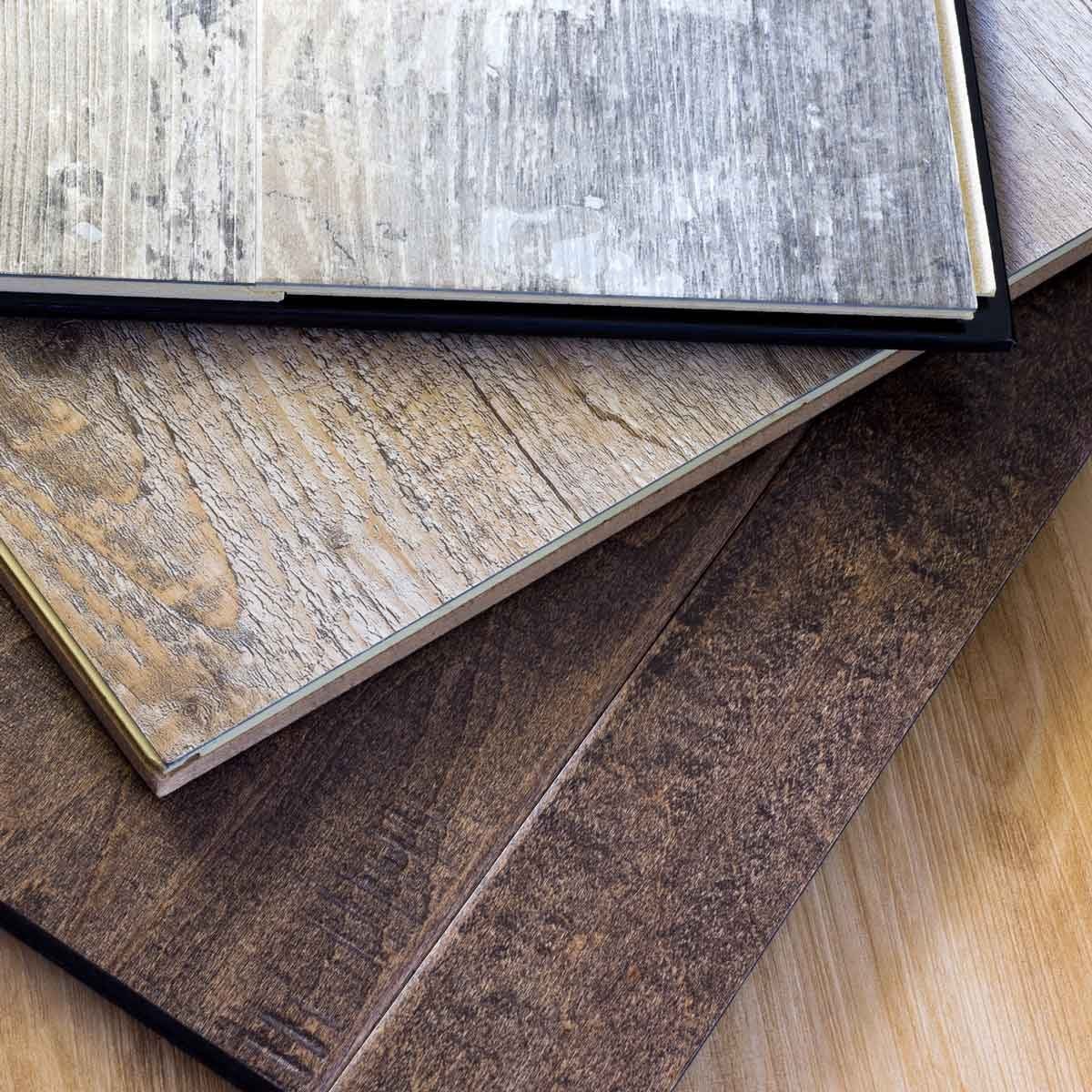
Choosing new flooring sounds simple until you meet the showroom wall of samples. Suddenly, you are comparing oak, maple, porcelain, luxury vinyl plank, laminate, carpet, cork, bamboo, concrete, and something called “hybrid resilient,” which sounds like a superhero with a contractor’s license. The good news? You do not need to memorize every flooring term in the universe. You only need to match the right material to your room, budget, lifestyle, and tolerance for cleaning grout.
This buyer’s guide to flooring options breaks down the most popular flooring materials for American homes, including hardwood, engineered wood, laminate, vinyl, tile, carpet, natural stone, bamboo, cork, and polished concrete. You will learn where each floor works best, what it costs, how it performs with pets and kids, and which options are worth considering if you want durability without draining your renovation fund faster than a leaky dishwasher.
How to Choose Flooring Before You Fall in Love With a Sample
Flooring is not just decoration. It is the surface your family walks on every day, the thing your dog slides across during dramatic doorbell emergencies, and the background of nearly every room photo you will ever take. Before comparing colors and finishes, ask four practical questions: Where will the flooring go? How much moisture will it face? How much traffic will it handle? How much maintenance are you realistically willing to do?
A bathroom floor has a different job than a bedroom floor. A busy kitchen needs stain resistance, water tolerance, and easy cleaning. A formal dining room may prioritize warmth and resale value. A basement needs special attention because moisture can sneak up from the slab and cause problems for materials that dislike damp environments.
Key Factors to Compare
The best flooring options are usually judged by durability, water resistance, comfort, maintenance, installation difficulty, cost, style, and long-term value. If you have children, pets, or heavy furniture, scratch resistance matters. If you live in a humid climate, stability matters. If you love walking barefoot, comfort underfoot matters. If you hate cleaning, congratulationsyou are normal, and low-maintenance flooring should be high on your list.
Hardwood Flooring: Classic, Beautiful, and Not Exactly Shy About the Price
Solid hardwood flooring remains one of the most desirable flooring options because it is warm, natural, long-lasting, and excellent for resale appeal. Common species include oak, maple, hickory, walnut, and cherry. Oak is especially popular because it balances durability, availability, and timeless style.
Solid hardwood can often be sanded and refinished multiple times, which gives it a lifespan that many synthetic floors cannot match. A scratched hardwood floor is not necessarily a disaster; it may simply be waiting for a future refinishing makeover. Think of it as flooring with a redemption arc.
Best Rooms for Hardwood
Hardwood works beautifully in living rooms, dining rooms, hallways, bedrooms, and home offices. It is less ideal for bathrooms, laundry rooms, and damp basements because standing water can cause cupping, warping, staining, and other expensive forms of sadness.
Pros and Cons of Hardwood Flooring
The biggest advantages of hardwood are beauty, durability, refinishing potential, and strong home value. The downsides are higher upfront cost, sensitivity to water, potential scratching, and the need for careful cleaning. Hardwood floors prefer gentle care: sweep regularly, use wood-safe cleaners, wipe spills quickly, and avoid turning your mop into a tiny indoor swimming pool.
Engineered Hardwood: Real Wood With Better Stability
Engineered hardwood looks like solid wood because the top layer is real hardwood. Underneath, however, it has a layered plywood or composite core that improves dimensional stability. That means it is usually less likely than solid hardwood to expand and contract dramatically with humidity changes.
This makes engineered wood a smart choice for homeowners who want the look of hardwood in areas where solid wood might be risky, such as over concrete slabs or in some finished basements. It can also be installed in several ways, including floating, glue-down, or nail-down methods, depending on the product.
What to Check Before Buying Engineered Wood
Look closely at the wear layer thickness. A thicker real-wood veneer may allow future refinishing, while a very thin veneer may only support light screening or no refinishing at all. Also compare core quality, plank thickness, finish warranty, and installation requirements. Not all engineered hardwood is created equal; some products are elegant workhorses, while others are basically wearing a fancy wood hat.
Luxury Vinyl Plank and Luxury Vinyl Tile: The Practical Crowd-Pleaser
Luxury vinyl plank, often called LVP, and luxury vinyl tile, often called LVT, have become top flooring options for busy homes. These floors can mimic wood, stone, or tile while offering strong water resistance, easy cleaning, and a softer feel than ceramic or porcelain tile.
Many modern vinyl floors use a rigid core construction that improves stability and helps hide minor subfloor imperfections. Click-lock versions are popular with experienced DIY homeowners, while glue-down products are common in commercial spaces and high-traffic areas.
Best Rooms for Vinyl Flooring
Vinyl flooring is especially useful in kitchens, bathrooms, laundry rooms, mudrooms, basements, rental properties, and homes with pets. It handles spills better than wood and laminate, and it is easier on the feet than tile. If your home includes muddy paws, juice boxes, or people who “forgot” to take off wet shoes, vinyl deserves a serious look.
Vinyl Flooring Pros and Cons
The strengths of vinyl include water resistance, affordability, broad style choices, simple maintenance, and comfortable walking. Potential drawbacks include lower resale prestige than real hardwood or stone, possible denting from heavy furniture, and quality differences between budget and premium products. For best results, compare wear layer thickness, core type, texture, warranty, and whether the product is rated for the room where you plan to install it.
Laminate Flooring: Affordable Style for Dry Spaces
Laminate flooring is a budget-friendly option that uses a photographic design layer to imitate hardwood, stone, or tile. It usually has a fiberboard core and a protective top layer. Today’s better laminates can look surprisingly realistic, especially products with embossed textures and varied plank patterns.
Laminate is popular because it offers attractive style at a lower cost than hardwood. It is also often installed as a floating floor with click-lock edges, making it appealing for DIY projects. However, traditional laminate is not the best choice for moisture-prone rooms. Water can seep into seams and cause swelling, especially if spills are ignored.
When Laminate Makes Sense
Laminate works well in bedrooms, living rooms, home offices, and dry hallways. It is a smart choice for homeowners who want a wood-look floor on a tighter budget. For kitchens or entryways, choose water-resistant laminate carefully and follow installation instructions exactly. Waterproof marketing can sound magical, but seams, subfloors, and installation details still matter.
Tile Flooring: Durable, Water-Resistant, and Ready for Real Life
Ceramic and porcelain tile are among the most durable flooring materials available. Tile is a favorite for bathrooms, kitchens, laundry rooms, mudrooms, and entryways because it resists moisture, stains, heat, and heavy wear. Porcelain tile is denser and less porous than standard ceramic tile, which often makes it better for high-moisture or high-traffic areas.
Tile also offers enormous design flexibility. You can choose wood-look porcelain, marble-look tile, colorful patterns, matte finishes, mosaics, large-format tiles, or classic subway-inspired layouts. If you want your bathroom floor to look like a boutique hotel instead of a place where socks go to die, tile can help.
Tile Flooring Drawbacks
Tile is hard underfoot, cold in winter, and less forgiving when dishes or phones fall. Installation also requires a properly prepared subfloor, correct mortar, careful spacing, and grout maintenance. Professional installation is often worth the cost, especially for large-format tile or rooms where waterproofing is essential.
Carpet: Comfort, Warmth, and the Comeback Kid
Carpet remains a strong flooring choice for bedrooms, family rooms, stairs, playrooms, and cozy spaces where comfort matters. It provides warmth, sound absorption, and softness underfoot. Modern carpets come in many fibers, including nylon, polyester, triexta, olefin, and wool.
Nylon is known for durability and resilience, while polyester offers stain resistance and vibrant color. Wool is natural, luxurious, and expensive. Low-pile carpets are easier to clean and better for high-traffic areas than thick, plush styles that show footprints like a crime scene investigator has been through the room.
Carpet Buying Tips
Do not shop by color alone. Compare fiber, density, twist level, stain treatment, backing, and padding. Good carpet padding can improve comfort and extend carpet life. For stairs and busy rooms, choose a durable construction. For bedrooms, you can prioritize softness. If pets are part of the household, look for stain-resistant carpet and consider patterns or tweeds that hide everyday debris between vacuuming sessions.
Natural Stone Flooring: Luxury With Maintenance Attached
Natural stone flooring includes marble, slate, travertine, limestone, granite, and sandstone. Each piece is unique, which gives stone its high-end appearance. It can make entryways, bathrooms, kitchens, and patios feel elegant and custom.
Stone is durable, but it is not maintenance-free. Many types are porous and need sealing to resist stains and moisture. Marble can scratch and etch from acidic spills. Slate is rugged but may have texture variations. Travertine has natural pits that may need filling. Natural stone is like owning a beautiful sports car: impressive, timeless, and occasionally demanding.
Bamboo Flooring: Stylish and Renewable, With a Few Caveats
Bamboo flooring is often grouped with hardwood because it looks similar, but bamboo is technically a grass. Strand-woven bamboo can be very hard and durable, making it suitable for living rooms, bedrooms, and other dry areas. It is also valued for its renewable growth cycle.
However, bamboo quality varies widely. Cheaper products may dent, scratch, or emit more volatile compounds depending on adhesives and manufacturing. Look for reputable brands, strong warranties, and indoor air quality certifications. Bamboo is not the best choice for wet rooms, but it can be attractive and durable in the right setting.
Cork Flooring: Comfortable, Quiet, and Surprisingly Charming
Cork flooring is made from the bark of cork oak trees. It is soft, warm, quiet, and naturally springy, which makes it pleasant underfoot. It can work well in bedrooms, offices, playrooms, and low-moisture living areas.
Cork is also a good option for people who stand for long periods, such as in a home office or hobby room. However, it can fade in direct sunlight, dent under heavy furniture, and require sealing for moisture protection. Use furniture pads and window coverings to help preserve the surface.
Concrete Flooring: Modern, Tough, and Not Just for Garages
Polished or stained concrete flooring has become popular in modern homes, lofts, basements, and minimalist interiors. It is durable, easy to clean, and compatible with radiant heating. It can be polished to a smooth sheen or stained for color and character.
Concrete is not warm or soft, so area rugs are often needed for comfort. It can also crack over time, although some homeowners accept small cracks as part of the industrial look. If you want a sleek, low-maintenance floor and do not mind a firmer surface, concrete can be a stylish long-term option.
Best Flooring Options by Room
Kitchen Flooring
The best kitchen flooring options include luxury vinyl plank, porcelain tile, ceramic tile, engineered hardwood, and water-resistant laminate. Kitchens need flooring that can handle spills, dropped utensils, chair movement, and frequent cleaning. Vinyl is comfortable and water-resistant, tile is highly durable, and engineered hardwood offers warmth if moisture is controlled.
Bathroom Flooring
Bathrooms need flooring that can handle water without panic. Porcelain tile, ceramic tile, luxury vinyl tile, and sheet vinyl are excellent choices. Avoid solid hardwood in full bathrooms. A powder room gives you more flexibility, but even there, water resistance is useful.
Basement Flooring
Basements are tricky because moisture can come from below, not just above. Luxury vinyl plank, tile, sealed concrete, and some engineered flooring products can work well. Carpet can be cozy, but choose basement-rated materials and consider moisture barriers. Before installing anything, test for moisture and fix water problems first. Flooring cannot solve a drainage issue; it can only become its next victim.
Bedroom Flooring
Bedrooms are more forgiving. Carpet, hardwood, engineered wood, laminate, cork, and luxury vinyl can all work. Carpet wins for softness and quiet. Hardwood and engineered wood win for elegance and long-term value. Laminate and vinyl win for budget-friendly style.
Pet-Friendly Flooring
For pets, look for scratch resistance, stain resistance, traction, and easy cleaning. Luxury vinyl plank, tile, and high-quality laminate are practical choices. Hardwood can work, especially harder species with durable finishes, but claws and water bowls require extra care. Avoid very glossy finishes because they show scratches and can be slippery for older pets.
Flooring Cost: What Buyers Should Budget For
Flooring costs vary widely based on material, room size, labor, location, subfloor condition, removal of old flooring, transitions, trim, stairs, and installation pattern. Vinyl and laminate are usually among the more affordable choices. Carpet can be budget-friendly, although premium carpet and padding raise the price. Hardwood, natural stone, and complex tile installations usually cost more.
Do not judge flooring by material price alone. A $3-per-square-foot product can become much more expensive if the subfloor needs leveling, old tile must be removed, or stairs are involved. Always ask for a full project estimate that includes materials, labor, underlayment, transitions, adhesive, grout, trim, removal, disposal, and any subfloor repairs.
The Hidden Costs Buyers Forget
Common overlooked costs include moving furniture, removing baseboards, trimming doors, leveling uneven floors, moisture barriers, stair noses, thresholds, delivery fees, waste allowance, and professional cleaning after installation. For most flooring projects, ordering 5% to 10% extra material is smart. For diagonal layouts, patterned tile, or rooms with many corners, waste may be higher.
Flooring Installation: DIY or Hire a Pro?
Some flooring options are friendly to skilled DIYers. Click-lock laminate and floating vinyl plank are common weekend projects for people with patience, tools, and the ability to measure twice before cutting once. Peel-and-stick vinyl can work for small, low-risk spaces, though surface preparation is critical.
Professional installation is usually better for hardwood, large-format tile, natural stone, glued-down vinyl, carpet, stairs, uneven subfloors, and waterproof bathroom systems. A professional installer can also identify moisture problems, subfloor movement, and layout issues before they become expensive regrets.
Maintenance: The Floor You Buy Is Also the Floor You Clean
Maintenance should influence your decision as much as style. Hardwood needs quick spill cleanup and wood-safe products. Tile needs grout care. Carpet needs vacuuming and periodic deep cleaning. Vinyl and laminate need sweeping and damp mopping, not harsh abrasive cleaners. Natural stone needs sealing and pH-neutral cleaners.
If you want the easiest flooring to maintain, luxury vinyl, porcelain tile, and sealed concrete are strong candidates. If you want the most timeless look and are willing to care for it, hardwood and natural stone are hard to beat. If you want softness, carpet still has a placejust do not pretend it will vacuum itself. We have all tried that strategy. It remains unsuccessful.
Style Trends Worth Considering
Current flooring trends favor warm natural wood tones, wide planks, matte and satin finishes, realistic stone looks, large-format tile, herringbone patterns, textured carpet, and durable waterproof products. White oak remains popular because it feels modern without looking cold. Medium brown tones are also returning because they hide dust better than very dark floors and feel warmer than gray-washed styles.
That said, trends should not bully your budget. A floor is a long-term purchase. Choose a style you can live with after the internet moves on to the next “must-have” look. If you want trendy drama, consider using it in a smaller space like a powder room, laundry room, or entryway.
Quick Flooring Comparison Guide
| Flooring Type | Best For | Main Strength | Watch Out For |
|---|---|---|---|
| Solid Hardwood | Living rooms, bedrooms, dining rooms | Longevity and resale appeal | Water damage and higher cost |
| Engineered Hardwood | Living areas, slab foundations, some basements | Real wood look with better stability | Limited refinishing on thin veneers |
| Luxury Vinyl | Kitchens, baths, basements, pet homes | Water resistance and easy care | Quality varies by product |
| Laminate | Bedrooms, living rooms, offices | Affordable wood-look style | Moisture sensitivity |
| Porcelain or Ceramic Tile | Bathrooms, kitchens, laundry rooms | Durability and water resistance | Hard surface and grout maintenance |
| Carpet | Bedrooms, stairs, family rooms | Softness and sound absorption | Stains and regular cleaning |
| Natural Stone | Entryways, luxury baths, kitchens | Unique high-end beauty | Sealing, staining, and cost |
Buyer Experiences: What Real Flooring Decisions Feel Like
One of the most useful lessons from flooring projects is that the “best” floor on paper is not always the best floor for real life. A family with two kids, a Labrador, and a kitchen that doubles as a snack distribution center may love the idea of walnut hardwood, but luxury vinyl plank could make daily life much easier. On the other hand, a homeowner renovating a historic bungalow may decide that real hardwood is worth the extra care because it fits the character of the home.
Many buyers start with appearance and end with practicality. They walk into a showroom wanting the floor that looks best under perfect lighting, then realize their actual home includes sandy shoes, rolling office chairs, pet accidents, humid summers, and the occasional dropped pan. This is why taking samples home is so important. A flooring sample can look warm and elegant in a store but oddly yellow under your kitchen lights. Another sample may seem too plain in the showroom but look calm and expensive next to your cabinets.
A common buyer experience is underestimating installation complexity. Floating vinyl or laminate may look simple in a tutorial, but rooms are rarely perfect rectangles. Door jambs, closets, vents, uneven subfloors, transitions, and stairs can turn a “quick weekend project” into a three-day negotiation with a miter saw. DIY can save money, but only if you have the tools, time, and patience to do the preparation correctly. Skipping subfloor prep is one of the fastest ways to make new flooring feel cheap, even when the material itself is good.
Another lesson: maintenance preferences matter more than people admit. Some homeowners are happy to baby hardwood floors, use felt pads, remove shoes, and wipe every spill immediately. Others want a floor that can survive a spilled smoothie while they finish a phone call. Neither approach is wrong. The mistake is buying a high-maintenance floor while secretly being a low-maintenance person. Flooring should match your habits, not the fantasy version of yourself who owns matching cleaning caddies.
Budget surprises are also common. Buyers often calculate square footage and material cost, then forget about old flooring removal, disposal, underlayment, transitions, baseboards, adhesives, grout, trim, furniture moving, and extra waste. A smart flooring budget includes a cushion. Even a well-planned project can reveal surprises once the old floor comes up. Maybe the subfloor dips near the refrigerator. Maybe the previous owner used enough adhesive to secure a bridge. Maybe the bathroom has moisture damage hiding under old vinyl. These discoveries are annoying, but fixing them before installing the new floor protects the investment.
The happiest buyers usually do three things: they choose flooring by room, they bring samples home, and they ask detailed questions before ordering. They ask about water resistance, warranty limits, cleaning products, acclimation, installation method, wear layer, slip resistance, and repair options. They also think about the future. Will this floor still make sense if you get a dog? If you sell the house? If your style changes? If your teenager takes up indoor skateboarding despite your very clear objections?
In the end, flooring is a balance of beauty, performance, and personality. The right choice should look good, feel good, fit your budget, and make daily life easier. A great floor does not need to be the most expensive option. It needs to be the one that handles your actual home with grace, durability, and maybe a little forgiveness.
Conclusion: The Best Flooring Option Is the One That Fits Your Life
The smartest flooring decision starts with the room, not the sample board. Hardwood is timeless and valuable, engineered wood adds stability, vinyl offers practical water resistance, laminate delivers affordable style, tile brings serious durability, carpet provides comfort, and natural materials like stone, bamboo, and cork add character. Each option has strengths and trade-offs.
Before buying, compare durability, water resistance, maintenance, comfort, installation, and total project cost. Take samples home, test them in natural and artificial light, and imagine the floor on an ordinary Tuesdaynot just on renovation reveal day. When your flooring matches your lifestyle, budget, and design goals, every step feels like a good decision.
Note: This article was created from synthesized, up-to-date flooring guidance from reputable U.S. home improvement, consumer testing, installation, and industry sources. It is written as original web content for publication and does not include source-link markup or unnecessary citation placeholders.













