
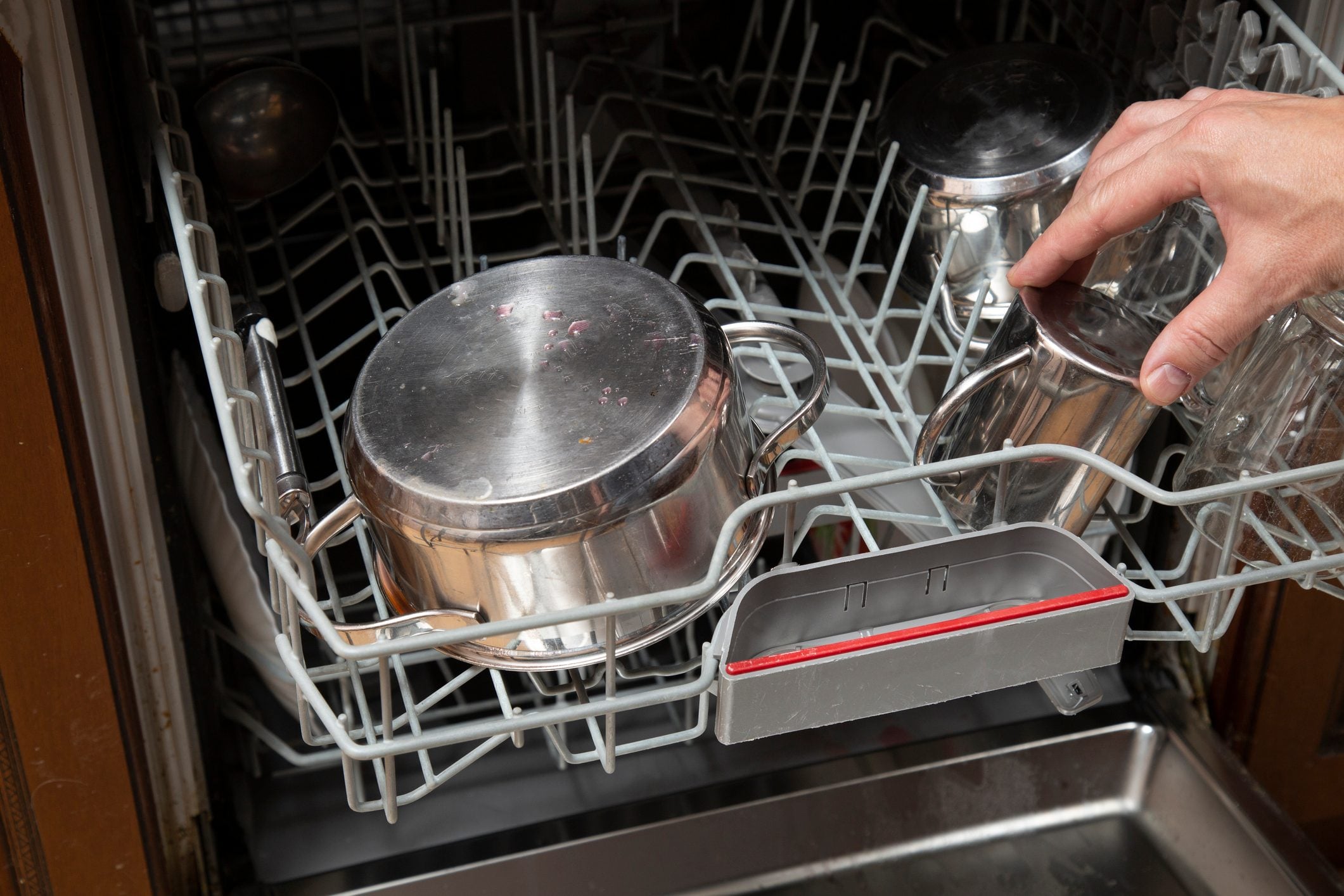
Stainless steel looks like the superhero of the kitchen: shiny, tough, and emotionally unavailable when faced with spaghetti sauce. So it is reasonable to ask: can stainless steel go in the dishwasher? The short answer is yes, most stainless steel utensils, flatware, bowls, and many stainless steel pots and pans can go in the dishwasher, especially when the manufacturer labels them dishwasher-safe.
The more useful answer is slightly less dramatic but much more helpful: stainless steel can usually handle the dishwasher, but the dishwasher is not always the kindest place for it. High heat, strong detergent, hard water, salty food residue, acidic sauces, crowded racks, and long damp drying time can cause spots, dullness, discoloration, or even small rust marks. In other words, stainless steel can survive the dishwasher, but it may not always come out looking like it just posed for a cookware catalog.
This guide explains when stainless steel is dishwasher-safe, when handwashing is smarter, how to prevent rust and water spots, and what to do if your stainless steel comes out looking like it had a rough night.
So, Can Stainless Steel Go In the Dishwasher?
Yes, most everyday stainless steel items can go in the dishwasher. Stainless steel flatware, mixing bowls, measuring cups, some baking dishes, and many stainless steel pots and pans are commonly considered dishwasher-safe. If the item is labeled “dishwasher-safe,” you can usually load it without panic.
However, “dishwasher-safe” does not mean “dishwasher-proof forever with no consequences.” A dishwasher uses hot water, detergent, spray pressure, and heated drying. That combination is great for greasy plates but can slowly reduce the shine of stainless steel cookware, loosen certain handles, dull knife edges, or encourage spotting if minerals are left behind.
The golden rule is simple: check the manufacturer’s care instructions first. Stainless steel is a broad category, not a single magic metal. A plain stainless steel spoon is not the same as a premium multi-ply sauté pan, a steak knife, a travel mug, or a wood-handled chef’s knife.
Why Stainless Steel Usually Handles Dishwashers Well
Stainless steel resists rust because it contains chromium, which helps form a thin protective surface layer. That invisible layer is one reason stainless steel is loved for cookware, sinks, appliances, utensils, and restaurant kitchens. It does not react easily with food, it is durable, and it tolerates moisture better than many other metals.
That said, stainless steel is rust-resistant, not completely rustproof. If the protective surface is damaged or exposed to harsh conditions for long enough, stains and corrosion can happen. The dishwasher can create those harsh conditions when salty food, acidic residue, chlorine-based chemicals, or strong detergent sit on the surface too long.
What Stainless Steel Items Are Usually Dishwasher-Safe?
Stainless Steel Flatware
Forks, spoons, and most table knives are usually dishwasher-safe. For best results, avoid packing them so tightly that they nest together like a tiny metal bird family. Water and detergent need space to reach every surface.
Load forks and spoons with some handles up and some handles down if your dishwasher basket allows it. This helps prevent nesting. For safety, sharp knives should go blade-down or on a dedicated third rack if your dishwasher has one.
Stainless Steel Mixing Bowls
Most stainless steel mixing bowls are dishwasher-safe. Place them angled downward so water does not pool inside. If a bowl traps water during the cycle, it may come out with spots or streaks, especially in areas with hard water.
Stainless Steel Pots and Pans
Many stainless steel pots and pans can go in the dishwasher if the brand says they are dishwasher-safe. Load larger cookware on the lower rack, angled downward, and keep handles away from spray arms. Do not place a large pan in front of the detergent dispenser, unless your dream is owning one very clean pan and several disappointed plates.
Still, many cookware makers recommend handwashing stainless steel pans even when they are technically dishwasher-safe. Handwashing helps preserve shine, reduce water spots, and protect the finish over time.
Stainless Steel Measuring Cups and Utensils
Stainless steel measuring cups, spoons, ladles, spatulas, tongs, and serving utensils are usually fine in the dishwasher. Place long utensils flat on the top rack or third rack so they do not block the spray arm.
What Stainless Steel Should Not Go In the Dishwasher?
Sharp Kitchen Knives
Even if some stainless steel knives are labeled top-rack dishwasher-safe, handwashing is usually better. Dishwasher detergent and jostling can dull the edge, damage the handle, and increase the chance of rust spots. A chef’s knife deserves a sponge, a towel, and a little respect. It has chopped onions for you. It has seen things.
Wood-Handled Stainless Steel Items
Wood and dishwashers are not friends. Stainless steel knives, utensils, or cookware with wooden handles should be hand-washed. Dishwasher heat and moisture can cause wood to swell, crack, fade, or loosen.
Insulated Stainless Steel Bottles and Travel Mugs
Some stainless steel water bottles and travel mugs are dishwasher-safe, but many insulated items are not. Dishwashers can damage vacuum seals, exterior coatings, rubber gaskets, or lids with moving parts. Always check the label. When in doubt, handwash the bottle and lid.
Premium or Polished Stainless Steel Cookware
If you spent serious money on shiny stainless steel cookware, handwashing is the safer habit. Dishwashers can dull the exterior, leave mineral spots, and create cosmetic scratches over time. The pan may still cook beautifully, but it may lose that “look at my responsible adult cookware” glow.
Stainless Steel With Nonstick Coating
If the item is stainless steel on the outside but has a nonstick coating inside, follow the nonstick rules. Many nonstick coatings age faster in dishwashers. Handwashing helps preserve the coating and prevents peeling, scratching, and performance loss.
Why Does Stainless Steel Rust In the Dishwasher?
Rust spots on stainless steel are annoying, but they are not mysterious. They usually come from a few common causes.
Food Residue With Salt or Acid
Mustard, mayonnaise, vinegar, lemon juice, tomato sauce, salty butter, pickles, and other acidic or salty foods can discolor stainless steel if they sit too long. If you are not running the dishwasher soon, rinse stainless steel flatware before loading it.
Leaving Items Wet Too Long
Stainless steel likes to dry. Leaving clean utensils sitting in a steamy dishwasher overnight can encourage spotting and, in some cases, rust marks. Open the dishwasher door after the cycle to release steam, or dry sensitive items with a towel.
Mixing Metals
Stainless steel should not sit in direct contact with sterling silver, silver-plated items, cast iron, or other reactive metals during a dishwasher cycle. Mixed metals can cause staining or pitting. Keep stainless steel flatware separate from silver and wash delicate metals by hand.
Hard Water
Hard water leaves mineral deposits that show up as cloudy spots, white marks, or dull film. These spots are usually cosmetic, but they can make clean stainless steel look dirty. Rinse aid, proper detergent, and towel drying can help.
Harsh Detergent or Too Much Detergent
More detergent does not mean cleaner dishes. It can mean residue, etching, or a sad stainless steel finish. Use the recommended amount for your dishwasher and water hardness.
How To Put Stainless Steel In the Dishwasher Safely
1. Check the Label First
Look for “dishwasher-safe” on the item, packaging, or brand website. If the care instructions say handwash only, believe them. Manufacturers are not writing those tiny care notes for the thrill of it.
2. Rinse Salty or Acidic Food If You Are Waiting
You do not need to pre-wash everything, but stainless steel flatware with mustard, vinegar, tomato sauce, or salty residue should not sit dirty for days. A quick rinse can prevent stains.
3. Load Stainless Steel With Space
Avoid overcrowding. When spoons nest together, they block water and detergent. When pans block spray arms, everything loses. Give items a little breathing room.
4. Put Larger Cookware On the Lower Rack
Dishwasher-safe stainless steel pots and pans usually belong on the bottom rack. Angle them downward for drainage and keep them away from the detergent dispenser and spray arms.
5. Keep Knives Separate and Secure
If you choose to wash stainless steel knives in the dishwasher, place them blade-down in the basket or flat on a third rack. Remove and dry them soon after the cycle ends.
6. Use Rinse Aid
Rinse aid helps water sheet off surfaces instead of drying in droplets. This can reduce water spots on stainless steel, glassware, and dishes.
7. Dry Promptly
After the cycle ends, open the door to vent steam. For cookware, knives, or flatware that tends to spot, towel dry immediately. This one step can make stainless steel look dramatically better.
Dishwasher vs. Handwashing: Which Is Better for Stainless Steel?
The dishwasher is better for convenience. Handwashing is better for preserving appearance. That is the honest trade-off.
If you are washing everyday stainless steel forks, spoons, mixing bowls, or basic utensils, the dishwasher is usually perfectly reasonable. If you are washing a polished stainless steel skillet, an expensive multi-ply saucepan, or a sharp knife, handwashing is the smarter long-term choice.
Handwashing stainless steel is simple: let hot cookware cool first, wash with warm water and mild dish soap, use a soft sponge or non-abrasive pad, rinse thoroughly, and dry immediately. Avoid steel wool, bleach, oven cleaner, and aggressive scouring pads unless the manufacturer specifically approves them.
How To Remove Water Spots From Stainless Steel
Water spots are usually mineral deposits, especially from hard water. Try this gentle method:
- Wash the stainless steel with warm, soapy water.
- Sprinkle a little baking soda on a damp sponge.
- Rub gently with the grain of the metal.
- Rinse well.
- Dry immediately with a soft towel.
For stubborn cookware stains, a stainless steel cleaner or a product designed for mineral deposits can help. Always follow the cleaner’s directions and avoid using it on surfaces the label excludes.
How To Remove Rust Spots From Stainless Steel
Small rust spots are often removable. Make a paste of baking soda and water, rub gently with a soft cloth, rinse, and dry. For more stubborn marks, use a stainless steel-safe rust remover or cookware cleaner.
If the metal is deeply pitted, cleaning may improve the appearance but may not completely restore the surface. Pitting means the surface has been physically damaged. At that point, the issue is no longer just a stain; it is a tiny metal pothole. Sadly, there is no Department of Transportation for forks.
Common Mistakes To Avoid
Using Bleach
Bleach can damage stainless steel. Skip it for cookware, flatware, sinks, and stainless steel appliances unless a manufacturer specifically says otherwise.
Letting Stainless Steel Soak Overnight
Long soaking can encourage stains, especially when salt or acidic residue is involved. Soaking for a short time is fine for stuck-on food, but overnight baths are not ideal.
Washing Stainless Steel With Silver
Do not let stainless steel and sterling silver touch in the dishwasher. The contact can cause pitting or discoloration, especially on silver pieces.
Putting Hot Pans Under Cold Water
Let stainless steel pans cool before washing. A sudden temperature change can cause warping, especially in layered cookware.
Assuming All Stainless Steel Is the Same
Flatware, cookware, knives, sinks, bottles, and appliance panels all use different grades, finishes, and construction methods. Care instructions matter.
Best Practices by Item Type
Flatware
Dishwasher-safe in most cases. Rinse acidic or salty foods if the load will sit. Avoid nesting. Dry soon after washing.
Cookware
Dishwasher-safe only if the brand says so. Handwash premium pans to preserve shine and prevent spotting. Let pans cool before washing.
Knives
Handwash is best. If dishwasher-safe, use the top rack or dedicated knife area, avoid heat dry when possible, and dry immediately.
Water Bottles
Check the label. Many single-wall stainless steel bottles are dishwasher-safe, but insulated bottles, painted finishes, and complex lids may not be.
Utensils With Wood, Glue, or Rubber
Handwash. Heat and moisture can weaken handles, adhesives, seals, and decorative finishes.
Real Kitchen Experiences: What Actually Happens Over Time
In real kitchens, stainless steel and dishwashers have a relationship best described as “mostly fine, occasionally dramatic.” A basic stainless steel spoon may go through hundreds of dishwasher cycles and still look perfectly acceptable. It might lose a little shine, but it will continue doing spoon business without complaint. Everyday stainless steel mixing bowls are also tough. They may pick up water spots, but a quick wipe with a towel usually restores them.
Stainless steel pans are where people notice the biggest difference. A pan washed by hand and dried right away tends to stay brighter. A pan washed in the dishwasher often comes out clean, but it may develop a cloudy film, rainbow tint, or small mineral spots. None of this usually ruins the pan’s cooking performance, but if you love that mirror-like finish, the dishwasher can feel like a tiny betrayal with a rinse cycle.
Knives tell an even clearer story. Many home cooks toss table knives in the dishwasher without a second thought, and that is usually fine. But chef’s knives, paring knives, and steak knives are different. They can bump against other utensils, lose edge quality, and develop rust freckles near the blade or handle. The dishwasher does not instantly destroy a good knife, but repeated cycles can make it age faster. Handwashing a knife takes about twenty seconds. Replacing a favorite chef’s knife costs far more than twenty seconds of emotional strength.
Another common experience involves “mystery rust.” Someone opens the dishwasher and sees orange spots on stainless steel forks, then assumes the flatware is defective. Sometimes it is lower-quality stainless steel. Sometimes it is food residue. Sometimes a non-stainless item in the same load shed rust particles that transferred onto the stainless pieces. Before replacing the whole set, try cleaning the spots with baking soda paste and drying the pieces immediately after the next few cycles. If the spots stop coming back, the problem was probably dishwasher conditions, not doomed flatware.
Hard water households often notice more spotting than rusting. The stainless steel comes out clean but looks dusty, cloudy, or speckled. Rinse aid makes a noticeable difference here. So does unloading sooner and drying cookware by hand. If your dishwasher has a heated dry setting that leaves stainless steel looking patchy, try air-dry or open-door drying and compare results.
The best practical routine is a hybrid one. Use the dishwasher for sturdy everyday stainless steel items: forks, spoons, basic utensils, mixing bowls, and dishwasher-safe pots when you are busy. Handwash the pieces you care about most: premium cookware, sharp knives, wood-handled tools, insulated bottles, and anything with a polished finish. This approach keeps life easy without turning your best pan into a dull, spotty kitchen veteran before its time.
Final Takeaway: Should You Put Stainless Steel In the Dishwasher?
Yes, stainless steel can usually go in the dishwasher, especially flatware, utensils, bowls, and dishwasher-safe cookware. But the best choice depends on the item. For everyday stainless steel, the dishwasher is convenient and generally safe. For premium pans, sharp knives, wood-handled tools, and insulated bottles, handwashing is the better move.
To keep stainless steel looking its best, rinse salty or acidic foods when needed, avoid mixing metals, load items with space, use the right amount of detergent, add rinse aid if you have hard water, and dry pieces promptly. Stainless steel is tough, but even tough things appreciate good manners.
Note: This article is written for general home-care guidance. Always follow the specific care instructions from your item’s manufacturer, especially for specialty cookware, knives, insulated bottles, coated finishes, and mixed-material pieces.











