
Note: This article is for educational and editorial purposes only. Melting and casting metal can cause severe burns, toxic fumes, fire, explosions, and equipment failure. Do not attempt microwave metal casting without proper training, suitable protective equipment, outdoor ventilation, dry materials, and expert supervision.
When the Kitchen Appliance Starts Acting Like a Tiny Foundry
“Casting metal with a microwave and vacuum cleaner” sounds like the title of a science fair project that got banned after the first spark. Yet the idea is real, wonderfully strange, and surprisingly educational. In the maker world, small-scale metal casting has moved far beyond traditional furnaces, charcoal burners, and intimidating industrial setups. With the right materials, a microwave can become a heat source for a tiny kiln, and a household vacuum cleaner can help pull molten metal into a mold before it freezes in place.
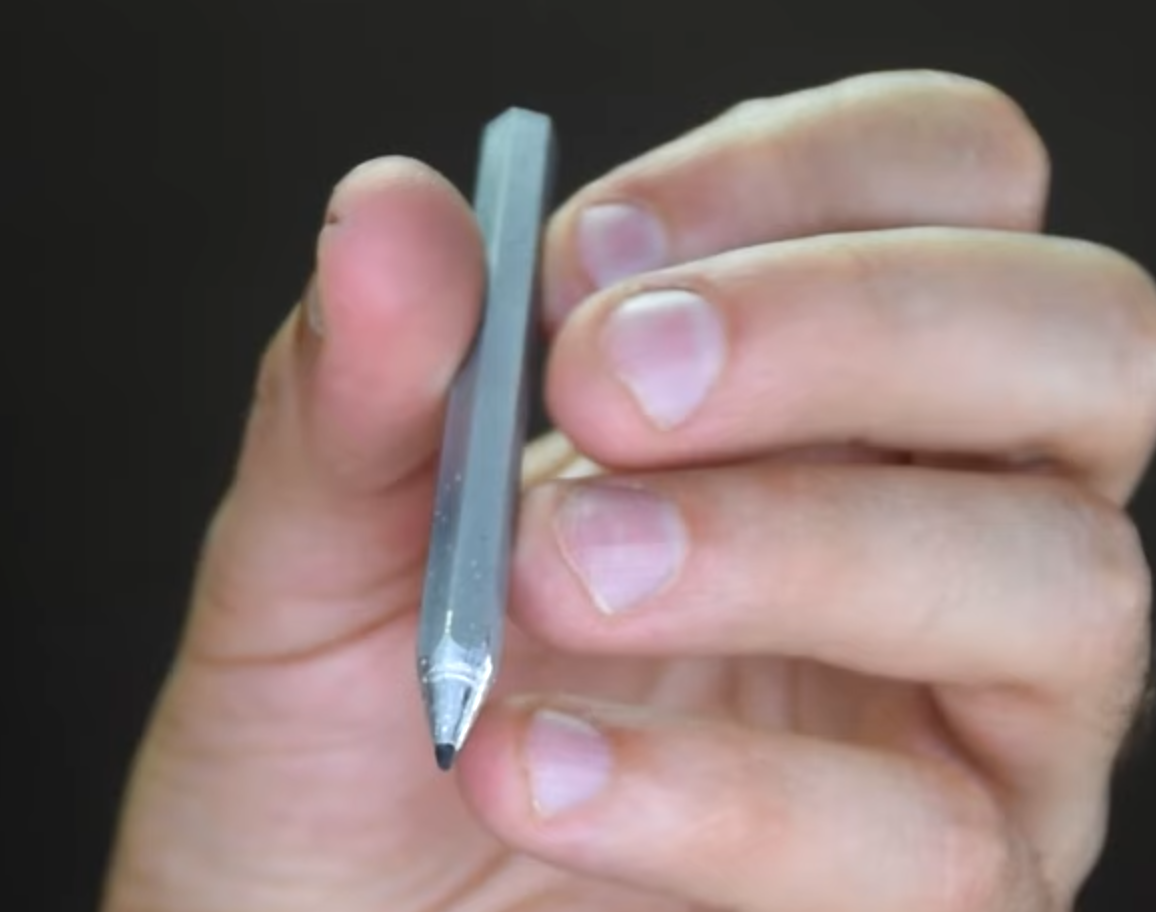
The most famous example involves a maker using a microwave kiln to melt aluminum and a vacuum cleaner to assist the casting of a functional aluminum pencil around a graphite core. That sentence alone deserves a slow clap. It combines 3D printing, plaster mold making, microwave heating, molten aluminum, and improvised vacuum assistance into one project that feels half engineering demo, half “please do not tell the landlord.”
But beneath the fun is a serious lesson: metal casting is a demanding process. Molten aluminum is not warm soup. A microwave kiln is not a toy. A vacuum cleaner is not a certified foundry vacuum system. This project works because it leans on real principles: microwave susceptors, thermal insulation, lost-pattern casting, gating, venting, mold preheating, and pressure-assisted filling. In other words, it looks like backyard wizardry, but the physics is wearing steel-toed boots.
How Microwave Metal Casting Works
A normal microwave heats food by producing electromagnetic waves that excite polar molecules, especially water. Metal objects usually behave badly in ordinary microwave use because thin edges and sharp points can arc, reflect energy, and damage the oven. Microwave metal casting avoids the “fork in the microwave” problem by using a kiln-like chamber and materials called susceptors.
The Role of the Susceptor
A susceptor is a material that absorbs microwave energy and converts it into heat. Silicon carbide is commonly discussed in microwave kiln projects because it can absorb electromagnetic energy and become extremely hot. Instead of the microwave directly heating a chunk of aluminum like a frozen burrito, the microwave heats the susceptor, and the hot susceptor heats the crucible and metal.
This is why microwave kilns can be used for small glass fusing, jewelry experiments, ceramics, andin risky, carefully controlled maker projectssmall metal melts. The microwave provides energy, the susceptor converts it to intense heat, and insulation keeps that heat concentrated. Think of it as a tiny dragon cave powered by a countertop appliance.
Why Aluminum Is Usually the Star
Aluminum is popular for small casting experiments because it melts at a lower temperature than copper, bronze, or iron. It is also easy to source as scrap, relatively lightweight, and forgiving compared with many metals. That does not mean it is safe. Molten aluminum can still cause catastrophic burns, ignite flammable material, react violently with moisture, and produce fumes if dirty scrap, painted parts, or unknown alloys are used.
For a microwave casting project, the small scale is both a feature and a limitation. The method is better suited to tiny objects, jewelry-scale pieces, art experiments, and educational demonstrations than to large structural parts. If your dream is to cast an engine block in a dorm-room microwave, your dream needs adult supervision and possibly a stern letter from the fire marshal.
Where the Vacuum Cleaner Comes In
Molten metal does not politely stroll into every corner of a mold. It cools quickly, traps air, creates voids, and sometimes stops short of thin sections. Traditional casting solves this through smart mold design: sprues, runners, gates, vents, risers, and temperature control. Vacuum-assisted casting adds another trick. It uses negative pressure to help draw metal into the mold cavity and remove trapped gases.
In professional jewelry casting, vacuum casting machines pull air from investment molds so molten metal can fill fine details. In industrial lost-foam and investment casting, pressure control and vacuum systems can improve flow, reduce porosity, and support complex shapes. The household vacuum cleaner version is a rough, improvised cousin of that idea. It is not precise. It is not industrial. But as a maker experiment, it demonstrates the principle clearly: reduce air resistance and help the metal reach places gravity alone might not fill.
The Aluminum Pencil Example
The aluminum pencil project is memorable because it uses a graphite pencil core as the functional center. A 3D-printed pencil shape is embedded into a plaster-based mold. Heat removes or melts out the plastic pattern, leaving a cavity around the graphite. Separately, aluminum is melted in a microwave kiln. The still-warm mold receives the molten aluminum, while the vacuum cleaner helps pull the metal into the narrow shape before it solidifies.
The result is part sculpture, part tool, and part proof of concept. It is not the easiest way to obtain a pencil. For that, civilization has already invented the office supply store. But it is a fantastic demonstration of how digital fabrication, casting, and household improvisation can overlap.
The Casting Concepts Behind the Madness
Even the weirdest maker build depends on classic casting principles. The microwave and vacuum cleaner are attention-grabbers, but the mold design is where the success or failure often happens.
Pattern Making
A pattern is the shape that creates the mold cavity. In modern hobby casting, patterns are often 3D printed. This makes it easy to design complex forms, repeat experiments, and tweak geometry. For lost-pattern casting, the pattern is destroyed or removed before the metal is poured. PLA, wax, foam, and other materials can be used, but each one introduces fumes, ash, expansion, or burnout concerns.
For a clean casting, the pattern should have smooth surfaces, sensible wall thickness, and enough allowance for shrinkage. Sharp internal corners are troublemakers. Thin sections cool too fast. Huge thick sections can shrink and leave cavities. Metal casting has opinions, and it expresses them through defects.
Investment and Mold Material
Small castings often use plaster-based investment molds, ceramic shell, greensand, or special casting sands. A mold must tolerate heat, release gas, and hold its shape. Moisture is the enemy. Even a small amount of water trapped inside a mold can flash into steam when molten metal arrives. That sudden expansion can spray metal, crack the mold, or cause an explosion.
This is one reason experienced foundry workers are so obsessive about dry sand, preheated molds, clean crucibles, and planned movements. It may look dramatic, but it is not theater. It is survival.
Sprues, Gates, Runners, and Vents
The sprue is the main channel where metal enters the mold. Runners distribute the metal. Gates control entry into the final cavity. Vents give air and gases a way out. Risers act as reservoirs that feed extra metal as the casting shrinks during cooling.
In a tiny microwave casting project, these features may be crude, but they still matter. A narrow sprue can freeze too soon. A poorly placed gate can create turbulence. No venting can leave a half-filled casting with all the charm of a chewed dog toy. Vacuum assistance helps, but it cannot magically fix a mold that was designed like a clogged drinking straw.
Benefits of Microwave Casting for Makers
Microwave metal casting has an obvious appeal: it shrinks the foundry concept down to a scale that feels approachable. For artists, inventors, and tinkerers, it offers several attractive possibilities.
Small Footprint
A microwave kiln setup occupies far less space than a propane furnace, foundry burner, or full electric kiln. That makes it tempting for small workshops and experimenters who want to explore casting without committing to a dedicated foundry area. However, “small” does not mean “safe indoors.” Ventilation, fireproof surroundings, and separation from living spaces remain critical.
Fast Heating
Microwave kilns can heat quickly because the susceptor absorbs energy directly and concentrates heat inside a compact insulated chamber. This can make short experimental runs possible. It also means mistakes happen quickly. A few minutes can separate “neat experiment” from “why is the smoke alarm speaking in tongues?”
Digital Fabrication Compatibility
3D printing pairs naturally with small casting. A maker can model a part, print a pattern, invest it, burn or melt it out, and cast metal into the resulting cavity. This workflow is popular in jewelry, art, prototyping, and hobby engineering. Microwave casting adds a compact melting method to the chain.
The Big Risks Nobody Should Ignore
This topic is fun, but the danger is real. Any article about casting metal with a microwave and vacuum cleaner needs to say the quiet part loudly: this is not a beginner kitchen craft. It belongs in a controlled workshop environment, not beside a toaster oven and a bag of bagels.
Microwave Damage and Radiation Leakage
Microwave ovens are designed with shielding, door seals, and interlocks. Damaged or modified ovens can leak microwave energy. High levels of microwave exposure can heat body tissue and harm sensitive areas such as the eyes. A microwave used for experimental heating should never return to food use, and any damaged door, seal, latch, or enclosure is a serious red flag.
Molten Metal Burns
Molten aluminum can exceed 1,200 degrees Fahrenheit. It sticks, flows, splashes, and transfers heat brutally. Ordinary gloves, sneakers, synthetic clothing, and casual safety glasses are not enough. Foundry work calls for face protection, heat-resistant gloves, leather or appropriate protective clothing, closed footwear, and protection for legs and feet.
Moisture Explosions
Water and molten metal are a famously terrible combination. Moisture trapped in a mold, wet scrap metal, damp sand, or concrete under a spill can flash into steam. Steam expands violently. This is why foundry safety guidance repeatedly emphasizes dry tools, dry molds, dry sand, and no pouring over damp ground or bare concrete.
Fumes and Unknown Scrap
Scrap metal may contain paint, oil, coatings, zinc, lead, plastics, adhesives, or mystery residues. Heating these materials can create toxic fumes. Aluminum cans, for example, have coatings. Random hardware may be plated. “It was free” is not a chemical safety analysis. Clean, known metal is always safer than mystery scrap from the Drawer of Questionable Decisions.
Vacuum Cleaner Hazards
A household vacuum cleaner is not designed for molten metal work. It can pull hot gases, dust, fumes, or sparks toward plastic parts, filters, and motors. If used carelessly, it may become a smoke machine with a power cord. Any vacuum-assisted casting setup must isolate heat, contain debris, protect the vacuum from hot material, and prevent dangerous fumes from being exhausted into breathing space.
Why Vacuum Assistance Can Improve Detail
Fine details are hard to cast because metal cools rapidly in thin passages. Air trapped in corners resists filling. Surface tension and turbulence can create incomplete edges. Vacuum assistance can reduce some of these problems by helping remove air and encouraging metal to flow into tight spaces.
This is especially useful for narrow shapes, jewelry-like details, and unusual forms such as the aluminum pencil. The graphite core creates a thin annular space around it, and that space must fill before the metal freezes. Gravity alone may not be enough. Pulling air through the mold can improve the odds.
Still, vacuum is not a magic wand. If the metal is too cold, the mold is too cold, the sprue is too small, or the cavity is poorly vented, the casting can still fail. Good casting is a dance between heat, flow, time, and geometry. The vacuum cleaner is just the awkward but enthusiastic dance partner.
Practical Design Lessons From the Project
Even readers who never melt a single aluminum scrap can learn useful engineering lessons from this project.
Design for Flow
Metal needs a smooth path. Sudden turns, thin bottlenecks, and dead-end corners create defects. A good casting design guides metal from the pouring area through the mold in a way that reduces turbulence and lets gases escape.
Design for Shrinkage
Metal shrinks as it solidifies. If there is no reservoir of liquid metal feeding the shrinking section, cavities or surface depressions can form. In larger castings, risers solve this problem. In very small projects, extra feed paths or thicker pour areas may help.
Preheat the Mold
A cold mold steals heat from molten metal. For small, thin parts, that can mean incomplete filling. A warm mold gives the metal more time to flow. The challenge is making sure the mold is dry, stable, and heated in a controlled way.
Expect Failure and Learn From It
Small casting experiments often fail before they succeed. Incomplete fills, bubbles, flashing, cracks, and rough surfaces are normal learning material. Each defect tells a story. The trick is listening before pouring again.
Is Microwave Metal Casting Actually Useful?
For industrial production, no one is replacing a professional foundry with a thrift-store microwave and a shop vacuum. For education and prototyping, though, the idea has charm. It shows that casting is not only a factory process. It is a set of principles that can be explored at small scale.
Artists may use similar ideas to make jewelry, medallions, decorative parts, or experimental forms. Engineers may use it to understand gating, shrinkage, and mold behavior. Teachers may discuss it as an example of electromagnetic heating, phase change, material science, and fluid flow. Makers may simply enjoy the fact that a microwave can become a tiny furnace when paired with the right materials.
The best value of this project is not that it offers the most efficient way to make an aluminum pencil. It does not. A wooden pencil is lighter, cheaper, easier to sharpen, and less likely to require a safety briefing. The value is that it turns abstract manufacturing concepts into something visible and memorable.
Experience Notes: What This Project Teaches in the Real World
Watching or studying a project like casting metal with a microwave and vacuum cleaner changes the way you look at ordinary objects. A microwave stops being just a leftover reheater. A vacuum cleaner stops being a dust goblin. A pencil becomes a mold-design challenge. Suddenly, the world is full of hidden manufacturing stories.
The first real lesson is humility. Metal casting looks simple in edited videos because the boring parts are invisible. The mold was dried. The pattern was planned. The crucible was heated. The pour was rehearsed. The failed attempts probably went to the great scrap bin in the sky. When a clean casting appears on camera, it is tempting to think the process is easy. In reality, every successful pour is the final paragraph of a much longer story.
The second lesson is that temperature control matters more than enthusiasm. Beginners often assume hotter is always better. In casting, too much heat can increase oxidation, gas absorption, mold damage, and rough surfaces. Too little heat causes incomplete filling. The sweet spot depends on the alloy, mold, geometry, and timing. Microwave kilns make this even trickier because temperature measurement and control can be less predictable than in professional equipment.
The third lesson is that airflow is powerful. The vacuum cleaner in this project is funny because it is so ordinary, but the concept is serious. Air trapped inside a mold is one of the quiet villains of casting. If air cannot leave, metal cannot fully enter. Vacuum assistance, venting, and mold permeability all deal with that same problem. The vacuum cleaner simply makes the invisible visible: pressure differences can move material.
The fourth lesson is that improvised tools need boundaries. Maker culture celebrates creativity, and it should. Some of the best inventions start with “what if?” But there is a difference between clever improvisation and reckless improvisation. A vacuum cleaner can demonstrate suction, but it is not automatically safe around heat and fumes. A microwave can provide energy, but it is not automatically safe after modification or misuse. A plaster mold can hold shape, but not if moisture remains inside. The experience teaches respect for the limits of every material and tool.
The fifth lesson is that small projects can teach big manufacturing ideas. A tiny aluminum pencil touches on additive manufacturing, burnout, investment casting, electromagnetic heating, thermal shock, shrinkage, gating, vacuum assistance, and finishing. That is a full semester of materials science hiding inside an object that still technically writes. If engineering had better marketing, every textbook would come with one weird aluminum pencil and a warning label.
The final experience is aesthetic. Metal casting has a special kind of magic because it transforms a liquid moment into a permanent object. One minute the aluminum is a bright, dangerous pool. The next, it is a solid shape that remembers the mold. Microwave casting compresses that drama into a tabletop scale, which makes it feel even stranger. It is not the safest or most practical method, but it is unforgettable.
Conclusion
Casting metal with a microwave and vacuum cleaner is one of those maker projects that sounds impossible until the principles start lining up. A microwave kiln uses a susceptor to turn electromagnetic energy into concentrated heat. Aluminum melts inside a small crucible. A prepared mold receives the metal. Vacuum assistance helps pull the liquid into fine spaces before it cools. The result can be a clever cast object, such as an aluminum pencil with a graphite core.
But the project should be admired with respect, not copied casually. The risks include microwave exposure, fire, toxic fumes, molten metal burns, moisture explosions, and equipment failure. Anyone interested in metal casting should begin with formal instruction, professional safety guidance, proper foundry equipment, and small, controlled learning projects. Creativity is wonderful. Keeping your eyebrows is also wonderful.
At its best, this experiment is a reminder that engineering is everywhere. The same household tools used for leftovers and dust can illustrate deep principles of heat transfer, fluid flow, mold design, and material transformation. It is weird. It is clever. It is slightly alarming. And that is exactly why people keep watching projects like this.












