
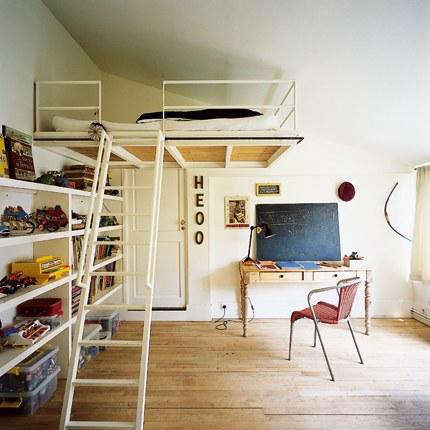
A loft bed is the furniture equivalent of finding an extra room hiding inside your child’s room. One minute you have a standard bed eating up the floor like a sleepy rhinoceros; the next, the mattress is floating above a desk, reading nook, storage zone, mini art studio, or secret clubhouse where socks mysteriously migrate and snacks definitely should not.
For children’s rooms, loft beds are popular because they solve three classic problems at once: not enough space, too much stuff, and the eternal question of where to put the LEGO kingdom without stepping on it at 2 a.m. A well-chosen kids loft bed can free up floor space, make shared bedrooms easier to organize, and give growing children a room that feels personal rather than packed.
But here is the grown-up truth wrapped in a cute duvet: loft beds are not just about style. They must be chosen carefully. Height, guardrails, mattress thickness, ladder design, ceiling clearance, materials, and your child’s age all matter. This roundup covers the best types of loft beds for kids, the features worth paying for, the mistakes to avoid, and practical ideas for turning the space below into something useful, charming, and not remotely resembling a toy tornado.
What Is a Loft Bed?
A loft bed is an elevated bed with open space underneath. Unlike a traditional bunk bed, which usually has one mattress stacked above another, a loft bed lifts the sleeping area and leaves the lower zone available for another function. That open space can become a desk area, storage wall, reading corner, play fort, closet extension, or second sleeping area if the design allows it.
In children’s rooms, loft beds usually come in low, mid-height, and high versions. Low loft beds are closer to the floor and often suit younger school-age kids who are ready for more independence but not ready for a sky-high climb. Mid loft beds offer more storage and play space below. High loft beds are better for older kids, tweens, and teens who need room for a desk, lounge chair, dresser, or full study setup.
Safety Comes First: The Non-Negotiable Checklist
Before comparing finishes, slides, storage drawers, or whether the bed looks like it belongs in a Scandinavian forest cabin, start with safety. Most child-safety guidance recommends that children under age six should not sleep in the top bunk or elevated sleeping area. Young children may not have the coordination, judgment, or sleepy-midnight ladder skills needed for safe use.
Guardrails Matter More Than Style
Choose a loft bed with guardrails on both sides of the sleeping platform. The rail should extend high enough above the top of the mattress to help prevent falls. This is why mattress thickness matters. A plush, extra-thick mattress may feel luxurious, but it can reduce the effective height of the guardrail. For many loft and bunk beds, a low-profile mattress is the safer and better fit.
Measure the Ceiling Before You Fall in Love
A loft bed can look perfect online and feel completely wrong in a room with a low ceiling, ceiling fan, sloped roofline, or hanging light fixture. Measure from the floor to the ceiling, then compare that with the bed’s total height and mattress height. Your child should have enough headroom to sit up comfortably without greeting the ceiling with their forehead every morning.
Check the Ladder or Stairs
Ladders save space, but stairs are usually easier for younger kids to climb. Stairs also often include built-in drawers, which is wonderful if your child owns 47 tiny plush animals that all apparently need separate housing. Look for secure attachment points, wide steps or rungs, and a layout that does not block a closet door, window, heater, or walking path.
Avoid Dangling Hazards
Do not hang jump ropes, scarves, cords, belts, costume capes, or backpack straps from the loft bed. The frame may look like a convenient hook station, but it should not become one. Use wall hooks, bins, or a low peg rail away from the sleeping platform instead.
Loft Bed Roundup: Best Types for Children’s Rooms
There is no single best loft bed for every family. The right choice depends on room size, ceiling height, child age, storage needs, budget, and whether your child is more “quiet reader with a lamp” or “indoor parkour enthusiast with markers.” Here are the most practical categories to consider.
1. Low Loft Beds: Best First Loft for Younger Kids
Low loft beds are a smart starting point for children who are old enough for an elevated bed but still need a design that feels manageable. These beds usually leave enough space underneath for toy bins, a small play mat, a book nook, or a low dresser. They do not create a full-height desk zone, but they make a small room feel more open.
A reversible design, such as a low bed that can later be flipped or adapted into a higher setup, is especially practical for growing children. IKEA’s KURA-style concept is popular because it can work as a low bed first and later create a simple play area underneath. This kind of flexibility is helpful when your child’s room changes faster than their favorite cereal.
Low loft beds with slides are another fun option. Max & Lily-style low loft designs are known for play-friendly layouts, guardrails, and under-bed space that can become a reading hideaway or pretend shop. The slide, however, needs floor clearance, so measure carefully. A slide in a tiny room can turn a smart bed into a traffic jam with bedding.
2. Loft Beds With Desks: Best for Homework and Tweens
A loft bed with a desk underneath is one of the most efficient solutions for school-age children, tweens, and teens. It combines the two largest furniture pieces in a child’s room into one vertical footprint. This is especially useful in apartments, shared bedrooms, and rooms that also need to function as study spaces.
Look for a desk that is deep enough for a laptop or open notebook, has access to good lighting, and allows a chair to slide in and out comfortably. Some designs include drawers, cubbies, and shelving around the desk, which helps keep school supplies from spreading across the room like glitter at a birthday party.
West Elm and Pottery Barn Kids have offered larger loft systems with integrated desks and storage, while IKEA’s modular children’s storage systems often appeal to families who want a cleaner, budget-conscious layout. The key is not just whether the desk exists, but whether your child will actually use it. A desk under a dark loft without lighting becomes a cave for lost pencils, not a study zone.
3. Loft Beds With Storage Stairs: Best for Shared Rooms
Storage stairs are one of the most parent-approved loft bed features. Each step can hide drawers, shelves, or cubbies for pajamas, books, socks, toys, and the mysterious objects children collect from absolutely nowhere. Compared with a straight ladder, stairs take up more floor space, but they often feel sturdier and more comfortable for daily use.
Pottery Barn Kids’ Catalina-style stair loft beds are a good example of the category: substantial, furniture-like, and designed around integrated storage. These designs are usually more expensive, but they can replace multiple pieces of furniture, such as a dresser, bookshelf, or side table.
For shared bedrooms, storage stairs also help create boundaries. One child can have drawers in the steps, another can have bins under the lower zone, and everyone can stop arguing over whose hoodie is “technically touching my side.” Maybe.
4. Play Loft Beds: Best for Imagination
Some loft beds are designed to feel like tiny houses, treehouses, castles, or adventure platforms. These are magical for younger children who love imaginative play. A curtain under the bed can turn the lower area into a fort, puppet theater, reading tent, or cozy zone for calming down after school.
The best play loft beds still need strong safety fundamentals: solid construction, proper guardrails, secure access, and a mattress that fits the manufacturer’s specifications. Avoid designs that encourage climbing on the outside of the frame. A bed can be fun without becoming a jungle gym with a pillowcase.
Play lofts work best when the room has enough open floor space for the slide, ladder, or play curtain to function naturally. If the lower area becomes too cramped, the novelty wears off quickly and the space turns into a storage cave guarded by stuffed dinosaurs.
5. Full Loft Beds: Best for Older Kids and Teens
A full-size loft bed gives older kids and teens more sleeping room while preserving floor space. This can be a smart upgrade for children who have outgrown a twin bed but still need a desk, dresser, or lounge zone in a small bedroom.
Full loft beds are heavier and larger, so construction quality matters. Look for strong slats, a stable frame, a clear weight rating, and a ladder or stair system that feels comfortable for daily use. Because these beds are taller and wider, ceiling height becomes even more important. An eight-foot ceiling may work for some low-profile full lofts, but not all. Measure before buying, not after assembling. Your future self, holding an Allen wrench at midnight, will thank you.
6. Convertible Bunk Beds: Best for Flexibility
Some families want the option of bunks now and separate beds later. Convertible bunk beds, such as Storkcraft Caribou-style twin-over-twin designs, can be useful because they may separate into two individual beds. While not always a true loft bed, this category belongs in the conversation because it gives families flexibility when siblings stop wanting to share a vertical sleeping arrangement.
A convertible bunk can also be a better long-term value if you expect to move, redesign the room, or eventually split children into separate rooms. The trade-off is that it may not provide the same open under-bed play or desk space as a true loft bed.
How to Choose the Right Loft Bed for Your Child’s Room
Start With the Room, Not the Bed
Measure the room’s length, width, ceiling height, window placement, door swing, closet access, outlets, vents, baseboard heaters, and ceiling fans. Then mark the bed’s footprint on the floor with painter’s tape. This simple step prevents a very common mistake: buying a bed that technically fits but makes the room feel like a furniture obstacle course.
Match the Height to the Child
Low loft beds are usually better for younger school-age children. Mid lofts work well when you want storage or a play zone underneath. High lofts are best for older kids and teens who can climb safely and need a real desk or lounge area. The taller the bed, the more important maturity, ceiling clearance, and nighttime habits become.
Think About the Space Underneath
Do not buy a loft bed just because it creates space. Decide what that space is for. If it is a desk zone, plan lighting and outlets. If it is a reading nook, add a soft rug, clip-on light, and book ledge. If it is storage, choose bins your child can actually reach. If it is a play area, leave enough open floor for movement.
Choose Materials Wisely
Wood loft beds often feel warmer and more furniture-like. Solid pine and hardwood options are common in children’s furniture, and many painted finishes can blend into traditional, farmhouse, coastal, or modern rooms. Metal loft beds can look clean and lightweight, often at a lower price, but some may feel less cozy or create more noise if the frame shifts.
Plan for Bedding Changes
Changing sheets on a loft bed is a workout. It is not quite Olympic gymnastics, but it does involve reaching, tucking, stretching, and possibly questioning your life choices. Use a mattress protector, keep bedding simple, and avoid too many decorative pillows. A fitted sheet, washable comforter, and one favorite pillow are often enough.
Smart Under-Loft Ideas for Children’s Rooms
Create a Homework Station
Add a compact desk, rolling chair, wall-mounted organizer, task lamp, and small corkboard. Keep supplies in labeled bins or drawers so the desk does not become a museum of broken crayons.
Build a Reading Hideaway
Use a soft rug, floor cushion, battery-operated lantern, and front-facing book shelves. Add curtains if your child likes cozy spaces. This is one of the easiest ways to make a loft bed feel magical without adding clutter.
Add Toy Storage That Kids Can Maintain
Open bins work better than complicated systems for younger children. Sort toys by broad categories: blocks, dolls, cars, art, plush, costumes. If cleanup requires a spreadsheet, it will not happen.
Design a Mini Lounge for Tweens
For older kids, the lower zone can hold a beanbag, small loveseat, LED reading lamp, and shelf for books or headphones. Keep cords managed and avoid placing electronics where ventilation is poor.
Use Curtains for Visual Calm
A curtain can hide storage, soften the look of the bed, or create a private retreat. Choose breathable fabric and attach it safely according to the bed design. Avoid long cords or anything that could tangle.
Common Loft Bed Mistakes to Avoid
Buying too tall: If your child cannot sit up comfortably, the bed is too tall for the room.
Using the wrong mattress: A mattress that is too thick can reduce guardrail protection.
Ignoring the ladder location: A ladder that blocks a closet, drawer, or doorway will annoy everyone daily.
Forgetting lighting: The top bed and lower zone both need safe, accessible lighting.
Choosing style over function: A beautiful loft bed without storage, clearance, or safe access is just a tall regret.
Assuming all kids are ready: Age, coordination, sleep habits, and responsibility matter more than excitement.
Experience Notes: What Families Usually Learn After Living With a Loft Bed
The first thing many families discover after installing a loft bed is that the room instantly feels bigger, even if the square footage has not changed by a single inch. The open floor area underneath gives children a defined zone, and that definition can make a room easier to manage. A child who previously scattered books, toys, and blankets across the entire floor may suddenly understand, “This is my reading cave,” or “This is where my art supplies live.” The furniture creates a boundary, and children often respond well to boundaries they can see.
The second lesson is that access matters every day. In a showroom or online photo, a straight ladder looks sleek and space-saving. In real life, some children climb it easily, while others dislike it at night or when half-awake. Stairs feel more natural, but they require more room. Families with cautious children often prefer stairs. Families with tiny bedrooms may accept a ladder because every inch counts. Neither option is perfect; the best choice is the one your child will use safely without turning bedtime into a negotiation summit.
Storage also becomes more important than expected. The under-loft area can either become the most organized part of the bedroom or a shadowy cave where puzzle pieces go to retire. Clear bins, low shelves, labels, and weekly resets make a huge difference. The best setups are simple enough for children to maintain. If a child has to remove three baskets to reach the fourth basket, the system has already lost.
Parents also learn that bedding should be practical. Loft beds look adorable with layered quilts, decorative pillows, stuffed animals, garlands, and themed canopies. Then laundry day arrives. A washable comforter, fitted sheet, mattress protector, and one or two comfort objects are usually more realistic. The top bed should be cozy, but not so crowded that changing sheets requires a ladder, patience, and emotional support.
Another real-world lesson: children love the lower zone more when it has a purpose. A desk underneath works only if there is good light and enough headroom. A reading nook works only if books are within reach. A play space works only if toys have homes. A lounge area works only if it does not become a snack bunker. When the lower area is designed intentionally, the loft bed becomes more than a bed. It becomes a room within a room.
Finally, families often appreciate adaptable designs. Kids grow quickly, tastes change, and the dinosaur fort of first grade may become the homework station of fifth grade. Neutral finishes, removable curtains, modular storage, and convertible layouts help the bed stay useful longer. The best loft bed is not just the one that makes your child gasp on delivery day. It is the one that still works after the novelty fades, the school year changes, and the room has survived several rounds of “I want a totally new theme.”
Conclusion: The Best Loft Bed Is Safe, Useful, and Ready to Grow
A great children’s loft bed does more than lift a mattress off the floor. It creates breathing room. It gives small bedrooms better storage, shared rooms better structure, and kids a place that feels like their own. Whether you choose a low loft with a play space, a stair loft with drawers, a desk loft for a growing student, or a full loft for a teen, the winning formula is the same: measure carefully, prioritize safety, choose the right mattress, and design the lower zone with a real purpose.
Loft beds can be fun, stylish, and wonderfully practical, but they are not impulse furniture. Treat the purchase like a mini room renovation. Check dimensions, read the manufacturer’s instructions, consider your child’s age and habits, and think about how the bed will function on school mornings, laundry days, and sleepy midnight bathroom trips.
Note: Before publishing product recommendations or buying a specific model, verify current dimensions, availability, weight limits, mattress requirements, and manufacturer safety instructions, because furniture specifications can change.














