
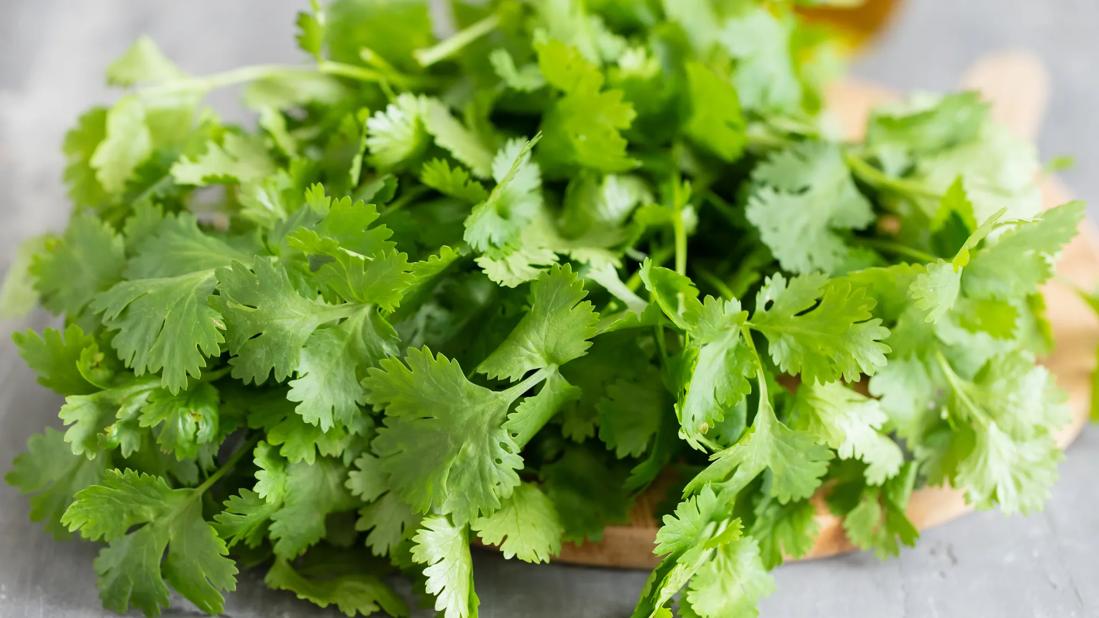
Cilantro is the leafy green herb that can make a taco taste brighter, a bowl of pho feel fresher, and a salsa suddenly act like it has its own public relations team. It is also the herb that divides dinner tables into two passionate camps: people who pile it on by the handful, and people who swear it tastes like soap. Either way, cilantro has earned its place in kitchens across the United States and around the world.
Beyond its bold, citrusy flavor, cilantro offers a surprisingly interesting nutrition profile. It is low in calories, rich in plant compounds, and provides small but useful amounts of vitamins and minerals. Most people do not eat cilantro by the cereal bowl, so it should not be treated like a miracle food. Still, as part of a balanced diet, this humble herb can support better eating habits and may offer several health benefits.
In this guide, we will look at cilantro nutrition, four potential health benefits, safety tips, practical ways to use it, and real-life experiences that show why this little green garnish deserves more respect than “the stuff on top.”
What Is Cilantro?
Cilantro comes from the Coriandrum sativum plant. In American English, the fresh leaves and stems are usually called cilantro, while the dried seeds are called coriander. In many other countries, the entire plant may be called coriander, which explains why recipes sometimes sound like they are playing botanical hide-and-seek.
Cilantro belongs to the same plant family as carrots, celery, parsley, and fennel. The leaves are delicate, aromatic, and often used raw or added near the end of cooking. Coriander seeds, by contrast, have a warmer, nuttier flavor and are commonly used in spice blends, curries, soups, pickles, and baked goods.
For this article, “cilantro” refers mainly to the fresh leaves and tender stems. Those stems are not kitchen trash, by the way. They are flavorful, crisp, and excellent in sauces, marinades, soups, and chopped salads.
Cilantro Nutrition: What Is Inside Those Green Leaves?
Cilantro is extremely low in calories. A small serving, such as a quarter cup of fresh leaves, contains fewer than a few calories, along with tiny amounts of carbohydrates, fiber, protein, and natural sugars. That may sound unimpressive until you remember that cilantro is usually used as a flavor booster, not a main dish. Nobody is replacing dinner with a bouquet of cilantro unless something has gone terribly wrong at meal planning headquarters.
Fresh cilantro provides several nutrients, including vitamin K, vitamin A, vitamin C, folate, potassium, manganese, and small amounts of other minerals. Vitamin K is especially important because it plays a role in normal blood clotting and bone metabolism. Vitamin A supports vision and immune function, while vitamin C contributes to immune health, collagen formation, and antioxidant protection.
Cilantro also contains plant compounds such as flavonoids, carotenoids, phenolic compounds, and other antioxidants. These compounds help explain why researchers have studied cilantro and coriander for possible effects on inflammation, blood sugar regulation, microbial activity, and oxidative stress.
Cilantro Nutrition Snapshot
- Calories: Very low, making it an easy flavor upgrade for meals.
- Vitamin K: Supports normal blood clotting and bone health.
- Vitamin A and carotenoids: Help support vision, immunity, and antioxidant activity.
- Vitamin C: Supports immune function and collagen production.
- Potassium: Helps maintain normal fluid balance and muscle function.
- Antioxidants: Includes flavonoids and carotenoids that may help protect cells from oxidative stress.
4 Health Benefits of Cilantro
Cilantro is not a cure-all, and it should not be used as a replacement for medical treatment. However, research and nutrition data suggest that cilantro may support health in several meaningful ways. The strongest everyday benefit may be simple: it makes nutritious food taste better, which can help people eat more vegetables, beans, whole grains, fish, and lean proteins without relying heavily on salt, sugar, or heavy sauces.
1. Cilantro May Help Support Blood Sugar Balance
One of the most discussed cilantro health benefits is its possible role in blood sugar regulation. Laboratory and animal studies suggest that compounds in coriander and cilantro may influence enzymes involved in carbohydrate metabolism, insulin activity, and oxidative stress. Some research has explored coriander extracts for potential antidiabetic effects, though human evidence is still limited.
In practical terms, this does not mean that sprinkling cilantro on nachos turns them into a diabetes-friendly superfood. The nachos are still nachos, bless them. But cilantro can be part of meals that support steadier blood sugar when paired with fiber-rich foods, lean proteins, healthy fats, and controlled portions of carbohydrates.
For example, a black bean bowl with brown rice, grilled chicken, avocado, tomato, lime, and a handful of cilantro offers fiber, protein, and flavor. The cilantro does not do all the heavy lifting, but it helps make the meal fresh and satisfying without needing a mountain of salty dressing.
People who take medication for diabetes or who often experience low blood sugar should not use concentrated cilantro or coriander supplements without professional guidance. Food amounts are generally safe for most people, but supplements can be more potent and less predictable.
2. Cilantro Provides Antioxidants That May Help Fight Inflammation
Antioxidants help protect cells from damage caused by free radicals, unstable molecules produced during normal metabolism and increased by factors such as pollution, smoking, chronic stress, and poor diet. Cilantro contains antioxidant compounds, including flavonoids, carotenoids, and phenolic compounds.
These plant compounds may help reduce oxidative stress, which is linked to inflammation and many long-term health concerns. Research on coriander and cilantro has explored antioxidant and anti-inflammatory activity, although much of the evidence comes from laboratory and animal studies rather than large human trials.
Still, from a dietary standpoint, cilantro makes sense. Herbs and spices are among the easiest ways to increase the variety of plant compounds in your meals. A plate with beans, peppers, onions, tomatoes, avocado, lime, and cilantro is not just colorful; it is a little plant-powered festival. Your fork may not need a passport, but your taste buds might start packing.
Cilantro can also help reduce reliance on salt. When food tastes bright and aromatic, people may be less tempted to add extra sodium. That matters because many Americans consume more sodium than recommended. Using cilantro with lemon, lime, garlic, vinegar, chili, and spices can make lower-sodium meals taste lively instead of “hospital cafeteria on a rainy Tuesday.”
3. Cilantro May Support Food Safety Research, But It Still Must Be Washed
Cilantro contains a natural compound called dodecenal that has been studied for antimicrobial activity, including activity against certain foodborne bacteria in lab settings. This has led to interest in cilantro as a plant with possible food safety benefits.
However, this benefit needs a big, leafy asterisk. Eating cilantro is not a magic shield against food poisoning. Laboratory findings do not mean a garnish can neutralize contaminated food on your plate. In fact, fresh cilantro itself can carry food safety risks when contaminated during growing, harvesting, transportation, or preparation.
Because cilantro is often eaten raw, safe handling is important. Wash fresh cilantro thoroughly under running water before using it. Remove wilted or slimy leaves, dry it with a clean towel or salad spinner, and keep it refrigerated. Do not wash produce with soap, detergent, bleach, or household cleaners. Produce can absorb residues, and nobody ordered “cilantro with notes of dish soap.”
Also keep cilantro away from raw meat, poultry, seafood, and their juices. Use clean cutting boards and utensils. If cilantro is prewashed and labeled ready to eat, follow package directions, but still store it properly in the refrigerator.
4. Cilantro May Support Heart-Friendly Eating Habits
Cilantro may support heart health in a few indirect and possible direct ways. First, it adds flavor without sodium, saturated fat, or added sugar. This makes it useful in heart-conscious cooking. Second, cilantro contains antioxidants and small amounts of potassium, both of which fit into a heart-friendly eating pattern. Third, emerging research has explored coriander and cilantro compounds for potential effects on cholesterol, blood pressure, and inflammation.
It is important to stay realistic. A few tablespoons of cilantro will not replace exercise, sleep, blood pressure management, or a balanced diet. But cilantro can help transform heart-smart foods into meals people actually want to eat. Lentil soup with cilantro-lime topping? Great. Grilled salmon with cilantro yogurt sauce? Excellent. Roasted sweet potatoes with cilantro, lime, and chili? Suddenly your side dish has main-character energy.
For people trying to lower sodium, cilantro is especially helpful. A mix of cilantro, lime juice, garlic, jalapeño, and olive oil can become a quick sauce for fish, chicken, beans, roasted vegetables, or grain bowls. The result tastes bold without depending on excess salt.
Cilantro vs. Coriander: Are They the Same?
Yes and no. Cilantro and coriander come from the same plant, but in the United States they usually refer to different parts. Cilantro means the leaves and stems. Coriander means the seeds. Nutritionally, they are not identical.
Cilantro leaves are higher in water and provide more vitamins such as vitamin K, vitamin A, and vitamin C. Coriander seeds are denser and contain more fiber, minerals, and essential oils, including linalool. Both are useful in cooking, but they taste very different. Cilantro is bright, grassy, and citrusy. Coriander seed is warm, earthy, slightly sweet, and nutty.
If you dislike cilantro, coriander seed may still be enjoyable. Many people who think cilantro tastes like soap can happily eat foods seasoned with coriander seed. This is one of nature’s small peace treaties.
Why Does Cilantro Taste Like Soap to Some People?
Some people experience cilantro as fresh and citrusy. Others taste soap, metal, or something that suggests the herb has personally insulted them. This reaction is linked partly to genetics. Certain people are more sensitive to aldehydes, aromatic compounds found in cilantro that are also used in some soaps and cleaning products.
If cilantro tastes unpleasant to you, there is no moral failure involved. You are not “bad at herbs.” You may simply be wired to taste it differently. Try parsley, basil, mint, dill, chives, or green onions instead. You can still eat flavorful, nutrient-rich meals without forcing yourself through a garnish-based character test.
How to Use Cilantro in Everyday Meals
Cilantro is best known in salsa, tacos, guacamole, curries, chutneys, and noodle soups, but its range is wider than many people realize. The key is to add it at the right time. Because cilantro leaves are delicate, they taste freshest when added near the end of cooking or used raw.
Easy Ways to Add Cilantro
- Stir chopped cilantro into salsa, pico de gallo, or guacamole.
- Add it to rice with lime juice and a little olive oil.
- Blend it into yogurt sauce for grilled chicken or fish.
- Sprinkle it over chili, lentil soup, or black bean soup.
- Use it in Thai-inspired salads, noodle bowls, and curries.
- Mix it into slaws with cabbage, carrots, lime, and jalapeño.
- Blend it with garlic, lime, olive oil, and pumpkin seeds for a quick green sauce.
The stems deserve attention, too. Cilantro stems have concentrated flavor and a pleasant crunch. Chop them finely for sauces, marinades, stir-fries, and soups. If the stems are tough near the bottom, trim those parts and use the tender upper stems.
How to Store Cilantro So It Does Not Become Green Soup in the Fridge
Cilantro has a dramatic personality in the refrigerator. One day it looks perky and fragrant; the next day it collapses into a sad herbal memory. Proper storage can help.
For bunch cilantro, trim the ends and place the stems in a jar with a small amount of water, like a bouquet. Cover the leaves loosely with a plastic bag and refrigerate. Change the water every couple of days. Another method is to wrap dry cilantro in a paper towel and store it in a breathable bag or container.
Wash cilantro shortly before using it, or wash and dry it extremely well before storage. Excess moisture speeds spoilage. If you have too much cilantro, freeze it in ice cube trays with water or olive oil for soups, sauces, and cooked dishes. Frozen cilantro will not look pretty as a garnish, but it still brings flavor.
Who Should Be Careful With Cilantro?
Fresh cilantro in food amounts is generally safe for most people. However, some people should be cautious. Allergic reactions are possible, especially in people sensitive to related plants. Symptoms may include itching, swelling, rash, digestive upset, or breathing problems. Severe symptoms require urgent medical care.
People taking blood-thinning medication such as warfarin should keep vitamin K intake consistent and discuss major dietary changes with a healthcare professional. Cilantro is not usually eaten in huge quantities, but large, sudden changes in vitamin K-rich foods may matter for some people.
People taking diabetes medications should also be cautious with concentrated coriander or cilantro supplements because of possible blood sugar effects. Food use is different from supplement use. A spoonful of chopped cilantro on soup is not the same as taking capsules or extracts.
Experience Section: Real-Life Lessons From Cooking With Cilantro
My first serious appreciation for cilantro came from a very ordinary bowl of rice. It was not fancy rice. It was not “chef-driven,” “farm-to-table,” or served on a plate that looked like modern art. It was plain rice with lime juice, a pinch of salt, chopped cilantro, and a drizzle of olive oil. Somehow, that small handful of herbs made the whole bowl taste awake. That is the magic of cilantro: it can take a meal from “technically edible” to “wait, who made this?”
One of the best things about cilantro is how it helps home cooks build flavor quickly. Many healthy meals fail not because they are unhealthy, but because they are boring. A bowl of beans can taste flat. Grilled chicken can taste responsible in the least exciting way. Steamed vegetables can feel like a punishment from a strict gym teacher. Add cilantro, lime, garlic, chili, and a little healthy fat, and suddenly the meal has rhythm.
Cilantro also teaches a useful nutrition lesson: small ingredients matter. People often think healthy eating requires dramatic changes, expensive powders, or a refrigerator full of items with names that sound like spa treatments. But sometimes the better move is simpler. Add herbs. Add acid. Add crunch. Add color. Cilantro gives freshness without many calories, and it can help reduce the need for heavy sauces or too much salt.
In meal prep, cilantro works especially well when it is treated as a finishing ingredient. For example, if you prepare grilled shrimp, roasted vegetables, and quinoa on Sunday, keep chopped cilantro separate until serving. Add it at the last minute with lime juice. The meal tastes fresher, and the cilantro keeps its bright flavor instead of wilting into the background like an extra in a movie scene.
Another experience many cooks share is the “cilantro rescue.” This happens when a dish tastes almost right but not quite alive. Maybe the soup is rich but heavy. Maybe the tacos are good but missing sparkle. Maybe the lentils taste nutritious, which is sometimes a polite way of saying “deeply beige.” A handful of cilantro can rescue the dish by adding contrast. It cuts through richness, balances spice, and brings a clean finish.
Of course, cilantro is not universally loved. Cooking for a group means respecting the soap-taste crowd. A smart strategy is to serve cilantro on the side. That way cilantro fans can build a leafy green mountain, while cilantro avoiders can choose parsley, scallions, or lime instead. Peace at the dinner table is a health benefit, too, even if it does not show up in nutrition databases.
My favorite cilantro habit is making a quick “green everything sauce.” Blend cilantro, lime juice, garlic, olive oil, a spoonful of Greek yogurt or avocado, and a pinch of salt. Use it on eggs, fish, roasted potatoes, rice bowls, sandwiches, or grilled vegetables. It tastes like effort, even when it took less than five minutes. That is the kind of kitchen trick worth keeping.
The biggest lesson from using cilantro regularly is that healthy food does not need to whisper. It can be bright, loud, tangy, spicy, and fun. Cilantro proves that nutrition is not only about numbers on a label. It is also about making good foods so enjoyable that you actually want to eat them again tomorrow.
Conclusion
Cilantro is more than a garnish. It is a low-calorie herb with vitamins, minerals, antioxidants, and bold flavor. Its potential health benefits include supporting blood sugar balance, adding antioxidant protection, contributing to food safety research through antimicrobial compounds, and helping create heart-friendly meals with less reliance on sodium-heavy seasonings.
The key is perspective. Cilantro will not single-handedly transform your health, but it can make nutritious meals more appealing. That matters. A food that helps you enjoy vegetables, beans, fish, soups, salads, and whole grains is doing useful work. Whether you love it in salsa, blend it into sauce, or sprinkle it over soup like edible confetti, cilantro deserves a regular spot in the kitchen.
If cilantro tastes like soap to you, do not worry. Parsley, basil, mint, and chives are waiting politely in the herb aisle. But if you enjoy cilantro, use it generously, wash it safely, store it properly, and let it bring fresh flavor to everyday meals.












