
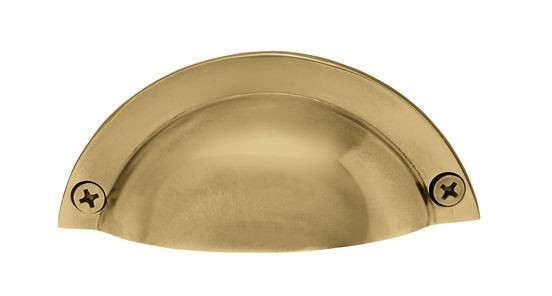
Some home upgrades shout. Others politely clear their throat, straighten their little brass collar, and make the whole room look more expensive. The Classic Cup or Bin Pull, Antique Brass belongs to the second group. It is small, practical, and almost suspiciously good at making ordinary drawers look like they were rescued from a charming historic home, a carefully curated farmhouse kitchen, or a boutique hotel where even the spoons have opinions.
At its core, a cup pullalso called a bin pullis a curved, half-moon cabinet handle designed for drawers, furniture, built-ins, and utility spaces. The antique brass finish gives it warmth and character without the flashy “look at me, I just discovered gold” energy of bright polished brass. It feels aged, familiar, and quietly confident. In other words, it is the cabinet hardware version of a well-worn leather notebook.
This article explores what makes the antique brass cup pull so useful, where it works best, how to choose the right size, how to install it correctly, and why this humble piece of hardware continues to appear in traditional, farmhouse, transitional, and even modern interiors. Spoiler: it is not just nostalgia. It is good design with a comfortable grip.
What Is a Classic Cup or Bin Pull?
A classic cup or bin pull is a drawer pull with a recessed curved shape. Instead of grabbing a bar handle from the front, you slide your fingers underneath the cup and pull. That under-grip motion is one reason cup pulls feel so natural on drawers, especially in kitchens, pantries, mudrooms, laundry rooms, and vintage-style furniture pieces.
The terms cup pull and bin pull are often used interchangeably. Historically, bin pulls were common on storage bins, apothecary drawers, library cabinets, office furniture, and utility drawers. Over time, that practical shape migrated into kitchens and bathrooms, where it became a favorite for people who wanted hardware that looked classic but still worked hard every day.
The Signature Half-Moon Shape
The half-moon silhouette is the big visual clue. A classic cup pull usually has a rounded front, a slightly raised lip, and a smooth inner grip. Some designs are plain and minimal, while others feature scrollwork, egg-and-dart trim, shell ribbing, hammered texture, or decorative backplates. The simpler versions are the most versatile because they can move between design styles without needing a dramatic costume change.
Why Antique Brass Works So Well
Antique brass is warm, muted, and slightly aged in appearance. It often has deeper tones in the recesses and softer highlights along the edges. This gives the finish more depth than bright brass and more warmth than chrome or stainless steel. It can pair beautifully with cream cabinets, navy lowers, forest green islands, walnut drawers, oak vanities, black built-ins, and painted furniture.
The finish is especially useful when a space needs a traditional touch without becoming overly formal. Antique brass says, “I enjoy historic character,” not “Please rope off this kitchen like a museum exhibit.”
Why Choose Antique Brass Cup Pulls?
Cabinet hardware may be small, but it has an outsized effect on how a room feels. A plain drawer front can become refined with the right pull. A new kitchen can gain warmth. An old dresser can look intentional again instead of simply “found in the garage and emotionally complicated.”
1. They Add Instant Character
Classic antique brass bin pulls bring a sense of history. They look at home in Craftsman bungalows, Victorian-inspired spaces, cottage kitchens, farmhouse pantries, and traditional bathrooms. Yet they are not limited to old houses. In newer homes, they can soften sharp cabinet lines and add a lived-in layer that prevents a room from feeling too sterile.
2. They Are Comfortable on Drawers
The recessed cup shape creates a natural grip. This makes cup pulls practical for frequently used drawers such as utensil drawers, dish towel drawers, junk drawers, desk drawers, and bathroom vanity drawers. The smooth rolled edge found on many classic designs helps the pull feel comfortable under the fingers.
3. They Pair Well With Other Hardware
One of the best ways to use cup pulls is to combine them with knobs. For example, use antique brass cup pulls on drawers and matching antique brass knobs on cabinet doors. This gives the room variety while keeping the finish consistent. The result looks collected and designed, not like the hardware aisle sneezed onto your cabinetry.
4. They Age Gracefully
Antique brass already has a softened, aged quality, so minor changes over time feel natural. Depending on whether the finish is lacquered, plated, or unlacquered, it may resist patina or develop more variation with use. That aging can be part of the charm, especially in spaces where character is welcome.
Best Places to Use a Classic Cup or Bin Pull
The Classic Cup or Bin Pull, Antique Brass is most commonly used on drawers, but its usefulness does not stop at the kitchen. Think of it as a small design tool with surprising range.
Kitchen Drawers
This is the natural habitat. Antique brass cup pulls look especially good on Shaker drawer fronts, inset cabinetry, beadboard accents, painted cabinets, and wood drawers. They are great for lower drawers because the under-grip position feels intuitive when you are standing above them.
Bathroom Vanities
On a vanity, antique brass cup pulls add warmth without overwhelming the space. They pair nicely with marble, quartz, warm white paint, green cabinetry, dark wood, and vintage-style mirrors. If your bathroom currently looks like it was designed by a very practical spreadsheet, antique brass hardware can help.
Pantries and Utility Rooms
Bin pulls have a natural connection to storage. Use them on pantry drawers, built-in cubbies, laundry room cabinets, or mudroom storage. Their slightly utilitarian heritage makes them feel right at home in spaces that need function first and beauty close behind.
Furniture Restoration
Antique brass cup pulls are excellent for dressers, nightstands, writing desks, card catalogs, sideboards, and worktables. They can help a refinished piece look period-appropriate without requiring rare original hardware. Just be sure to measure the existing hole spacing before ordering replacements.
Size, Center-to-Center Measurement, and Proportion
When shopping for cabinet pulls, one measurement matters more than almost anything else: center-to-center. This is the distance between the centers of the two screw holes. Common cup pulls often come in measurements around 2 1/2 inches, 3 inches, 3 3/8 inches, 3 1/2 inches, and 4 inches, depending on the design.
A classic antique brass cup or bin pull with a 3-inch center-to-center measurement is especially common because it works well on many standard drawers and replacement projects. Some solid brass versions measure approximately 3 1/2 inches wide by 1 1/2 inches high, with a projection of about 3/4 inch. That makes them substantial enough to grip but not so large that they boss the cabinet around.
The One-Third Rule
For drawer pulls, designers often use the one-third rule: choose a pull that is roughly one-third the width of the drawer front. This is not a law enforced by the Cabinet Police, but it is a helpful guideline. A very small pull on a wide drawer can look lost, while an oversized pull on a narrow drawer can look like it is training for a weightlifting competition.
When to Use Two Cup Pulls
For very wide drawers, especially drawers over 24 inches wide or drawers that hold heavy items, two pulls may look and function better than one. Place them evenly, visually dividing the drawer into thirds. This approach works well on large kitchen drawers, linen drawers, and wide built-ins.
How to Place Antique Brass Cup Pulls Correctly
Placement can make or break the final look. Even beautiful hardware looks awkward if it is installed crooked, too low, too high, or in a place where fingers cannot comfortably reach. Cup pulls are usually installed horizontally on drawers, with the opening facing downward so your fingers can slip underneath.
On Standard Drawers
For many drawers, center the cup pull horizontally. Vertically, cup pulls are often placed in the upper third of the drawer front, especially on Shaker drawers where the top rail provides a natural mounting location. This position makes the pull easier to use because your fingers can reach under the cup without bending awkwardly.
On Slab Drawers
On flat slab drawers, you have more freedom. A centered vertical placement creates symmetry, while upper-third placement can feel more ergonomic and traditional for cup pulls. The best choice depends on the drawer height, cabinet style, and how the hardware looks across the entire room.
Use a Template, Not Hope
A cabinet hardware jig or template is strongly recommended. Measuring each pull by hand may sound noble, but after the seventh drawer, your tape measure may start making creative decisions. A template keeps the spacing consistent and helps avoid expensive mistakes.
Before drilling, use painter’s tape to mark the position. Step back. Open the drawer. Pretend you are grabbing a spatula in a hurry because pancakes are happening. If the pull feels natural and looks aligned, then drill.
Design Styles That Love Antique Brass Bin Pulls
The beauty of antique brass cup pulls is that they are not trapped in one design category. They can lean vintage, farmhouse, formal, rustic, or transitional depending on what surrounds them.
Traditional Kitchens
In a traditional kitchen, antique brass cup pulls look natural with inset cabinets, raised-panel doors, marble counters, bridge faucets, and warm wood floors. Pair them with matching knobs or latches for a polished, historically inspired look.
Modern Farmhouse
Farmhouse design loves hardware with a practical soul. Cup pulls bring that utility-room charm without becoming too rustic. On white Shaker cabinets, antique brass adds warmth and prevents the room from feeling flat. On green or blue cabinets, it creates a cozy, collected effect.
Transitional Spaces
Transitional interiors mix classic and modern elements. Antique brass cup pulls work well here because the shape is traditional, but the finish can feel current when paired with clean cabinet lines, quartz counters, simple tile, and streamlined lighting.
Vintage Furniture and Built-Ins
For built-in bookcases, mudroom benches, window seats, and refurbished dressers, cup pulls add a furniture-like detail. They make storage look intentional, which is the highest compliment a drawer full of extension cords can receive.
Antique Brass vs. Other Finishes
Choosing a finish is where many homeowners start spiraling into tiny metal samples. Antique brass is popular because it gives warmth without high shine, but it is helpful to compare it with other options.
Antique Brass vs. Polished Brass
Polished brass is bright, reflective, and dressy. Antique brass is softer and more aged. If polished brass is the fancy dinner jacket, antique brass is the perfectly tailored tweed blazer.
Antique Brass vs. Satin Brass
Satin brass is smoother and more modern, with a brushed or matte look. Antique brass has more depth and variation. Satin brass works beautifully in contemporary spaces; antique brass feels more vintage and layered.
Antique Brass vs. Oil-Rubbed Bronze
Oil-rubbed bronze is darker, often nearly black or deep brown with warm undertones. Antique brass is lighter and more golden. If your cabinets are dark, antique brass may provide better contrast. If your space is very light and you want a moodier look, oil-rubbed bronze may be worth considering.
Antique Brass vs. Chrome or Nickel
Chrome and nickel feel cooler and sleeker. Antique brass feels warmer and more traditional. You do not have to match every metal in a room, but finishes should feel intentional. Antique brass can mix nicely with stainless appliances, black lighting, or polished nickel plumbing when repeated thoughtfully.
Quality Matters: Solid Brass, Plated Finishes, and Durability
Not all antique brass hardware is created equal. Some pulls are solid brass. Others are zinc alloy, aluminum, steel, or cast metal with an antique brass finish applied to the surface. Budget hardware can still look good, but high-touch drawers benefit from durable materials and reliable finishes.
Solid brass cup pulls are valued because brass is strong, long-lasting, and suitable for detailed casting or forging. A solid brass pull generally feels heavier in the hand and can handle daily use well. If you are upgrading a kitchen, bathroom, or frequently opened furniture piece, better hardware is often worth the extra cost.
Check the Screws
Most cup pulls are sold with mounting screws, but cabinet thickness varies. Standard screws may work for many cabinet doors and drawers, but thick drawer fronts may require longer screws. Always test before installation day becomes a small hardware-themed tragedy.
Look at Projection
Projection is how far the pull extends from the drawer face. Many classic cup pulls project around 3/4 inch to 1 inch. A comfortable projection gives enough finger room without sticking out too far.
Care and Cleaning Tips
Antique brass hardware is fairly easy to care for, but it does not appreciate harsh treatment. Avoid abrasive pads, aggressive chemical cleaners, and mystery sprays from the back of the cleaning cabinet. Use a soft cloth for routine dusting. For light grime, wipe with a damp cloth and dry immediately.
If the pull has a living finish or unlacquered surface, it may darken and develop patina over time. That is not necessarily a defect; it may be the whole point. If the finish is lacquered or plated, polishing compounds can damage the protective layer, so check the manufacturer’s care guidance before getting enthusiastic with brass polish.
Buying Checklist for Classic Cup or Bin Pulls
Before ordering antique brass cup pulls, review the basics. First, measure the center-to-center distance if replacing existing hardware. Second, confirm the overall width and height so the pull fits the drawer face. Third, check projection for comfort. Fourth, order one sample if possible and test it in the actual room. Fifth, buy a few extras for future replacements, because discontinued hardware loves to disappear exactly when you need one more piece.
Also consider the surrounding finishes. Antique brass does not have to match everything perfectly, but it should appear more than once in the room. Repeat it through knobs, hinges, lighting, a faucet accent, a mirror frame, or decorative accessories. Repetition makes mixed finishes look intentional instead of accidental.
Common Mistakes to Avoid
Choosing Hardware That Is Too Small
Tiny pulls on wide drawers can look timid. Use proportion as your guide, especially on large kitchen drawers and built-ins.
Ignoring Grip Comfort
A pull can look beautiful online and feel awkward in real life. Check the inner space, edge smoothness, and projection before buying dozens.
Installing Without a Template
Cabinet hardware alignment is unforgiving. A small error repeated across a wall of drawers becomes very noticeable. Use a jig, measure carefully, and drill once.
Mixing Too Many Styles
Combining knobs and cup pulls is classic. Combining knobs, bar pulls, cup pulls, ring pulls, crystal handles, and mystery hardware from three decades can feel chaotic. Choose a simple hardware plan and let the finish do the talking.
Is the Classic Cup or Bin Pull, Antique Brass Worth It?
Yes, especially if you want hardware that is functional, timeless, and visually warm. The antique brass cup pull offers the charm of vintage cabinetry with the practicality needed for everyday drawers. It is not the trendiest hardware shape in every design forecast, but that may be its strength. Classic hardware does not need to chase attention. It simply keeps working and looking good.
For kitchens, bathrooms, pantries, laundry rooms, and furniture projects, this pull is a smart choice when you want detail without clutter. It pairs well with traditional cabinets, modern farmhouse designs, transitional spaces, and restored furniture. It also offers a pleasing balance of old-world personality and daily usefulness.
Real-Life Experience: Living With Antique Brass Cup Pulls
After using classic antique brass cup pulls in real home projects, one thing becomes obvious: they change how a drawer feels, not just how it looks. A simple bar pull can be perfectly fine, but a cup pull has a more deliberate motion. You curl your fingers underneath, pull from the recessed grip, and the drawer opens with a satisfying sense of purpose. It is a small detail, but kitchens are built from small details repeated many times a day.
In a white Shaker kitchen, antique brass cup pulls can soften the brightness. White cabinets sometimes risk looking too crisp, almost clinical, especially under cool lighting. Antique brass brings warmth and shadow. It adds contrast without the heaviness of black hardware. On lower drawers, the cup shape looks grounded and classic. When paired with simple round knobs on upper cabinet doors, the whole kitchen feels balanced.
On darker cabinets, such as navy, charcoal, or deep green, antique brass becomes more dramatic. The warm metal stands out against the cabinet color, but because the finish is aged rather than shiny, the contrast feels rich instead of flashy. This is especially effective on an island. A row of antique brass bin pulls across island drawers can make the piece feel more like furniture than standard cabinetry.
There are practical lessons, too. Cup pulls are wonderful on drawers, but they are not always the best choice for cabinet doors. Because they are designed for an underhand grip, they can feel awkward when mounted vertically or used in places where a standard pull would be easier. For doors, knobs or regular pulls often make more sense. The best hardware layouts usually use cup pulls selectively: drawers get cup pulls, doors get knobs, and the room gets visual harmony.
Cleaning is another real-world point. The inside of a cup pull can collect dust, flour, or the mysterious kitchen crumbs that appear even when nobody admits to toast. A quick wipe with a soft cloth solves the problem, but it is worth knowing. Highly detailed cup pulls with grooves or ornate patterns may need more frequent cleaning than plain smooth designs. If low maintenance is the goal, choose a simple classic profile.
Installation experience also matters. Antique brass cup pulls are less forgiving than knobs because two screw holes must align perfectly. On replacement projects, the first question should always be: what is the existing center-to-center measurement? If the old holes are 3 inches apart, choose a pull with the same spacing unless you are prepared to fill, sand, paint, or refinish. On new cabinets, use a hardware jig. Guessing by eye may feel brave, but bravery is not a measuring system.
One of the most satisfying uses is furniture restoration. A tired dresser can look completely different with antique brass bin pulls. The finish works especially well on stained wood, milk-painted furniture, and vintage desks. It gives the piece a sense of age even if the restoration is fresh. However, scale matters. A dainty nightstand may need a smaller pull, while a wide dresser drawer may need a larger cup pull or two evenly spaced pulls.
Over time, antique brass tends to be easy to live with because it does not demand perfection. Fingerprints are less obvious than on polished metal. Small changes in tone often blend into the aged finish. It works with warm bulbs, natural wood, stone countertops, and imperfect everyday life. That last part is important. Homes are not showrooms. Drawers get opened with wet hands, floury hands, and “where are the scissors?” hands. Good hardware should handle that gracefully.
The final experience-based takeaway is simple: antique brass cup pulls are best when chosen for both beauty and use. They should feel comfortable, fit the drawer, match the project’s scale, and support the room’s style. When all of those pieces line up, this small hardware choice can make cabinets feel finished in a way that paint alone cannot. It is proof that sometimes the tiniest upgrade has the biggest manners.
Conclusion
The Classic Cup or Bin Pull, Antique Brass is a small detail with serious design value. Its half-moon shape is practical, its antique brass finish is warm and timeless, and its vintage character works across kitchens, bathrooms, built-ins, and furniture projects. Whether you are restoring an old dresser or giving new cabinets a more established look, this hardware offers a dependable blend of comfort, durability, and charm.
Choose the correct center-to-center size, test the placement, use a template, and consider pairing cup pulls with knobs for a layered design. Do that, and your drawers will not merely open. They will open with style, dignity, and maybe just a tiny bit of brass-powered confidence.











