
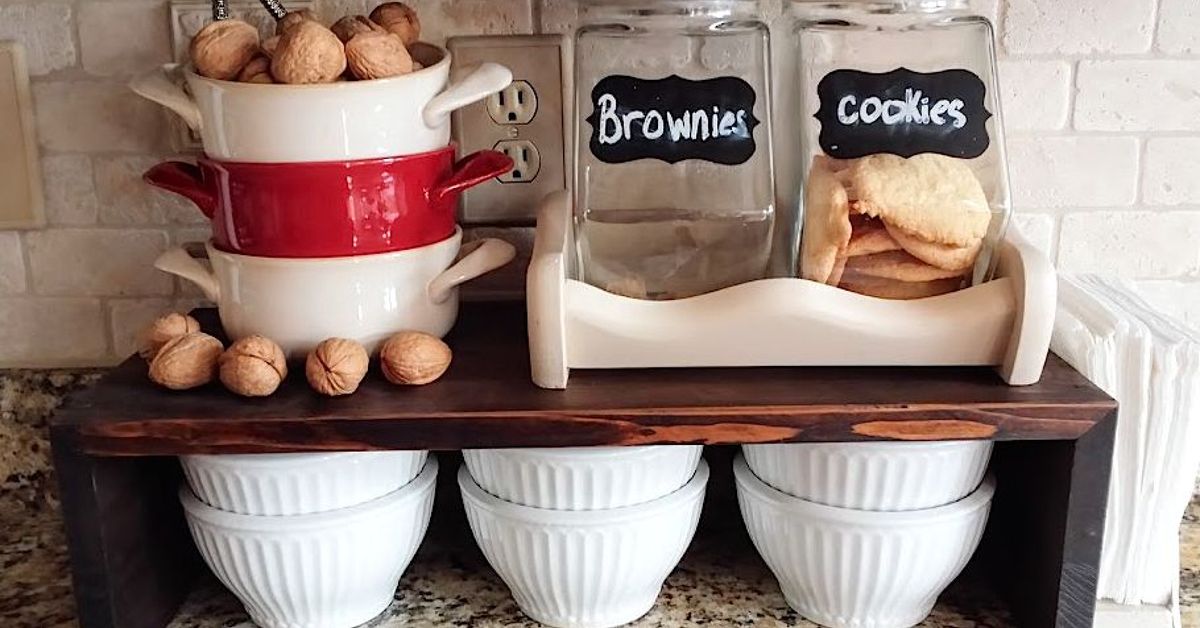
A clever space saver kitchen storage shelf is the quiet little hero of a busy kitchen. It does not demand applause. It does not need a dramatic renovation budget. It simply steps into the chaos, looks at the leaning spice jars, the avalanche-prone mugs, the wandering cutting boards, and says, “Everyone, please form a line.”
Whether you live in a studio apartment, a compact townhouse, a rental with mysterious cabinet decisions, or a family home where every snack has somehow multiplied overnight, the right kitchen storage shelf can change how your kitchen works. It can free your countertop, make pantry staples easier to see, keep everyday tools within reach, and help your cabinets stop acting like tiny haunted houses.
The best part? Space-saving kitchen shelves are not just about squeezing in more stuff. They are about creating a smarter layout. A good shelf turns vertical wall space into storage, adds tiers inside cabinets, makes awkward corners useful, and helps you organize by how you actually cooknot by how a showroom kitchen pretends people cook.
What Is a Clever Space Saver Kitchen Storage Shelf?
A clever space saver kitchen storage shelf is any shelf designed to maximize storage without taking up unnecessary floor or counter space. It may be a wall-mounted shelf, a freestanding rack, an over-the-sink shelf, a cabinet shelf riser, an under-shelf basket, a pull-out pantry shelf, or a narrow cart-style unit that slips into a tight gap.
In simple terms, it gives your kitchen an extra layer of usable space. Instead of stacking bowls like a suspense movie, you can separate them. Instead of letting spices disappear behind a bottle of olive oil, you can raise them on a tiered shelf. Instead of letting your coffee station sprawl across the counter, you can give mugs, pods, filters, and sweeteners a designated home.
Why Kitchen Storage Shelves Matter More Than Ever
Modern kitchens have a funny problem: we own more tools than ever, but many kitchens are not getting magically bigger. Air fryers, blenders, meal-prep containers, reusable bottles, specialty coffee gear, baking supplies, lunch boxes, and pantry backups all need a place to live. When they do not have one, the countertop becomes a parking lot.
A space saver kitchen shelf helps solve three common problems at once: limited surface area, poor visibility, and wasted vertical space. Many kitchens have unused wall sections, empty cabinet height, blank pantry doors, and awkward corners. Shelving turns those overlooked spots into hardworking storage zones.
Types of Space Saver Kitchen Storage Shelves
1. Wall-Mounted Kitchen Shelves
Wall-mounted shelves are ideal for small kitchens because they use vertical space instead of stealing counter or floor area. They work well for everyday dishes, coffee mugs, spices, glass jars, cookbooks, or attractive pantry staples. If your cabinets are full but your wall is blank, that wall is basically volunteering for duty.
For best results, keep wall shelves focused. A shelf for mugs and coffee supplies feels intentional. A shelf holding mugs, cereal, batteries, mystery cords, and one lonely birthday candle feels like the kitchen gave up.
2. Cabinet Shelf Risers
Cabinet shelf risers are small platforms that create a second level inside your cabinet. They are excellent for plates, bowls, mugs, canned goods, spices, and pantry jars. Instead of stacking everything into one unstable tower, you divide the cabinet into usable layers.
This is one of the easiest upgrades for renters because most shelf risers require no drilling. Place one inside a cabinet, arrange items by height, and enjoy the rare adult joy of opening a cabinet without flinching.
3. Over-the-Sink Shelves
An over-the-sink kitchen shelf uses the space above the faucet or sink area. It can hold dish soap, sponges, small plants, hand soap, scrub brushes, or frequently used cleaning tools. In tiny kitchens, this is valuable real estate because the sink zone often becomes cluttered quickly.
Choose a shelf made from moisture-resistant materials such as stainless steel, coated metal, bamboo, or sealed wood. Since this area gets splashed, durability matters.
4. Under-Shelf Baskets
Under-shelf baskets slide onto an existing shelf and hang underneath it, creating extra storage without tools. They are perfect for food wraps, napkins, lightweight containers, dish towels, or snack packets. Think of them as the kitchen equivalent of discovering a secret drawer.
5. Pull-Out Storage Shelves
Pull-out shelves are excellent for lower cabinets, deep pantries, and hard-to-reach spaces. They let you slide items forward instead of kneeling down and excavating the back of the cabinet like an archaeologist searching for ancient lentils.
Pull-out shelves work especially well for pots, pans, baking sheets, small appliances, cleaning supplies, and pantry goods. They are more expensive than simple shelf risers, but they can dramatically improve accessibility.
6. Corner Storage Shelves
Kitchen corners can be awkward, but corner shelves make them useful. A tiered corner shelf can hold spices, oils, mugs, fruit, or small bowls. Inside corner cabinets, rotating shelves and turntables can help prevent items from vanishing into the dark cabinet wilderness.
7. Slim Rolling Shelves
A slim rolling shelf or narrow storage cart can fit between a refrigerator and wall, beside a pantry, or near a prep area. These shelves are great for spices, sauces, canned goods, snacks, baking supplies, or cleaning products.
The wheels matter. Look for smooth rolling, stable construction, and raised edges to keep items from falling off when the cart moves.
How to Choose the Best Clever Space Saver Kitchen Storage Shelf
Measure Before You Buy
The golden rule of kitchen storage is simple: measure first, celebrate later. Measure the width, depth, and height of the area where the shelf will go. If it is inside a cabinet, check whether the door can still close. If it is near the sink, make sure it does not block the faucet. If it is wall-mounted, confirm that it will not interrupt cabinet doors, outlets, or your ability to cook without bonking your forehead.
Match the Shelf to the Job
Not every shelf should hold every item. Heavy cookware needs sturdy shelves with strong brackets or cabinet-grade support. Lightweight snacks can go in baskets. Spices need visibility. Plates need stability. Small appliances need space, airflow, and easy access if you use them often.
A good space-saving shelf should support your daily habits. If you make coffee every morning, create a coffee shelf. If you bake every weekend, build a baking zone. If your children raid snacks like tiny raccoons in pajamas, use low, accessible shelves with clear bins.
Choose Durable Materials
Common materials include stainless steel, powder-coated metal, bamboo, solid wood, engineered wood, acrylic, and heavy-duty plastic. Metal is strong and easy to clean. Bamboo adds warmth and works well for countertop shelves. Acrylic is useful when you want visibility. Wood can look beautiful but should be sealed if used near moisture.
Prioritize Easy Cleaning
Kitchens collect crumbs, grease, steam, and the occasional unidentified sticky spot. A kitchen storage shelf should be easy to wipe down. Open wire shelves allow airflow but may let small items tip. Solid shelves are stable but may need more frequent cleaning. Removable trays or liners can make maintenance much easier.
Best Places to Use a Space Saver Kitchen Storage Shelf
Above the Counter
Wall shelves above counters are ideal for everyday items that look neat and get used often. Store mugs, small plates, olive oil, salt, pepper, tea, or attractive jars. Keep this zone practical. If you need a ladder to reach your everyday cereal bowl, the shelf is not cleverit is just tall.
Inside Cabinets
Cabinet shelf risers, pull-out shelves, and stackable organizers can double the usefulness of a cabinet. Use them to separate plates from bowls, organize mugs, line up spices, or keep food containers from staging a plastic rebellion.
Inside Pantry Doors
Shallow door-mounted shelves can hold spices, packets, condiments, wraps, or small jars. The trick is clearance. Before installing anything, test whether the door can close with items in place. This one small step prevents the classic “why won’t this close?” home improvement moment.
Beside the Refrigerator
A narrow shelf beside the refrigerator can store oils, sauces, snacks, canned goods, or reusable bags. This is especially helpful in apartments where pantry space is limited.
Near the Stove
A small shelf near the stove can hold frequently used spices, cooking oils, salt, pepper, and utensils. Keep safety in mind: do not place flammable items too close to burners, and avoid overcrowding the cooking zone.
Smart Organization Ideas for Kitchen Storage Shelves
Group Items by Use
Create zones based on real routines. A breakfast shelf might include oatmeal, coffee, tea, honey, mugs, and cereal containers. A cooking shelf might include oils, spices, measuring spoons, and small prep bowls. A baking shelf might include flour, sugar, baking powder, vanilla, and measuring cups.
Use Clear Containers
Clear containers make it easier to see what you have before buying duplicates. Nobody needs four open bags of rice unless they are preparing for a very specific rice-themed event.
Add Labels
Labels are not just for people who own matching spice jars and somehow always know where their scissors are. Labels help everyone in the household put things back where they belong. Use simple labels such as “snacks,” “baking,” “breakfast,” “tea,” “pasta,” and “spices.”
Follow First-In, First-Out
For pantry shelves, place older items toward the front and newer items behind them. This simple habit reduces food waste and helps you avoid discovering expired crackers from a previous chapter of your life.
Use Turntables for Awkward Spots
Turntables, often called lazy Susans, are excellent for oils, sauces, condiments, spices, and pantry corners. They let items rotate forward, which is much better than knocking over three bottles to reach the soy sauce.
Design Tips: Making Storage Shelves Look Good
A storage shelf should work hard, but it can still look good. The secret is visual order. Use matching or coordinated containers when possible. Repeat materials, such as glass jars, woven baskets, wood trays, or metal bins. Leave a little breathing room so the shelf does not look like it is holding its breath.
For open kitchen shelves, mix function with style. Store the items you use most often, then add one or two decorative pieces such as a small plant, framed print, pretty bowl, or cookbook. Keep the color palette simple. Too many colors and labels can make open shelving feel busier than the junk drawer’s emotional support group.
Common Mistakes to Avoid
Overloading the Shelf
Every shelf has a weight limit. Respect it. Heavy cookware, stacks of plates, and glass jars can add up quickly. When in doubt, choose stronger hardware and install wall shelves into studs or use proper anchors.
Buying Before Decluttering
A shelf does not solve clutter by magic. First, remove expired food, duplicate gadgets, chipped mugs, unused appliances, and containers without lids. Then choose storage that fits what remains.
Ignoring Daily Habits
The best kitchen storage shelf is the one you will actually use. Do not store daily coffee mugs on a high shelf or heavy pans on a flimsy rack. Design around your real life, not your fantasy self who alphabetizes lentils on Sundays.
Making Everything Visible
Open shelves are beautiful, but not everything deserves a spotlight. Display attractive, frequently used items and hide the chaotic stuff in bins, baskets, drawers, or closed cabinets.
Budget-Friendly Space Saver Shelf Ideas
You do not need a luxury remodel to create better kitchen storage. Start with affordable fixes: shelf risers for cabinets, adhesive hooks for lightweight tools, under-shelf baskets, slim bins, turntables, stackable pantry containers, and a small freestanding rack.
If you are renting, focus on non-permanent options. Use tension shelves, countertop shelves, rolling carts, freestanding racks, and removable adhesive solutions where appropriate. Always check weight limits and surface compatibility before sticking anything to walls or cabinets.
How to Style a Small Kitchen with Storage Shelves
Small kitchens benefit from storage that feels light rather than bulky. Choose narrow shelves, pale finishes, clear containers, and vertical layouts. Keep the most-used items between waist and eye level. Store occasional-use items higher up. Use lower shelves for heavier objects.
If your kitchen feels visually crowded, reduce packaging. Transfer dry goods into clear containers, use baskets to hide small items, and keep only a few decorative pieces on open shelves. The goal is not perfection. The goal is a kitchen where you can make dinner without moving seven things to reach one spoon.
Real-Life Experiences with Clever Space Saver Kitchen Storage Shelves
One of the most useful lessons from living with a small kitchen is that storage problems are rarely caused by one big issue. Usually, they come from many tiny inconveniences stacked together. The spice jar is behind the flour. The baking sheet is under three pans. The mugs are above the plates, but the coffee is across the room. Nothing is technically impossible to reach, yet everything feels slightly annoying. A clever kitchen storage shelf fixes those small frictions.
For example, a simple two-tier shelf riser inside a cabinet can completely change the morning routine. Instead of stacking mugs in a wobbly pile, the shelf creates two levels: mugs below, coffee supplies above. Add a small basket for filters or tea bags, and suddenly the cabinet behaves like it went to finishing school.
Another practical experience comes from pantry shelves. Deep pantry spaces often look generous, but they can hide food. A narrow tiered shelf for cans makes labels visible. Clear bins for snacks keep loose packets from spreading everywhere. A turntable for sauces prevents the familiar problem of buying a second bottle because the first bottle was hiding behind the peanut butter.
In a rental kitchen, wall drilling may not be an option. That is where freestanding shelves and rolling carts shine. A slim cart beside the refrigerator can hold oils, vinegar, canned tomatoes, pasta, and onions. It can roll out when needed and tuck away when not in use. This type of shelf is especially helpful for people who cook often but do not have a proper pantry.
Over-the-sink shelves are another surprisingly helpful upgrade. In a small kitchen, the sink area can become messy fast: dish soap, sponge, scrub brush, hand soap, and maybe a tiny plant trying its best. A raised shelf keeps these items off the counter and allows the area to dry more easily. It also makes the sink look more intentional, which is impressive for a place that regularly hosts dirty forks.
The most important experience, though, is that shelves work best when they are edited regularly. A shelf can start beautifully organized and slowly become a landing pad for random items. Once a month, take five minutes to reset it. Remove anything that does not belong, wipe the surface, check expiration dates, and return items to their zones. This tiny habit keeps the system useful.
A clever space saver kitchen storage shelf is not about creating a magazine-perfect kitchen. It is about making the room easier to use. When your tools are visible, your ingredients are reachable, and your counters are clear, cooking feels less like a scavenger hunt. The kitchen becomes calmer, faster, and more enjoyable. And yes, opening a cabinet without something falling out absolutely counts as personal growth.
Conclusion
A clever space saver kitchen storage shelf can transform the way your kitchen functions without requiring a full renovation. By using vertical space, cabinet interiors, pantry doors, corners, and narrow gaps, you can create more storage in places you already have. The key is to choose shelves that match your habits, measure carefully, organize by category, and avoid overcrowding.
Whether you add a wall shelf for mugs, a riser for plates, a pull-out shelf for pots, or a slim rolling rack for pantry goods, the result is the same: less clutter, better visibility, and a kitchen that finally feels like it is on your side.
Note: This article is written for web publication in standard American English, using practical kitchen organization principles, real small-space storage strategies, and SEO-friendly structure without source-link clutter.












