
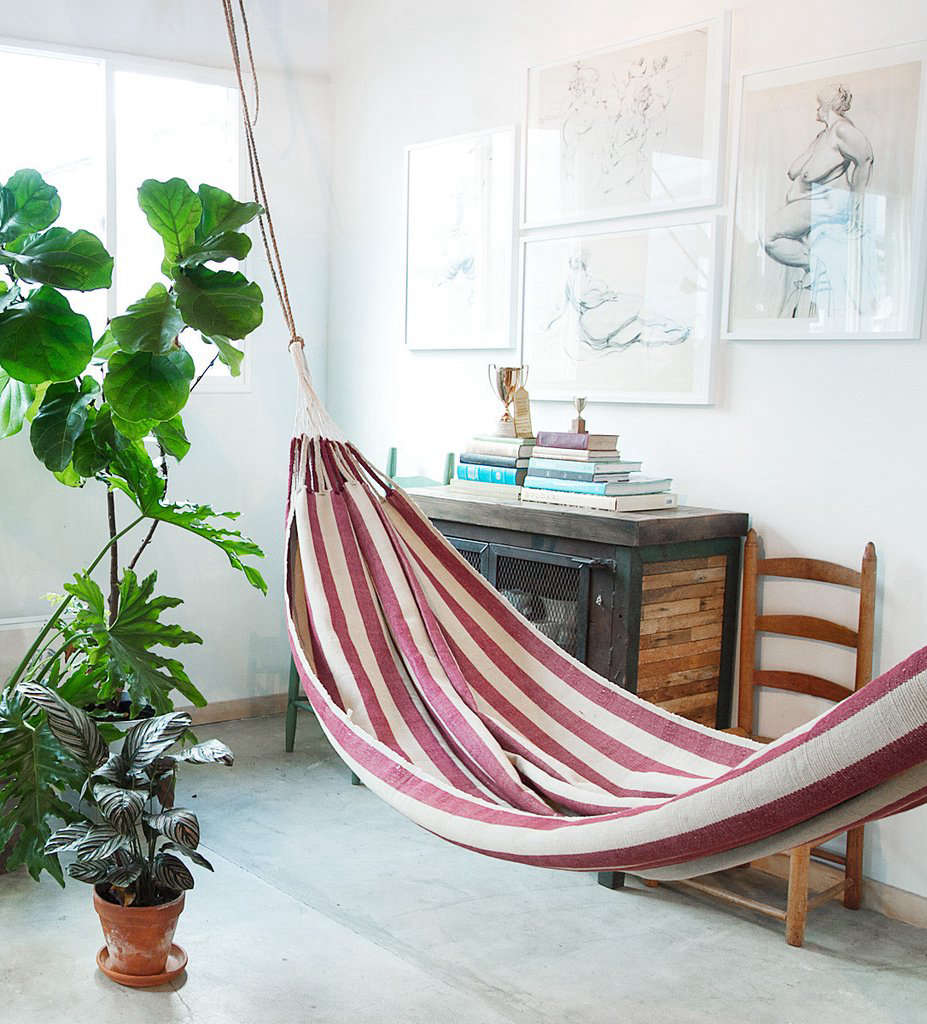
Some trends arrive with a drumroll. Others arrive with a soft sway, a cold drink, and the powerful realization that the best seat in the house is not technically in the house. Welcome to Current Obsessions: Hammock Bound, a love letter to the lazy, breezy, gloriously horizontal lifestyle that turns a backyard, porch, campsite, balcony, or shady corner into a personal vacation headquarters.
The hammock is not new, of course. Humans have understood the appeal of being gently suspended above the ground for centuries. What feels current is the way hammocks have moved beyond camping gear and beach postcards into everyday outdoor living. They are now part relaxation station, part design accent, part micro-retreat, and part polite rebellion against the tyranny of “just one more email.” A hammock says, “I have chosen peace,” while also saying, “Please bring snacks.”
Whether you want a backyard hammock for weekend reading, a camping hammock for overnight adventures, a porch hammock for slow mornings, or a hammock chair for a small patio, this guide explores how to choose one, style it, hang it safely, and build a whole mood around it. Because being hammock bound is not about doing nothing. It is about doing nothing beautifully.
What “Hammock Bound” Means Right Now
Being hammock bound is less about being stuck and more about being deliciously unavailable. It is the outdoor-living version of putting your phone on Do Not Disturb and your brain on airplane mode. The appeal is simple: a hammock creates an instant destination. Two trees, a stand, or a pair of sturdy posts can transform ordinary space into a retreat that feels slightly tropical even if the nearest palm tree is printed on your neighbor’s pool towel.
Today’s hammock obsession fits into a broader movement toward comfort-focused outdoor living. People are treating patios, decks, gardens, and porches like real rooms, not just places where old planters go to feel forgotten. The hammock slides perfectly into that shift. It is softer than a bench, easier to move than a sofa, cheaper than a full outdoor lounge set, and far more dramatic than a folding chair named “Dad’s Emergency Seat.”
It also carries emotional power. A hammock suggests time has slowed down. It invites reading, napping, bird-watching, cloud-ranking, and deep philosophical questions such as, “Could I eat chips in here without tipping over?” The answer is yes, but proceed with the dignity of a raccoon on a balance beam.
Why Hammocks Are Having a Moment
The renewed interest in hammocks comes from a perfect storm of practicality and mood. First, outdoor spaces have become extensions of the home. Even small yards and balconies are being styled with lighting, plants, outdoor rugs, side tables, and cozy textiles. A hammock fits right into that layered look without demanding a construction crew or a second mortgage.
Second, hammocks are wonderfully flexible. A camping hammock can pack down small enough for a backpack. A cotton hammock can become the centerpiece of a shady garden corner. A freestanding hammock works where trees are unavailable. A hammock chair can squeeze into a porch, sunroom, or apartment balcony. In other words, the hammock has range. It is the Meryl Streep of outdoor seating.
Third, hammocks offer a sense of escape. They create a physical pause in the day. Once you climb in, you are no longer simply “outside.” You are in a small suspended country where the national anthem is wind through leaves and the official currency is lemonade.
Choosing the Right Hammock for Your Space
The best hammock is not always the fanciest one. It is the one that fits your body, your space, your climate, and your intended level of laziness. Before buying, think about where you will use it most: backyard, porch, park, campsite, beach, balcony, or all of the above.
Backyard Hammocks
A backyard hammock is usually chosen for comfort and style. Cotton, polyester, quilted fabric, rope, and woven styles are all common. Cotton feels soft and classic, but it needs more care because moisture can encourage mildew. Polyester and weather-resistant fabrics are better for areas that see humidity, rain, or strong sun. Quilted hammocks add cushion and structure, making them ideal for lounging with a book, a tablet, or an iced tea that has every intention of sweating onto your side table.
For a landscaped look, choose a hammock that complements your outdoor palette. A striped hammock brings beach-club energy. A neutral canvas hammock looks calm and modern. A colorful woven hammock adds personality and makes the yard feel like summer learned interior design.
Camping Hammocks
A camping hammock should be lightweight, packable, durable, and compatible with tree-friendly straps. Many camping setups can be expanded with a rain tarp, bug net, underquilt, sleeping pad, or gear sling. This matters because a hammock by itself is excellent for lounging, but overnight hammock camping requires insulation and weather protection. Cool air circulates under your body, so even mild nights can feel chilly without the right setup.
Look for strong stitching, reliable carabiners, clear weight ratings, and enough length for a comfortable diagonal lay. A longer hammock usually creates a flatter, more supportive sleeping position. Very short hammocks may be fine for quick naps but can feel like sleeping inside a banana costume after a full night.
Hammock Chairs
Hammock chairs are excellent for small spaces. They offer the swingy comfort of a hammock without requiring two anchor points. They work well on covered porches, pergolas, strong ceiling beams, or compatible stands. They are especially good for reading because they keep you upright enough to avoid dropping a novel onto your face, which is the literary world’s least elegant plot twist.
Spreader Bar vs. Gathered-End Hammocks
Spreader-bar hammocks have wooden or metal bars that keep the fabric open and flat. They look polished and inviting, especially near pools or patios. However, they can be easier to tip if you enter dramatically, which many of us do by accident. Gathered-end hammocks cocoon around the body and are usually more forgiving, especially for camping or casual lounging.
How to Hang a Hammock Safely
A hammock looks effortless, but safe setup matters. The goal is comfort without tree damage, hardware failure, or a surprise meeting with the ground. Start by choosing two healthy, sturdy anchor points. If using trees, select mature trees with strong trunks. Avoid dead, damaged, thin, or fragile trees. If using posts, they must be installed securely and designed to handle the load.
Use wide tree straps rather than thin rope whenever possible. Wide webbing distributes pressure more evenly and helps protect bark. Avoid nails, screws, or improvised cords on living trees unless local rules specifically allow certain hardware in private settings. In public parks, campgrounds, and protected areas, check regulations first. Some places allow hammocks only with approved straps, while others limit or ban them to protect trees or prevent hazards.
The classic hang angle is about 30 degrees between the suspension strap and the ground. This creates a comfortable sag and reduces excessive tension on the anchors. A hammock pulled guitar-string tight may look neat, but it often feels less comfortable and places more force on the system. The bottom of the hammock should sit low enough for easy entry and exit, often around chair height once occupied. You should be able to sit down slowly, test the load, and get out without performing interpretive dance.
Comfort Secrets: The Diagonal Lay and the Art of the Sag
New hammock users often climb in straight down the middle and wonder why they feel folded like a taco. The trick is to lie slightly diagonally across the fabric. This position opens the hammock, flattens your body angle, and reduces pressure on your shoulders and knees. It may feel counterintuitive at first, but once you find the sweet spot, you will understand why experienced hammock people speak about “the lay” with the seriousness of pastry chefs discussing croissants.
Sag is also your friend. A properly sagging hammock cradles the body without squeezing it. Too tight, and the hammock becomes stiff. Too loose, and you may feel like you have been swallowed by a decorative fruit basket. Adjust strap height and distance until the hammock supports you comfortably and allows a natural recline.
Styling a Hammock Corner That Looks Intentional
A hammock can be purely practical, but styling turns it into a scene. The secret is to build a small outdoor room around it. Start with shade. Trees are ideal, but a pergola, canopy, umbrella, or shade sail can also work. Add a small side table for a drink, book, sunscreen, sunglasses, or the snack you swore you were not bringing outside.
Next, add texture. Outdoor pillows, a lightweight throw, a woven basket, a lantern, or a weather-resistant rug can make the area feel finished. Potted plants help define the space, especially in small yards or patios. Tall grasses, ferns, herbs, hydrangeas, or flowering containers can create privacy and soften the edges.
Lighting is the final flourish. String lights, solar lanterns, low pathway lights, or a rechargeable table lamp can extend hammock time into the evening. Just keep heat sources and open flames at a safe distance. A hammock near a fire pit may look dreamy in photos, but sparks and swinging fabric are not a love story. They are a cautionary tale with toasted eyebrows.
Best Places to Put a Hammock
The classic spot is between two trees, but that is only one option. A hammock can hang under a pergola, between sturdy porch posts, on a dedicated stand, in a screened-in porch, beside a garden path, near a pool, or inside a sunroom. The best location depends on shade, privacy, airflow, safety, and convenience.
For reading, choose a quiet corner with dappled shade and a side table. For napping, look for a breezy area away from heavy foot traffic. For entertaining, place the hammock near outdoor seating so it feels connected, not exiled. For small spaces, consider a hammock chair, compact stand, or foldable hammock that can be stored when not in use.
If your yard has no trees, do not despair. Hammock stands are the great equalizer. They allow renters, balcony owners, and treeless-yard citizens to join the hammock lifestyle without planting two oaks and waiting twenty years.
Hammock Camping: When Your Bed Has a View
Hammock camping can be magical. You sleep above roots, rocks, mud, and uneven ground. You can set up on slopes where a tent would be miserable. You get airflow in warm weather and a gentle sway that makes ordinary sleep feel like it hired a spa consultant.
However, hammock camping requires planning. Bring a rain tarp if weather is possible, which is to say, always. Use a bug net in mosquito country unless you want to become the buffet. Add insulation underneath, such as an underquilt or sleeping pad, because compressed sleeping bags do not insulate well beneath you. Keep your gear organized with a small pouch or gear sling so you are not blindly fishing for a headlamp at midnight like a raccoon with taxes due.
Most importantly, follow low-impact camping practices. Use durable surfaces, choose sturdy trees, use wide straps, avoid fragile vegetation, and camp well away from water sources where required. A good hammock camper leaves behind no bark scars, no trash, no trampled plants, and no evidence except perhaps a faint aura of smug comfort.
What to Pack for a Hammock Day
A great hammock day requires very little, which is part of the charm. Still, a few extras can turn a casual lounge into a five-star backyard vacation. Bring a water bottle, sunscreen, sunglasses, a hat, a book, a small pillow, bug repellent, and a light blanket. If you are heading to a park or campsite, add tree straps, a small towel, a portable charger, and a stuff sack for packing out any trash.
For maximum relaxation, create a “hammock kit” you can grab quickly. Keep straps, a paperback, a bandana, a compact blanket, and a clip-on light together. That way, when the weather is perfect, you do not waste twenty minutes searching for gear and accidentally reorganizing the garage. Hammock time should begin before motivation expires.
Care and Maintenance: Keep the Sway Alive
Outdoor hammocks live a hardworking life. They face sun, rain, dirt, pollen, tree sap, sunscreen, snacks, pets, and the occasional mystery stain no one in the family will admit to creating. Regular care keeps them comfortable and attractive.
Shake out debris after use. Spot-clean fabric with mild soap and water when needed. Let the hammock dry completely before storage to reduce mildew risk. Store cotton hammocks indoors when rain or long damp periods are expected. Check straps, carabiners, stitching, spreader bars, and hardware regularly for wear. If anything looks frayed, cracked, rusted, or suspiciously heroic, replace it before use.
At the end of the season, clean the hammock thoroughly, dry it fully, and store it in a breathable bag or dry bin. Do not pack it away wet unless you enjoy opening storage containers that smell like a swamp wearing gym socks.
Common Hammock Mistakes to Avoid
The first mistake is hanging the hammock too tight. This reduces comfort and increases force on anchors. The second is using thin rope on trees, which can damage bark. The third is ignoring weight limits. Hammocks, straps, stands, and hardware all have ratings, and the lowest-rated component matters most. A heavy-duty hammock is not truly heavy-duty if it is attached to questionable hooks from the drawer of “probably useful someday.”
Another mistake is choosing the wrong hammock for the purpose. A decorative rope hammock may be perfect for a poolside afternoon but annoying for backpacking. A lightweight nylon camping hammock may be great on a trail but less plush as a permanent patio piece. Think about how you will use it most often, then choose accordingly.
Finally, do not forget local rules. Parks, campuses, beaches, and campgrounds may have specific hammock policies. Some require straps of a certain width. Some prohibit attaching anything to trees. Some allow hammocks only in designated areas. The responsible hammock lover checks first and lounges second.
Building the Ultimate Hammock Mood
The true joy of being hammock bound is not the product alone. It is the ritual. Choose a time of day when the light is kind. Bring a drink that feels special, even if it is just water with lemon and delusions of grandeur. Put on music, or better yet, listen to the yard. Notice birds, leaves, distant lawn mowers, and the neighbor dog who has strong opinions about delivery trucks.
Set a rule: no productivity in the hammock unless the productivity is emotional recovery. Reading counts. Napping counts. Thinking counts. Staring into the middle distance while holding a peach absolutely counts. The hammock is not a workstation. It is a permission slip.
Experience Notes: What Being Hammock Bound Really Feels Like
There is a specific moment when hammock life clicks. At first, you are cautious. You hold the fabric with both hands, lower yourself slowly, and make the face of someone trying to trust a chair made of air. The hammock dips. The straps tighten. A bird makes a noise that sounds judgmental. Then, suddenly, you are floating.
The first few minutes are usually practical. You adjust your shoulders. You try the diagonal lay. You scoot a little left, then right, then back again. You realize your water is six inches too far away, which is tragic but survivable. You wonder whether the hammock is supposed to cocoon you this much. Then the breeze moves, the fabric settles, and your body receives the memo: we live here now.
A good hammock turns ordinary surroundings into details worth noticing. The underside of leaves becomes interesting. Clouds look more cinematic. The sound of ice cubes in a glass feels like luxury. Even your backyard, which yesterday looked like a place that needed weeding, suddenly appears to have “retreat potential.” This is the hammock’s greatest trick. It does not change the world. It changes your angle.
Reading in a hammock is both wonderful and mildly athletic. A paperback is easiest. A hardcover requires forearm commitment. An e-reader is convenient until the sun hits the screen at exactly the wrong angle and you begin rotating like a very relaxed satellite. Snacks are possible, but crumb discipline matters. Grapes are ideal. Chips are risky. Anything requiring a fork should be attempted only by professionals or people wearing washable clothing.
Napping is where the hammock becomes legendary. The gentle sway does something to the brain. It files down the sharp edges of the day. You may start by “resting your eyes,” a phrase no one believes, and wake twenty minutes later with pillow lines on your cheek and no memory of your responsibilities. This is not failure. This is premium lounging.
Even setup becomes part of the pleasure. Choosing the trees, checking the straps, adjusting the height, and testing the sag creates a little ceremony. You learn your space. You figure out where the afternoon shade lands, where the mosquitoes gather, and where the breeze behaves best. Over time, the hammock spot becomes a favorite address: not quite indoors, not fully wild, but perfectly in between.
The best hammock experiences are rarely fancy. They are usually made of small ingredients: a Saturday afternoon, clean fabric, a good book, bare feet, a nearby drink, and nowhere urgent to be. Maybe there are kids running through the sprinkler. Maybe there is a dog trying to understand why you have become a human pendulum. Maybe dinner is still hours away. The point is not perfection. The point is suspension, in every sense of the word.
To be hammock bound is to choose a softer pace, even briefly. It is a reminder that rest can be designed into daily life, not saved for vacations. A hammock does not ask for much: two supports, a little space, and your willingness to stop pretending relaxation must be earned by exhaustion. Climb in carefully, settle diagonally, breathe deeply, and let the day swing itself into something better.
Conclusion: The Case for Going Hammock Bound
The hammock is having a well-deserved moment because it solves several modern problems at once. It makes outdoor spaces more inviting. It offers comfort without clutter. It works for backyards, porches, campsites, balconies, and gardens. It encourages rest in a culture that often treats rest like a suspicious activity. Most importantly, it turns even a small patch of shade into a destination.
To get the most from your hammock, choose the right style for your space, use safe and tree-friendly hanging methods, add weather-appropriate accessories, and build a comfortable setting around it. A good hammock corner does not need to be expensive. It needs shade, support, a little softness, and a clear understanding that whoever is currently reclining gets first claim on the lemonade.
So yes, consider this your official invitation to become hammock bound. Not trapped. Not lazy. Just wisely suspended between comfort and fresh air, where the emails are far away and the breeze is doing most of the work.












