Note: This original article is written for publication and is based on publicly available information about the Remodelista NYC Market, American maker markets, NYC design culture, and current home-design shopping trends.
There are weekends when New York City feels like it was built entirely out of coffee, subway stairs, and people carrying oversized tote bags with mysterious confidence. And then there are weekends like the Remodelista NYC Market weekend: a stylish little collision of handmade home goods, clever design, local artisans, and shoppers who can identify a linen tea towel from twenty paces away.
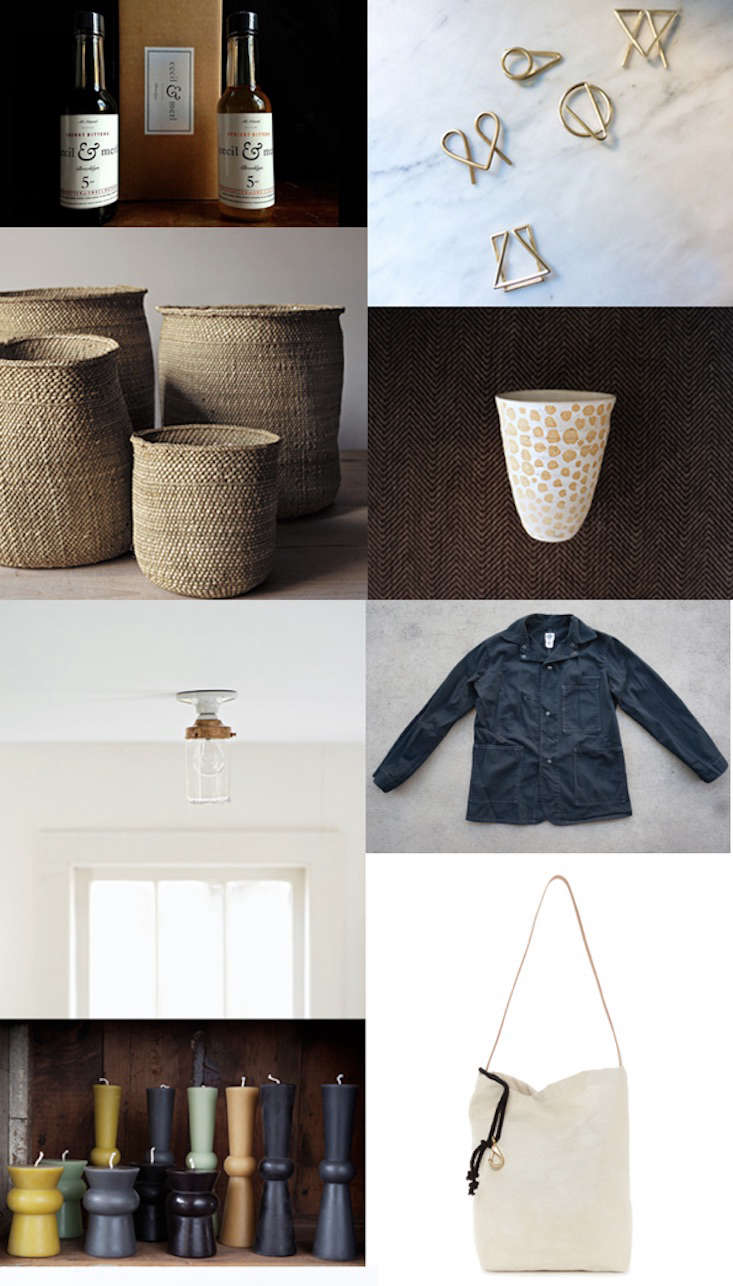
The original Remodelista NYC Market was held at Canvas Home on West 17th Street and brought together more than 50 artisans and makers offering housewares, clothing, jewelry, organic botanicals, gourmet foodstuffs, and other beautifully considered objects. That mix is still exactly what makes a curated design market so irresistible. It is not just shopping. It is field research for the kind of home you actually want to live in: calm, useful, personal, and quietly cooler than a showroom that smells faintly of plastic wrap.
In a city where “minimalist apartment” sometimes means “there is only room for one chair, and it is emotionally unavailable,” the Remodelista approach continues to feel refreshing. It celebrates thoughtful interiors, natural materials, small-space intelligence, and the kind of handcrafted pieces that make a room look collected rather than purchased in a panic at midnight.
Why the Remodelista NYC Market Still Matters
The Remodelista NYC Market is more than a pop-up shopping event. It represents a broader shift in American home design: away from disposable décor and toward objects with origin stories. People want to know who made the bowl, where the wool came from, why the lamp looks like it belongs in both a Brooklyn brownstone and a farmhouse kitchen, and whether the candle will make the living room smell like a forest or a very expensive oat milk latte.
That desire for meaning has fueled the rise of maker markets across the United States, especially in design-heavy cities such as New York, Los Angeles, San Francisco, and Portland. Markets like these give independent makers a physical stage. Shoppers get to touch the ceramics, feel the grain of the wood, compare the weight of linen, and ask questions that rarely fit inside an online product description. In return, makers get something equally valuable: direct feedback from real humans, not just analytics dashboards quietly judging their conversion rate.
What to Expect at a Curated Home Design Market
A well-edited design market is not a random pile of cute things. It has rhythm. You move from ceramics to textiles, from botanical goods to hand-forged hardware, from small-batch pantry items to furniture that makes you wonder whether your current coffee table has been phoning it in for years. The best markets feel like walking through a beautifully edited magazine, except you can actually buy the serving spoon.
Handmade Housewares With Personality
Expect bowls that are slightly irregular in the best possible way, pitchers that look lovely even when empty, cutting boards with enough character to make supermarket cheese feel artisanal, and mugs that immediately become “your mug.” Handmade housewares are the gateway drug of considered living. You arrive planning to browse. You leave emotionally attached to a stoneware salt cellar.
Textiles That Make a Room Feel Finished
Textiles are the quiet heroes of home design. A linen runner, wool throw, cotton napkin set, or handwoven pillow can soften a room faster than an apology text. At a Remodelista-style market, textiles usually lean natural, tactile, and timeless. Think muted stripes, washed neutrals, vegetable-dyed tones, and fabrics that say, “Yes, I read books near windows.”
Lighting, Hardware, and the Small Details
One of the secrets of a good interior is that the small things are not actually small. Cabinet pulls, hooks, sconces, mirrors, and candleholders shape how a room feels every day. A hand-finished brass hook near the door can make keys look intentional. A sculptural candleholder can turn Tuesday dinner into “we have ambience now.” These are the details that separate a lived-in home from a rented box with Wi-Fi.
The Joy of Meeting the Makers
Online shopping is convenient, but it rarely gives you a story worth repeating. At a market, you might learn that a ceramicist fires each piece in a small studio upstate, that a woodworker salvages local timber, or that a textile designer spent months perfecting a particular weave because perfection apparently requires both patience and a suspicious amount of tea.
Meeting makers changes the way you shop. You become slower, more curious, and less likely to buy filler. Instead of asking, “Where can I put this?” you start asking, “Will I still love this in five years?” That is a better question. It is also the question your storage closet has been trying to ask you since 2019.
How to Shop the Remodelista Way
The Remodelista aesthetic is often described as edited, useful, classic, and slightly spare. But spare does not mean cold. It means choosing pieces that earn their place. A Remodelista-inspired shopper looks for materials that age well, shapes that stay relevant, and objects that make daily rituals more enjoyable.
Start With What You Actually Use
Before buying anything, think about your real routines. Do you cook often? Prioritize cutting boards, bowls, aprons, and storage jars. Do you host dinner? Look for serving pieces, napkins, candles, and glassware. Do you mostly eat cereal over the sink while answering emails? First, same. Second, a handmade bowl might be the gentle intervention you need.
Buy One Better Thing
The smartest market strategy is not to buy twelve charming objects and later discover they have formed a small decorative government on your bookshelf. Instead, buy one better thing: one lamp, one tray, one blanket, one vase, one piece of art. A single excellent object can shift the mood of a room more than a dozen almost-right accessories.
Think in Materials, Not Trends
Natural materials remain a reliable design compass. Wood, linen, wool, stoneware, glass, brass, cotton, leather, and clay all have staying power because they develop character instead of looking tired. Trendy colors come and go. A well-made oak stool simply minds its business and looks good forever.
Small-Space Design Lessons from NYC Market Culture
New York apartments are excellent teachers because they do not allow much nonsense. Every object must negotiate for square footage. The best NYC home design markets understand this. They offer stackable ceramics, wall hooks, compact lighting, slim storage, multipurpose trays, and textiles that can change a room without demanding a renovation budget or a second bedroom.
Small-space living also encourages visual discipline. If your home is compact, every item is visible. That means the laundry basket, dish brush, doormat, and fruit bowl matter. The goal is not to make everything fancy. The goal is to make everyday things beautiful enough that you do not resent seeing them. This is the practical magic of considered design.
Sustainable Shopping Without the Lecture
One reason maker markets feel so current is their connection to low-impact living. Buying fewer, better-made objects can reduce waste, support small businesses, and encourage a healthier relationship with consumption. The best part? It does not require you to live in a cabin, churn your own butter, or announce at parties that you have “opted out of modernity.”
Sustainable home design can be simple. Choose durable materials. Repair when possible. Buy vintage when it fits. Support local makers. Avoid impulse décor that looks tired before the receipt fades. A market like the Remodelista NYC Market makes these choices easier because the objects already pass through a filter of usefulness, craft, and style.
What to Bring to the Market
Bring a tote bag, comfortable shoes, measurements from your home, and a realistic idea of your budget. If you are shopping for furniture, measure doorways, elevators, stairwells, and that one weird corner that looks bigger until you try to put anything there. If you are buying textiles, bring photos of your room in natural light. Your memory will lie to you. It means well, but it will absolutely tell you your sofa is “kind of oatmeal” when it is clearly “confused mushroom.”
Also bring patience. A good market rewards browsing. Walk the full space once before purchasing. Notice what you keep thinking about. If a piece sticks in your mind after you have seen everything else, that is usually a sign. If you forget it immediately, your wallet has been spared and deserves a little applause.
Why NYC Is the Perfect Backdrop
New York City has always been a meeting place for design contradictions. It is polished and improvised, historic and experimental, compact and wildly ambitious. That makes it the ideal setting for a home design market. A handmade stool can sit in conversation with a loft renovation. A linen apron can feel at home beside a gallery opening. A simple ceramic cup can become a tiny rebellion against the city’s daily chaos.
The city also brings together people with sharp eyes: architects, stylists, editors, collectors, decorators, renters, renovators, and casual browsers who came for a candle and left with a new philosophy about cabinet hardware. In that crowd, design becomes social. You hear what people notice. You see what they touch. You discover that everyone, no matter how sophisticated, is vulnerable to a very good basket.
Current Obsessions Worth Watching
If you are using the Remodelista NYC Market as inspiration for your next shopping trip, renovation plan, or weekend wander, several home design themes are worth watching.
1. Warm Minimalism
The cold, empty version of minimalism has lost its grip. Today’s best minimalist rooms feel warm, layered, and human. They use natural textures, soft light, imperfect ceramics, and wood tones to create calm without sterility. The result is less “museum where nobody may sit” and more “quiet room where the coffee tastes better.”
2. Handmade Ceramics
Ceramics remain a design-market favorite because they are both useful and expressive. Plates, bowls, vases, lamps, and tiles can bring subtle individuality into a home. The beauty is often in the variation: a glaze that pools differently, a rim that wavers slightly, a form that reminds you a person made it.
3. Natural Fiber Textiles
Linen, cotton, hemp, and wool are still strong choices for home interiors. They soften modern spaces, age gracefully, and work across styles. A linen tablecloth can look casual at breakfast and elegant at dinner, which is more range than most of us have before coffee.
4. Useful Decorative Objects
The best accessories now work for a living. Trays organize clutter. Hooks hold bags. Bowls catch keys. Baskets hide the evidence of real life. Beauty and function are no longer separate teams; they are roommates splitting the rent.
5. Local and Regional Craft
Shoppers increasingly value objects connected to place. Whether made in Brooklyn, the Hudson Valley, New England, or the wider American craft scene, regional goods bring a sense of context. They also support smaller creative businesses, which keeps the design ecosystem interesting.
A Market Day Experience: The 500-Word Field Notes
Imagine arriving at the Remodelista NYC Market with a practical list. You need a housewarming gift, maybe a new kitchen towel, possibly nothing else. This is the first lie of the day. The second lie is that you will “just look.” Nobody just looks at a table of hand-thrown bowls glowing under perfect daylight. You circle once, casually, like a person with self-control. Then you circle again with the focus of a detective in a Scandinavian crime drama.
The first thing you notice is texture. Smooth porcelain beside rough linen. Polished wood beside matte clay. A row of small bottles filled with botanical oils. A stack of napkins tied with twine, looking so wholesome they could probably improve your posture. Unlike a big-box store, where everything is multiplied until it becomes invisible, the market makes each object feel distinct. You slow down because the objects ask you to.
Then come the conversations. A maker explains how a glaze changes in the kiln. Another talks about sourcing linen. Someone else describes salvaged wood with the tenderness most people reserve for pets. These details matter. They turn things into memories before you even bring them home. Suddenly, a spoon rest is not just a spoon rest. It is “the spoon rest from that weekend in Chelsea when it rained and we found the tiny ceramics booth near the back.” That is how homes become personal archives.
There is also the excellent people-watching. Market shoppers have a particular uniform: sensible shoes, good coat, intense interest in neutral colors, and a tote bag slowly expanding into a second apartment. Couples negotiate over candle scents. Friends debate whether a vase is “too tall” with the seriousness of urban planners. Someone is inevitably measuring a stool with their phone because they forgot a tape measure but refuses to surrender.
By the time you leave, your original list has evolved. Maybe you bought a handwoven towel, a ceramic bowl, a jar of something delicious, or a small object whose purpose is technically “beauty,” which is a valid purpose despite what your budget spreadsheet says. More importantly, you leave with ideas. You want to clear a shelf. You want to replace the plastic dish brush. You want to make dinner at home and use cloth napkins for no reason except that life is short and paper towels are not a personality.
That is the real power of a design market. It does not simply sell things. It adjusts your eye. It reminds you that a home is built through choices repeated over time: one lamp, one hook, one bowl, one textile, one better habit. And yes, sometimes one more tote bag.
Final Thoughts
The spirit of “Current Obsessions: See You at the Remodelista NYC Market This Weekend” is not only about one event. It is about the pleasure of discovering well-made things in person, talking to the people who make them, and bringing home objects that improve daily life in small but meaningful ways. In a world of endless scrolling, a curated home design market offers something refreshingly physical: texture, weight, conversation, judgment-free basket admiration, and the thrill of finding a piece that feels like it was waiting for your shelf all along.
Whether you are a design professional, a small-space apartment dweller, a renovation dreamer, or a person who simply believes a better mug can improve Monday morning, the Remodelista NYC Market remains a perfect symbol of considered living. Buy less, choose better, support makers, and give your home objects with stories. Your rooms will thank you. Your closet may even forgive you.