
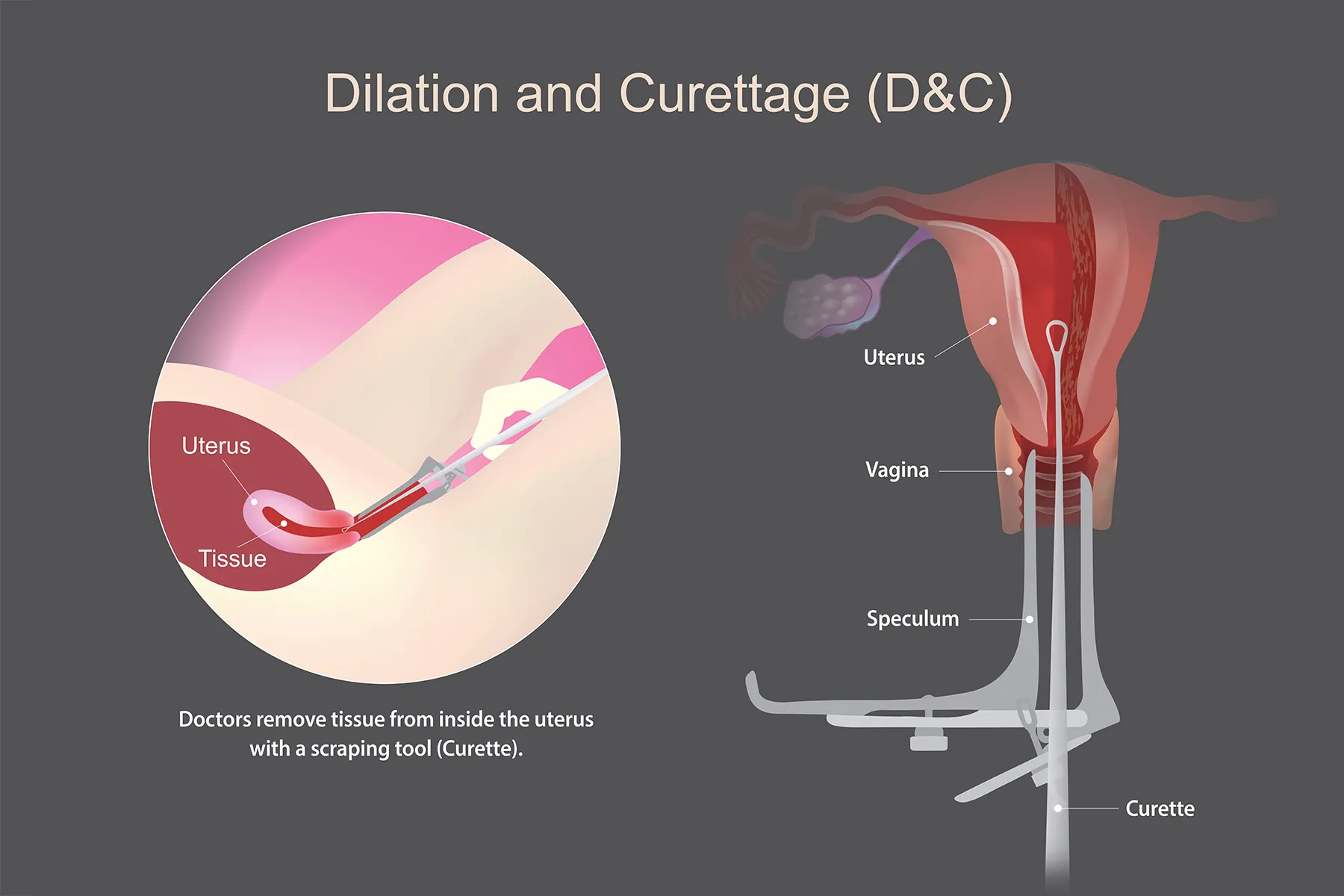
A D&C, short for dilation and curettage, sounds like something you might find in a toolbox next to “drill bits” and “mystery Allen wrench.” In reality, it is a common gynecologic procedure used to remove tissue from inside the uterus. Doctors may recommend a D&C procedure to diagnose abnormal uterine bleeding, treat heavy bleeding, remove tissue after a miscarriage, or clear retained tissue after childbirth or another uterine procedure.
Although the phrase “uterine surgery” can make anyone’s shoulders climb toward their ears, a D&C is usually a short outpatient procedure. Most people go home the same day, and recovery is often measured in days rather than weeks. Still, it is real surgery, and knowing what happens before, during, and after the procedure can make the experience feel far less mysterious.
This guide explains what a D&C is, why it is performed, what the surgery involves, what recovery may feel like, and which symptoms deserve a call to your healthcare provider. Consider it your calm, practical, no-panic tour through the procedure.
What Is a D&C Procedure?
A D&C is a procedure in which a healthcare provider opens, or dilates, the cervix and then removes tissue from the lining of the uterus. The cervix is the narrow lower part of the uterus that opens into the vagina. The uterine lining is called the endometrium.
The “D” stands for dilation. The “C” stands for curettage, which refers to removing tissue with a thin surgical instrument called a curette or with suction. Some D&C procedures use gentle scraping, suction, or both. In modern practice, suction is commonly used, especially when the procedure involves pregnancy-related tissue.
A D&C may be performed alone or with hysteroscopy. During hysteroscopy, the provider inserts a thin camera through the cervix to view the inside of the uterus. This can help identify polyps, fibroids, thickened lining, scar tissue, or other causes of abnormal uterine bleeding.
Why Doctors Recommend Dilation and Curettage
A D&C can be diagnostic, therapeutic, or both. In plain English, it can help your doctor find out what is going on, treat what is going on, or do both in one appointment. Efficient? Yes. Glamorous? Not exactly. Useful? Very.
To Diagnose Abnormal Uterine Bleeding
If you have unusually heavy periods, bleeding between periods, bleeding after menopause, or irregular bleeding that refuses to follow the calendar like a polite citizen, your provider may recommend sampling the uterine lining. The tissue can be sent to a lab to check for endometrial hyperplasia, polyps, hormonal changes, infection, or signs of cancer.
To Treat Heavy or Prolonged Bleeding
In some cases, a D&C helps control heavy uterine bleeding by removing excess lining from the uterus. This may be especially useful when bleeding is severe, when medication has not worked, or when the provider needs to evaluate the tissue at the same time.
After Miscarriage
A D&C may be recommended after a miscarriage if tissue remains in the uterus, if bleeding is heavy, or if the patient prefers a surgical option rather than waiting for the body to pass tissue naturally. Not everyone who has a miscarriage needs a D&C, but for some, it can provide physical closure and reduce the risk of prolonged bleeding or infection.
After Childbirth or Abortion
Sometimes tissue remains in the uterus after childbirth or abortion. Retained tissue can cause heavy bleeding, cramping, fever, or infection. A D&C may be used to remove that tissue safely.
To Remove Polyps or Small Growths
When combined with hysteroscopy, a D&C may help remove uterine polyps or collect tissue from suspicious areas. This gives the provider a clearer picture of the uterus and allows the lab to examine cells under a microscope.
How to Prepare for a D&C Surgery
Preparation depends on why you are having the procedure, where it will be performed, and what type of anesthesia will be used. A D&C may take place in a hospital, outpatient surgery center, clinic, or physician’s office.
Before the Procedure
Your provider will usually review your medical history, medications, allergies, pregnancy status, bleeding pattern, and previous surgeries. Be sure to mention blood thinners, aspirin, supplements, herbal products, and any history of anesthesia problems. Yes, even that “natural” supplement counts. Your uterus does not care whether the bottle has a leaf on it.
You may need blood tests, a pregnancy test, ultrasound imaging, or other exams before the procedure. If anesthesia or sedation is planned, you may be told not to eat or drink for a certain number of hours beforehand.
Cervical Preparation
Sometimes the cervix needs to be softened or opened gradually before the D&C. This may be done with medication or small dilating rods. Cervical preparation can make the procedure easier and may reduce the risk of injury to the cervix.
Plan a Ride Home
If you receive sedation or general anesthesia, you will need someone to drive you home. Even if you feel surprisingly awake afterward, your reflexes and judgment may be slower for the rest of the day. This is not the time to prove you are “totally fine” by operating a vehicle or making major life decisions, including bangs.
What Happens During the D&C Procedure?
A D&C is usually brief. The actual procedure may take only 10 to 20 minutes, though the total appointment time is longer because of preparation and recovery monitoring.
Step 1: Anesthesia or Pain Control
Depending on your situation, you may receive local anesthesia, regional anesthesia, IV sedation, or general anesthesia. Local anesthesia numbs the cervix. Sedation helps you relax and may make you sleepy. General anesthesia means you are asleep during the procedure.
Step 2: Positioning and Speculum Placement
You will lie on an exam or operating table with your feet supported, similar to a pelvic exam. The provider inserts a speculum into the vagina to gently hold the vaginal walls apart and view the cervix.
Step 3: Dilating the Cervix
The provider gradually opens the cervix using medication, thin rods, or both. This step gives access to the inside of the uterus. You may feel cramping if you are awake, though anesthesia or sedation helps reduce discomfort.
Step 4: Removing Uterine Tissue
The provider removes tissue from the uterine lining using suction, a curette, or another specialized instrument. If hysteroscopy is used, the provider may also look inside the uterus and target specific areas.
Step 5: Recovery Monitoring
After the procedure, you will rest in a recovery area. Staff may monitor your blood pressure, pulse, breathing, bleeding, pain level, and alertness. Once you are stable, you can usually go home the same day.
D&C Recovery: What to Expect After Surgery
Recovery after dilation and curettage is usually straightforward, but every person’s body has its own style. Some people bounce back quickly. Others feel tired, crampy, emotional, or simply annoyed that their uterus has demanded so much attention.
The First 24 Hours
You may feel groggy if you had sedation or general anesthesia. Mild cramping, light bleeding, spotting, and fatigue are common. Many providers recommend resting for the remainder of the day. Use sanitary pads rather than tampons so you can monitor bleeding and reduce infection risk.
Cramping often feels similar to menstrual cramps. Your provider may recommend over-the-counter pain relief, but follow their instructions, especially if you have allergies, kidney disease, stomach ulcers, bleeding concerns, or take blood thinners.
The First Few Days
Most people can return to light daily activities within a day or two. However, strenuous exercise, heavy lifting, swimming, baths, tampons, menstrual cups, and sexual intercourse may need to wait until your provider says it is safe. Many clinicians recommend pelvic rest for several days to two weeks, depending on the reason for the D&C and how recovery is going.
Light bleeding or spotting may continue for several days. Some people notice small clots. Bleeding should gradually improve, not suddenly become heavier.
One to Two Weeks After D&C
By this point, cramping and bleeding are usually much better. Your provider may schedule a follow-up visit to discuss pathology results if tissue was tested. If the D&C was done after pregnancy loss, your provider may also discuss emotional recovery, future pregnancy planning, Rh status, and when it is safe to try again if desired.
Your Next Period
Your next period may arrive earlier or later than expected. It can take several weeks for your menstrual cycle to reset. The first period after a D&C may be heavier, lighter, shorter, longer, or a little dramatic just because hormones enjoy plot twists. If your period does not return within the timeframe your provider gave you, check in.
Normal Symptoms After a D&C
Some symptoms are expected during D&C recovery. These may include:
- Mild to moderate cramping for a short time
- Light vaginal bleeding or spotting
- Small blood clots
- Fatigue, especially after anesthesia
- Mild backache
- Emotional ups and downs, particularly after miscarriage or a stressful diagnosis
Normal recovery symptoms should improve over time. If symptoms get worse instead of better, your body may be waving a red flag rather than a tiny recovery flag.
Warning Signs: When to Call a Doctor
Although complications are uncommon, they can happen. Contact your healthcare provider promptly or seek urgent care if you notice:
- Heavy bleeding that soaks through a pad in an hour or less
- Bleeding that suddenly becomes much heavier
- Fever or chills
- Severe abdominal or pelvic pain
- Cramping that lasts longer than expected or worsens
- Foul-smelling vaginal discharge
- Dizziness, fainting, or weakness
- Persistent nausea or vomiting
- No menstrual period for several months, unless your provider explained why
Do not wait around to “see if it gets weird enough.” If something feels wrong, call. Healthcare providers would rather answer a cautious question than have you silently audition for a medical mystery show.
Possible Risks and Complications
A D&C is considered a safe and routine gynecologic procedure, but no surgery is completely risk-free. Your individual risk depends on your health, pregnancy status, uterine anatomy, reason for the procedure, and whether infection or heavy bleeding is already present.
Infection
Infection after D&C is uncommon but possible. Fever, pelvic pain, chills, and foul-smelling discharge may be warning signs. Treatment may include antibiotics.
Heavy Bleeding
Some bleeding is normal, but heavy bleeding is not. Heavy bleeding may occur if tissue remains in the uterus, if the uterus does not contract well, or if there is an injury to the cervix or uterus.
Uterine Perforation
Uterine perforation means an instrument creates a small hole in the uterine wall. Many small perforations heal without major treatment, but some cases require observation, imaging, medication, or additional surgery, especially if nearby organs are affected.
Cervical Injury
The cervix may be stretched or injured during dilation. This is uncommon, and careful technique plus cervical preparation can reduce risk.
Intrauterine Adhesions
Scar tissue inside the uterus, sometimes called intrauterine adhesions or Asherman syndrome, is a rare but important complication. It may lead to lighter periods, absent periods, pelvic pain, infertility, or pregnancy complications. The risk may be higher after procedures involving pregnancy-related tissue, infection, or repeated uterine surgeries.
D&C vs. Endometrial Biopsy vs. Hysteroscopy
These procedures are related, but they are not identical.
D&C
A D&C removes tissue from inside the uterus and may be used for diagnosis or treatment. It is usually more involved than an office biopsy and may require anesthesia or sedation.
Endometrial Biopsy
An endometrial biopsy removes a small sample of the uterine lining, often in an office setting. It may be used to evaluate abnormal bleeding, especially after age 45 or after menopause. It is quicker than a D&C but collects less tissue.
Hysteroscopy
Hysteroscopy uses a thin camera to look inside the uterus. It can be performed with a D&C to help diagnose or treat polyps, fibroids, adhesions, or other structural issues.
How to Make D&C Recovery Easier
A smooth recovery does not require a luxury spa, though nobody is stopping you from pretending your heating pad is a five-star treatment. Simple steps can help your body heal.
- Rest the day of the procedure.
- Use pads instead of tampons until your provider says otherwise.
- Take pain medicine only as directed.
- Drink fluids and eat light meals if anesthesia made your stomach sensitive.
- Avoid heavy lifting and intense workouts until cleared.
- Follow instructions about sex, baths, swimming, and menstrual products.
- Attend your follow-up appointment, especially if tissue was sent to pathology.
- Ask about results, next steps, and whether any additional treatment is needed.
Emotional Recovery After a D&C
Physical recovery is only part of the story. A D&C may be tied to miscarriage, infertility concerns, abnormal bleeding, cancer screening, postpartum complications, or a difficult medical decision. It is normal to feel relieved, sad, anxious, numb, frustrated, or several things at once.
If the procedure followed pregnancy loss, grief may appear in waves. Some people want to talk. Others want silence, sweatpants, and absolutely no inspirational quotes. Both reactions are valid. Support from a partner, friend, counselor, faith leader, support group, or mental health professional can be helpful.
If you develop persistent sadness, panic, guilt, sleep problems, or thoughts of self-harm, seek help immediately. Emotional pain deserves medical attention too.
Questions to Ask Before a D&C
Good questions can turn a scary appointment into a more manageable plan. Consider asking:
- Why do I need a D&C?
- Are there alternatives, such as medication, monitoring, or office biopsy?
- Will suction, sharp curettage, hysteroscopy, or another technique be used?
- What type of anesthesia will I receive?
- How long should I expect bleeding and cramping?
- When can I return to work, exercise, sex, tampons, or swimming?
- Will tissue be sent to pathology?
- When will results be available?
- What symptoms should prompt a call or urgent visit?
- Could this procedure affect future fertility?
Experiences Related to D&C Surgery and Recovery
People often describe a D&C as emotionally bigger than the procedure itself. The surgery may be short, but the reason behind it can carry weight. Someone having a D&C for abnormal bleeding may feel relieved to finally get answers after months of unpredictable periods. Another person may feel anxious waiting for lab results. Someone who has a D&C after miscarriage may be recovering from both a medical procedure and a heartbreaking loss.
A common experience before the procedure is nervousness about anesthesia. Many patients worry, “Will I feel anything?” or “Will I wake up during it?” These are reasonable questions. The anesthesia plan depends on the setting and the patient’s health, but providers usually explain whether the patient will be awake, sleepy, numb, or fully asleep. For many people, the most uncomfortable part is not the procedure itself but the anticipation. Waiting rooms have a special talent for making five minutes feel like a historical era.
After the D&C, patients often report cramping that feels like a strong period. A heating pad, rest, and approved pain medicine may help. Some people are surprised by how tired they feel afterward, especially if they expected to “just pop in and out.” Even minor surgery asks the body to do repair work. Taking the rest of the day off is not laziness; it is basic maintenance.
Bleeding can also create uncertainty. Light bleeding or spotting is common, but patients may wonder what is too much. A practical tip is to track pad changes, clot size, pain level, and temperature for the first day or two. This makes it easier to explain symptoms if you need to call the office. “I feel weird” is valid, but “I soaked two pads in two hours and have worsening cramps” gives your provider a clearer map.
Emotionally, recovery varies widely. Some people feel immediate relief because the bleeding stopped or the procedure is over. Others feel weepy, irritable, or disconnected. Hormonal shifts, anesthesia, pain, stress, and grief can all pile into the same tiny emotional car. If the D&C followed miscarriage, reminders may hit unexpectedly: a calendar date, a baby aisle, a well-meaning but clumsy comment. Healing may require patience, privacy, and support.
Work and daily life are another common concern. Many people return to desk work within a day or two, while physically demanding jobs may require more time or restrictions. If your job involves lifting, long shifts, or limited bathroom access, ask for specific guidance. Recovery instructions are not one-size-fits-all, and your body is not a spreadsheet.
Patients also talk about the importance of follow-up. When a D&C is done for diagnostic reasons, waiting for pathology results can feel stressful. Writing down questions before the follow-up visit can help. Ask what the results mean, whether treatment is needed, and what symptoms to watch for in the future. If the procedure was pregnancy-related and you hope to conceive again, ask when it is safe to try, whether any testing is recommended, and how to recognize normal cycle changes.
Perhaps the most useful shared experience is this: do not minimize your symptoms, and do not feel embarrassed to ask questions. Gynecologic procedures can make people feel shy, but your healthcare team has heard it all. Bleeding, discharge, cramps, bowel changes, sex, emotions, fertility worriesnone of it is too awkward to mention. Clear communication helps prevent complications and makes recovery less lonely.
Conclusion
A D&C, or dilation and curettage, is a common procedure used to diagnose and treat several uterine conditions, including abnormal bleeding, retained tissue, and miscarriage-related concerns. The surgery is usually brief, and most people go home the same day. Recovery often includes mild cramping, light bleeding, and fatigue, with many people returning to normal activities within a few days.
Still, a D&C is not “nothing.” It deserves preparation, clear instructions, follow-up care, and emotional support when needed. Knowing what is normal, what is not, and when to call your provider can make recovery safer and less stressful. Your uterus may be the main character for a few days, but with the right care, it does not have to steal the whole show.
Note: This article is for general educational purposes only and does not replace medical advice, diagnosis, or treatment from a licensed healthcare professional. Always follow your own provider’s instructions before and after a D&C procedure.














