
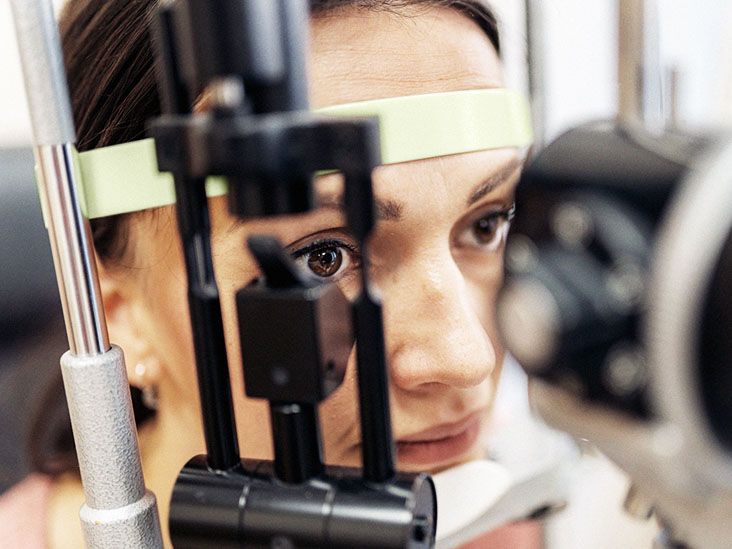
Diabetic retinopathy treatment cost can feel like opening a bill written in a secret language: one line for the doctor, one for imaging, one for the medication, one for the injection, one for the facility, and possibly one mysterious charge that looks like it was named by a committee of exhausted robots. The good news is that diabetic retinopathy is treatable, insurance often helps, and there are real support programs for people who need financial assistance.
The not-so-fun news is that prices vary wildly in the United States. A simple diabetic eye exam may cost a little over $100 without insurance, while advanced treatment such as anti-VEGF eye injections, laser therapy, or vitrectomy surgery can range from hundreds to many thousands of dollars. Your final out-of-pocket cost depends on your diagnosis, the treatment plan, the drug used, your insurance type, your deductible, your coinsurance, and whether your retina specialist bills through an office, hospital outpatient department, or surgery center.
This guide breaks down the typical costs, how insurance usually works, what to ask before treatment, and where to look for support so you can protect your vision without feeling like you need a second degree in medical billing.
What Is Diabetic Retinopathy?
Diabetic retinopathy is an eye disease caused by damage to the tiny blood vessels in the retina, the light-sensitive tissue at the back of the eye. Over time, high blood sugar can weaken these vessels, causing them to leak, swell, bleed, or grow abnormally. In early stages, diabetic retinopathy may have no symptoms at all. That is why it has earned its reputation as the “silent roommate” of diabetes: it can move in, make a mess, and not announce itself until later.
As the disease progresses, people may notice blurry vision, floaters, dark spots, trouble reading, distorted vision, or sudden vision loss. Diabetic macular edema, often called DME, happens when fluid builds up in the macula, the part of the retina responsible for sharp central vision. Proliferative diabetic retinopathy, or PDR, is a more advanced stage where fragile new blood vessels grow and may bleed into the eye or pull on the retina.
Treatment cannot always restore vision that has already been lost, but it can slow, stop, or sometimes improve the disease. That is why early diagnosis and consistent follow-up matter so much. In eye care, procrastination is not a savings strategy. It is more like ignoring a small roof leak until your living room becomes an indoor pond.
Typical Diabetic Retinopathy Treatment Costs in the United States
Prices below are general self-pay or billed-charge ranges. They are not guaranteed quotes. Actual costs depend on location, provider contracts, insurance rules, imaging needs, drug selection, and disease severity.
| Treatment or Service | Typical U.S. Price Range Before Insurance | What Affects the Cost |
|---|---|---|
| Comprehensive diabetic eye exam | About $100–$300+ | Provider type, dilation, imaging, specialist visit, location |
| Retinal imaging, OCT, fundus photos, or angiography | About $50–$600+ per test | Type of imaging, whether contrast dye is used, office vs hospital billing |
| Anti-VEGF eye injection using lower-cost bevacizumab | Drug cost often around $50–$80; total visit may be several hundred dollars | Compounding, injection fee, exam fee, imaging, insurance contract |
| Anti-VEGF injection using brand-name drugs such as aflibercept or ranibizumab | Often $1,200–$2,500+ for the drug alone; total billed cost may be higher | Drug choice, dose, frequency, payer policy, prior authorization |
| Laser photocoagulation, including focal laser or panretinal photocoagulation | About $700–$2,500+ per session | Number of sessions, complexity, office vs facility setting |
| Steroid injection or implant | Several hundred to several thousand dollars | Medication type, implant vs injection, glaucoma/cataract risk monitoring |
| Vitrectomy surgery | Often $7,000–$14,000+ and sometimes more | Surgery center or hospital, anesthesia, surgeon fee, retina complexity, follow-up care |
Why Prices Vary So Much
Diabetic retinopathy treatment cost is not one single price because diabetic retinopathy is not one single problem. A person with mild nonproliferative diabetic retinopathy may only need monitoring and better blood sugar control. Someone with diabetic macular edema may need monthly injections at first. A person with bleeding inside the eye or traction on the retina may need vitrectomy surgery.
1. The Type of Treatment
Monitoring is usually the least expensive path. Eye injections are more expensive because they combine a specialist visit, imaging, medication, and a procedure. Laser treatment may be a one-time or repeat cost. Surgery is typically the most expensive because it may involve a facility, anesthesia, surgical supplies, post-op medications, and multiple follow-up appointments.
2. The Medication Used
Anti-VEGF drugs are among the most common treatments for diabetic macular edema and some cases of diabetic retinopathy. These medicines help reduce leaking blood vessels and abnormal vessel growth. Bevacizumab is commonly used off-label in the eye and is much less expensive than several FDA-approved brand-name retinal drugs. Brand-name medications such as aflibercept, ranibizumab, and faricimab can cost far more per dose before insurance.
That does not automatically mean the lowest-cost drug is always the best option for every eye. Your retina specialist may recommend one medication over another because of your vision, swelling pattern, prior response, insurance formulary, safety profile, or treatment interval. Still, it is completely reasonable to ask, “Is there a lower-cost option that is medically appropriate for me?” That question is not rude. It is financially responsible.
3. How Often You Need Treatment
One injection is not usually the whole story. Many people start with injections every four weeks, then move to longer intervals if the retina improves. Others need ongoing treatment for months or years. Even a modest copay can become expensive when it appears on the calendar as often as rent.
For example, a $75 specialist copay may sound manageable until it is paired with imaging, medication coinsurance, and six to twelve visits in the first year. A person paying 20% coinsurance on a high-cost drug may owe hundreds of dollars per injection unless a supplemental plan, manufacturer program, foundation grant, or out-of-pocket maximum helps limit the damage.
4. Where the Treatment Is Performed
The same eye injection or laser procedure may cost more if it is billed through a hospital outpatient department rather than a physician office. Hospital outpatient billing may include facility fees. Surgery centers and hospital operating rooms also bill differently. Before treatment, ask where the procedure will be performed and whether any separate facility or anesthesia charges apply.
Does Medicare Cover Diabetic Retinopathy Treatment?
Medicare Part B generally covers a yearly diabetic retinopathy eye exam for people with diabetes when performed by an eye doctor legally allowed to do the test in your state. After the Part B deductible, you usually pay 20% of the Medicare-approved amount if the provider accepts assignment. In 2026, the Medicare Part B deductible is $283.
Medicare Part B may also cover medically necessary treatment for eye diseases, including certain injections, diagnostic imaging, laser procedures, and surgery when they meet coverage requirements. For many retina treatments performed in a medical office, the medication and injection are handled under the medical benefit rather than the pharmacy benefit. That distinction matters because Part B cost sharing is different from Part D prescription drug coverage.
If you have Original Medicare only, there is no built-in annual out-of-pocket maximum. That means repeated 20% coinsurance can add up quickly. A Medigap policy may cover some or most of that coinsurance, depending on the plan. If you have Medicare Advantage, your costs depend on the plan’s network, referral rules, prior authorization requirements, copays, coinsurance, and annual out-of-pocket limit.
Does Private Insurance Cover Diabetic Retinopathy Treatment?
Most major medical insurance plans cover medically necessary diabetic retinopathy treatment, but coverage is rarely as simple as “doctor says yes, insurance says enjoy.” Plans may require prior authorization, documentation of diabetic macular edema or proliferative disease, retinal imaging, visual acuity results, or a step therapy process. Step therapy may mean trying a lower-cost medication before the plan approves a more expensive drug.
For Marketplace plans, employer plans, and many private policies, out-of-pocket costs can include deductibles, copays, and coinsurance. In 2026, Marketplace plans cannot set an in-network out-of-pocket maximum above $10,600 for an individual or $21,200 for a family. Your plan may have a lower limit, but you need to check the Summary of Benefits and Coverage.
One important detail: vision insurance and medical insurance are not the same thing. Vision insurance may help with routine eye exams, glasses, and contact lenses. Diabetic retinopathy is a medical condition, so diagnosis and treatment are often billed to medical insurance. If you hand the front desk your vision card when they need your medical card, the billing conversation may go sideways before it even gets a cup of coffee.
What About Medicaid?
Medicaid coverage varies by state, but medically necessary diabetic eye disease care is often covered when provided by participating clinicians. The key issues are network access, prior authorization, transportation, and whether a retina specialist near you accepts your plan. If you have Medicaid, ask the clinic before scheduling whether they accept your exact Medicaid plan, not just “Medicaid” in general.
If you are dually eligible for Medicare and Medicaid, Medicaid may help with Medicare premiums, deductibles, and coinsurance, depending on your eligibility category and state rules. This can dramatically reduce out-of-pocket costs for injections, exams, and surgery.
How to Estimate Your Real Out-of-Pocket Cost
The number that matters most is not the sticker price. It is your out-of-pocket cost after insurance processes the claim. To estimate it, call your insurer and your retina specialist’s billing office before treatment. Yes, phone calls are nobody’s favorite hobby, but neither is receiving a surprise bill that makes your blood pressure apply for a promotion.
Ask Your Doctor’s Office These Questions
- What is the diagnosis code and procedure code for the recommended treatment?
- Which medication will be used, and is there a lower-cost alternative?
- Will the visit include OCT imaging, fundus photography, or angiography?
- Is the treatment billed through an office, hospital outpatient department, or surgery center?
- Will there be separate charges for the drug, injection, exam, imaging, facility, or anesthesia?
- Can the office provide a written estimate or good faith estimate if I am self-pay?
Ask Your Insurance Plan These Questions
- Is my retina specialist in network?
- Is the medication covered under my medical benefit or pharmacy benefit?
- Is prior authorization required?
- Do I have to try bevacizumab or another preferred medication first?
- What deductible remains?
- What will my copay or coinsurance be for each treatment?
- Does my plan have an out-of-pocket maximum, and how close am I to reaching it?
Example Cost Scenarios
Example 1: Medicare Part B With No Supplemental Coverage
Suppose a patient needs an anti-VEGF injection and the Medicare-approved amount for the visit, imaging, medication, and injection totals $1,500. After the Part B deductible is met, the patient may owe about 20%, or $300. If treatment is repeated every month for several months, the cost can become significant. A Medigap plan could reduce or cover much of that coinsurance, depending on the policy.
Example 2: Employer Insurance With a High Deductible
A patient with a high-deductible health plan may pay the full negotiated rate until the deductible is met. If the first injection visit of the year includes imaging and an expensive drug, the bill may be painful. After the deductible, the patient may still owe coinsurance until reaching the plan’s out-of-pocket maximum. The upside is that covered in-network care should eventually be capped by the plan’s annual limit.
Example 3: Self-Pay Patient Needing Laser Treatment
A self-pay patient may be quoted around $700–$2,500 or more for a laser session, depending on the eye, the type of laser, and where it is performed. If several sessions are required, the total rises. A written estimate, cash-pay discount, payment plan, or charity care application may help reduce the burden.
Financial Assistance and Support Options
If the cost of diabetic retinopathy treatment feels overwhelming, do not silently disappear from care. Retina specialists see this problem often, and many offices have staff who can help with prior authorizations, manufacturer programs, foundation referrals, payment plans, or lower-cost treatment options.
Manufacturer Assistance Programs
Drug manufacturers may offer copay cards, reimbursement support, benefits investigations, or patient assistance programs for eligible people using certain brand-name retinal medications. These programs often have strict rules. For example, copay cards usually cannot be used by people whose prescriptions are paid by Medicare, Medicaid, TRICARE, Veterans Affairs, or other federal programs. Uninsured or underinsured patients may have different options through patient foundations or manufacturer assistance programs.
Independent Foundations
Some independent charitable foundations help with copays or treatment costs for eligible patients with specific diseases. Funding opens and closes throughout the year, so timing matters. If one foundation is closed today, ask to be placed on an alert list or check again later. Foundation funding can be a little like concert tickets: available, unavailable, then suddenly available again when you least expect it.
EyeCare America and Community Programs
EyeCare America, a public service program connected with ophthalmology volunteers, may provide medical eye exams at no out-of-pocket cost for eligible people. Prevent Blindness and the National Eye Institute also list resources for free or low-cost eye care, vision services, and financial assistance. Local hospitals, federally qualified health centers, Lions Clubs, state agencies, and diabetes organizations may also know about programs in your area.
Payment Plans and Cash Discounts
If you are uninsured or out of network, ask for a cash-pay rate before treatment. Some clinics offer discounts for paying at the time of service or setting up a payment plan. If you are self-pay, federal rules generally give you the right to request a good faith estimate for scheduled non-emergency care. Keep that estimate and compare it with the final bill.
How to Lower Diabetic Retinopathy Treatment Costs Without Risking Your Vision
The goal is not to choose the cheapest care blindly. The goal is to get appropriate care at the lowest realistic cost. Your eyesight deserves more than bargain-bin decision-making.
Do Not Skip Follow-Up Visits
Skipping visits may save money this month but lead to more expensive treatment later. Untreated diabetic macular edema or proliferative diabetic retinopathy can progress to bleeding, scarring, retinal detachment, or permanent vision loss. Emergency surgery is not the budget-friendly version of eye care.
Ask About Treatment Intervals
Some patients can move from monthly injections to longer intervals once the retina stabilizes. Others cannot. Ask your retina specialist whether treat-and-extend dosing, laser, or another approach could safely reduce visit frequency over time.
Compare Sites of Care
If your treatment can be safely performed in a physician office rather than a hospital outpatient department, the total billed cost may be lower. This is not always possible, especially for surgery, but it is worth asking.
Use Your Annual Eye Exam
Early detection is one of the best cost-control strategies. A yearly diabetic eye exam can catch disease before it becomes an expensive emergency. Think of it as checking the smoke detector before the kitchen is on fire.
Control Blood Sugar, Blood Pressure, and Cholesterol
Medical eye treatment works best when diabetes, blood pressure, and cholesterol are also managed. Better overall control may slow progression and reduce the need for more intensive treatment. Your retina specialist, primary care clinician, endocrinologist, and diabetes educator are all part of the same team, even if they never share the same waiting room playlist.
When Treatment Becomes Urgent
Seek prompt eye care if you notice sudden vision loss, a shower of floaters, flashes of light, a curtain-like shadow, new distortion, or a sudden increase in blurry vision. These symptoms may indicate bleeding, retinal detachment, or another urgent condition. Waiting for your next annual exam in that situation is like hearing the smoke alarm and deciding to finish a sandwich first.
Urgent care may cost more, especially if surgery is needed, but delaying care can cost vision. If money is the reason you are hesitating, tell the clinic directly. They may be able to prioritize medically necessary treatment, adjust the plan, connect you with assistance, or help you understand the billing before the situation worsens.
Personal Experiences and Practical Lessons From Real-World Diabetic Retinopathy Costs
One of the most common experiences people describe with diabetic retinopathy treatment is sticker shock. The first visit may seem manageable: an exam, some dilation drops, maybe retinal photos. Then the retina specialist explains that swelling or bleeding is present and treatment should begin soon. Suddenly the conversation shifts from “Come back next year” to “We need injections, imaging, and close follow-up.” It can feel like the eye care equivalent of going in for an oil change and being told the engine is hosting a tiny disaster.
Patients often learn quickly that the medication choice matters. Someone may hear that one injection drug costs far less than another and wonder why anyone would choose the expensive one. The answer is not always simple. Some eyes respond beautifully to lower-cost bevacizumab. Others need a different medication after an incomplete response. Insurance may also influence the sequence. Many people start with the insurer’s preferred drug, then switch if the retina does not improve enough. The practical lesson: ask why a drug is being recommended, what alternatives exist, and what criteria would justify switching.
Another real-world lesson is that imaging adds up. OCT scans are incredibly useful because they show swelling in the retina, often before a patient can describe a clear vision change. But imaging may be billed separately from the exam and the injection. Patients who ask for a full estimate are often surprised to see multiple parts: office visit, scan, drug, injection procedure, and sometimes facility fees. The bill is not necessarily wrong; it is just itemized in a way that makes normal humans sigh deeply.
Transportation is also part of the true cost. After dilation or an injection, some people need a ride home. That may mean a family member taking time off work, paying for rideshare, or arranging medical transportation. For patients receiving monthly injections, travel can become a serious burden. If this is an issue, it helps to ask whether appointments can be grouped with other diabetes care, whether a later treatment interval may be possible after improvement, or whether local support programs offer transportation assistance.
People with Medicare often report confusion about whether diabetic eye care is “vision” or “medical.” A routine glasses exam may not be covered the same way as a diabetic retinal exam. Once diabetic retinopathy is diagnosed, visits are usually medical eye care. The practical move is to give the clinic your medical insurance information and ask how the visit will be billed before assuming a vision plan will handle it.
People with high-deductible commercial insurance often face the hardest early-year bills. January can be brutal because the deductible resets. If treatment is not urgent, some patients try to plan around benefit timing, but diabetic retinopathy does not always cooperate with calendars. A safer strategy is to ask about prior authorization early, request written estimates, use health savings account funds when available, and discuss payment options before the first injection.
The biggest lesson is simple: do not ghost your retina specialist because of cost. Say the awkward part out loud. “I am worried I cannot afford this treatment.” Those words can open doors to a different medication, a benefits investigation, a foundation application, a payment plan, or a social worker referral. Silence, unfortunately, does not generate financial assistance. It only gives the disease more time to work.
Conclusion
Diabetic retinopathy treatment cost depends on the stage of disease, treatment type, medication, visit frequency, insurance coverage, and billing setting. A diabetic eye exam may cost around $100–$300+ without insurance, while injections, laser therapy, and vitrectomy surgery can range from hundreds to many thousands of dollars. Medicare, Medicaid, employer insurance, and Marketplace plans often cover medically necessary care, but deductibles, coinsurance, prior authorization, and network rules can strongly affect what you actually pay.
The best approach is to act early, ask detailed billing questions, understand your insurance benefits, and explore support before skipping care. Diabetic retinopathy is serious, but treatment can protect vision. And when it comes to eyesight, the most expensive option is often waiting too long.
Note: Prices in this article are educational estimates for the United States and may change by location, provider, insurance contract, and medical need. Always ask your eye care team and insurer for a personalized estimate before treatment.













