Going back to blonde from dyed brown hair can feel like trying to un-toast toast. You remember the blonde. You miss the blonde. You may even have a folder of old selfies labeled “hair goals” like evidence in a very glamorous court case. But once brown dye has settled into your strands, especially permanent color, returning to blonde takes strategy, patience, and a healthy respect for bleach.
The good news? It is absolutely possible to get back to blonde from dyed brown hair. The better news? You do not have to fry your hair into a crunchy souvenir to do it. The safest route is usually a gradual color correction plan that removes or lightens artificial pigment, protects the hair fiber, tones unwanted brassiness, and gives your hair time to recover between sessions.
This guide explains the easiest and safest ways to go from dyed brown hair back to blonde, including what works at home, when to see a professional colorist, how to avoid orange hair panic, and how to care for your blonde once you get there.
Can You Go Back to Blonde After Dyeing Your Hair Brown?
Yes, you can go back to blonde after dyeing your hair brown, but the process depends on several factors: your natural hair color, the type of brown dye used, how dark the brown is, whether your hair was previously bleached, and the current condition of your hair.
Permanent brown dye is more complicated than a temporary gloss because it changes the inside of the hair shaft. If you used a dark box dye, especially more than once, the pigment may be layered heavily through the mid-lengths and ends. That buildup can make hair lift unevenly, which is why some people end up with golden roots, orange mids, and dark ends after one bleaching attempt. Stylish? Not exactly. More “traffic cone ombré” than “sun-kissed California blonde.”
The easiest way back to blonde is not always the fastest. In many cases, a staged approach gives better results: remove excess artificial color first, lighten gradually, tone carefully, and rebuild strength between appointments.
Why Dyed Brown Hair Is Harder to Lighten
Hair lightening is not like painting a wall where you simply cover one color with another. Blonde hair color cannot reliably lighten dyed brown hair by itself. In most cases, color does not lift color. That means applying a blonde box dye over dyed brown lengths may lighten only your natural roots while leaving the colored ends muddy, warm, or nearly unchanged.
To get back to blonde, artificial brown pigment usually needs to be reduced with a color remover or lifted with lightener. As hair lightens, warm underlying tones appear. Dark brown hair often exposes red, orange, and gold before it reaches yellow or pale yellow. This is normal, not a sign that your hair has betrayed you personally.
The Color Level Problem
Professional colorists often think in levels. Black is usually level 1, dark brown around levels 3 to 4, light brown around level 5, dark blonde around level 6, and very light blonde around levels 9 to 10. If your dyed brown hair is sitting at a level 4 and your dream blonde is a level 9, your hair needs to travel several levels lighter. That trip should not be booked as a one-way express ticket if your hair is fragile.
Start with a Hair Health Check
Before you reach for bleach, ask one question: is your hair strong enough to be lightened? Stretch a damp strand gently. If it snaps immediately, feels gummy, or looks frayed at the ends, pause. Lightening damaged hair can lead to severe breakage. The blonde may arrive, but half your ends may leave the chat.
Signs your hair needs recovery before lightening include rough texture, excessive shedding after brushing, split ends, limpness when wet, and a straw-like feel. In that case, spend a few weeks on bond repair treatments, moisturizing masks, gentle shampoo, lower heat styling, and trims before attempting a major color change.
Easy Way #1: Let the Brown Fade First
If your brown dye is semi-permanent, demi-permanent, or fairly recent, fading it before bleaching can make the blonde transition easier. Wash with a gentle clarifying shampoo once or twice a week, not daily, because over-cleansing can dry the hair. Warm water can help color fade faster than cool water, but do not scrub your scalp like you are sanding a deck.
This method works best for hair that is only slightly darker than your desired blonde or for people who are not in a rush. It is the lowest-drama option and gives you time to strengthen your hair before lightening.
Best For
This approach is best for soft brown, light brown, bronde, or demi-permanent color that has already started fading.
Not Best For
It is not ideal for very dark permanent box dye, multiple layers of brown dye, or anyone hoping for platinum blonde by next weekend.
Easy Way #2: Use a Hair Color Remover
A hair color remover can help shrink or reduce artificial dye molecules so they can be washed out. This can be a smart first step before bleach because it may lift out some brown pigment without attacking the natural melanin as aggressively as lightener.
Color remover is not magic, though. It will not restore your exact original blonde, and it may reveal warm orange, gold, or reddish tones underneath. That is normal. Think of color remover as clearing the canvas, not painting the masterpiece.
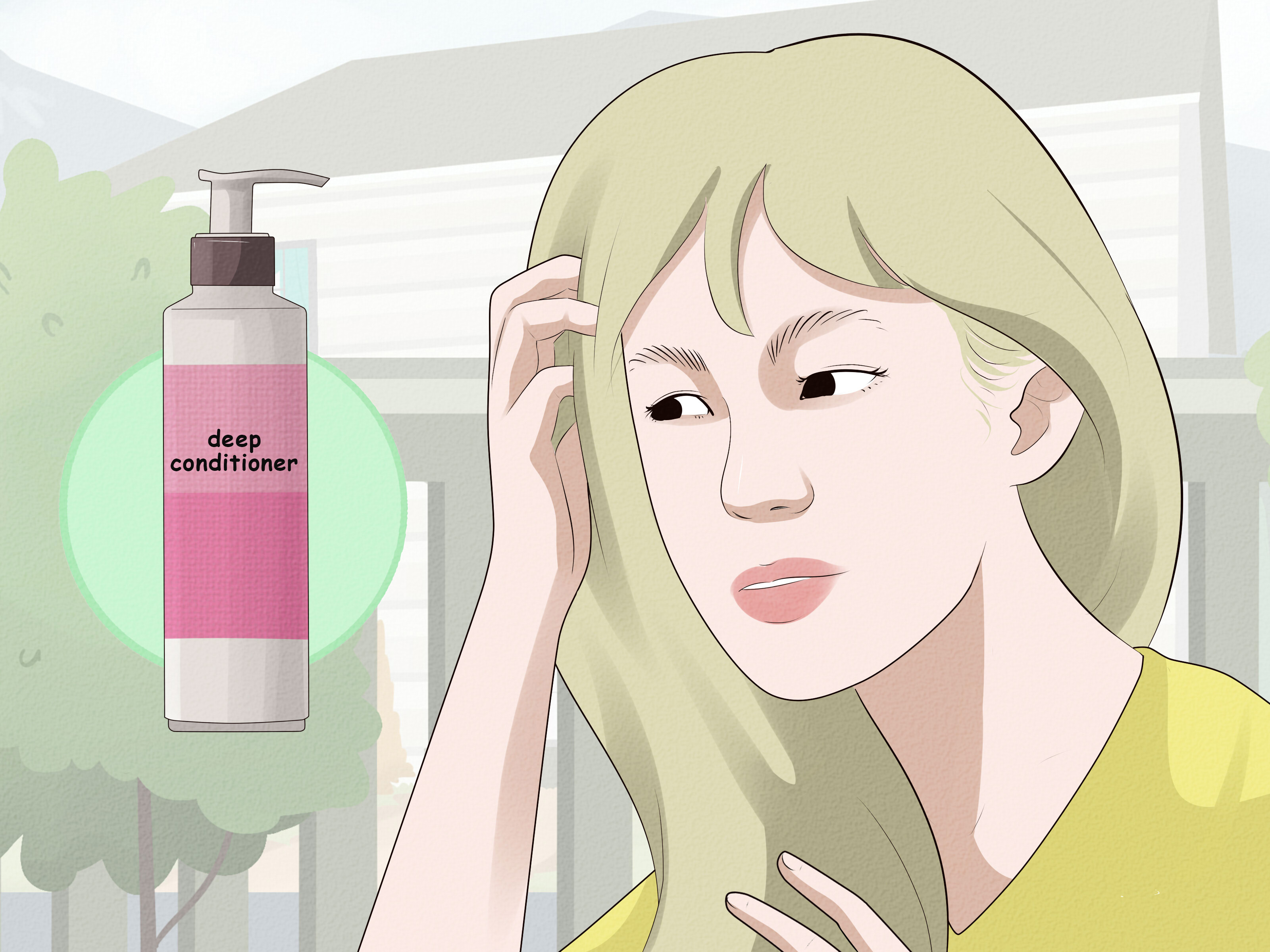
Always follow the product directions exactly. Ventilate the room, wear gloves, do a strand test, and do not immediately bleach over freshly treated hair unless the product instructions and your stylist say it is safe. Hair can feel dry after color removal, so deep conditioning afterward is a must.
Pro Tip
If your hair turns copper after color remover, do not panic-buy the lightest ash blonde dye on the shelf. Ash dye over uneven orange hair can create dull, smoky, or greenish results. Toner choice depends on the actual level of your hair, not just the color you wish it were.
Easy Way #3: Book a Professional Color Correction
If your hair is dark brown, previously bleached, box-dyed, fragile, or uneven, the easiest route is often a salon appointment. Yes, it costs more than doing it yourself in the bathroom with a towel you are willing to sacrifice. But a professional colorist can evaluate your hair history, perform strand tests, choose the right lightener strength, protect bonds, and tone the final result more accurately.
A colorist may recommend highlights, balayage, foilyage, or a full color correction depending on your goal. For many people, highlights are safer than bleaching every strand at once. They create a blonde effect while leaving some hair unlightened, which can reduce stress on the hair and make grow-out softer.
Ask for a Strand Test
A strand test shows how your dyed brown hair reacts before your whole head gets involved. It can reveal whether your hair lifts evenly, turns orange, resists lightening, or becomes too weak. A good strand test is like a weather forecast for your color appointment. It may not be glamorous, but it can save the day.
Easy Way #4: Go Blonde Gradually with Highlights
Highlights are one of the most realistic ways to get back to blonde from dyed brown hair. Instead of forcing all the hair to lift at once, your stylist can add blonde pieces over multiple sessions. The result can move from brunette to bronde to bright blonde while keeping the hair more wearable at every stage.
This option is especially good if you want a natural blonde, beige blonde, honey blonde, or dimensional blonde. It also helps camouflage the transition period. Instead of looking like you are halfway through a failed science project, your hair looks intentionally sunlit.
Example Timeline
Session one may lift the hair to caramel or dark blonde. Session two may add brighter beige or golden blonde pieces. Session three may refine the tone into your preferred shade, such as neutral blonde, creamy blonde, or cool ash blonde. The exact timeline depends on your hair condition and starting color.
Easy Way #5: Try a Blonde Balayage Transition
Balayage is another low-maintenance way to return to blonde. Because balayage focuses brightness through the mid-lengths and ends, it allows you to keep some depth at the roots while gradually lightening the overall look. This is helpful if your dyed brown hair is stubborn on the ends or if you want a softer grow-out.
Balayage also gives your stylist flexibility. They can avoid fragile sections, brighten face-framing pieces, and create a blonde effect without making every strand pale. For many people, this is the sweet spot between “I miss being blonde” and “I would like to keep my hair attached to my head.”
Easy Way #6: Use Bleach Carefully and Strategically
Bleach, also called lightener, is often necessary when you want to go significantly lighter. But it should be used with care. Bleach works by opening the hair cuticle and breaking down pigment, which can weaken hair if overused, applied incorrectly, or left on too long.
If you bleach at home, keep your expectations modest. Aim for a small shift, not a dramatic jump from dark brown to icy blonde in one round. Use a lower developer when appropriate, avoid overlapping bleach onto already lightened areas, and never apply bleach to a scalp that is irritated, scratched, or sensitive.
When DIY Bleaching Is Risky
DIY bleaching is risky if your hair has old box dye, henna, metallic salts, relaxer, perm, keratin treatment, or previous bleach damage. It is also risky if your hair is very long and the ends have years of color history. In those cases, a professional is not a luxury. It is hair insurance.
How to Handle Orange and Brassy Tones
Warmth is part of the journey from brown to blonde. When brown hair lightens, it commonly passes through red-orange, orange, gold, and yellow stages. Toner helps neutralize unwanted warmth, but toner is not a substitute for proper lightening.
Blue-based toners help counter orange tones. Purple-based toners help counter yellow tones. A beige or neutral toner can soften warmth without making the hair look gray. The trick is matching the toner to the level and tone of your hair. If your hair is orange, purple shampoo will not do much because purple targets yellow, not orange.
Use Purple Shampoo Wisely
Purple shampoo can help maintain cool blonde or reduce yellow tones after lightening. Use it once a week or as needed, and follow with conditioner. Overusing purple shampoo can make blonde hair look dull, smoky, or slightly violet, which is fun only if that was the plan.
How Long Does It Take to Get Back to Blonde?
The timeline depends on your starting color and hair health. Light brown dye may shift toward blonde in one or two sessions. Dark permanent brown dye may need several salon visits spaced weeks apart. If your goal is platinum blonde, expect a longer journey, especially if your hair has been colored repeatedly.
As a general rule, healthy hair gets better color results. Rushing the process may create breakage, uneven lift, and expensive corrective appointments. Patience is not the most exciting beauty product, but it is one of the most effective.
At-Home Plan for Going from Dyed Brown to Blonde
If you want to start the process at home, keep it conservative. Begin with a clarifying wash schedule, then consider a color remover if your dye is artificial and dark. After that, reassess the color and condition of your hair before deciding whether to lighten further.
Step 1: Clarify Gently
Use a clarifying shampoo once or twice weekly to reduce buildup and help fade color. Follow with a moisturizing mask to prevent dryness.
Step 2: Do a Strand Test
Test color remover or lightener on a hidden strand. Watch the color result and the hair texture. If the strand feels weak, gummy, or brittle, stop.
Step 3: Use Color Remover Before Bleach
If appropriate, use a color remover to reduce artificial pigment. This may make later lightening easier and more predictable.
Step 4: Lighten Slowly
If you choose to bleach, aim for controlled lift. Do not overlap onto fragile ends, and do not attempt multiple bleaching sessions in one day.
Step 5: Tone the Result
Use a toner suited to the level of your hair. Orange needs blue-based correction, yellow needs purple-based correction, and mixed warmth may need a customized formula.
Salon Plan for the Safest Blonde Comeback
At the salon, your colorist may start with a consultation and strand test. Be honest about every color product used on your hair, even that “temporary” dye from two years ago. Hair remembers. Hair is basically a tiny diary with split ends.
Your stylist may use color remover, lightener with bond protection, foils, balayage, root shadow, gloss, toner, or a combination of techniques. The goal is to lift the hair evenly while keeping it strong enough to look shiny and healthy.
Bring Inspiration Photos
Bring two or three blonde inspiration photos and one “too light” or “too warm” example. This helps your stylist understand whether you want creamy blonde, beige blonde, ash blonde, honey blonde, champagne blonde, or lived-in bronde.
How to Care for Hair After Going Back Blonde
Once you get back to blonde, the maintenance begins. Blonde hair needs moisture, protein balance, gentle handling, and tone support. Use shampoo and conditioner designed for color-treated or lightened hair. Add a weekly mask, reduce hot tool use, and always apply heat protectant before blow-drying or styling.
Bond repair treatments can help strengthen lightened hair and reduce breakage. Regular trims keep split ends from traveling upward. If your blonde gets brassy, use purple shampoo or schedule a gloss appointment instead of repeatedly bleaching.
Blonde Maintenance Checklist
- Use sulfate-free or color-safe shampoo when possible.
- Wash less frequently to preserve tone and moisture.
- Use purple shampoo only when yellow tones appear.
- Deep condition weekly.
- Use bond repair treatments after lightening.
- Limit flat irons and curling irons.
- Get trims every 8 to 12 weeks.
Common Mistakes to Avoid
The biggest mistake is trying to go from dark dyed brown to pale blonde in one session at home. Another common mistake is applying blonde box dye over brown dye and expecting bright blonde results. This usually creates hot roots and dull ends.
Also avoid bleaching freshly washed hair if your scalp is sensitive, skipping strand tests, overlapping bleach on previously lightened hair, using toner on hair that is not light enough, and ignoring breakage because you are emotionally attached to a specific shade of blonde.
Realistic Blonde Shades After Dyed Brown Hair
Your first blonde result may not be icy platinum. In fact, warmer blondes are often easier and healthier to achieve after brown dye. Honey blonde, caramel blonde, beige blonde, dark blonde, and bronde are beautiful transition shades that require less aggressive lifting.
If you eventually want ash blonde or platinum, treat the warmer stage as part of the process. A glossy caramel blonde today can become a creamy beige blonde later. Hair color correction is a staircase, not an elevator.
Experience-Based Tips for Getting Back to Blonde from Dyed Brown Hair
Anyone who has gone from blonde to brown and back again knows the emotional roller coaster. At first, brunette feels rich, shiny, mysterious, and sophisticated. Then one day you catch yourself in harsh dressing-room lighting and think, “Where did my brightness go?” Suddenly, every blonde person in the grocery store looks like a walking Pinterest board.
The first experience lesson is to respect your hair history. If your hair was blonde before you dyed it brown, the ends may already be more porous than the roots. Porous hair grabs dark dye quickly and may release it unevenly. That is why the ends can stay stubbornly brown while the roots lift too fast. When this happens, the solution is not more panic bleach. The solution is section-by-section correction, patience, and sometimes accepting a dimensional blonde instead of a solid blonde right away.
The second lesson is that orange is not the enemy; it is a checkpoint. Many people see orange after the first lightening session and think the process failed. In reality, orange often means the hair is moving through the expected lifting stages. The problem comes when people try to cover orange with the wrong toner or dye. If the hair is not light enough for the toner, the result can look muddy. A professional can tell whether you need more lift, a blue-based toner, or a warmer blonde plan.
The third lesson is to build a recovery routine before you need one. Do not wait until your hair feels like dry spaghetti to start caring for it. Two to four weeks before lightening, reduce heat styling, use a bond-building treatment, add hydrating masks, and trim weak ends. Healthy hair lifts more evenly and holds toner better. Damaged hair may still get lighter, but it may not look expensive. And let us be honest: the goal is “fresh salon blonde,” not “I lost a fight with a pool noodle.”
The fourth lesson is to choose the blonde that fits your life. Icy blonde is gorgeous, but it needs toning, maintenance, and careful washing. Honey blonde is warmer and often easier to maintain. Beige blonde is soft and flattering. Rooted blonde grows out gracefully. If you hate frequent salon visits, a shadow root or balayage blonde may be your best friend. The prettiest blonde is not always the lightest blonde; it is the blonde that looks intentional, shiny, and healthy on you.
The fifth lesson is to stop comparing your first session to someone else’s final result. Social media loves dramatic before-and-after photos, but many transformations happen over multiple appointments. The camera rarely shows the bond treatments, trims, toners, and awkward middle stage. If your first session gives you a warm bronde instead of bright champagne blonde, that may still be a successful step.
Finally, listen to your hair. If it feels fragile, pause. If your stylist says you need another session later, believe them. If your ends are breaking, trim them. Blonde hair should make you feel brighter, not anxious every time you brush it. Getting back to blonde from dyed brown hair is absolutely doable, but the best results come from working with your hair instead of forcing it into submission.
Conclusion
Getting back to blonde from dyed brown hair is a color journey that rewards patience, planning, and good hair care. The easiest methods include fading the brown dye, using a color remover, transitioning with highlights or balayage, and working with a professional colorist for major changes. Bleach may be necessary, but it should be used carefully and strategically to avoid breakage.
If your hair is healthy and the brown dye is light, your blonde comeback may be simple. If your hair is dark, damaged, or layered with permanent dye, take the gradual route. A beautiful blonde is not just about lightness; it is about shine, tone, softness, and hair that still behaves like hair.
Note: This article is for general beauty education and web publishing. For severe scalp irritation, chemical burns, unusual hair loss, or major color correction, consult a licensed cosmetologist, dermatologist, or qualified hair professional.