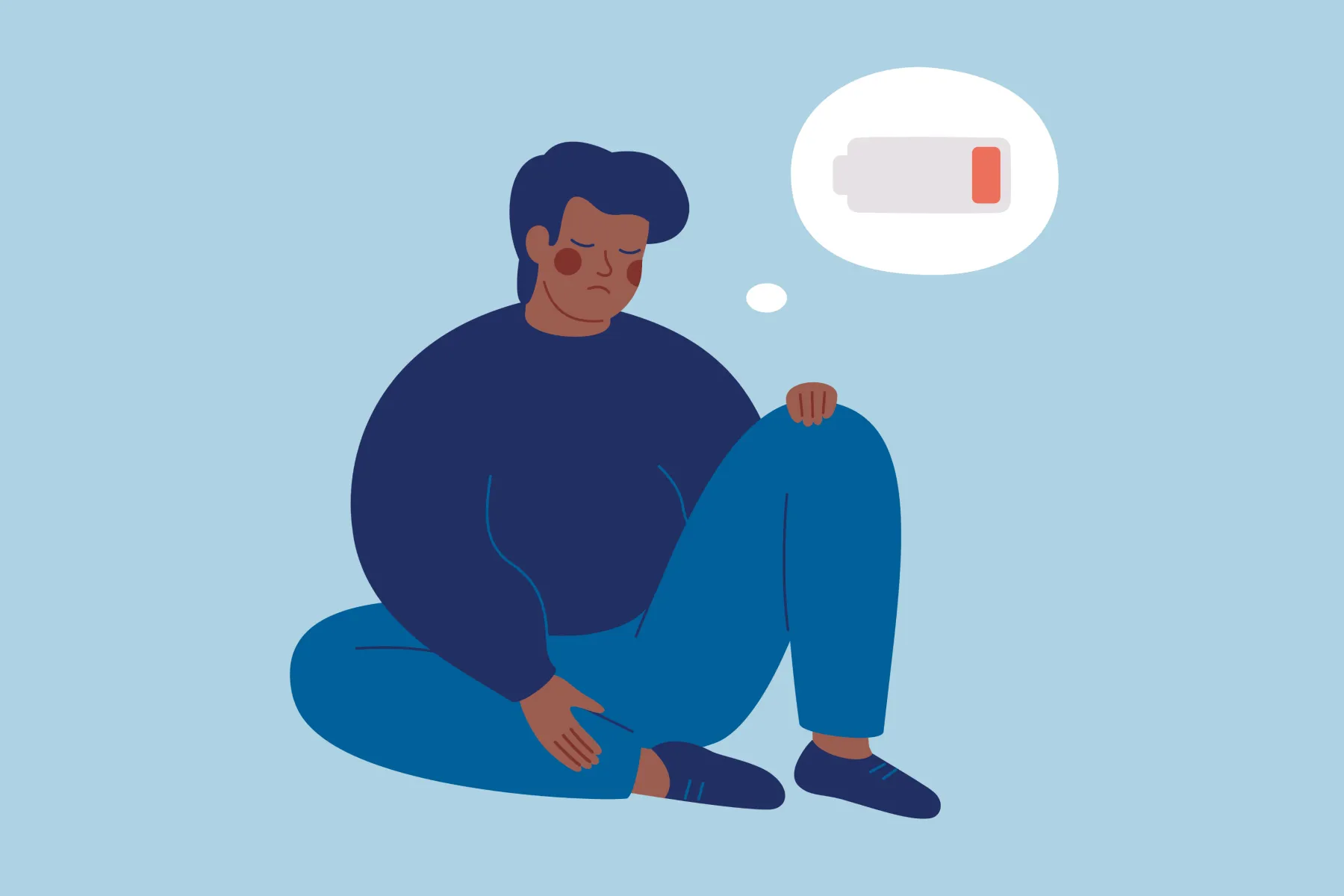
Type 1 diabetes is often described with numbers: blood sugar readings, insulin units, A1C results, carb counts, correction factors, time-in-range percentages, and the mysterious math that happens when pizza enters the chat. But anyone who lives with type 1 diabetes knows the condition is not only biological. It is emotional, social, mental, and sometimes deeply exhausting.
The effects of type 1 diabetes on mental health can be significant because the condition requires attention every single day. There are no vacation days from insulin. There is no “out of office” reply for a low blood sugar alarm at 2:13 a.m. Managing type 1 diabetes means making dozens of decisions that most people never have to think about: What will I eat? How much insulin do I need? Am I dropping? Am I rising? Did I pack supplies? Will people stare if my pump beeps during a meeting?
Over time, that constant mental load can affect mood, sleep, confidence, relationships, school, work, and overall quality of life. The good news is that mental health challenges related to type 1 diabetes are common, understandable, and treatable. The goal is not to be cheerful about diabetes every second of the day. The goal is to build support, reduce shame, and make life with type 1 diabetes feel less like a solo survival mission.
Why Type 1 Diabetes Affects Mental Health
Type 1 diabetes is an autoimmune condition in which the body no longer makes enough insulin. Because insulin is essential for moving glucose from the bloodstream into cells, people with type 1 diabetes need lifelong insulin therapy. That treatment can be life-saving, but it is also demanding.
Unlike many health conditions that involve taking medication once or twice a day, type 1 diabetes management is woven into ordinary activities. Eating lunch, exercising, driving, sleeping, traveling, dating, studying, working, and even catching a cold can all change blood sugar levels. This creates a unique mental burden: the person is not just living life; they are also running a tiny, unpaid, 24-hour metabolic control center.
The Mental Load of Daily Decisions
People with type 1 diabetes often have to think several steps ahead. A simple meal may involve checking glucose, counting carbohydrates, estimating insulin, considering activity level, thinking about stress, and deciding whether a meal might digest quickly or slowly. It is a lot of brain work for a sandwich.
This ongoing decision-making can lead to mental fatigue. Even when someone is doing everything “right,” blood sugar can still behave unpredictably. Hormones, illness, stress, sleep, temperature, menstrual cycles, and medication changes can all affect glucose levels. When effort does not always lead to predictable results, frustration is natural.
Blood Sugar Changes Can Affect Mood
Glucose levels can influence how a person feels in the moment. Low blood sugar may cause shakiness, sweating, confusion, irritability, anxiety-like symptoms, or difficulty concentrating. High blood sugar may leave someone feeling tired, foggy, thirsty, frustrated, or emotionally drained. These symptoms do not mean someone is “overreacting.” They are often the body and brain responding to real physiological changes.
This is one reason type 1 diabetes and mental health are so closely connected. A person may feel anxious because they are worried about a low. They may also feel anxious because they are actually becoming low. Sometimes the emotional and physical signals overlap so much that it feels like the body is sending a group text with no subject line.
Common Mental Health Effects of Type 1 Diabetes
The mental health effects of type 1 diabetes vary from person to person. Some people experience mild stress during difficult seasons. Others face depression, anxiety, diabetes distress, burnout, disordered eating, or social isolation. These challenges are not character flaws. They are understandable responses to living with a complex chronic condition.
Diabetes Distress
Diabetes distress is emotional strain related specifically to managing diabetes. It can include feeling overwhelmed by blood sugar numbers, guilty about food choices, tired of appointments, angry about the condition, or discouraged by the pressure to be “perfect.”
Diabetes distress can look like depression or anxiety, but it is not always the same thing. Someone may not be clinically depressed, yet still feel completely worn down by the daily demands of diabetes. A person may think, “I am tired of doing this,” even while continuing to check glucose, dose insulin, and show up for life.
Signs of diabetes distress may include avoiding glucose checks, skipping appointments, feeling defeated by readings, snapping at loved ones, or feeling emotionally numb about diabetes tasks. The key point is that diabetes distress deserves attention. Ignoring it does not make someone tougher; it often makes management harder.
Depression
Depression is more than having a bad day. It can involve persistent sadness, loss of interest, changes in sleep or appetite, low energy, hopelessness, difficulty concentrating, and thoughts of self-harm. People with diabetes have a higher risk of depression, and depression can make diabetes care more difficult.
When depression appears, tasks like changing a pump site, responding to alarms, preparing meals, or refilling supplies can feel enormous. A glucose meter on the counter may start to look less like a helpful tool and more like a tiny plastic judge. This is why depression should be treated as part of diabetes care, not as a separate personal failure.
Anxiety and Fear of Hypoglycemia
Anxiety is also common among people with type 1 diabetes. Some worry about blood sugar dropping too low in public, while sleeping, during exercise, or while driving. Others fear long-term complications, medical costs, device failures, or being judged by others.
Fear of hypoglycemia can be especially powerful. A severe low blood sugar episode can be frightening, and the memory of it may influence future behavior. Some people may intentionally keep their glucose higher to avoid lows, even though frequent highs can create other health concerns. This does not mean they are careless. It means fear is driving the decision-making process.
Support from diabetes educators, endocrinologists, and mental health professionals can help people create safer plans without letting fear run the whole show.
Diabetes Burnout
Diabetes burnout happens when a person feels emotionally exhausted by diabetes management. It may show up as avoidance, frustration, anger, numbness, or the sense that no amount of effort is enough. Burnout can happen after years of living with type 1 diabetes, but it can also appear shortly after diagnosis when the reality of the condition sinks in.
Burnout is not laziness. It is often the result of long-term pressure, unrealistic expectations, lack of support, financial stress, sleep disruption, and the constant need to make medical decisions. A person with burnout may still care deeply about their health but feel too drained to keep up with every task.
Sleep Problems
Sleep is a major part of mental health, and type 1 diabetes can make restful sleep harder. Overnight glucose alarms, fear of nighttime lows, high blood sugar symptoms, pump alerts, and parent monitoring can interrupt sleep repeatedly. Poor sleep can worsen mood, increase irritability, reduce concentration, and make diabetes decisions harder the next day.
Parents of children with type 1 diabetes may also experience sleep loss. Many wake during the night to check glucose levels or respond to device alarms. This creates a family-wide mental health effect. When everyone is tired, even a cereal bowl left in the sink can feel like a personal attack.
Disordered Eating and Body Image Concerns
Type 1 diabetes can complicate a person’s relationship with food. Diabetes management often involves carbohydrate counting, meal planning, weight discussions, and attention to numbers. For some people, especially teens and young adults, this can increase the risk of disordered eating behaviors.
Some people with type 1 diabetes may restrict food, binge eat, feel guilt around meals, or misuse insulin in an attempt to influence weight. Insulin restriction is dangerous and can lead to diabetic ketoacidosis, hospitalization, and long-term complications. Because disordered eating can hide behind “diabetes management,” early screening and compassionate support are essential.
How Type 1 Diabetes Affects Children, Teens, and Families
Children and teens with type 1 diabetes face unique mental health challenges. They are developing identity, independence, friendships, and self-confidence while also learning medical skills that many adults find complicated. That is a big assignment for someone who may still be negotiating bedtime or algebra.
School, Sports, and Social Pressure
Young people may worry about checking glucose in front of classmates, explaining devices, missing class for nurse visits, or managing blood sugar during sports. Some may feel embarrassed by alarms, pumps, continuous glucose monitors, or needing snacks at unusual times.
Teens may also struggle with wanting independence while parents still need to monitor safety. This can create conflict at home. A parent may ask, “Did you bolus?” out of concern, while the teen hears, “You are not responsible.” Both sides may be exhausted, and both may need help communicating without turning every blood sugar reading into a courtroom scene.
Parent and Caregiver Stress
Type 1 diabetes affects caregivers too. Parents may feel fear, guilt, sadness, financial pressure, and sleep deprivation. They may worry about severe lows, school safety, insurance coverage, or whether they are doing enough. Siblings may feel confused or overlooked when diabetes gets much of the family’s attention.
Family-based support can help. When diabetes care is shared in age-appropriate ways, children can build independence while caregivers remain involved. Mental health counseling, diabetes education, and peer support can make the family system stronger.
The Social and Emotional Side of Living With Type 1 Diabetes
The emotional effects of type 1 diabetes are not limited to medical tasks. The condition can influence how people see themselves and how they relate to others.
Stigma and Misunderstanding
People with type 1 diabetes often hear comments that are inaccurate or unhelpful. Someone may ask, “Did you get diabetes from eating too much sugar?” or say, “My aunt cured hers with cinnamon.” These comments may be well-intended, but they can be exhausting. For the record, cinnamon is lovely on oatmeal, but it is not a pancreas.
Misunderstanding can make people feel isolated. They may avoid talking about diabetes because they do not want advice, pity, or judgment. Education helps, but so does empathy. Sometimes the most helpful thing a friend can say is, “That sounds hard. How can I support you?”
Relationships and Dating
Type 1 diabetes can also affect dating and relationships. People may wonder when to tell a partner, how to explain devices, or whether someone will react awkwardly to injections, alarms, or emergency supplies. Intimacy, alcohol, late nights, travel, and shared meals can all require extra planning.
A supportive partner does not need to become a diabetes expert overnight. They simply need to respect the condition, learn the basics, and avoid acting like the glucose monitor is a magic mood ring. Communication matters. So does humor, patience, and knowing where the fast-acting carbs are kept.
Type 1 Diabetes Technology: Helpful, but Not Emotion-Free
Technology has changed life with type 1 diabetes. Continuous glucose monitors, insulin pumps, automated insulin delivery systems, smart pens, and apps can improve safety and reduce some burdens. They can also create new emotional challenges.
Alarm Fatigue
Device alarms can be helpful, but constant alerts may become stressful. A person may feel watched by their own body data. Parents may receive remote glucose alerts and feel unable to relax. Adults may feel embarrassed when alarms go off at work, school, or social events.
Alarm fatigue can make people want to silence alerts or take breaks from devices. That reaction is understandable. A diabetes care team can help adjust alarm settings, review patterns, and create a plan that balances safety with sanity.
Data Overload
More data is not always more peace. Seeing glucose trends all day can be empowering, but it can also increase anxiety. Some people begin judging every number as good or bad. A more helpful approach is to treat glucose data as information, not a moral report card.
Blood sugar numbers are not grades. They are signals. They help guide decisions, but they do not define a person’s worth, discipline, intelligence, or future.
How Mental Health Affects Diabetes Management
The relationship between type 1 diabetes and mental health goes both ways. Diabetes can affect mood, and mood can affect diabetes care.
When someone is anxious, they may check glucose repeatedly or avoid activities that feel risky. When someone is depressed, they may struggle to eat regularly, dose insulin, attend appointments, or respond to alerts. When someone is burned out, they may stop tracking patterns because the numbers feel discouraging. None of this means they do not care. It means their mental health needs support.
Improving mental health can make diabetes management feel more possible. Therapy, peer support, practical education, medication when appropriate, better sleep routines, and realistic diabetes goals can all help. Small changes matter. Sometimes the first step is not “fix everything.” It is “answer one alarm, drink water, and message the care team.”
Ways to Support Mental Health With Type 1 Diabetes
There is no single perfect strategy for protecting mental health with type 1 diabetes. Most people need a mix of medical support, emotional support, practical routines, and permission to be human.
Build a Team That Includes Mental Health
A strong diabetes care team may include an endocrinologist, diabetes educator, dietitian, primary care professional, and mental health professional. Ideally, mental health screening should be part of routine diabetes care, especially during major transitions such as diagnosis, adolescence, pregnancy, college, job changes, or new complications.
A therapist familiar with chronic illness or diabetes can help with anxiety, depression, burnout, eating concerns, family conflict, and adjustment stress. Therapy is not only for crisis moments. It can also be maintenance, like changing a pump site before things get messy.
Use Language That Reduces Shame
Words matter. Instead of calling blood sugar “good” or “bad,” many people find it healthier to say “in range,” “high,” or “low.” This small shift reduces moral judgment. A high glucose reading is not a personality flaw. A low is not a failure. It is information that helps guide the next step.
Create Flexible Routines
Routines can reduce decision fatigue. Keeping supplies in predictable places, preparing backup snacks, setting refill reminders, and planning for exercise can make diabetes feel less chaotic. But routines should be flexible. Life happens. Pumps fail, restaurants change menus, workouts run long, and sometimes a person forgets something because they are a person, not a pancreas-shaped robot.
Connect With People Who Understand
Peer support can be powerful. Diabetes camps, online communities, local support groups, and nonprofit organizations can help people feel less alone. Talking with someone who understands carb counting, insurance battles, sensor adhesive drama, and the emotional sting of a stubborn high can be deeply validating.
Know When to Seek Help Quickly
Professional help is important if a person feels persistently sad, anxious, hopeless, emotionally numb, or unable to manage daily care. Help is urgent if someone has thoughts of self-harm, is restricting insulin, has repeated diabetic ketoacidosis, is unable to sleep due to fear, or feels unsafe. In the United States, anyone in immediate emotional crisis can call or text 988 for the Suicide & Crisis Lifeline.
Personal Experiences and Real-Life Reflections: What Living With Type 1 Diabetes Can Feel Like
To understand the effects of type 1 diabetes on mental health, it helps to look beyond the clinic and into everyday life. Imagine waking up and checking your glucose before your feet hit the floor. If the number is in range, the morning feels lighter. If it is high, you may feel irritated before breakfast even exists. If it is low, you may be drinking juice while half-asleep, wondering why your body scheduled an emergency meeting at dawn.
Many people describe type 1 diabetes as a background app that never closes. Even during happy moments, it is still running. At a birthday party, there is cake math. During a hike, there is snack math. At a work presentation, there is the quiet hope that the glucose alarm does not sing the song of its people in front of the entire conference room. This constant awareness can create a sense of being different, even when life looks normal from the outside.
One common experience is the emotional roller coaster of “doing everything right” and still getting a result that makes no sense. A person may count carbs carefully, dose insulin, walk after dinner, drink water, and still see a high glucose reading. That can feel unfair. It can also trigger self-blame. But blood sugar is influenced by many factors, and perfect control is not realistic. The healthier goal is learning patterns, adjusting safely, and refusing to turn every number into a personal insult.
Another real-life challenge is explaining type 1 diabetes to people who do not understand it. Some people become tired of being educators everywhere they go. They may not want to explain the difference between type 1 and type 2 diabetes while standing in a grocery store aisle. They may not want comments about food, weight, needles, or whether they “should” be eating something. Over time, these small interactions can build emotional fatigue.
For teens and young adults, type 1 diabetes can affect independence. Going to college, sleeping over at a friend’s house, dating, traveling, or driving can feel exciting and scary at the same time. Parents may worry and check in often. The young person may want freedom but also need backup. This tension can be stressful, but it can improve with trust, planning, and honest conversations about safety.
Adults may face a different set of emotional pressures. They may worry about health insurance, medical costs, workplace accommodations, pregnancy planning, long-term complications, or caring for others while managing their own condition. Many adults become highly skilled at appearing fine. They go to work, raise families, pay bills, and answer emails while quietly calculating insulin corrections in the background. Being capable does not mean they are not tired.
There are also moments of strength. People with type 1 diabetes often develop problem-solving skills, resilience, body awareness, and empathy. They learn to plan ahead, adapt quickly, advocate for themselves, and keep going after difficult days. None of this makes diabetes easy, and it should not be romanticized. But many people discover that they are stronger than they expected, especially when they have support.
The most helpful message for anyone living with type 1 diabetes is this: your mental health counts as diabetes care. Rest counts. Support counts. Asking for help counts. Taking a break from perfection counts. You are allowed to be frustrated, grateful, angry, hopeful, tired, proud, and completely over itsometimes before lunch. Type 1 diabetes may demand attention, but it does not get to define your entire identity.
Conclusion
The effects of type 1 diabetes on mental health are real, complex, and deeply human. This condition asks people to manage medical decisions every day while also living full lives. Depression, anxiety, diabetes distress, burnout, sleep disruption, disordered eating, and social stress can all appear along the way. These challenges deserve the same seriousness as blood sugar numbers, insulin doses, and lab results.
Living well with type 1 diabetes is not about being perfect. It is about having the right tools, the right support, and the right language to make the condition more manageable. Mental health care should be part of diabetes care because the mind and body are working through this together. When emotional well-being improves, diabetes management often becomes less lonely, less shame-filled, and more sustainable.
Note: This article is for educational purposes only and does not replace advice from a qualified medical or mental health professional. Anyone experiencing severe depression, thoughts of self-harm, insulin restriction, or an emotional crisis should seek immediate professional support.