
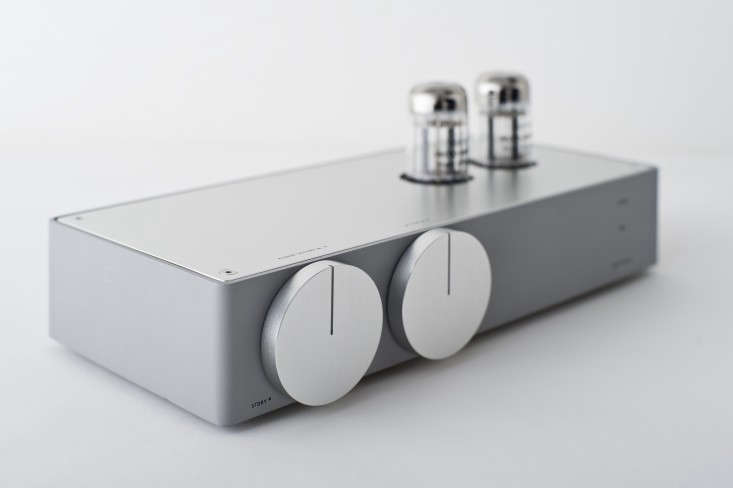
An Elekit tube amp vacuum tube amplifier is the kind of audio gear that makes perfectly reasonable adults say things like, “I just need one more pair of tubes,” before disappearing into a weekend of solder smoke, jazz records, and strangely intense opinions about output transformers. But behind the glowing glass and old-school charm is a surprisingly modern idea: give music lovers a serious hi-fi amplifier they can build, understand, customize, and actually enjoy every day.
Elekit, a Japanese kit-audio brand from EK Japan, has earned a loyal following among DIY hi-fi fans because its amplifiers are not random boxes of parts thrown into a cardboard mystery dungeon. They are carefully engineered kits with organized boards, thoughtful layouts, detailed instructions, and real-world usability. Models such as the Elekit TU-8900E, TU-8200R, TU-8800, and related tube preamps have become popular among listeners who want the magic of vacuum tubes without needing a degree in electrical engineering or a beard long enough to store spare resistors.
What Is an Elekit Tube Amp Vacuum Tube Amplifier?
An Elekit tube amplifier is usually sold as a DIY kit, meaning the owner assembles the amplifier from supplied parts. Unlike many budget tube amps that arrive fully built but mysterious inside, Elekit amps invite the listener into the machine. You are not just buying sound; you are buying the experience of making the sound possible.
Most Elekit tube amp models use classic vacuum tube amplifier designs, including single-ended triode and single-ended pentode circuits. These designs are loved for their immediacy, dimensional imaging, harmonic texture, and natural midrange. In plain English, vocals sound human, guitars have body, cymbals shimmer without turning into tiny knives, and acoustic instruments can feel like they are sitting in the room rather than hiding behind a spreadsheet.
The phrase vacuum tube amplifier often suggests warm, vintage, soft, and romantic sound. That can be true, but the better Elekit designs are not simply “warm blankets with speaker terminals.” They are known for being quiet, controlled, detailed, and surprisingly refined when paired with suitable speakers or headphones.
Why Tube Amplifiers Still Matter
Solid-state amplifiers dominate modern audio because they are efficient, powerful, affordable, and easy to maintain. So why would anyone choose glowing glass bottles that get hot enough to make a cat reconsider its life choices? Because sound is not only about watts. It is also about tone, texture, timing, and emotional connection.
Tube amplifiers often produce harmonic characteristics that many listeners describe as natural or musical. That does not mean tubes are automatically more accurate than transistors. It means they can present music in a way that feels less mechanical and more alive. A well-designed Elekit tube amp can make a small jazz ensemble feel intimate, a singer-songwriter recording feel tactile, and a late-night listening session feel like a tiny private concert.
Elekit’s appeal is that it combines traditional tube principles with modern circuit design. Features such as automatic bias adjustment, soft-start protection, low-noise power supplies, carefully designed printed circuit boards, and optional premium transformers make these kits more approachable than old-school point-to-point builds. It is vintage flavor without the “why is smoke coming out of the left channel?” drama.
Popular Elekit Tube Amp Models
Elekit TU-8900E: The 300B and 2A3 Dream Machine
The Elekit TU-8900E is one of the brand’s most admired amplifiers. It is a single-ended power amp kit designed for two legendary directly heated triode tubes: the 300B and the 2A3. These tubes look somewhat similar, but they operate differently and traditionally require different amplifier settings. The clever part is that the TU-8900E automatically detects whether 300B or 2A3 tubes are installed and adjusts the filament voltage and operating conditions accordingly.
That feature matters because tube rolling is part of the fun. With 300B tubes, listeners often expect a rich midrange, generous body, and more bass authority. With 2A3 tubes, the presentation is commonly described as more delicate, transparent, and intimate. The TU-8900E lets owners explore both personalities in one chassis. It is like owning two flavors of audiophile ice cream, except one of them glows blue and the other glows green around the volume knob.
The TU-8900E also includes a tube-friendly warm-up design, low-noise filament power, protective current shutdown, and the ability to switch to a non-negative-feedback setting by changing a short plug on the circuit board. For experienced listeners, that feedback option is a meaningful tuning tool. For everyone else, it is proof that this amp was designed by people who know audiophiles enjoy experimenting almost as much as listening.
Elekit TU-8900VK: The Upgrade Path for Serious Ears
The TU-8900 platform is also associated with upgraded versions using premium components such as Lundahl output transformers. In the tube amplifier world, output transformers are not small details; they are central to how the amplifier transfers music to the speakers. Upgraded transformers can influence bass control, treble extension, imaging, and overall clarity.
The North American Elekit community often discusses upgraded builds with Lundahl amorphous-core output transformers, Audio Note capacitors, and carefully selected resistors. These versions cost more, but they are aimed at listeners who want boutique amplifier performance while still enjoying the satisfaction and value of a kit-based platform.
Elekit TU-8200R: Flexible, Friendly, and Fun
The Elekit TU-8200R is another favorite because it is more flexible and approachable than many traditional tube amps. It is typically associated with 6L6GC output tubes but can support several compatible power tubes, including KT66, KT88, EL34, 6CA7, and 6550 types depending on configuration and model guidance. That makes it a playground for tube rollers who want to hear how different glass changes the personality of the amplifier.
The TU-8200R also includes automatic bias adjustment, which removes one of the more intimidating maintenance chores from tube ownership. Instead of manually setting bias with test points, meters, and a nervous expression, the amplifier handles the process. That does not mean owners should ignore safety or instructions, but it does make the experience much friendlier.
Another reason the TU-8200R is loved is its dual role as a speaker amplifier and headphone amplifier. For apartment listeners, late-night music fans, or anyone whose family does not want to hear a trumpet solo at midnight, this is a practical advantage. It can drive suitable speakers during the day and become a serious headphone amp after hours.
Elekit TU-8800: More Tube Choices, More Power Options
The Elekit TU-8800 is a single-ended power amplifier kit designed around popular octal-base pentode and beam power tubes. It supports tube families such as 6V6, 6L6, EL34, and KT-series tubes through selectable power modes. It also allows switching between triode and ultralinear operation, giving users another way to shape the sound.
With KT88 tubes in high-power ultralinear mode, the TU-8800 can provide more output than lower-powered triode designs, making it useful for listeners who want some tube sweetness without being limited to extremely sensitive speakers. It still is not meant to replace a massive solid-state powerhouse, but in a carefully matched system, it can deliver satisfying dynamics, clean tone, and wide frequency response.
How Does an Elekit Tube Amp Sound?
The sound of an Elekit tube amplifier depends on the model, tubes, speakers, transformers, capacitors, and room. That said, several qualities show up again and again in listening impressions: low noise, smooth midrange, convincing imaging, and a sense of musical ease.
With vocal music, an Elekit tube amp can be especially rewarding. A good 300B or 2A3 amplifier has a way of making voices feel centered, dimensional, and emotionally direct. You hear breath, phrasing, and subtle changes in tone without the presentation becoming clinical. It is detailed, but it does not sit there with a lab coat and a clipboard judging your playlist.
Jazz, acoustic folk, chamber music, blues, classic rock, and vocal recordings are natural territory. Electric guitars have texture. Saxophones sound woody and breathy. Piano notes decay into the room instead of vanishing like unpaid interns. The best Elekit amps are not about fake warmth; they are about making recorded music feel less flattened.
The limitations are just as important. Many Elekit models are lower-powered than mainstream solid-state amps. A single-ended 300B amplifier may sound glorious with high-efficiency speakers but struggle with demanding low-sensitivity speakers in a large room. Bass-heavy electronic music, huge orchestral peaks, and stadium-level rock may require careful speaker matching or a more powerful amplifier.
Speaker Matching: The Secret Sauce
Buying a tube amp without considering speaker sensitivity is like buying running shoes without checking the size. It might work, but the results could be emotionally educational. Many Elekit tube amplifiers shine with speakers that are easy to drive, preferably with higher sensitivity and friendly impedance curves.
For lower-powered single-ended triode models, speakers in the mid-90 dB sensitivity range or higher are usually a better match. Horn speakers, full-range drivers, efficient bookshelf speakers, and certain vintage-style designs can work beautifully. Less efficient speakers may still play, but the amplifier may run out of headroom before the music reaches satisfying volume.
The TU-8200R and TU-8800 offer more flexibility, especially with tube and operating mode choices. They can be more forgiving in real-world rooms, though speaker matching still matters. The reward for getting the pairing right is a sound that feels open, fast, and present without requiring dangerous volume levels.
The Build Experience
One of the biggest reasons people choose an Elekit tube amp vacuum tube amplifier is the build. Elekit kits are respected because they are organized, logical, and well documented. Builders usually need basic tools such as a soldering iron, screwdriver, wire cutters, long-nose pliers, and patience. Patience is not included in the box, but coffee helps.
Compared with scratch-built tube projects, Elekit kits reduce the uncertainty. Printed circuit boards, labeled parts, modular sections, wiring harnesses, and clear mechanical layouts make the process manageable for careful beginners and satisfying for experienced DIY audio fans. The result is not a science fair project taped together with optimism. It is a real hi-fi component.
Still, this is not a toy. Tube amplifiers use high voltages, and builders should follow the official manual exactly. Younger hobbyists or first-time builders should work with experienced adult supervision or a qualified technician. Good soldering technique, careful part identification, and slow inspection matter. The amplifier will not reward “close enough” assembly. It is audio, not soup.
Why DIY Makes the Music More Personal
There is a special satisfaction in listening to an amplifier you built yourself. The first successful power-up feels like launching a tiny spaceship, except the destination is your favorite record. When music comes through both channels cleanly, you do not just hear the amp; you remember the work behind it.
This is part of Elekit’s charm. The ownership experience is deeper than unboxing a finished product. You learn where the power supply lives, how the output transformers mount, why tube sockets matter, and how design choices affect usability. Even if you never become an electronics expert, you gain respect for the engineering inside every amplifier.
DIY also makes upgrades feel more meaningful. Swapping tubes, installing better capacitors, choosing premium output transformers, or adjusting feedback settings becomes part of a long-term relationship with the amplifier. Instead of treating the amp as a sealed appliance, you treat it as a musical instrument that can be tuned.
Tube Rolling and Upgrades
Tube rolling is the hobby of trying different vacuum tubes to change the sound. In Elekit amplifiers, this can be a major attraction. A TU-8900E owner might compare 300B tubes from different manufacturers or switch between 300B and 2A3 operation. A TU-8200R owner might explore 6L6GC, EL34, KT88, or other compatible tubes. A preamp owner may experiment with 12AU7 or 12AX7 variants where supported.
The changes can be subtle or obvious. Some tubes add warmth and body. Others emphasize clarity, speed, or top-end sparkle. Some look beautiful and sound ordinary, which is the audio hobby’s way of reminding us not to judge glass by its glow.
Beyond tubes, output transformer upgrades are among the most discussed improvements. Lundahl transformers, especially amorphous-core versions used in some premium Elekit builds, are praised for improving soundstage depth, bass articulation, and fine detail. Capacitor and resistor upgrades are also common, though owners should avoid turning a sensible project into a financial black hole with RCA jacks.
Who Should Buy an Elekit Tube Amp?
An Elekit tube amp is ideal for listeners who want excellent sound, enjoy hands-on projects, and appreciate the character of vacuum tubes. It is especially appealing if you listen to vocals, jazz, acoustic music, classic rock, blues, or vinyl. It is also a smart choice for hobbyists who want a kit that is serious without being hostile.
It may not be the right choice if you need huge power, remote control convenience, home theater integration, or plug-and-play simplicity. If your speakers are difficult to drive, your room is large, and your favorite listening level is “neighbor litigation,” a low-powered tube amp may not be the best fit.
But if you value tone, intimacy, build quality, and the joy of making something with your own hands, Elekit deserves serious consideration. These amplifiers occupy a sweet spot between DIY education and high-end audio performance.
Real-World Experiences with an Elekit Tube Amp Vacuum Tube Amplifier
Living with an Elekit tube amp is different from living with a typical black-box amplifier. The first difference is ritual. You turn it on, give the tubes a moment to warm, and the room changes. The glow is not just decorative; it tells your brain that listening time has officially begun. A phone can stream a million songs, but a tube amp makes you choose one and actually pay attention.
During everyday listening, the most memorable experience is often the midrange. Put on a well-recorded vocal track, and the singer can appear with a shape and presence that feels almost physical. Not louder, not artificially brighter, just more there. This is where an Elekit amplifier can become addictive. You start replaying familiar songs because small details appear: a breath before a phrase, fingers brushing strings, a room echo behind a snare drum. Suddenly, your “quick listening session” becomes two hours, and the laundry remains folded only in theory.
With headphones, models that include a proper headphone output can become surprisingly useful. The sound is intimate and relaxed, especially with high-quality dynamic headphones. Instead of the hyper-detailed, microscope-style presentation of some modern headphone amps, an Elekit can offer body and flow. It is the difference between inspecting a painting under fluorescent lights and seeing it in a comfortable gallery.
Speaker listening is more dependent on matching. With efficient speakers, an Elekit tube amp can sound spacious and effortless at normal home volumes. Imaging is often a highlight. Instruments occupy stable positions, and the stage can extend beyond the speaker boxes. The effect is not fake surround sound; it is the result of good timing, low noise, and a clean signal path. When everything clicks, the speakers seem less like hardware and more like windows.
The build experience also becomes part of the memory. Sorting resistors, checking capacitor values, mounting transformers, and inspecting solder joints may sound boring to outsiders. To the builder, it becomes a story. Every finished panel and successful test builds confidence. The first time the amplifier plays music, it feels personal. You do not simply own the amp; you participated in its existence. That emotional connection is hard to price, though the audio industry will certainly try.
Maintenance is part of ownership but not a burden for careful users. Tubes age, heat matters, and ventilation is important. The amplifier should have space around it, and tube changes should be done only when the unit is powered down, cool, and handled safely. Owners should resist the temptation to treat tube rolling like speed dating. Make one change, listen for a while, and let your ears adjust.
The best experience with an Elekit tube amp comes from slowing down. Use good speakers, sensible cables, a stable source, and music you actually love. Do not chase upgrades before hearing what the stock design can do. Many owners discover that the basic kit already offers the main reward: music that feels textured, dimensional, and human. The glow is nice. The sound is the reason it stays.
Conclusion
The Elekit tube amp vacuum tube amplifier is not just another audio component. It is a bridge between classic tube sound and modern DIY engineering. From the flexible TU-8200R to the ambitious TU-8900E and its 300B/2A3 magic, Elekit gives music lovers a rare combination of performance, education, customization, and pride of ownership.
For the right listener, an Elekit amplifier can be a long-term audio companion: quiet enough for serious listening, expressive enough for emotional connection, and customizable enough to keep the hobby interesting. It asks for care, patience, and good speaker matching, but it gives back something many mass-market amplifiers cannot: the feeling that music is being made fresh in the room.
Editorial note: This article is original, rewritten for web publication, and synthesized from current manufacturer information, retailer descriptions, technical references, and real-world review impressions. Source links are intentionally not inserted, as requested.














