
Corporate email addresses are supposed to be boring. They are meant to sit quietly on business cards, log-in screens, calendar invitations, and painfully long reply-all threads about who left yogurt in the office fridge. But every now and then, a company’s neat little naming system meets a real human name, and suddenly HR, IT, and the new employee are staring at the screen like it just insulted everyone’s grandmother.
That is exactly why the viral story of an employee whose initials created an accidentally inappropriate work email hit the internet’s funny bone so hard. The situation centered on Samantha Hart, whose name became a problem in workplaces that used the common email format of first initial plus last name. On paper, the system looked normal. In practice, it created an email username that sounded like crude bathroom slang. Naturally, HR noticed. Naturally, the internet did too. And naturally, netizens responded with the calm maturity of people who have just discovered a whoopee cushion in a boardroom.
The story is hilarious, yes. But it also reveals something surprisingly useful about modern workplace culture: policies that seem neutral can create awkward results when they collide with names, identities, language, and the unpredictable comedy of the alphabet.
The Viral Workplace Email Problem That Made HR Pause
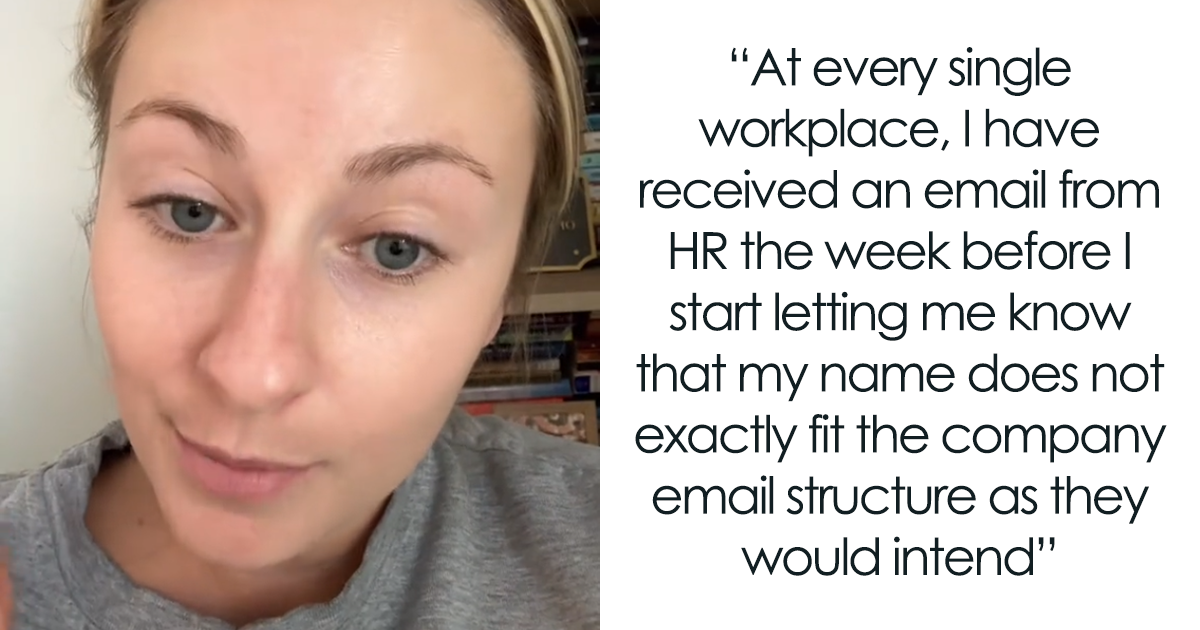
The story became widely shared after Samantha Hart explained that she often had to deal with the same uncomfortable conversation whenever she started a new job. Many companies use a standard email structure: first initial followed by last name. It is efficient, consistent, and easy for IT departments to automate. For example, a person named David Miller might become [email protected]. Simple enough.
But for Samantha Hart, that same structure produced a username that looked and sounded very unfortunate. In previous workplaces, HR reached out before her start date to say, in corporate language, that her name did not quite fit the company’s intended email format. Translation: “We generated your email address, immediately regretted it, and would like to discuss alternatives.”
Hart’s response was refreshingly practical. She did not want an email that looked inappropriate, and neither did the companies. So they changed it. The humor came from the fact that she had lived through this conversation more than once. By the time she encountered another employer using the same naming convention, she was already wondering whether to wait for HR to notice or warn them first.
That tiny pre-employment moment became a viral workplace comedy because it felt painfully real. Anyone who has worked in an office knows that systems are designed for clean spreadsheets, not messy reality. Names do not always behave like database fields. Initials can form odd words. Last names can create accidental jokes. Email conventions can accidentally turn a professional introduction into a middle-school giggle test.
Why The Internet Found It So Funny
Netizens laughed because the story had the perfect mix of innocence, bureaucracy, and absurdity. Nobody did anything wrong. No one was trying to be offensive. The employee simply had a name, the company simply had a policy, and the two produced a result that made everyone want to gently close the laptop and take a walk.
Online commenters quickly shared their own experiences with awkward work emails and usernames. Some people had names that combined into suggestive words. Others had usernames formed from the first few letters of their first and last names, creating strange little monsters that sounded like rejected cartoon villains. A few said their organizations had learned the hard way to avoid fully automated naming systems without human review.
That is part of why the story spread so easily. It was not just one employee’s unusual problem. It was a reminder that nearly every workplace has at least one policy that seems sensible until a real person gets caught in it. The humor was not mean-spirited. It was the kind of shared office laughter that says, “Yes, this is ridiculous, and yes, this could absolutely happen at my company.”
The Serious Side: Names Matter At Work
Even though the viral story is funny, it touches on a larger workplace truth: names are personal. They are tied to identity, dignity, and first impressions. A work email address is not just a technical credential. It is often the first thing clients, colleagues, vendors, and hiring managers see. When it accidentally creates an embarrassing phrase, it can make the employee feel uncomfortable before they have even attended orientation.
Workplace experts often emphasize the importance of using people’s names correctly, pronouncing them respectfully, and avoiding jokes that make employees feel singled out. Harvard Business Review has written about name pronunciation as a form of inclusion, noting that taking the time to say a colleague’s name correctly is part of creating a respectful workplace. SHRM has also discussed how respect around names and pronouns contributes to healthier workplace culture.
This does not mean every awkward email address is a legal emergency. Most are simply administrative mistakes waiting for a quick fix. But it does mean HR and IT teams should treat these issues with care. What feels funny to one person might feel embarrassing to another. The safest and most professional response is simple: notice the problem early, offer a respectful alternative, and do not turn the employee into the office punchline.
When A Joke Can Become A Workplace Problem
There is a difference between laughing at an absurd system and repeatedly joking about a coworker’s name. The first is harmless comedy. The second can become uncomfortable fast. The U.S. Equal Employment Opportunity Commission notes that offensive jokes, ridicule, mockery, name-calling, and insults can contribute to workplace harassment when they are severe or frequent enough to affect the work environment.
In plain English: one awkward email address can be funny. A workplace full of people teasing the employee about it every day is not funny anymore. That is when HR should step in, not because everyone must live in a humor-free cardboard box, but because professional respect still matters.
A good workplace can laugh at a silly situation without making a person feel small. The best version of this story is the one where HR notices the issue, the employee gets a better email address, everyone shares a quick laugh, and then the company moves on like adults with payroll forms to complete.
Why Companies Use First Initial + Last Name Emails
From a business standpoint, the first-initial-plus-last-name system is popular for obvious reasons. It is short, predictable, and easy to scale. It also avoids some of the duplication problems that happen when a company hires three people named Jessica, two Michaels, and a Chris who insists his full name is Christopher, thank you very much.
However, the system is not perfect. It can create duplicates. It can accidentally spell inappropriate words. It can be confusing for people with hyphenated names, multiple family names, preferred names, name changes, or names that use characters not supported by the company’s software. Microsoft 365 and Google Workspace both provide administrative tools to update user names, email addresses, display names, and aliases, which means companies usually have options when an automatically generated email address goes sideways.
The lesson is not that businesses should abandon naming conventions entirely. Without standards, email systems can turn into chaos. The lesson is that standards need exceptions. A policy that cannot handle a real person’s name is not a strong policy. It is a spreadsheet wearing a fake mustache.
What HR Should Do When Initials Become Awkward
1. Review New Email Addresses Before Launch
The easiest fix is also the most obvious: check generated email addresses before sending them to employees. This can be done manually by HR or IT, or through filters that flag potentially inappropriate words. A quick review can prevent an embarrassing welcome email from becoming a company legend.
2. Offer Alternatives Without Making It Weird
If a generated address looks awkward, HR should keep the message simple and professional. Something like, “Our standard format may create an unintended result, so we would like to offer an alternate email format. Which of these options do you prefer?” That approach gives the employee control without forcing them to explain the joke.
3. Create A Clear Exception Policy
Companies should allow alternate formats such as firstname.lastname, firstnamelastname, preferredname.lastname, or firstinitial.middleinitial.lastname. A written exception policy helps IT avoid making one-off decisions under pressure and gives employees confidence that the process is fair.
4. Protect The Employee From Becoming The Joke
HR should avoid forwarding screenshots, joking in group chats, or treating the issue as office entertainment. The internet can laugh because the story was shared voluntarily. Inside a workplace, the employee’s comfort comes first.
5. Remember That Name Changes Are Normal
Employees may change names because of marriage, divorce, gender identity, personal preference, cultural reasons, or safety concerns. Systems should be flexible enough to update display names and email aliases without creating unnecessary friction.
What Employees Can Do If Their Work Email Is Embarrassing
If your company-generated email address accidentally spells something awkward, you do not have to suffer in silence while clients unknowingly type comedy into the “To” field. Bring it up early and directly. A short message to HR or IT is usually enough.
You might write: “I noticed the standard email format creates an unintended word with my name. Could we use an alternate format, such as firstname.lastname or firstinitial.middleinitial.lastname?” This keeps the tone professional and focuses on the solution.
It is also reasonable to ask whether the old address can be disabled or kept only as a hidden alias. Some systems allow mail sent to the old address to forward to the new one, but if the old version is truly embarrassing, the employee may prefer not to have it visible anywhere.
Why This Story Became More Than A One-Day Meme
What made Samantha Hart’s story stick was not just the awkward word. It was her delivery. She turned a recurring HR problem into a funny, relatable story about the strange rituals of corporate life. People connected with it because every workplace has its own tiny absurdities: badge photos taken at terrible angles, software that requires a password with seventeen symbols and a blood oath, and email formats that accidentally roast employees before their first day.
The story even had a later update. After marrying and changing her last name to Showalter, Samantha joked that the unfortunate email issue was finally behind her. The update gave the internet a satisfying ending: the employee escaped the cursed username, the joke retired with honor, and HR departments everywhere were reminded to double-check their email templates.
Experience-Based Reflections: What This Teaches Us About Office Life
Stories like this feel funny because they capture the strange gap between corporate systems and actual human beings. In theory, every company wants clean processes. In practice, people have names, histories, preferences, jokes, cultural backgrounds, and occasional alphabet-based disasters. A workplace that handles those moments gracefully usually feels more human than one that hides behind “that’s just our policy.”
Many employees have experienced a version of this problem, even if their initials did not create a viral username. Some have had their names misspelled on badges for months. Others have been assigned email addresses based on legal names they do not use professionally. Some have been given usernames that look strange, sound awkward when spoken aloud, or include extra numbers that make them feel like the fifth clone in a sci-fi movie.
The best workplace experiences happen when someone in HR or IT notices the issue and treats it like a normal fix, not a personal inconvenience. A thoughtful administrator might say, “This format does not work well for your name. Let’s choose another.” That one sentence can make a new employee feel seen before they even start. It signals that the company is paying attention and that the person matters more than the template.
On the other hand, the worst experiences usually happen when people dismiss the concern. “It’s not a big deal,” they say. But if an employee has to send that email address to clients, include it in presentations, or say it aloud on phone calls, it absolutely can feel like a big deal. Professional identity is built from small details. A name badge, an email signature, and a calendar profile may seem minor, but they are part of how a person enters the workplace.
There is also a teamwork lesson here. Humor can be a great bonding tool when everyone is included and no one is targeted. A new employee laughing about their own awkward email situation is different from coworkers turning that person into a running gag. Good teams know when to laugh with someone and when to let the joke retire. The difference is respect.
Managers can learn from this too. If an employee raises a concern about their name, email, display profile, or pronouns, the first response should not be debate. It should be curiosity and problem-solving. Ask what format they prefer. Check what the system allows. Find the simplest respectful option. Most of the time, the fix is easy; the bigger impact comes from how the company handles the conversation.
For HR departments, the story is a reminder that onboarding is not just paperwork. It is a first impression. Before an employee meets the team, they may already be interacting with the company through forms, usernames, email addresses, and internal systems. If those systems create embarrassment, confusion, or avoidable friction, the company has started the relationship with a tiny stumble. If HR catches the problem and fixes it kindly, the company starts with trust.
For employees, the lesson is equally practical: speak up early. If something about your work identity feels wrong or awkward, ask for a change before it spreads across systems. Most organizations would rather update one email address on day one than correct business cards, software accounts, client records, and twenty coworkers’ contact lists later.
In the end, the “inappropriate initials” story is not just about one unlucky email format. It is about how workplaces can be professional without being robotic, funny without being cruel, and standardized without being stubborn. The alphabet will continue causing chaos. HR will continue discovering surprises in onboarding forms. And somewhere, right now, an IT administrator is probably generating a username, pausing, and whispering, “Nope. We are not sending that.”
Conclusion
The viral story of an employee’s inappropriate initials becoming an HR issue proves that even the most ordinary workplace systems can produce comedy gold. A simple email convention turned into a funny internet moment because it was innocent, relatable, and deeply corporate in the best possible way. But behind the laughs is a smart lesson for employers: names deserve respect, systems need flexibility, and HR should always leave room for common sense.
Companies do not need to overcomplicate the solution. Review email addresses before launch, offer alternate formats, protect employees from unnecessary embarrassment, and remember that a name is more than a database entry. When HR handles awkward situations with kindness and humor, everyone wins. The employee gets a professional identity that does not make them cringe, the company avoids avoidable awkwardness, and the internet gets one more office story to laugh about during lunch.











