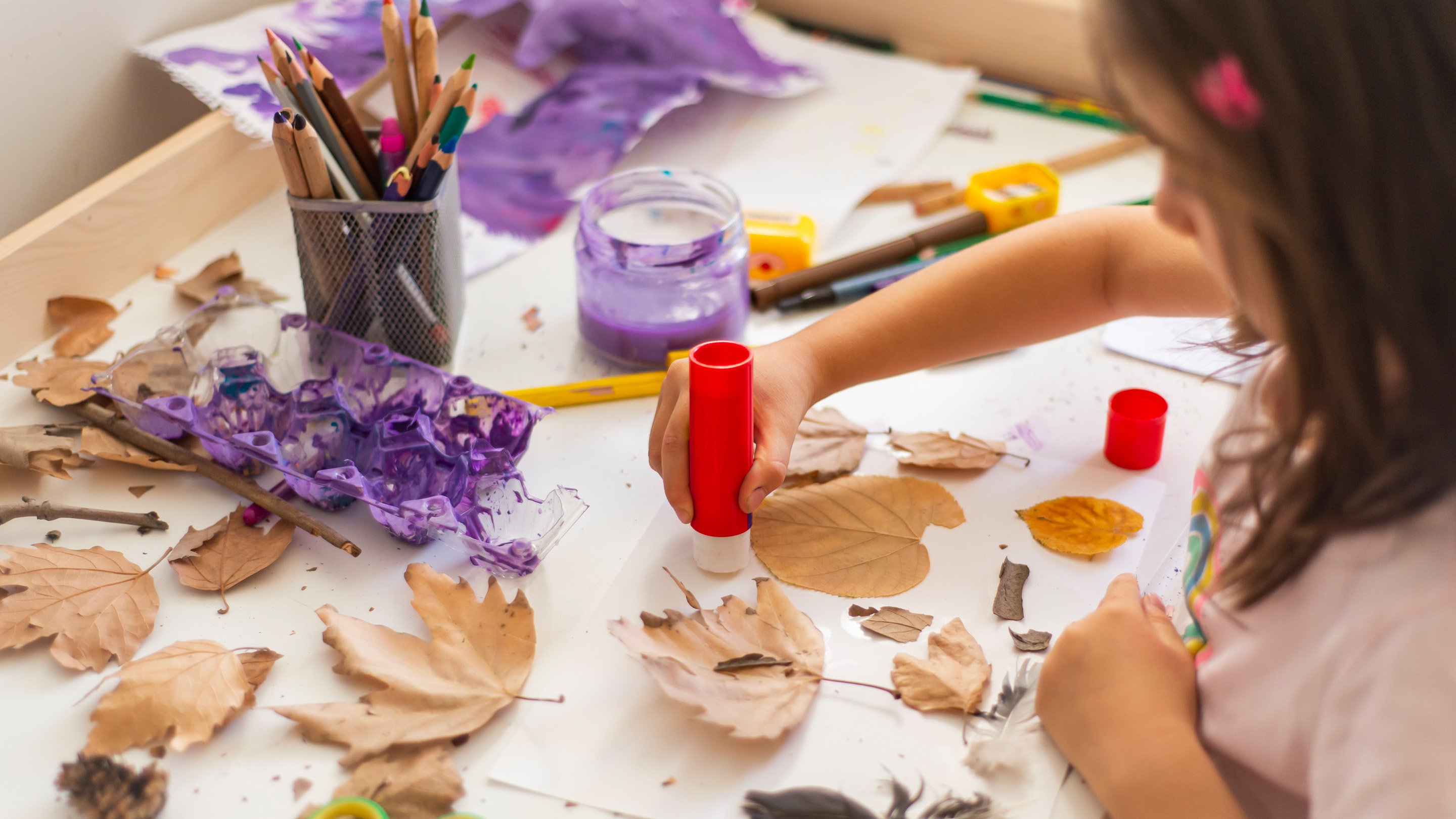
Walk into a strong K–2 classroom during playful learning, and it may initially appear that the children have taken over. One group is building a bridge from blocks, another is operating a pretend veterinary clinic, and two students are debating whether a paper dragon needs four wings or six. Look closer, however, and the room is packed with reading, counting, measuring, negotiating, planning, revising, and explaining.
The teacher has not disappeared. The teacher has designed the conditions in which curiosity can do some serious academic heavy lifting.
Playful learning is not recess wearing a tiny graduation cap. It is an intentional teaching approach that combines clear learning goals with meaningful choices, hands-on exploration, imagination, social interaction, and reflection. Research and professional guidance from early-childhood organizations, pediatric experts, and education researchers connect thoughtfully designed play with language growth, problem-solving, self-regulation, collaboration, and academic development.
What Playful Learning Means in the Early Grades
In kindergarten through second grade, playful learning generally sits on a continuum. At one end is free play, in which children choose the purpose, materials, rules, and direction. At the other is explicit instruction, in which the teacher determines the content and sequence.
Between them is guided play. The teacher establishes a learning goal and prepares an inviting environment, while children retain meaningful control over how they explore, solve problems, and represent their ideas.
For example, a teacher might place rulers, craft sticks, tape, toy animals, and photographs of bridges at a station. Students are challenged to build a bridge that spans 12 inches and supports three animals. The academic targets are measurement, spatial reasoning, collaboration, and engineering design. The experience still belongs to the children because they choose the structure, divide responsibilities, test ideas, and recover from the architectural tragedy of a bridge collapsing under one plastic giraffe.
Effective playful learning is active rather than passive, absorbing rather than compliance-driven, connected to meaningful ideas, open to revision, socially rich, and genuinely enjoyable. It does not eliminate direct teaching. Instead, it gives students a memorable context in which to apply what has been taught.
A short phonics lesson might be followed by a sound-sorting game. A mathematics mini-lesson could lead into a pretend store where children combine prices and compare quantities. Direct instruction introduces knowledge; playful learning helps children use it.
Begin With the Learning Goal, Not the Toy Bin
A pile of colorful materials can produce wonderful play, but color alone does not create a lesson. Before setting up an activity, identify the knowledge, skill, or learning habit students should practice. Then choose materials and a playful situation that make the goal useful.
Use a Simple Planning Formula
A practical formula is goal + invitation + choice + teacher nudge + reflection.
- Goal: Students will compare numbers within 20.
- Invitation: “The class zoo needs food packs for its animals.”
- Choice: Children select animals, quantities, tools, and recording methods.
- Teacher nudge: “Which animal has more food? How can you prove it?”
- Reflection: Students share one comparison strategy with a partner.
This framework protects both sides of playful learning. The goal prevents the activity from becoming random entertainment, while meaningful choices keep it from turning into a worksheet disguised with googly eyes.
Create Daily Choice Time With Intentional Materials
Choice time is most productive when it is protected, predictable, and thoughtfully stocked. Even 25 to 40 minutes can support deep learning when students understand the routines and do not spend half the period asking where the tape lives.
Offer a manageable selection of learning areas, such as blocks and construction, dramatic play, art and making, literacy, math games, science exploration, and small-world play. Rotate selected materials instead of rebuilding the entire classroom every Monday.
Open-ended materialsincluding blocks, paper, boxes, fabric, puppets, clips, counters, craft sticks, and writing toolsencourage more flexible thinking than objects with only one correct use.
Each area can contain subtle academic invitations. A pretend restaurant may include menus, order pads, price cards, and a reservation list. A construction zone might provide blueprints, labels, measuring tools, and safety signs. A puppet theater can offer story maps, setting cards, and character prompts.
These additions create authentic reasons to read, write, count, speak, and cooperate. Children are not completing isolated exercises simply because an adult assigned them. They are using academic skills because the restaurant needs an order, the construction crew needs a plan, or the puppet audience deserves an ending.
Use Well-Timed Questions to Extend Thinking
During guided play, the teacher becomes an observer, listener, documenter, and occasional plot twist. The goal is not to control every move. It is to notice what students understand and offer just enough support to move their thinking forward.
Questions That Deepen Learning
- “What are you trying to make happen?”
- “What have you tried so far?”
- “How are these two designs alike?”
- “What could you change if it does not work?”
- “Can you show that idea another way?”
- “What should your partner know before joining?”
A productive question opens a door; it does not drag the child through it. If students are balancing blocks, avoid immediately explaining why the tower keeps falling. Ask what they notice about the structures that stay upright.
If a child writes a sign using invented spelling, acknowledge the message, help the student listen for one useful sound, and invite a reread. The teacher’s restraint gives children room to plan, test, revise, and explain.
Make Literacy Playful Without Making It Fluffy
Playful literacy should complement systematic teaching in phonemic awareness, phonics, fluency, vocabulary, comprehension, and writing. It should not replace carefully sequenced instruction. Its role is to create meaningful opportunities for repeated use.
Sound Detectives
Hide picture cards around the room. Students collect pictures beginning with a target sound, sort them, and explain any “tricky suspects.” Older students can sort by vowel pattern, ending sound, syllable type, or word family.
Story Workshop
After a read-aloud, provide puppets, blocks, drawing supplies, and simple props. Children can retell the story, change its setting, invent a new problem, or create another adventure for the characters.
This supports oral language, sequencing, comprehension, perspective-taking, and narrative structure. It also gives teachers a useful window into what children actually understood from the text.
Classroom Post Office
Students write names, labels, delivery lists, short notes, questions, and replies. A child who groans at “Write three sentences” may happily produce six messages when the mail carrier is waiting and apparently operates a very strict delivery schedule.
Word-Building Games
Use magnetic letters, cards, or tiles for short challenges: build a word, change one sound, create a rhyme, sort words by spelling pattern, or find the mystery word from a set of clues. Keep the pace lively while providing accurate, specific feedback.
Turn Math and STEM Into Problems Worth Solving
Young learners often reveal more mathematical thinking while building, sorting, trading, measuring, and explaining than while silently circling answers. Guided play is especially useful for mathematical and spatial learning because children can manipulate quantities, shapes, patterns, and relationships in visible ways.
The Classroom Snack Shop
Provide play money, price tags, ten-frames, counters, bags, and order cards. Kindergarteners can count collections and match numerals. First graders can combine prices. Second graders can solve addition and subtraction situations, compare strategies, and calculate simple change.
Shape Architects
Ask teams to design a playground, animal habitat, or imaginary neighborhood using selected two-dimensional and three-dimensional shapes. Students label the shapes and explain why they selected them.
Measurement Rescue
A toy animal needs a bed, fence, bridge, or wheelchair ramp. Students choose tools, estimate dimensions, measure, compare results, and revise their work. Mistakes become useful information rather than proof that mathematics has personally betrayed them.
Pattern Laboratory
Students create repeating or growing patterns using cubes, sounds, movements, shapes, or drawings. Partners identify the rule, predict what comes next, and design a continuation.
Practice Social and Emotional Skills Through Role-Play
K–2 students are still learning how to join a group, disagree respectfully, wait for a turn, repair hurt feelings, and recognize another person’s perspective. These abilities improve through practice, not through a single poster that says “Be Kind” in cheerful bubble letters.
Role-play common situations before they become emergencies. Students can rehearse asking to join a game, responding when two people want the same material, telling a classmate that something is bothering them, or inviting a quiet partner to contribute.
Pause the scene and ask the audience to suggest possible next lines. Replay the situation using different solutions. Students can discuss which response felt respectful, which one solved the problem, and which one might accidentally start a dramatic sequel.
Pretend play naturally requires children to choose roles, maintain a shared scenario, communicate expectations, and resolve disagreements. It therefore creates a relatively low-risk environment for practicing emotional vocabulary, perspective-taking, flexibility, and self-control.
Design Play That Includes Every Learner
Play is not automatically inclusive. A loud dramatic-play center may overwhelm one child. A station requiring precise cutting may exclude another. A game with complicated spoken directions may leave a multilingual learner watching from the edge.
Plan several ways to enter an activity. Use picture directions, visual schedules, labeled materials, modeled examples, sentence starters, timers, sensory choices, larger manipulatives, adaptive tools, and clearly defined roles.
Allow students to demonstrate understanding through building, speaking, acting, drawing, pointing, photographing, or writing. Pairing and grouping decisions should also be intentional rather than becoming a daily social lottery.
Examine the classroom materials themselves. Dolls, books, family figures, names, foods, occupations, abilities, languages, and home settings should reflect many real lives. Inclusive play communicates, “You belong in this story,” not merely, “You may stand near the story while somebody else gets the clipboard.”
Some students benefit from additional structure. Offer two possible roles instead of eight, provide a first-then card, introduce a game in a small group, or create a quieter parallel version. Inclusion means adjusting the doorway, not lowering the intellectual ceiling.
Assess Learning Without Popping the Bubble
Assessment during play should be light, focused, and useful. Carry a clipboard, tablet, sticky-note pad, or short checklist containing two or three specific indicators.
During a construction challenge, record whether students measure from zero, compare lengths accurately, communicate with partners, and explain a revision. During story play, listen for sequencing, vocabulary, character motivation, and collaborative conversation.
Photographs of structures, dictated explanations, student-made signs, sketches, audio recordings, and quick reflection slips can become evidence of learning. The important step is connecting observations to a defined objective.
“Maya had fun with blocks” is pleasant but vague. “Maya compared two bridge lengths, selected a ruler, and revised her design after noticing a two-inch gap” provides usable instructional information.
End with a brief reflection circle or partner discussion. Ask what students discovered, where they struggled, what they changed, and what they might try next. Reflection turns activity into articulated learning and gives the teacher clues for tomorrow’s instruction.
Teach the Routines That Make Freedom Possible
Playful classrooms are not rule-free classrooms. In fact, meaningful choice depends on reliable routines. Explicitly teach students how to select an area, carry materials, request a turn, save unfinished work, handle minor disagreements, clean up, and reflect.
Model the wrong way with theatrical enthusiasmdumping every block onto the floor generally earns excellent reviewsand then ask students to identify the problem and demonstrate a better approach.
Use consistent signals, visual cues, cleanup warnings, and labeled storage. Limit center capacity with name cards or clips. Introduce one new activity at a time, especially during the opening weeks of school.
When routines weaken, reteach them. Avoid treating play as a privilege that can be permanently confiscated whenever children need more practice managing it.
Connect Playful Learning With Families
Some families worry that play means children are not receiving rigorous instruction. Communicate the academic purpose rather than reporting only the activity.
Instead of saying, “We played store,” explain that students counted collections, compared prices, wrote lists, practiced turn-taking, and solved addition problems.
Send home simple invitations using ordinary materials: sort laundry by color or size, estimate grocery quantities, build a paper bridge, act out a familiar story, or hunt for shapes during a walk. Family activities are most effective when they feel like shared conversation rather than a surprise packet of additional homework.
Classroom Experience: What Teachers Learn After Trying Playful Learning
The following composite reflects recurring classroom experiences described by early-grade educators rather than one teacher’s personal account.
A typical first attempt begins with enthusiasm, three new centers, seventeen containers, and enough laminated cards to survive a flood. Then the children arrive. One student uses the restaurant menus as capes. Another puts every plastic vegetable into a backpack. The “independent” writing center develops a six-person waiting list and a labor dispute over the purple marker.
At that moment, a teacher may conclude that playful learning sounds much better in conference presentations than it looks at 9:20 on a Tuesday morning.
Start Smaller Than You Think You Need To
The first lesson from classroom experience is that one well-taught center is more productive than six mysterious ones. Teachers introduce the materials, demonstrate possible uses, practice cleanup, and invite students to help create expectations.
Once children can manage one environment independently, another can be added. Within several weeks, students often handle responsibilities that initially required constant adult intervention.
Use Invitations That Create Momentum
The strongest play invitations are specific enough to focus attention but open enough to allow invention. “Play with the blocks” may produce engagement, but “Build a shelter that keeps three animals dry” gives children a shared problem.
Students still decide what the shelter looks like, which materials to use, how responsibilities will be divided, and how the design will be tested. The prompt provides direction without scripting the answer.
Observe Before Rescuing
When a tower falls, adults are tempted to recommend a wider base immediately. When partners disagree, a teacher may assign roles to restore peace. Intervention is sometimes necessary, especially when safety, exclusion, or escalating conflict is involved.
Often, however, a short pause reveals that children can revise the structure, suggest a trade, consult a visual problem-solving chart, or invent a solution that no adult predicted. Waiting five extra seconds can be a powerful instructional strategy.
Protect Time for Reflection
Without reflection, students may remember the cardboard castle while overlooking the geometry, vocabulary, writing, or teamwork embedded in the experience.
Teachers who reserve even three minutes for sharing often hear valuable evidence of learning: “We made the wall wider because the tall one kept tipping,” or “I changed the first sound and created a new word.” These statements make thinking visible to students, teachers, and families.
Recognize Different Forms of Engagement
Not every child experiences enjoyment in the same way. Some students leap into dramatic play. Others prefer arranging materials, drawing plans, repeating a familiar process, or watching carefully before participating.
Experienced teachers stop measuring engagement by volume. Quiet concentration can be playful. Repetition can be purposeful. A child who builds nearly the same ramp four days in a row may be conducting a serious investigation into slope, speed, force, and controlwhile also making tiny cars fly off the table with impressive consistency.
Connect Play to the Curriculum
Teachers also learn that playful learning cannot survive as a special Friday reward. It becomes sustainable when activities connect to standards, routines support independence, observations document progress, and explicit lessons provide the knowledge children need.
A first-grade teacher might explicitly demonstrate how to measure with connecting cubes before students design furniture for a cardboard house. A second-grade teacher may teach features of informational writing before students create museum displays about animals. A kindergarten teacher can model how to blend sounds before opening a pretend bakery where every item must be labeled.
The playful context does not weaken the academic goal. It gives the goal a job to do.
Expect Productive Imperfection
No playful-learning classroom operates like a carefully staged photograph. Materials migrate. Projects collapse. Students occasionally spend seven minutes deciding who gets to be the dragon. Some activities produce surprising insight, while others need to be redesigned.
Teachers improve the system by asking practical questions. Were the learning goals visible? Did students have real choices? Were the instructions clear enough for independence? Did the materials invite exploration? Did every child have a meaningful entry point? What evidence of learning appeared?
The room may remain lively, imperfect, and occasionally covered in paper scraps. That is not evidence that learning has stopped. Often, it is evidence that learning has become visible.
Conclusion
Facilitating playful learning in grades K–2 requires more than adding toys or games. It asks teachers to clarify academic goals, design inviting problems, protect student agency, observe carefully, intervene lightly, and build reflection into the school day.
When playful experiences are aligned with explicit instruction, children can practice literacy, mathematics, science, executive function, creativity, and social skills in contexts that matter to them. They do not merely repeat information for the teacher; they use knowledge to build, communicate, create, negotiate, investigate, and solve problems.
The teacher remains essentialnot as the director of every action, but as the architect of the environment and the thoughtful guide who knows when to ask, model, wait, or step back. Done well, playful learning is rigorous without becoming grim, joyful without becoming aimless, and organized without squeezing every spark of curiosity out of the room.