
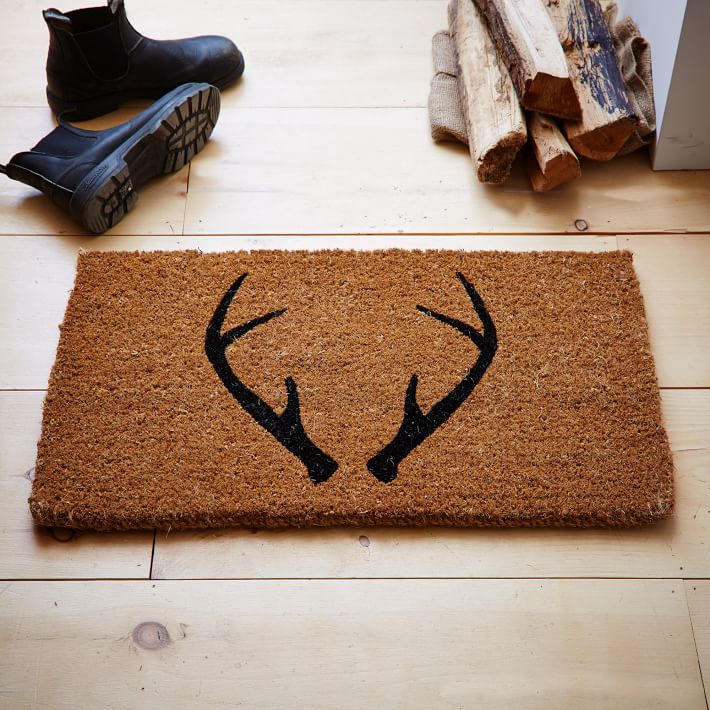
There are two kinds of people in autumn: the ones who wait for the leaves to turn, and the ones who start decorating the front porch the second the weather dips below “aggressively sweaty.” If you belong to the second camp, a fall doormat is one of the easiest, smartest, and most affordable ways to make your entry feel seasonal without staging a full pumpkin festival on the front steps.
A good fall doormat does more than look cute under a wreath. It helps scrape dirt off shoes, catches moisture before it sneaks inside, and gives your home that polished, intentional first impression that says, “Yes, I do have my life together,” even if there is a laundry mountain inside large enough to qualify for its own zip code. The best ones balance function and style: tough enough for muddy boots, pretty enough for porch photos, and versatile enough to bridge early fall, Halloween, and Thanksgiving without feeling tired after two weeks.
That balance is exactly why fall doormats have become such a popular seasonal decor swap. They are small, low-commitment, and surprisingly powerful. Change the mat, add a lantern or two, maybe toss a plaid rug underneath, and suddenly your front door has a personality. It is the decorating equivalent of putting on a great jacket and pretending the rest of the outfit was planned all along.
Why Fall Doormats Matter More Than You Think
For something people literally wipe their shoes on, doormats carry a lot of design weight. They sit at the threshold between outdoors and indoors, which means they affect both curb appeal and everyday cleanliness. In fall, that job becomes even more important. Leaves, dust, damp grass, mud, and the occasional mystery debris from the yard all start hitchhiking indoors on the bottom of your shoes. A solid doormat acts like the bouncer at the door, deciding which mess gets turned away.
Seasonally, a fall doormat also signals a shift in mood. Summer porches tend to feel breezy and bright. Fall is cozier, richer, and a little more textured. This is the season of warm neutrals, earthy tones, plaid accents, subtle harvest motifs, and materials that feel rustic but still refined. Even a simple mat with a clean “hello,” a small pumpkin illustration, a leafy border, or a classic check pattern can make your porch feel more inviting.
That is what makes this category so useful. A fall doormat can be playful, traditional, modern, farmhouse-inspired, or minimalist. It can lean heavily into pumpkin season, stay neutral enough for all of autumn, or quietly support the rest of your porch decor without screaming, “I bought every leaf-shaped thing on the internet.”
What Makes the Best Fall Doormat?
1. The Right Material
If you have ever bought a doormat based purely on how adorable it looked online, only to watch it flatten, fade, or shed like a very dramatic golden retriever, you already know that material matters. Fall doormats are usually made from one of a few common materials, and each has strengths.
Coir is the star of the category. Made from coconut husk fibers, coir is naturally rough, which makes it excellent for scraping dirt and debris from shoes. It has that classic bristly look most people associate with seasonal welcome mats, and it works especially well for decorative fall prints, monograms, and simple greeting phrases.
Rubber is great for wetter climates or high-traffic homes. It is durable, weather-resistant, and often molded with patterns that help trap dirt and provide grip. Rubber-backed mats are also helpful when you want more slip resistance.
Polyester, nylon, or synthetic blends tend to be softer and often easier to clean. These work well if you want something lower-profile, more absorbent, or more forgiving in a covered entryway. Some washable options also live in this category, which is excellent news for anyone with kids, pets, or one family member who somehow treats every entrance like the finish line of a mud run.
2. A Size That Actually Fits the Doorway
One of the most common fall decorating mistakes is choosing a mat that looks lost at the front door. Standard sizes like 18-by-30 inches work for many entryways, but larger porches often look better with a wider or longer mat. If you plan to layer a seasonal doormat over a larger outdoor rug, make sure the proportions feel intentional. The base rug should be noticeably bigger so the top mat does not look like it wandered into the wrong scene.
A larger front entry can handle a 24-by-36-inch doormat or even something longer if your door area is wide. Small stoops need restraint. You want the mat to define the space, not swallow it.
3. Low Maintenance and Good Durability
Fall weather is not always gentle. Wind, moisture, leaves, and muddy shoes all test a doormat quickly. A good one should be easy to shake out, sweep, vacuum, or rinse depending on the material. Decorative is nice. Decorative that still works after three rainy weekends is better.
Best Fall Doormat Styles for Different Homes
Classic Harvest
This is the traditional lane: pumpkins, leaves, acorns, wheat motifs, warm oranges, deep reds, golden yellows, and phrases like “Hello Fall” or “Gather.” It is cheerful, familiar, and easy to pair with mums and lanterns. If your home already leans traditional or cottage-style, this route feels natural.
Neutral and Elevated
Not everyone wants a porch that looks like a craft store and a pumpkin patch had a very enthusiastic collaboration. Neutral fall doormats use taupe, black, cream, olive, rust, muted green, brown, or soft plaid patterns instead of bright novelty graphics. These styles are ideal for modern homes, minimalist porches, and people who want seasonal charm without overt holiday messaging.
Playful and Punny
There is always room for humor. Fall mats with friendly phrases, lightly spooky greetings, or playful harvest jokes can make the entry feel personal. The trick is to keep it clever, not chaotic. One witty line works. Five fonts and a cartoon scarecrow having an existential crisis do not.
Layered Designer Look
Layering a smaller fall doormat over a larger striped, checkered, or textured indoor-outdoor rug is one of the biggest styling trends for fall porches. It adds dimension, helps frame the doorway, and makes even a budget-friendly mat look more intentional. Black-and-white stripes are common, but brown, tan, muted green, and softer plaid options can feel more sophisticated and less “I copied the first porch post I saw online.”
How to Style Fall Doormats So the Porch Looks Finished
A doormat works best when it is part of a small visual story. You do not need a giant porch to make it look good. You just need a little balance.
Start with the mat, then build around it with one or two supporting elements. A wreath ties the door to the ground-level decor. Lanterns add height and warmth. Potted mums, ornamental kale, or grasses bring seasonal texture. Pumpkins, real or faux, help anchor the display. If your mat has a strong pattern or phrase, keep the surrounding decor quieter. If your mat is simple, you can let the wreath or planters do more of the talking.
Color matters too. Fall decor no longer has to be strictly orange. Rich greens, browns, navy, plum, copper, black, and cream all work beautifully. A neutral doormat layered with textured planters and muted pumpkins often looks more timeless than a loud novelty print. That said, if a giant pumpkin mat brings you joy, this is your official permission slip. Taste is personal. The goal is an inviting porch, not a decorating tribunal.
Fall Doormat Buying Tips That Save Money
Choose a Seasonal Look With a Long Runway
If you want the best value, buy a mat that works from early September through late November. Leaves, plaid, textured neutrals, and simple “welcome” designs will last longer than something highly Halloween-specific.
Use a Reusable Base Layer
If you love changing looks often, invest in one durable base rug and swap only the top seasonal mat. This makes styling easier and keeps the porch from feeling like a revolving door of impulse purchases.
Think About Exposure
Covered porches can handle more decorative options. Uncovered entries need tougher, weather-friendlier materials. Some coir mats do best in more sheltered areas, while rubber and sturdier blends can better tolerate the elements.
Do Not Ignore Backing
Slip resistance matters, especially in rainy weather. A beautiful mat that skates across the porch every time someone steps on it is not charming. It is a lawsuit in waiting.
How to Clean and Store Fall Doormats
Cleaning is not glamorous, but it is what keeps a seasonal mat from turning into a dusty rectangle of regret. For coir mats, regular shaking and vacuuming help remove trapped dirt. For rubber mats, a scrub with mild soap and water is often enough. Some fabric or synthetic mats can be washed according to the care label, which is one of the great modern miracles right behind online grocery delivery and text messages that say “package delivered.”
If your mat lives in a busy entry, check it weekly during peak fall weather. Leaves and dirt build up quickly. When the season ends, store the mat dry and flat in a garage, closet, or storage bin if possible. That little effort helps it last longer and saves you from buying the same thing again next year because this year’s version got warped, mildewed, or mysteriously nibbled by garage chaos.
Common Fall Doormat Mistakes to Avoid
Buying for the photo, not the front door: A mat may look fantastic in a styled product shot and completely wrong with your actual siding, door color, and porch size.
Choosing style over performance: If it cannot handle dirt, moisture, or foot traffic, it is porch art, not a doormat.
Overcrowding the entry: A mat, wreath, pumpkins, lanterns, signs, garlands, scarecrows, hay bales, and six decorative crows can quickly become too much. Let the mat breathe.
Forgetting your climate: Dry climates, rainy regions, apartment hallways, and busy family homes all need different solutions.
Skipping maintenance: A fall doormat should look charming, not haunted by last week’s leaves.
Final Thoughts on Fall Doormats
Fall doormats are a small detail with outsized impact. They bring practical value to your entryway while setting the tone for the entire season. The best ones combine durable material, smart sizing, easy maintenance, and a style that fits your home rather than fighting it. Whether you love a traditional pumpkin design, a subtle plaid layer, or a neutral mat that quietly whispers “autumn” instead of shouting it through a megaphone, there is a fall doormat that can make your entry feel warmer, cleaner, and more welcoming.
And really, that is the beauty of it. A fall doormat is not just decor. It is the first handshake your home offers. It tells guests they are in the right place, tells dirt to stay outside, and tells you, every time you walk in the door, that the season has officially arrived. For such a humble rectangle, that is a pretty impressive job description.
My Experience With Fall Doormats Over the Years
I did not always appreciate the power of a fall doormat. For a long time, I thought of it as one of those “nice if someone gifts it to you” items, somewhere between decorative hand towels and candles that smell like a cinnamon roll with a graduate degree. Then I bought one on a whim one September, set it outside the front door, and realized the whole entry looked better in about thirty seconds.
What surprised me most was not the decor impact. It was the mood shift. Coming home after work, seeing that little seasonal detail at the door made the house feel more settled and more intentional. It was such a tiny thing, but it created that cozy, transitional feeling people chase all fall. Suddenly, the porch did not feel like leftover summer. It felt ready for cooler evenings, soup weather, and those aggressively optimistic plans to bake something with apples.
I have also learned that not all fall doormats are created equal. The very first one I bought was adorable and extremely unprepared for real life. It looked fantastic in the first week, then started shedding fibers like it was trying to clone itself across the porch. After one storm, it looked exhausted. Since then, I have become much pickier about material, backing, and placement. A mat on a covered porch can get away with being more decorative. A mat out in the full weather needs to be tougher and a lot less dramatic.
Another lesson came from layering. The first time I placed a seasonal mat over a larger striped outdoor rug, the whole porch looked more styled than I honestly deserved credit for. It added depth, made the doorway feel framed, and somehow made my basic front steps look like they had opinions about design. That layering trick is one of the easiest upgrades I have used, especially when I want the porch to feel finished without buying a dozen new things.
I have experimented with every style too: pumpkin prints, simple “hello” mats, plaid patterns, spooky options, neutral harvest designs, even one very bold mat that was funny in theory and slightly embarrassing in practice. What I keep coming back to are mats that feel seasonal but not too specific. I like something that works through most of fall, not just one holiday weekend. That makes it easier to decorate once and enjoy it for weeks without feeling like the porch is past its expiration date by mid-October.
Cleaning has also become part of the ritual. I used to ignore the mat until it looked like an archaeological dig of leaves, dirt, and who-knows-what. Now I shake it out regularly, and the whole entry stays nicer. It is not thrilling work, but neither is stepping over a dirty mat every day while pretending not to notice it. A clean mat makes the entire porch look sharper, even when everything else is simple.
The biggest thing I have learned is that fall doormats are one of the rare home items that are both useful and cheerful. They are practical enough to earn their spot and decorative enough to make everyday life feel a little more fun. Every year, when I swap out the summer mat for an autumn one, it feels like the first real signal that the season has changed. It is a small act, but it resets the entryway and, weirdly enough, resets my mood too.
So yes, I now take fall doormats seriously. Not in a “spreadsheet and mood board” way. More in a “this tiny thing makes the house feel welcoming, helps keep the floors cleaner, and gives me a little burst of joy when I get home” way. For something that mostly sits there and gets stepped on, that is not bad at all.














