
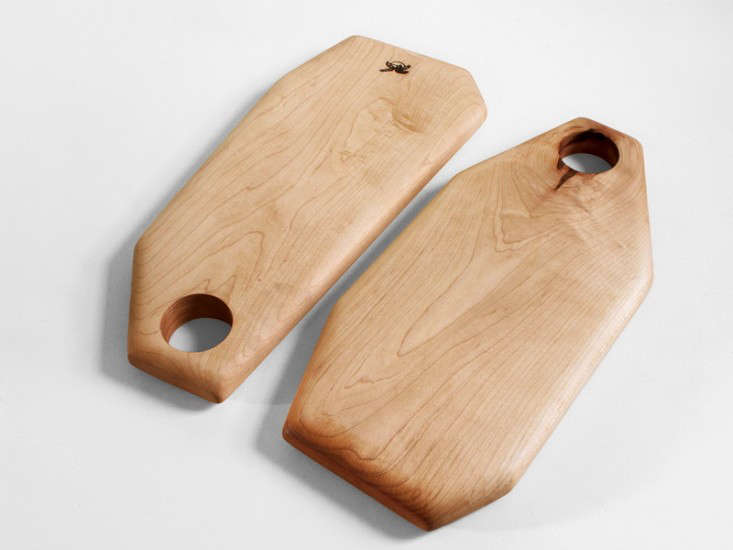
Some cutting boards are rectangles. Some are squares. Some are so aggressively practical they look like they were designed by a committee of accountants during a lunch break. Then there are Fern’s Amoeba Cutting Boards: sculptural, organic, slightly mysterious wooden boards that look as if a tree, a chef, and a modern-art museum had a very tasteful conversation.
These boards are not just kitchen accessories. They are the kind of objects that make people pause mid-snack and say, “Wait, where did you get that?” Crafted from locally sourced trees and limited-edition American hardwoods, Fern’s Amoeba Cutting Boards are shaped by the natural character of the timber itself. Instead of forcing every slab into a predictable rectangle, the board follows the flow of the wood. Knots, curves, grain lines, and edges become part of the design rather than imperfections to hide.
That is the magic: each amoeba-shaped cutting board feels alive. It can serve cheese, cradle sourdough, hold sliced fruit, support a quiet weeknight onion-chopping session, or sit on the counter looking effortlessly cooler than everyone else in the room. If your kitchen has been begging for one practical tool with personality, this may be the board that finally answers, “I’m here, and yes, I brought walnut.”
What Are Fern’s Amoeba Cutting Boards?
Fern’s Amoeba Cutting Boards are single-slab wooden cutting and serving boards known for their irregular, organic silhouettes. The word “amoeba” is not just cute branding. It describes the shape: flowing, rounded, asymmetrical, and naturally imperfect in the best possible way. Unlike mass-produced boards that prioritize identical dimensions, these boards celebrate variation.
The boards are typically made from American hardwoods such as sugar maple, apple, walnut, and cherry. Each wood type brings its own color, hardness, grain pattern, and best-use personality. Sugar maple and apple are generally better suited for everyday cutting tasks, while walnut and cherry shine as light-duty cutting and serving surfaces. In other words, maple is the dependable friend who helps you move apartments; walnut is the elegant friend who arrives with a bottle of wine and somehow knows how to plate figs.
Approximate dimensions vary, but these boards are often around 1.25 inches thick, with lengths that may range from about 18 to 36 inches and widths around 8 to 14 inches. That variation is part of the appeal. The board is not trying to be perfectly standardized. It is trying to be itself, which is frankly a confidence level many of us could borrow before Monday morning.
Why the Amoeba Shape Works So Well
At first glance, an amoeba cutting board may seem purely decorative. But the shape has practical advantages. Its rounded edges make it easy to carry, rotate, and use from different angles. The irregular outline also creates natural serving zones. A wedge of cheese can sit on one curve, crackers can spill across another, and grapes can nestle into a little corner without looking like they were placed by someone reading a charcuterie instruction manual under pressure.
The organic shape also softens a kitchen visually. Most kitchens are full of straight lines: cabinets, tiles, countertops, appliances, drawers, trays, and the occasional stern-looking toaster. A wavy wooden board introduces movement. It makes the counter feel less like a work station and more like a place where meals happen, people linger, and someone inevitably asks for “just one more little piece” of cheese.
The Beauty of Locally Sourced American Hardwoods
One of the strongest selling points of Fern’s Amoeba Cutting Boards is the use of locally sourced trees and American hardwoods. Hardwood is prized for cutting boards because it tends to be durable, dense, and more resistant to deep knife scarring than soft woods. That matters because deep grooves can trap food particles and moisture, which makes cleaning more difficult.
Sugar Maple: The Everyday Workhorse
Sugar maple is a classic cutting board wood for a reason. It is dense, close-grained, and sturdy enough for regular chopping. Its pale color gives a clean, timeless look that fits into modern, farmhouse, minimalist, and traditional kitchens without needing a style translator.
If you want a Fern’s Amoeba Cutting Board for daily vegetable prep, sandwich assembly, fruit slicing, and general kitchen duty, sugar maple is the safe bet. It handles work beautifully while still looking refined enough to leave on the counter.
Apple Wood: Character With Capability
Apple wood has a warm, charming personality. It often carries subtle color variation and an inviting natural grain. It can be used for general cutting duties, depending on the specific board, and it offers a slightly more unusual choice than standard maple. For cooks who want function with a little “Where has this been all my life?” energy, apple wood is a wonderful option.
Walnut: The Serving Board Superstar
Walnut brings drama. Its deep brown tones make cheese, bread, pears, figs, olives, smoked almonds, and little mountains of crackers look instantly more luxurious. Walnut is often better suited for light cutting and serving than heavy chopping. It is the board you bring out when guests are coming over and you want your snacks to look like they have a publicist.
Cherry: Warm, Elegant, and Understated
Cherry wood starts with a warm reddish tone and can deepen beautifully over time. It has a softer visual presence than walnut but still feels rich and special. Like walnut, cherry works beautifully for serving and lighter cutting. It is especially good for kitchens that lean warm, natural, rustic-modern, or quietly sophisticated.
Single-Slab Construction: Why It Matters
Many wooden cutting boards are made by gluing strips or blocks of wood together. That approach can be durable when done well, especially with food-safe adhesives. But a single-slab board has a different appeal. It preserves the story of one piece of timber. The grain flows continuously, the outline feels more natural, and the board has an almost sculptural presence.
For Fern’s Amoeba Cutting Boards, the single slab is central to the identity of the piece. The board’s shape is dictated by the timber, which means the maker is responding to the wood rather than forcing it into a rigid template. That is why these boards feel handmade even before you pick one up. They carry the quiet evidence of craft.
Cutting Board or Serving Board? Actually, Both
The best kitchen tools earn their space. A beautiful object that does nothing is decoration. A useful object that looks terrible gets hidden in a drawer. Fern’s Amoeba Cutting Boards land in the satisfying middle: they work hard and look good doing it.
Use a maple or apple board for everyday prep: chopping herbs, slicing apples, cutting bread, trimming vegetables, or assembling toast that thinks it is dinner. Use walnut or cherry as a serving board for cheese, fruit, charcuterie, pastries, tea sandwiches, or roasted vegetables. The shape makes simple food feel styled, even if your “styling process” is just putting things down and hoping for the best.
Food Safety: How to Use Wooden Cutting Boards Wisely
Wooden cutting boards can be safe and long-lasting when cleaned and cared for properly. The key is not magic; it is habit. Wash the board after use with hot, soapy water, rinse it well, and let it dry completely. Drying matters because trapped moisture can encourage bacterial growth and may also cause wood to warp or crack over time.
For food safety, it is smart to use separate boards for different tasks. Keep one board for raw meat, poultry, seafood, or eggs, and another for ready-to-eat foods such as bread, cheese, fruit, and vegetables. If you own a beautiful amoeba board, you may prefer to reserve it for produce, bread, and serving, while using a separate board for raw proteins. This is not because the amoeba board is delicate royalty, although it may act like it. It is because separate boards reduce cross-contamination risk.
If a board develops deep grooves, cracks, persistent odors, or hard-to-clean areas, it may be time to retire it from food preparation. A worn cutting board is not a badge of culinary honor if those grooves are secretly hosting a bacteria block party.
How to Clean Fern’s Amoeba Cutting Boards
Cleaning a wooden cutting board is simple, but it does require consistency. After each use, scrape off crumbs or food bits, wash the board with warm water and mild dish soap, rinse thoroughly, and dry it with a clean towel. Then stand it upright or prop it so air can circulate around both sides.
Avoid soaking the board in water. Avoid putting it in the dishwasher. Dishwashers are wonderful for many things, but wooden boards are not one of them. High heat, long moisture exposure, and aggressive detergent can lead to warping, cracking, and sadness. Very expensive sadness, depending on your taste in kitchen tools.
What About Sanitizing?
For occasional sanitizing, especially after contact with higher-risk foods, a diluted unscented bleach solution may be used according to food safety guidance. The surface should be rinsed thoroughly afterward and allowed to air dry completely. Commercial food-safe sanitizers can also be used when their label directions are followed carefully.
For everyday use with bread, cheese, fruit, or vegetables, hot soapy water and full drying are usually the routine that keeps a wooden board in good shape. The main point is this: clean promptly, dry fully, and do not let the board lounge around wet like it is at a spa.
How to Maintain the Wood
Wood is a natural material. It expands, contracts, absorbs, releases, darkens, and changes with time. That is part of its charm. But it also means your board needs maintenance. Food-grade mineral oil, board cream, or a beeswax-and-oil blend can help protect the surface and slow moisture absorption.
How often should you oil the board? It depends on use, climate, and how thirsty the wood looks. A board used daily may need conditioning every few weeks. A serving board used occasionally may need less. If the surface looks dry, pale, rough, or dull, it is probably asking for oil in the quiet, dignified language of wood.
Apply oil to a clean, fully dry board. Rub it in with a soft cloth, let it absorb, then wipe away excess. A board cream or wax finish can add a protective layer and a subtle sheen. Do not use cooking oils such as olive oil, corn oil, or vegetable oil because they can become rancid. Nobody wants their beautiful cutting board smelling like old salad dressing with commitment issues.
Design Appeal: A Board That Doubles as Decor
The kitchen has become more than a place to cook. It is also a gathering space, a visual backdrop, and sometimes the unofficial headquarters of the household. A sculptural cutting board fits naturally into that environment because it can live on display.
Fern’s Amoeba Cutting Boards look handsome leaning against a backsplash, resting beside a ceramic crock of utensils, or sitting beneath a bowl of citrus. They add warmth to stone counters and softness to stainless steel appliances. Their irregular shape gives the kitchen a collected, personal feel rather than a showroom-perfect sameness.
This is especially useful in small kitchens, where every visible item needs to earn its keep. A board that works as both prep surface and visual accent is not clutter. It is multitasking with better bone structure.
How to Style an Amoeba Cutting Board for Serving
If you are using Fern’s Amoeba Cutting Boards for entertaining, let the shape guide the arrangement. Place larger items first: a wedge of cheese, a small bowl of olives, a cluster of grapes, or slices of bread. Then fill the curves with smaller foods like nuts, dried fruit, crackers, or chocolate. The goal is not perfect symmetry. In fact, symmetry would miss the point. Let the board look abundant, relaxed, and slightly wild.
For a breakfast board, try banana bread, berries, butter, jam, and soft cheese. For an afternoon board, use sliced apples, cheddar, almonds, and crackers. For a dinner party, go with roasted vegetables, herbed goat cheese, toasted baguette, and cured meats if you are using a board reserved for ready-to-eat foods. For dessert, pile on cookies, strawberries, dark chocolate, and maybe a tiny bowl of whipped cream. Tiny bowls make everything look intentional.
Choosing the Right Fern’s Amoeba Cutting Board
Because these boards vary in size, wood type, and shape, choosing one is partly practical and partly emotional. Start with how you plan to use it. If you want an everyday kitchen board, look for sugar maple or apple. If you want a dramatic serving board, walnut or cherry may be the better fit.
Next, consider size. A longer board is excellent for serving bread, cheese, fruit, or party snacks. A smaller board is easier to store and better for quick prep. Thickness matters too. A board around 1.25 inches thick feels substantial and stable without becoming a countertop boulder.
Finally, look at the grain and edge. The best board for you is the one that makes you want to cook, serve, host, or at least slice an apple with unusual enthusiasm. A cutting board may be a tool, but a beautiful one changes how you feel about the task.
Who Will Love These Boards Most?
Fern’s Amoeba Cutting Boards are ideal for people who appreciate handmade kitchenware, natural materials, and objects with visible character. They are a strong choice for home cooks, design lovers, hosts, newlyweds, housewarming gift hunters, and anyone who believes cheese deserves a stage.
They may not be the best choice for someone who wants a dishwasher-safe, low-maintenance board for heavy raw-meat prep. For that job, a separate plastic or high-density polyethylene board may be more practical. But for everyday produce, bread, cheese, serving, styling, and general kitchen beauty, an amoeba board has serious charm.
Real-Life Experience: Living With an Amoeba Cutting Board
Using an amoeba-shaped cutting board changes the rhythm of a kitchen in small but noticeable ways. The first difference is visual. A rectangular board usually disappears into the background because we expect it. An amoeba board gets noticed. It looks casual, artistic, and a little playful, which means it naturally encourages more creative use.
Imagine pulling it out on a Saturday morning. You are not preparing a formal brunch. You are just slicing oranges, cutting toast, and maybe rescuing half an avocado from the brink of refrigerator despair. On a regular board, this is breakfast. On a Fern’s Amoeba Cutting Board, it somehow becomes “a spread.” The curved edge makes the fruit look brighter. The wood grain warms up the whole counter. Even the toast seems to stand a little taller.
For weeknight cooking, the board feels especially useful for produce prep. Its organic shape gives you enough room to work without feeling bulky. Herbs can sit on one side, chopped vegetables on another, and scraps can gather near an edge before being swept away. Because the outline is irregular, you tend to rotate the board naturally as you work, finding the most comfortable angle for slicing, mincing, or arranging food.
The board also shines when guests appear with the dangerous sentence, “We’re not that hungry.” This, as every host knows, means they will absolutely eat snacks. A walnut or cherry amoeba board can turn pantry odds and ends into something inviting: crackers, pickles, cheddar, apple slices, nuts, a little mustard, maybe a few squares of chocolate. The asymmetrical shape makes the arrangement forgiving. Nothing needs to be lined up. In fact, the more relaxed it looks, the better.
Maintenance becomes part of the experience too. Oiling the board is not difficult, and it can be surprisingly satisfying. The wood darkens, the grain comes forward, and the surface feels renewed. It is the kitchen equivalent of watering a favorite plant, except this plant helps you serve brie. Over time, tiny marks may appear. Rather than ruining the board, they add a lived-in quality, as long as the surface is cleaned properly and deep grooves are monitored.
One practical lesson: let the board dry completely before storing it. Do not wash it and immediately lay it flat against the counter or stack something on top. Air circulation helps prevent trapped moisture, which is one of the enemies of wooden kitchen tools. Another lesson: keep the board’s purpose clear. If it is your beautiful serving and produce board, do not let someone attack raw chicken on it during a chaotic dinner rush. Give raw proteins their own board and let the amoeba board keep its dignity.
As a gift, Fern’s Amoeba Cutting Boards feel personal because no two pieces are exactly alike. They are especially good for people who already own the basics and appreciate design-forward utility. Wrap one with a small bottle of food-grade board oil, a linen towel, and a handwritten note, and suddenly you are not giving a cutting board. You are giving a tiny domestic lifestyle upgrade.
The biggest experience-related advantage is simple: a beautiful board makes ordinary food feel cared for. It nudges you to slice fruit instead of eating it over the sink. It makes bread and butter feel like a small event. It gives leftovers a second chance at glamour. And in a world full of rushed meals and plastic containers, that little nudge toward beauty is worth something.
Conclusion: A Cutting Board With Character
Fern’s Amoeba Cutting Boards stand out because they combine utility, craftsmanship, and organic design. Made from locally sourced trees and American hardwoods, they offer a refreshing alternative to predictable rectangular boards. Their flowing shapes celebrate the natural character of the timber, while their sturdy construction makes them useful for cutting, serving, and display.
The key to enjoying one for years is choosing the right wood for your needs and caring for it properly. Use maple or apple for more active prep, walnut or cherry for lighter cutting and serving, and always clean, dry, and condition the board with care. Keep a separate board for raw proteins, avoid the dishwasher, and replace any cutting board that develops deep, hard-to-clean grooves.
In the end, Fern’s Amoeba Cutting Boards are more than kitchen tools. They are warm, useful, slightly whimsical pieces of functional art. They make food look better, counters feel friendlier, and snack boards seem far more impressive than the effort required. That is not just good design. That is kitchen poetry with crumbs on it.
Note: This article is written for informational publishing purposes and should be adjusted if exact product availability, dimensions, pricing, or retailer details change.











