
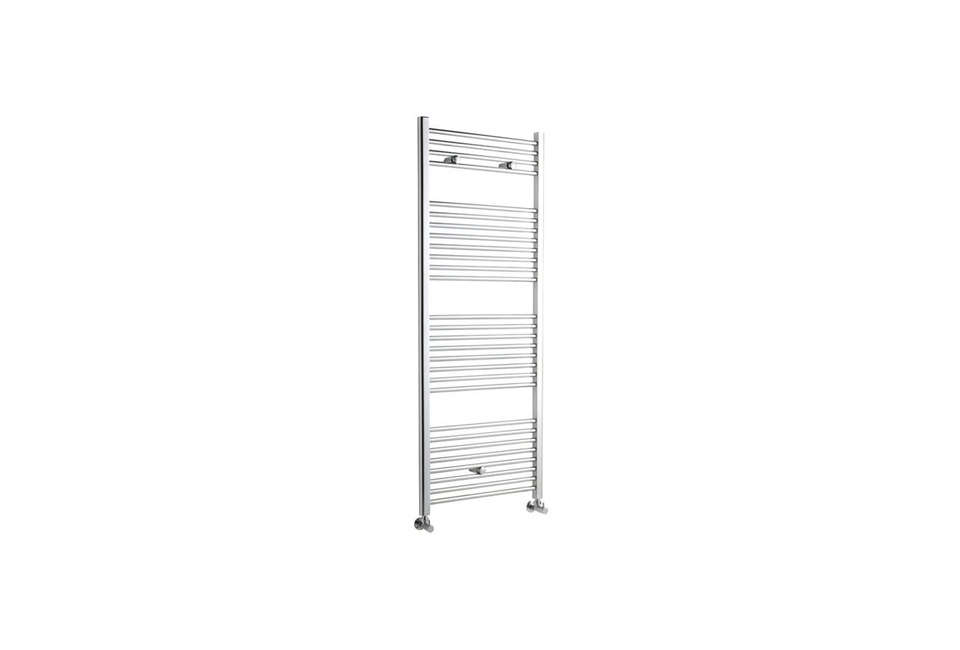
A flat heated bathroom towel rack sounds like one of those “tiny luxuries” that people only talk about in glossy renovation magazines, usually while standing next to a bathtub the size of a fishing boat. But in real life, this simple bathroom upgrade can be surprisingly practical. It warms towels, helps them dry faster, saves wall space, reduces that damp-towel smell nobody wants to admit exists, and makes your morning routine feel a little less like a wrestling match with cold cotton.
Unlike bulky freestanding towel warmers or deep ladder-style racks, a flat heated bathroom towel rack is designed to sit close to the wall. That slim profile makes it especially useful in small bathrooms, powder rooms, apartments, guest baths, and modern remodels where every inch matters. It can look sleek and architectural rather than clunky, and it can quietly do its job without turning the bathroom into a hardware showroom.
Still, not every heated towel rack is worth buying. Some warm towels beautifully. Some mostly warm your patience. The best choice depends on size, power source, material, heat output, installation method, towel capacity, safety features, and how you actually use your bathroom. Let’s break it down clearly, without making your renovation budget break into a nervous sweat.
What Is a Flat Heated Bathroom Towel Rack?
A flat heated bathroom towel rack is a wall-mounted towel warmer with heated bars or panels arranged in a shallow, space-saving shape. The “flat” design usually means the unit has a low projection from the wall, making it less bulky than freestanding warmers or large curved racks. It can be electric, hydronic, plug-in, hardwired, or sometimes dual-connect depending on the model.
The main purpose is simple: warm and dry towels. After a shower, a damp towel placed over the heated bars dries more efficiently than one left bunched on a hook. The rack can also give your bath towel that cozy, spa-like feel before you use it. It will not usually heat a bathroom like a full radiator unless specifically designed for that purpose, but it can make the space feel more comfortable and polished.
Why Homeowners Like Flat Heated Towel Racks
They Save Space
Bathrooms are famous for having too many things and not enough room. A flat heated towel rack solves two problems at once: towel storage and towel drying. Because it mounts close to the wall, it works well behind doors, beside vanities, near showers, or on narrow wall sections where a deeper rack would feel intrusive.
They Help Towels Dry Faster
Damp towels are not just unpleasant; they can create musty odors and make the bathroom feel humid. A heated rack helps moisture evaporate more quickly, especially when towels are spread over the bars instead of folded into thick layers. This can be especially useful in bathrooms with limited ventilation, windowless layouts, or busy family routines.
They Add a Spa-Like Touch
There is something deeply satisfying about stepping out of the shower and grabbing a warm towel. It is a small moment, but it feels luxurious. A flat heated bathroom towel rack turns an everyday habit into a mini spa ritual, minus the cucumber water and awkward robe sizes.
They Look Clean and Modern
Many flat heated towel racks are made with stainless steel, matte black finishes, brushed nickel, chrome, or white powder-coated metal. Their simple lines fit modern, transitional, minimalist, and hotel-inspired bathrooms. Instead of adding visual clutter, the right model can make the wall look more intentional.
Electric vs. Hydronic Heated Towel Racks
Most homeowners shopping for a flat heated bathroom towel rack will compare two main types: electric and hydronic.
Electric Heated Towel Racks
Electric models use an internal heating element. They are common in U.S. bathrooms because they do not need to connect to a home’s central heating system. Some plug into a GFCI-protected outlet, while others are hardwired by an electrician for a cleaner, built-in look.
Electric towel racks are popular because they can work year-round. That matters in warmer months when central heating is off but towels still need drying. Many models include timers, temperature controls, or simple on/off switches. A timer is especially useful because it lets you warm towels before a shower and shut the rack off automatically afterward.
Hydronic Heated Towel Racks
Hydronic models connect to a hot-water heating system, similar to a radiator. They can be efficient in homes already using hydronic heat, but installation is more complex. They may not run during warm seasons unless the heating system is active or the unit has a dual-fuel option.
For most standard bathroom upgrades, an electric flat heated towel rack is the easier and more flexible choice. For larger remodels or homes with radiator systems, hydronic may be worth discussing with a qualified contractor.
Plug-In vs. Hardwired: Which Is Better?
A plug-in heated towel rack is easier to install. You mount it on the wall and plug it into a properly protected bathroom outlet. This is convenient for renters, budget remodels, or people who want a less permanent setup. The downside is that the cord may be visible, which can slightly reduce the clean, built-in look.
A hardwired heated towel rack connects directly to the home’s electrical system. The result looks neater because there is no dangling cord. Hardwired models are often preferred for luxury bathrooms, new builds, and full renovations. However, they should be installed by a licensed electrician, especially because bathrooms require careful electrical safety planning.
Some towel warmers are dual-connect, meaning they can be installed as either plug-in or hardwired. This gives homeowners flexibility. For example, you might plug it in now and hardwire it later during a larger bathroom remodel.
Bathroom Safety: The Part You Should Not Skip
A heated towel rack may look harmless, but it is still an electrical fixture in a wet environment. That means safety matters. In U.S. bathrooms, electrical devices near water should be installed according to applicable electrical codes and manufacturer instructions. Plug-in models should use a GFCI-protected outlet, and hardwired models should be connected to a GFCI-protected circuit where required.
Also pay attention to wet ratings and installation zones. Not every towel warmer is designed to be installed close to a shower, tub, or splash-prone area. The product manual should clearly explain where the unit can be mounted. If the manual reads like a riddle written by a sleepy robot, ask an electrician before drilling holes in the wall.
Keep cords away from water, avoid extension cords, do not overload outlets, and never install a towel rack where it blocks switches, doorways, ventilation, or safe movement. A warm towel is lovely; a questionable electrical setup is not part of the luxury package.
How Much Electricity Does a Heated Towel Rack Use?
Most electric heated towel racks use far less power than large space heaters. Many common residential models fall somewhere around 40 to 200 watts, depending on size, number of bars, design, and heat setting. Larger units may use more. In practical terms, a modest towel warmer used with a timer can be an affordable comfort upgrade rather than a major energy hog.
The real cost depends on wattage, run time, local electricity rates, and how often you use it. A 100-watt towel warmer used for two hours a day consumes about 0.2 kilowatt-hours daily. That is a small amount of energy compared with many high-demand household appliances. Still, leaving it on all day when you do not need it is like inviting your electric bill to brunch.
For better efficiency, choose a model with a built-in timer or pair it with a compatible wall timer if the manufacturer allows it. Warm the rack before showering, keep the towel spread open for drying afterward, and turn the unit off when the towels are dry.
Best Materials and Finishes
Stainless Steel
Stainless steel is one of the most popular materials for heated towel racks because it resists corrosion, conducts heat well, and fits many bathroom styles. It is especially useful in humid bathrooms where cheap finishes may wear out faster.
Matte Black
Matte black towel racks are popular in modern and industrial bathrooms. They pair well with black faucets, shower frames, and cabinet hardware. They also create contrast against white tile, marble-look surfaces, and light painted walls.
Brushed Nickel
Brushed nickel offers a softer look than chrome and hides fingerprints better. It works well in transitional bathrooms and blends nicely with warm neutrals, stone tile, and wood vanities.
Chrome
Chrome is shiny, classic, and easy to match with many bathroom fixtures. However, it may show water spots more easily and can require more frequent polishing to look its best.
Choosing the Right Size
Size matters more than many shoppers expect. A tiny rack may look cute online, but if it only fits one hand towel and a washcloth, it will not be ideal for a household that uses oversized bath sheets. Before buying, measure your available wall space and compare it with the towel rack’s width, height, depth, and required clearances.
For a small powder room, a compact flat heated towel rack may be enough for hand towels. For a primary bathroom, choose a larger rack with enough bars to spread out one or two bath towels. Family bathrooms may benefit from taller models or wider racks that allow multiple towels to dry without being stacked too thickly.
Remember: towels dry better when air and heat can reach more surface area. If you pack three wet towels onto a small rack like laundry lasagna, performance will suffer.
Where to Install a Flat Heated Bathroom Towel Rack
The best location is close enough to the shower or tub for convenience but safely positioned according to electrical requirements. Many homeowners install heated towel racks on the wall beside the shower, near the vanity, or on an open wall opposite the tub.
Avoid placing the rack directly under windows, HVAC vents, or drafty areas, because moving air can affect warming and drying performance. Also avoid crowded traffic zones where someone might bump into the rack. If the bathroom is small, make sure doors, drawers, shower doors, and cabinet doors can still open fully.
Think about the daily routine. Can you reach the towel from the shower without dripping across the floor? Can a child safely use it? Will the rack sit at a comfortable height? Good placement makes the difference between “brilliant upgrade” and “why is this fancy ladder in the wrong place?”
Installation Tips for a Cleaner Result
Always follow the manufacturer’s instructions. Wall-mounted heated towel racks need secure anchoring, especially when holding heavy damp towels. If possible, mount into wall studs or use appropriate anchors rated for the weight. Tile walls require careful drilling with the correct bit to avoid cracks.
For plug-in models, confirm the cord reaches a GFCI-protected outlet without stretching. The cord should not cross wet zones, hang near the floor, or create a trip hazard. For hardwired models, hire a licensed electrician. A professional installation can also place the switch or timer in a more convenient location.
During a remodel, plan the towel warmer early. It is much easier to add blocking, wiring, and switch placement before the walls are closed than after the tile is finished and everyone starts pointing at each other.
Features Worth Paying For
Built-In Timer
A timer is one of the most useful features. It helps save energy and prevents the rack from running longer than needed. Common timer settings may include two, four, or eight hours, depending on the model.
Temperature Control
Some heated towel racks offer adjustable heat levels. This is helpful if you want gentle warming in summer and stronger drying in winter. Basic models may have only one temperature setting.
Fast Heat-Up Time
Many towel racks need time to reach their best performance. If you want a warm towel right after showering, turn the rack on in advance. Models with faster heat-up times are more convenient for busy mornings.
Overheat Protection
Safety features such as overheat protection or automatic shutoff can add peace of mind. These are especially helpful in homes where multiple people may use the bathroom and forget to turn things off.
Flat Heated Towel Rack vs. Bucket Towel Warmer
Bucket-style towel warmers are popular because they can heat a towel deeply and evenly. You place the towel inside, close the lid, and wait. They are great for warmth but not as helpful for drying damp towels after use. They also take floor or counter space.
A flat heated bathroom towel rack is better for drying, storage, and everyday towel management. It stays on the wall, looks more integrated, and can hold towels between showers. If your goal is that fresh-from-the-dryer feeling, a bucket warmer may win. If your goal is warm, dry towels without sacrificing space, the wall-mounted flat rack is usually more practical.
Common Mistakes to Avoid
The first mistake is buying too small. A rack should match your towel size and household needs. The second mistake is poor placement. A towel warmer installed too far from the shower may look nice but feel inconvenient. The third mistake is ignoring electrical safety. Bathrooms are not the place for creative wiring experiments.
Another common issue is expecting the rack to perform like a room heater. Some larger towel rails can contribute warmth, but many electric towel racks are designed mainly for towels. If your bathroom is cold, you may still need better insulation, radiant floor heat, a proper bathroom heater, or improved ventilation.
Finally, do not fold towels too thickly. A neatly folded towel may look hotel-perfect, but it can trap moisture. For drying, spread towels over multiple bars when possible.
Maintenance and Cleaning
Cleaning a flat heated bathroom towel rack is usually simple. Turn it off, let it cool, and wipe it with a soft damp cloth. For stainless steel or brushed finishes, use gentle cleaners and avoid abrasive pads that can scratch the surface. Dry the rack afterward to reduce water spots.
Check mounting points occasionally to make sure the unit remains secure. If you notice flickering lights, unusual smells, loose wiring, damaged cords, or inconsistent heating, stop using the rack and have it inspected. Most towel warmers are low-maintenance, but they should never be ignored if something seems wrong.
Is a Flat Heated Bathroom Towel Rack Worth It?
For many homes, yes. It is not a necessary appliance in the way a toilet or shower is necessary, but it can be a smart comfort upgrade. It improves towel drying, reduces clutter, adds style, and makes the bathroom feel more finished. In cold climates, humid bathrooms, or homes with limited towel storage, the benefit is even more noticeable.
The best value comes from choosing the right size, installing it safely, and using it with a timer. A well-chosen flat heated towel rack can serve for years and become one of those upgrades you did not know you needed until you had it. Then you visit a bathroom without one and think, “Ah yes, the olden days.”
Real-Life Experiences With a Flat Heated Bathroom Towel Rack
The biggest surprise many people notice after installing a flat heated bathroom towel rack is not the warmth. It is the drying. A towel that used to stay damp until lunchtime may feel much fresher by the next use. In a small bathroom, that can make the whole room smell cleaner. It is not magic, but it is the kind of practical improvement that quietly earns its wall space.
In a shared bathroom, the rack can also reduce towel chaos. Instead of towels hanging from door hooks, shower rods, cabinet handles, and whatever horizontal surface looks innocent enough, each towel gets a proper place. The bathroom instantly feels more organized. Parents especially appreciate this because children have an impressive talent for turning wet towels into floor décor.
For morning routines, a timer makes the experience much better. Turning the rack on 20 to 40 minutes before showering can give the towel a pleasant warmth. It may not feel exactly like a towel straight from a commercial dryer, but it feels comforting, especially in winter. After the shower, leaving the towel spread across the bars helps it dry more evenly.
One practical lesson is that towel thickness matters. Thick plush towels feel wonderful, but they can take longer to warm and dry. Lighter cotton towels often perform better on flat heated racks because heat passes through them more easily. Oversized bath sheets may need a larger rack or more careful draping. The rack is not failing; it is simply not a wizard with stainless steel arms.
Another experience worth noting is that placement affects satisfaction more than expected. A beautiful rack installed too far from the shower becomes less useful. The best spot is usually within easy reach but not in a splash-heavy zone. If you can step out, grab the towel, and avoid turning the floor into a mini skating rink, you chose well.
People who prefer clean bathroom design often love the flat profile. It does not stick out awkwardly, and it can blend with other fixtures when the finish is matched correctly. Matte black looks bold and modern. Brushed nickel feels calm and versatile. Stainless steel works almost anywhere. The rack becomes part of the design instead of an afterthought.
There are a few honest drawbacks. Installation can cost more if you choose a hardwired model. Plug-in models are easier, but the cord may bother people who want a seamless look. Some models take longer to heat than expected. And if you pile damp towels too densely, drying will be slower. A flat heated bathroom towel rack rewards good habits: spread towels out, use the timer, and keep airflow in mind.
For guest bathrooms, the rack can make visitors feel like they are staying somewhere thoughtfully designed. For primary bathrooms, it adds daily comfort. For small bathrooms, it can replace a regular towel bar while adding function. The best experience comes when the rack is treated not as a flashy gadget, but as a hardworking bathroom fixture with a warm personality.
In the end, a flat heated bathroom towel rack is one of those upgrades that does not scream for attention. It simply makes the bathroom better every day. The towels dry faster, the room feels tidier, and your post-shower routine gets a small but noticeable boost. That is a pretty good résumé for something mounted quietly on the wall.
Conclusion
A flat heated bathroom towel rack combines comfort, function, and style in one slim fixture. It is especially useful for small bathrooms, modern remodels, humid spaces, and anyone tired of damp towels that never seem to dry properly. The best models are sized correctly, installed safely, made from durable materials, and equipped with practical features like timers or temperature controls.
Before buying, measure your wall, review the power requirements, think about towel size, and decide whether plug-in or hardwired installation makes more sense. Choose a finish that matches your bathroom fixtures and a design that leaves enough space for towels to breathe. With smart planning, this simple upgrade can make your bathroom feel cleaner, warmer, and more luxurious without demanding a full renovation.














