
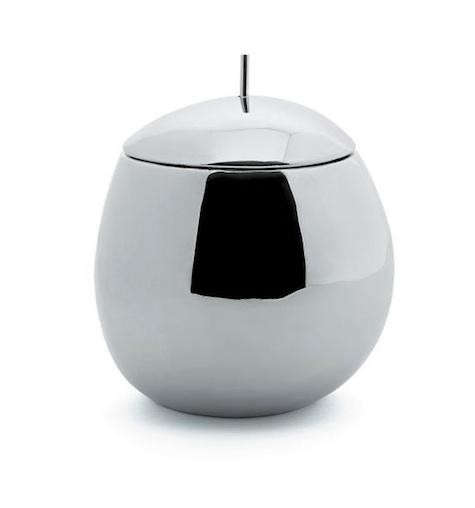
Some product names sound like they were invented during a very stylish breakfast meeting, and Fruit Basket Sugar Bowl is definitely one of them. It is quirky, elegant, slightly poetic, and just practical enough to deserve a permanent spot on a kitchen counter. At first glance, the phrase sounds like two separate objects bumped into each other in a design studio and decided to become friends. But that is exactly why it works.
A fruit basket brings color, freshness, and that wholesome “yes, I do occasionally buy pears” energy. A sugar bowl, meanwhile, is the tiny monarch of the coffee station: small, useful, and often much prettier than it strictly needs to be. Put those ideas together, and you get a piece of serveware that feels decorative without being fussy, functional without being boring, and charming without trying too hard. In a world full of bland kitchen gadgets, that is almost heroic.
This article looks at the Fruit Basket Sugar Bowl as both a real design idea and a broader kitchen concept. We will explore what makes it appealing, how it fits into modern home decor, why it quietly supports smarter everyday habits, how to style it, how to use it, and how to avoid turning your countertop into a fruit-themed obstacle course.
What Is a Fruit Basket Sugar Bowl, Exactly?
The phrase can refer to an actual design-forward sugar bowl, especially one inspired by the sculptural look of fruit baskets, but it also works as a wider category of decorative tableware. Think of a sugar bowl that borrows the open, airy, center-of-the-table appeal of a fruit basket. Instead of hiding in a cabinet, it becomes part of the room. It is not just there to hold sugar. It is there to look good doing it.
That matters more than it sounds. The modern kitchen is no longer just a place where onions go to cry. It is a coffee bar, a homework station, a catch-all, a brunch stage, and occasionally a backdrop for a video call that absolutely did not need to happen at 8:30 in the morning. Kitchen accessories now have to earn their space. A fruit basket sugar bowl earns it by offering both beauty and utility.
Why the Idea Works So Well
1. It Turns Everyday Function into Decor
Good design does not only solve problems. It makes daily routines feel a little less beige. A sugar bowl is a small object, but because it lives near coffee, tea, and dessert service, people see it often. When that bowl has the visual personality of a fruit basket, it stops looking like a random container and starts acting like a kitchen centerpiece.
Stainless steel versions feel sleek and modern. Ceramic versions feel warm and a little nostalgic. Glass versions look light and elegant. In each case, the point is the same: the item feels intentional. It says, “Yes, I planned this,” even if the rest of the counter is currently hosting receipts, a rogue avocado, and a charger no one claims.
2. It Balances Freshness and Sweetness
The pairing of “fruit basket” and “sugar bowl” is surprisingly smart from a lifestyle point of view. Fruit suggests freshness, fiber, and color. Sugar suggests comfort, hospitality, and the small pleasures that make coffee breaks feel civilized. Together, they create a visual balance: fresh food in plain sight, sweetness in moderation, and a table that feels welcoming rather than overdone.
That balance also fits modern eating habits. People want kitchens that support better choices, but they do not want those kitchens to look like a wellness retreat with trust issues. A beautiful fruit bowl encourages easy snacking on whole fruit. A smaller, attractive sugar bowl keeps sweeteners available without turning the countertop into a candy aisle.
3. It Fits the Way People Actually Live
One reason this concept has staying power is that it works in real homes. It suits a breakfast nook, a coffee cart, a dining sideboard, or an apartment kitchen with roughly six inches of free space and a brave little espresso machine. It can dress up a tea service, organize a brunch setup, or simply make the daily ritual of stirring sugar into black tea feel a little more refined.
The Subtle Health Logic Behind the Look
There is also a quietly sensible story underneath the style. In American nutrition guidance, whole fruit is encouraged as part of a healthy eating pattern, while added sugars are the part people are told to keep in check. That does not mean sugar is the villain in a kitchen melodrama. It just means scale matters.
A smart kitchen setup makes the healthier option easier to reach. A visible fruit basket can nudge people toward apples, oranges, pears, or bananas when they want something quick. A sugar bowl, especially a smaller one with a lid or spoon, can help keep sweetening more mindful. In other words, the fruit gets the spotlight, and the sugar gets a polite speaking role.
This is one of the most appealing things about the Fruit Basket Sugar Bowl as a concept. It does not preach. It simply arranges the kitchen in a way that feels both generous and sensible. That is a rare trick. Usually, “sensible” arrives wearing orthopedic shoes.
How to Style a Fruit Basket Sugar Bowl Without Overdoing It
Keep It Near a Ritual
The best place for a sugar bowl is near the habit it supports. If you drink coffee every morning, place it beside the coffee maker with mugs, spoons, and a small tray. If your home leans tea-friendly, pair it with a teapot, cups, and lemon slices on a serving board. If you entertain often, let it live on a dining sideboard with linens and dessert plates.
For the fruit element, use nearby color rather than clutter. A bowl of citrus on the same counter, a single pear-shaped accent, or a wooden board with seasonal produce can echo the theme without making the area look like a still life assignment.
Match the Material to the Mood
Stainless steel feels architectural and clean. It suits modern kitchens, monochrome palettes, and minimalist spaces where every object needs strong lines. A polished steel sugar bowl inspired by fruit-basket shapes can look sculptural, almost gallery-like, which is impressive for an object designed to hold something people spill into coffee half-awake.
Ceramic feels softer and more traditional. It works beautifully in farmhouse, cottage, vintage, or transitional kitchens. A ceramic sugar bowl with fruit motifs, basketweave texture, or hand-painted detail adds warmth and personality. This is the choice for people who want their kitchen to say “come in” rather than “please admire the geometry.”
Glass feels bright and versatile. It fits small spaces because it does not add visual weight, and it makes sugar cubes or raw sugar crystals part of the display. It also pairs nicely with colorful fruit nearby, especially lemons, berries, or green grapes.
Use Restraint Like a Grown-Up
The easiest way to make a stylish arrangement look chaotic is to add too many “cute” things. One sugar bowl, one fruit bowl, one tray, maybe one small vase. That is enough. The goal is elegant serveware, not a countertop reenactment of a gift shop.
Choosing the Right Bowl: Beauty, Safety, and Practicality
If you are buying a fruit basket sugar bowl for daily use, looks matter, but so do food-safety basics. For ceramic pieces, choose brands and makers that are clearly intended for food use. Decorative pottery can be gorgeous, but food-contact safety matters, especially with older or imported pieces. If a bowl is vintage, heavily worn, or of uncertain origin, it may be better used as decor rather than everyday food service.
Stainless steel is often the easiest choice for durability and easy care. It resists breakage, suits both modern and classic interiors, and usually cleans up without drama. Glass is also practical, though it needs more careful handling. Ceramic offers the most character but deserves the most scrutiny when it comes to finish, glaze quality, and maker information.
Also think about the lid. A good sugar bowl lid helps keep moisture out and keeps the contents from turning into a sweet little brick. A notch for a spoon is helpful if you entertain often. A wide opening is nice for sugar cubes. A smaller opening works better for granulated sugar. Tiny details, yes. But tiny details are basically what separate charming tableware from kitchen regret.
Fruit Storage: The Bowl Is Not a Universal Habitat
A fruit bowl may look lovely on the counter, but not every fruit wants to live there. That is where a lot of otherwise attractive kitchens accidentally become fruit retirement homes.
Best Fruits for Countertop Display
Apples, citrus, pears that still need ripening, bananas, and some stone fruit can work well at room temperature for a period of time. They look good, they are easy to grab, and they support the whole point of a visible fruit bowl: making fruit the easy snack.
Fruits That Usually Prefer the Refrigerator
Berries, grapes, cherries, cut fruit, and very ripe produce tend to do better chilled. If you leave delicate fruit out too long, your pretty display can turn into a speed-run toward waste. A counter bowl is for durability and convenience, not for testing the emotional strength of strawberries.
Remember Ethylene Gas
Some fruits, such as bananas, apples, avocados, and pears, can speed up ripening in nearby produce. That can be useful when you want a hard avocado to stop acting superior, but less fun when everything in the bowl ripens at once. Group fruit thoughtfully, and do not assume every piece wants the same roommates.
Do Not Wash Everything First
Washing fruit before storage can shorten shelf life for some delicate items, especially berries. Wash fruit when you are ready to eat or prep it, not necessarily the moment it enters your kitchen. Clean produce habits are good. Accidentally inventing berry soup in a container is not.
How to Use the Sugar Bowl Well
The sugar bowl is small, but it can do more than hold plain white sugar. It can be used for raw sugar, cubes, cinnamon sugar for brunch, superfine sugar for tea service, or alternative sweeteners for guests. The key is keeping it neat, dry, and realistic in portion.
A fruit basket sugar bowl works best when it is not overfilled. A half-full or two-thirds-full bowl looks elegant, is easier to scoop cleanly, and feels more intentional. Keep the bag or bulk sugar stored elsewhere and use the bowl as the beautiful front-of-house version. Think of it as the maître d’ of sweeteners.
This also keeps your setup tidier. A compact bowl on a tray beside mugs and spoons looks edited and refined. A giant canister of sugar looming over the coffee maker looks like the kitchen gave up halfway through getting dressed.
Is a Fruit Basket Sugar Bowl Worth Buying?
Yes, if you care about the look of your kitchen and want small objects that actually improve the way you live in it. It is especially worth considering if you host brunches, keep a coffee or tea station, enjoy seasonal styling, or want to encourage visible whole fruit while keeping sugar accessible but controlled.
It may be less necessary if you prefer a very bare countertop, rarely sweeten drinks, or already have enough decorative objects whispering “dust me” from every surface. But for many homes, it hits a sweet spot between decor and practicality. Literally sweet. Politely sweet.
Final Thoughts
The beauty of a Fruit Basket Sugar Bowl is that it does more than hold sugar. It tells a story about the kind of kitchen you want: warm, thoughtful, useful, and visually alive. It bridges healthy intentions and real-life pleasure. It makes fruit look inviting and sugar look civilized. It proves that even small pieces of tableware can shape the rhythm of a room.
In design terms, it is the sort of object that makes a counter feel curated. In practical terms, it supports better fruit visibility, smarter sugar habits, and easier entertaining. In plain English, it is a tiny bowl with excellent manners and better style than most people at airport coffee kiosks.
If you choose the right material, store fruit intelligently, and style it with restraint, a fruit basket sugar bowl becomes more than an accessory. It becomes part of the way your kitchen works. And when something that small can improve both beauty and routine, that is not fluff. That is good design doing its job.
Experiences Related to the Topic “Fruit Basket Sugar Bowl”
The easiest way to understand the appeal of a fruit basket sugar bowl is to imagine it in use on an ordinary morning. The kitchen is not spotless. The toast is slightly overconfident. Someone is looking for their keys while pretending not to panic. Yet on the counter sits a neat bowl of oranges and apples beside a polished sugar bowl, and suddenly the room feels calmer. Not perfect. Just composed. The fruit says, “You could grab something fresh on your way out.” The sugar bowl says, “And yes, your coffee may still have a little sparkle in it.” Together, they create a kind of domestic diplomacy.
At brunch, the effect is even better. A fruit basket sugar bowl becomes one of those tiny details guests notice without always naming. They reach for berries, pour tea, lift the lid, spoon sugar into a cup, and the whole setup feels gracious. It is not dramatic hosting. It is comfortable hosting. The kind that makes people linger for another cup of coffee and one more slice of something they had already claimed not to want. The bowl does not carry the whole event, of course, but it contributes to that pleasant sense that everything has a place.
In smaller apartments, the experience is slightly different but maybe even more satisfying. Because counter space is limited, every item has to justify itself. A fruit basket sugar bowl does so by acting as both decor and utility. It gives a studio kitchen a focal point. It makes a basic coffee corner feel styled. It offers one clean visual cue that says this is not random storage; this is a deliberate little ritual zone. In compact homes, that kind of efficiency feels luxurious.
There is also a seasonal pleasure to it. In summer, the nearby fruit may be peaches, plums, or a cheerful pile of lemons beside iced tea glasses. In fall, apples and pears make the counter feel richer and warmer. During the holidays, the bowl can sit near citrus, cranberries, or a tray of cookies, and suddenly the sugar bowl looks like part of a celebration rather than just a container. It adapts well, which is one reason people keep these pieces for years.
Perhaps the most interesting experience is the quiet behavioral one. When fruit is visible, it gets eaten more often. When sugar is portioned into a small, attractive bowl, people tend to use it more thoughtfully than when a giant bag or box is sitting open nearby. Nothing revolutionary happens. No one hears a choir. But the kitchen subtly nudges better choices while still preserving pleasure, and that is more realistic than any all-or-nothing health fantasy.
In the end, living with a fruit basket sugar bowl is not really about owning a fancy object. It is about enjoying the way one small, well-chosen piece can make a room feel friendlier, a habit feel smoother, and a daily routine feel just a bit more intentional. That is a lovely return on a very modest square of countertop.












