
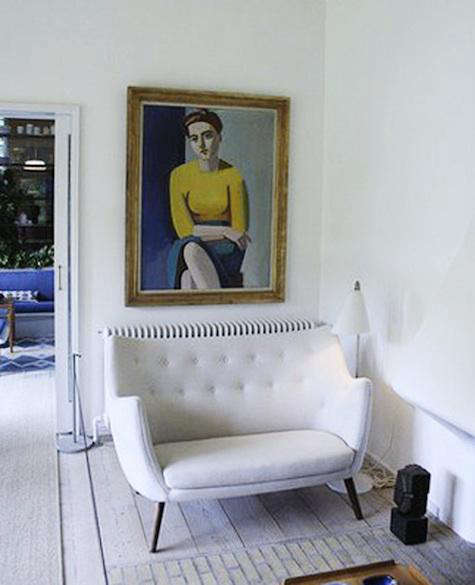
Some furniture politely enters a room. Finn Juhl furniture makes an entrance, orders espresso, compliments the architecture, and somehow convinces your old sofa to rethink its life choices. At Design Within Reach, the world of Finn Juhl feels less like a catalog category and more like a design education wrapped in walnut, leather, wool, and sculptural confidence.
For anyone exploring modern furniture with personality, “Finn Juhl at Design Within Reach” is a topic worth lingering over. Juhl was not simply a Danish designer who made handsome chairs. He helped push Danish Modern furniture beyond clean lines and polite minimalism into something more expressive, artistic, and human. His best pieces look shaped by hand, guided by sculpture, and tested by real bodies that enjoy sitting down after a long day of pretending to be productive.
Design Within Reach, often shortened to DWR, is known for offering authentic modern furniture from major historic and contemporary designers. Its selection of House of Finn Juhl pieces gives American shoppers access to some of the most celebrated designs in mid-century modern furniture, including lounge chairs, dining chairs, sofas, tables, desks, cabinets, and lighting. These are not anonymous “Scandinavian-inspired” objects with vague product names like Cloudy Walnut Chair No. 7. They are licensed, carefully produced designs with real history behind them.
Who Was Finn Juhl?
Finn Juhl was born in Denmark in 1912 and trained as an architect, but furniture became the field where his imagination truly stretched its legs. Unlike many designers of his era, Juhl approached chairs and sofas as small architectural worlds. He cared about structure, proportion, negative space, and the relationship between the human body and the object. In plain English: he wanted furniture to look good, feel good, and avoid behaving like a wooden punishment device.
Juhl’s early interest in fine art deeply influenced his design language. Instead of treating furniture as a purely functional object, he made it feel sculptural. His chairs often seem to float within their frames. Arms curve, backs widen, seats hover, and joints appear almost animated. The result is furniture that looks composed rather than assembled.
Why Finn Juhl Matters in Modern Furniture
When people talk about Danish Modern design, they often picture clean teak sideboards, elegant dining chairs, warm woods, and rooms that look calm enough to lower your blood pressure. Finn Juhl belongs to that tradition, but he also made it stranger, softer, and more dramatic. His work moved away from strict functionalism and toward organic forms inspired by art, nature, and the body.
Juhl’s designs became especially important in the United States during the 1950s. His work appeared in influential design settings, including the Good Design movement and the United Nations Trusteeship Council Chamber in New York. He also collaborated with Baker Furniture in Michigan, helping bring Danish Modern furniture to American homes through the Baker Modern line. In other words, Finn Juhl did not just cross the Atlantic; he arrived with a beautifully curved chair and changed the seating chart.
Finn Juhl at Design Within Reach: What Makes the Collection Special?
The Finn Juhl collection at Design Within Reach is appealing because it gathers iconic, historically significant pieces in one accessible retail environment. DWR shoppers can explore furniture from House of Finn Juhl, the Danish brand responsible for producing authorized versions of Juhl’s designs. This matters because authenticity is not a tiny detail in the design world. It is the difference between owning a thoughtfully crafted design and owning a chair that merely whispers “mid-century” while hoping nobody asks for documentation.
At DWR, Finn Juhl pieces are positioned as premium investment furniture. These are not quick seasonal purchases. They are the kind of pieces people plan around, save for, and occasionally stare at from across the room with the quiet pride usually reserved for a well-behaved dog or a perfectly ripe avocado.
Signature Finn Juhl Pieces Available Through DWR
The Chieftains Chair
The Chieftains Chair is one of Finn Juhl’s most famous designs and one of the boldest examples of Danish Modern furniture. Designed in 1949, it is wide, low, commanding, and sculptural without becoming cartoonish. The chair looks like it belongs in a living room, an art museum, or the private office of someone who says “I’ll consider it” before making a dramatic decision.
Its broad leather surfaces and expressive wooden frame show Juhl’s talent for balancing strength and elegance. Rather than hiding the structure, the chair celebrates it. The frame is not simply support; it is part of the visual performance. At Design Within Reach, the Chieftains Chair represents the high end of the Finn Juhl offering, both aesthetically and financially.
The Pelican Chair
The Pelican Chair is softer, stranger, and wonderfully memorable. Designed in 1940, it reflects Juhl’s fascination with surrealism and organic shape. The chair has a low, embracing form that feels almost animal-like, though thankfully not in a way that requires feeding. Its curved back and generous seat make it a standout lounge chair for interiors that need a focal point with personality.
One reason the Pelican Chair remains so beloved is that it does not look like every other lounge chair. It has a charming oddness, a kind of confident asymmetry in spirit even when its form is balanced. In wool, sheepskin, or textile upholstery, it can feel playful, luxurious, or quietly artistic depending on the room around it.
The Model 45 Chair
The Model 45 Chair is often praised for the way Juhl separated the upholstered seat and back from the wooden frame, creating an elegant floating effect. Designed in 1945, it helped define his mature style. The chair shows how much drama can happen in the space between parts. The frame, arms, seat, and back each have their own identity, yet everything works together.
This is a perfect example of Juhl’s architectural thinking. He did not treat a chair as one solid object. He treated it as a composition of elements, almost like a small building designed for the human body. The Model 45 Chair is refined, graceful, and quietly radical.
The 108 and 109 Dining Chairs
Finn Juhl’s dining chairs prove that everyday furniture does not have to be boring. The 108 and 109 Dining Chairs offer a more practical entry point into his design world while still carrying his signature sculptural touch. These chairs work around a dining table without shouting, but they are far from plain.
Their frames are elegant and lean, while the seats and backs are shaped for comfort. They pair especially well with wood tables, minimalist interiors, and dining rooms where people secretly care about chair silhouettes more than they admit.
The 46 Dining Chair
The 46 Dining Chair brings another layer of movement and detail to Juhl’s dining furniture. Designed in the 1940s, it reflects his interest in angled lines, visible construction, and dynamic structure. It is a dining chair with energy, which is useful if your dinner conversation occasionally needs help.
Like many of Juhl’s best pieces, the 46 Dining Chair is not merely decorative. Its details serve comfort and construction while adding visual rhythm. That is the Juhl magic trick: the furniture looks artistic, but it still remembers it has a job.
The Nyhavn Desk
The Nyhavn Desk is an excellent choice for people who want a workspace that does not feel like punishment. Its design is light, precise, and architectural, with slender legs and a clean writing surface. It captures the elegance of Scandinavian modern furniture while remaining useful for contemporary home offices.
In a world full of bulky desks that look like they were designed during a committee meeting in a basement, the Nyhavn Desk feels fresh and civilized. Pair it with a Finn Juhl chair, a good lamp, and a cable-management plan, and suddenly working from home looks suspiciously glamorous.
Cabinets, Tables, and Sofas
DWR’s House of Finn Juhl selection also includes storage, coffee tables, dining tables, and sofas. Pieces such as credenzas and cabinets show Juhl’s gift for combining utility with elegance. They are designed to hold objects, yes, but they also contribute to the architecture of a room.
Finn Juhl sofas, including designs connected to his mid-century experiments and American influence, often combine expressive shapes with carefully crafted frames. They feel less like background furniture and more like central characters. If your living room were a film, a Finn Juhl sofa would definitely get billing above the rug.
Materials and Craftsmanship: Why the Details Matter
The beauty of Finn Juhl furniture depends heavily on materials and craftsmanship. Wood selection, upholstery quality, joinery, proportion, and finishing all matter. Many Juhl designs use walnut, oak, leather, wool, or textile upholstery in ways that emphasize warmth and tactility.
One key feature of Juhl’s work is the visible relationship between frame and body. The wooden structure often appears independent from the upholstered seat, creating that famous floating quality. This requires precision. If the lines are off, the chair loses its grace. If the upholstery is too bulky, the design becomes heavy. If the woodwork is careless, the whole thing collapses visually before anyone even sits down.
That is why buying authorized pieces through a retailer like Design Within Reach matters. With collectible modern furniture, authenticity protects not only the designer’s legacy but also the integrity of the object. A Finn Juhl design depends on subtle curves and proportions. Knockoffs may copy the general outline, but they often miss the soul, which is a polite way of saying they look like the chair’s less-talented cousin.
How to Style Finn Juhl Furniture at Home
Finn Juhl furniture works beautifully in modern, Scandinavian, eclectic, and art-filled interiors. The trick is to give each piece enough breathing room. These designs are sculptural, so crowding them with too many competing objects can make the room feel like a design museum having a loud argument.
Let One Piece Lead
If you choose a statement piece like the Pelican Chair or Chieftains Chair, let it become the anchor. Place it where the silhouette can be appreciated from multiple angles. A corner near a window, a reading area, or a conversation grouping can work well.
Use Warm Natural Materials
Juhl’s furniture pairs naturally with wool rugs, linen curtains, ceramic lamps, stone surfaces, and wood tones. Avoid making the room too cold. Danish Modern furniture looks best when it feels lived in, not when it appears to be waiting for a silent architecture-school critique.
Mix with Contemporary Pieces
You do not need an all-vintage or all-Danish room. In fact, Finn Juhl pieces often shine when mixed with contemporary sofas, simple shelving, modern lighting, or abstract art. The contrast helps the sculptural lines stand out.
Respect Negative Space
Juhl understood negative space beautifully. The open areas between arms, legs, seats, and backs are part of the design. When styling his furniture, avoid blocking those spaces with oversized pillows, cluttered side tables, or decorative objects that look like they wandered in from another room.
Is Finn Juhl Furniture Worth the Investment?
For buyers who value design history, craftsmanship, and long-term quality, Finn Juhl furniture can be a meaningful investment. These pieces are expensive, but they are not priced like ordinary furniture because they are not ordinary furniture. They represent authorized production of historically important designs, often made with premium materials and demanding craft standards.
That said, “worth it” depends on your lifestyle. If you move every six months, have three large dogs, two enthusiastic toddlers, and a roommate who eats salsa near upholstery, you may want to choose carefully. But if you are building a thoughtful home and want furniture with lasting visual and cultural value, Finn Juhl at Design Within Reach deserves serious attention.
Buying Finn Juhl at Design Within Reach: Practical Tips
Before buying, measure your space carefully. Many Finn Juhl lounge pieces have strong visual presence, and some need more room than their footprint suggests. A Chieftains Chair, for example, is not the chair you squeeze into a tiny corner next to a laundry basket and a pile of unopened mail.
Next, consider upholstery. Leather, textile, and sheepskin each change the mood of a piece. Leather feels refined and architectural. Wool can soften the design. Sheepskin adds texture and drama. Color matters too: neutral upholstery makes the silhouette the star, while bold color turns the chair into a room-defining statement.
Finally, think in decades rather than seasons. Finn Juhl furniture is best approached as long-term design, not trend furniture. It can work in different homes and different room schemes because the underlying forms are strong. Buy the piece that feels right to live with, not merely the one that photographs well for five minutes online.
Personal Experience: Living With the Idea of Finn Juhl Furniture
Spending time with Finn Juhl furniture, even as an observer or shopper, changes the way you look at a room. The first thing you notice is that the pieces do not behave like typical furniture. A normal chair says, “Sit here.” A Finn Juhl chair says, “Let us discuss proportion, comfort, and whether your coffee table is pulling its weight.”
The experience of viewing Finn Juhl pieces at a retailer like Design Within Reach is especially useful because it brings design history into a practical shopping context. Online photos are helpful, but Juhl’s furniture rewards close attention. You want to see the curve of an armrest, the way the seat sits inside the frame, the thickness of the upholstery, and the way light moves across the wood. These details are hard to understand from a flat image.
One of the most memorable experiences with Juhl’s designs is realizing how comfortable many of them are despite their museum-level appearance. At first glance, a sculptural lounge chair can look intimidating, as if sitting in it might require permission from a curator named Lars. But Juhl designed with the body in mind. The forms may be artistic, but they are not hostile. The best pieces invite you in while still looking refined.
There is also an emotional quality to the furniture. The Pelican Chair can make a room feel playful and warm. The Model 45 Chair adds elegance without stiffness. A Juhl dining chair can make a meal feel more intentional, even if dinner is just takeout eaten with heroic optimism. These pieces bring atmosphere, not just function.
For homeowners, the biggest lesson is patience. Finn Juhl furniture does not need a room full of matching icons. One well-chosen piece can completely shift the tone of a space. A lounge chair near a window can create a reading corner. A desk can turn a home office from “temporary laptop zone” into a place where actual ideas might happen. A dining chair set can make even a simple table feel curated.
The second lesson is restraint. Because Juhl’s work is expressive, it pairs best with thoughtful surroundings. Too many bold objects can compete with it. A calm rug, a simple lamp, art with breathing room, and natural textures often do more than a parade of decorative accessories. Let the furniture speak. It has been waiting since the 1940s and has plenty to say.
Finally, Finn Juhl at Design Within Reach reminds us that furniture can be both useful and inspiring. A chair can support your back and your taste. A desk can hold your laptop and your ambitions. A sofa can host guests while quietly delivering a lecture on Danish Modernism. That combination of comfort, craft, and character is why Finn Juhl remains so compelling. His furniture does not simply fill a room. It gives the room a point of view.
Conclusion
Finn Juhl at Design Within Reach offers more than beautiful furniture. It offers a direct line to one of the most original voices in Danish Modern design. From the bold Chieftains Chair to the poetic Pelican Chair, from refined dining chairs to elegant desks and storage pieces, Juhl’s work continues to feel fresh because it was never merely fashionable. It was thoughtful, artistic, and deeply human.
For anyone who loves modern furniture, House of Finn Juhl pieces at DWR are worth studying, saving for, and experiencing in person when possible. They prove that great design can be practical without being dull, luxurious without being loud, and historic without feeling trapped in the past. In the crowded world of modern interiors, Finn Juhl still has a voiceand yes, it has excellent posture.














