
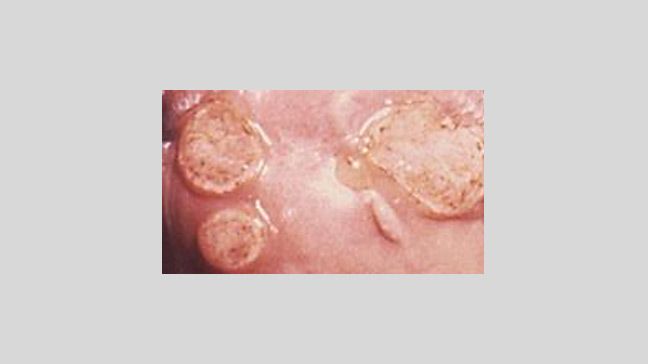
Granuloma inguinale, also called donovanosis, is a rare sexually transmitted infection that can sound like something from a Victorian medical textbook. Unfortunately, it is very real. The good news? It is treatable with antibiotics, especially when diagnosed early. The less delightful news? It can cause slowly spreading genital or anal ulcers that may bleed easily, heal slowly, and create serious complications if ignored.
This guide explains what granuloma inguinale is, how it spreads, what symptoms look like, how doctors diagnose it, and which treatments are commonly used. Think of it as a practical, stigma-free walkthrough: no panic, no shame, and absolutely no pretending that mysterious sores should be “monitored for a few months” like a questionable houseplant.
What Is Granuloma Inguinale?
Granuloma inguinale is a chronic bacterial STI caused by Klebsiella granulomatis, formerly known as Calymmatobacterium granulomatis. The infection mainly affects the skin and mucous membranes around the genitals, groin, anus, and sometimes the mouth. It produces ulcers that often look beefy-red, moist, and raised. These sores are usually painless, which is one reason people may delay care.
In the United States, granuloma inguinale is uncommon. Most cases are linked to travel to, or origin from, areas where the infection is more common, including certain tropical and subtropical regions. That rarity is helpful from a public-health perspective, but it can make diagnosis harder because many clinicians see it only rarely. A condition can be rare and still matterespecially when the affected body part is not exactly a place anyone wants medical guesswork.
Is granuloma inguinale the same as a regular granuloma?
No. A granuloma is a general medical term for a small cluster of immune cells that forms in response to inflammation, infection, or irritation. Granuloma inguinale is a specific infectious disease. In other words, all granuloma inguinale involves granulomatous inflammation, but not every granuloma is donovanosis. Medical naming: occasionally elegant, often a maze.
How Granuloma Inguinale Spreads
Granuloma inguinale spreads mainly through sexual contact, especially vaginal and anal sex. Oral transmission appears to be much less common, but sores can occur around the mouth in rare cases. The infection is not considered highly contagious compared with some other STIs, yet close skin-to-skin contact with infected tissue can be enough.
The incubation periodthe time between exposure and symptomsis often described as about one to twelve weeks, though timing can vary. Because the first signs may be small, painless bumps, many people do not immediately connect them to a sexual exposure. That delay gives the infection time to expand its territory like a rude houseguest who found the snack cabinet.
Symptoms of Granuloma Inguinale
The most recognizable symptom is a slowly enlarging ulcer in the genital or anal area. Early lesions may begin as small red bumps or nodules. Over time, the skin breaks down and forms raised, red, velvety sores made of granulation tissue. These sores are often painless but may bleed easily when touched, rubbed by clothing, or irritated during sex.
Common signs include:
- Painless red bumps on or near the genitals, groin, or anus
- Beefy-red ulcers that slowly enlarge
- Bleeding from sores after minor friction
- Moist, raised, or velvety-looking tissue
- Swelling, scarring, or skin discoloration as the disease progresses
- Secondary bacterial infection if open ulcers are not treated
Unlike some other genital ulcer diseases, swollen lymph nodes are not a classic major feature, although swelling or tender tissue can occur. The infection can spread locally and damage skin if untreated. Advanced disease may cause scarring, narrowing of nearby passages, genital swelling, or destructive tissue changes. That is the point where “maybe it will go away” officially retires from the conversation.
When to See a Doctor
Anyone with a new genital, anal, or oral sore should seek medical care promptly. This is especially important if the sore is painless, growing, bleeding, or appearing after a new sexual contact. Granuloma inguinale is only one possible cause. Herpes, syphilis, chancroid, lymphogranuloma venereum, trauma, inflammatory skin diseases, and even cancer can sometimes mimic one another.
Self-diagnosis is risky because genital ulcer diseases require different treatments. Antibiotics that work for donovanosis will not cure herpes. Antivirals for herpes will not treat syphilis. Waiting too long can increase the risk of complications and can also expose partners. A short clinic visit is far less dramatic than months of uncertainty, internet spiraling, and awkward mirror gymnastics.
How Granuloma Inguinale Is Diagnosed
Diagnosis usually begins with a physical exam and a detailed sexual and travel history. A clinician may ask when the lesion appeared, whether it hurts, whether it bleeds, where it is located, and whether there were recent partners or travel to regions where donovanosis is more common.
Laboratory confirmation often involves examining tissue or material from the ulcer under a microscope. Doctors look for Donovan bodies, which are bacteria-filled structures inside immune cells. A biopsy may be needed, especially if the lesion is unusual, persistent, destructive, or suspicious for cancer. In some settings, molecular testing may help, but it is not always available.
Testing for other STIs matters
Because genital ulcers can have several causes, clinicians often test for syphilis, herpes, HIV, gonorrhea, chlamydia, and other STIs depending on symptoms and exposure. Coinfection is possible. In sexual health, the “one problem at a time” rule is more of a wish than a guarantee.
Granuloma Inguinale Treatment: Antibiotics Are the Main Tool
The standard treatment for granuloma inguinale is antibiotics taken for at least three weeks and continued until all lesions have completely healed. This last part is important. Stopping too early because the sore “looks better” can invite relapse. Bacteria are not impressed by optimism.
Azithromycin
Azithromycin is commonly recommended as first-line therapy. It may be prescribed as 1 gram by mouth once weekly or 500 milligrams by mouth daily for at least three weeks, continuing until lesions fully heal. The exact schedule depends on the clinician’s judgment, local guidance, patient factors, and medication tolerance.
Doxycycline
Doxycycline is an alternative regimen, often taken as 100 milligrams by mouth twice daily for at least three weeks and until lesions have completely healed. It is not usually preferred during pregnancy, so patients who are pregnant or could be pregnant should tell their clinician before starting treatment.
Erythromycin
Erythromycin is another alternative, traditionally used as 500 milligrams by mouth four times daily for at least three weeks and until healing is complete. It can be useful in certain situations, including pregnancy, but the dosing schedule can be inconvenient. Four-times-a-day medication is a lifestyle, not just a prescription.
Trimethoprim-sulfamethoxazole
Trimethoprim-sulfamethoxazole, often abbreviated TMP-SMX, may also be used as an alternative. It is typically given as one double-strength tablet twice daily for at least three weeks and until lesions heal. People with sulfa allergy, kidney disease, certain medication interactions, or pregnancy concerns need individualized guidance.
Gentamicin or specialist care
If lesions do not improve within the first few days of treatment, a clinician may consider adding gentamicin, an injectable antibiotic, or referring the patient to an infectious disease or sexual health specialist. Lack of improvement can mean resistant infection, incorrect diagnosis, poor absorption, reinfection, or another condition masquerading as donovanosis.
What Happens During Recovery?
Healing is usually gradual. Pain may not be the main issue, but bleeding, drainage, friction, and anxiety can be frustrating. Large ulcers may take longer to close, and scarring may remain after the infection is cleared. Follow-up visits help confirm that lesions are shrinking and that treatment is working.
Patients should avoid sexual contact until treatment is complete, sores are fully healed, and partners have been evaluated. Covering an active lesion is not a reliable safety strategy. The goal is not “less risky.” The goal is “let’s not pass this along like the world’s worst souvenir.”
Can granuloma inguinale come back?
Yes. Relapse can occur months after treatment, sometimes between six and eighteen months later. That does not mean treatment failed in every case, but it does mean follow-up matters. Any new ulcer, bleeding lesion, or suspicious change should be checked quickly.
Partner Notification and Treatment
Sex partners should be informed, examined, and treated when appropriate. Public-health guidance commonly recommends evaluation of partners who had sexual contact with the patient within the period before symptom onset, often described as the previous 60 days. Because the infection can be uncommon and slow-moving, clinicians may adjust recommendations based on the case.
Partner notification can feel uncomfortable, but it is a key part of stopping reinfection and protecting other people. A practical message can be simple: “I was diagnosed with an STI that can cause genital ulcers. You should get checked.” No courtroom speech required.
Complications If It Is Not Treated
Untreated granuloma inguinale can slowly destroy tissue. Possible complications include scarring, genital swelling, narrowing of genital or anal structures, secondary infection, and long-term skin changes. Open ulcers may also increase the risk of acquiring or transmitting HIV and other infections.
Chronic ulcers should never be ignored. If a lesion does not heal as expected, biopsy may be needed to rule out cancer or another serious diagnosis. That does not mean every sore is cancer; it means medicine prefers evidence over wishful thinking, which is annoying but useful.
Prevention: Lowering the Risk
Prevention starts with safer sex, honest communication, and timely testing. Condoms and dental dams can reduce STI risk when used correctly and consistently, although they may not protect skin that is not covered. Since ulcer-related infections can involve surrounding tissue, barrier protection is helpful but not perfect.
Smart prevention steps include:
- Use condoms or dental dams during vaginal, anal, and oral sex.
- Avoid sexual contact when you or a partner has unexplained sores.
- Get tested after new or multiple partners, especially if symptoms appear.
- Complete all prescribed antibiotics exactly as directed.
- Make sure partners are evaluated and treated when needed.
- Schedule follow-up care if sores do not improve or return.
Travelers to areas where donovanosis is more common should be especially careful. A vacation should produce photos, memories, and maybe one regrettable souvenir mugnot an untreated genital ulcer.
Granuloma Inguinale vs. Other Genital Ulcer Conditions
Granuloma inguinale can resemble several other conditions, which is why testing matters. Syphilis may cause a painless chancre. Herpes often causes painful blisters or ulcers, but symptoms vary. Chancroid can cause painful ulcers and swollen lymph nodes. Lymphogranuloma venereum may involve ulcers, lymph node swelling, and rectal symptoms. Some inflammatory diseases and cancers can also appear as persistent sores.
A helpful clue for donovanosis is the slowly progressive, beefy-red, painless ulcer that bleeds easily. But clues are not diagnoses. The final answer should come from a healthcare professional, not a search engine at 2:13 a.m. with fifteen tabs open and your anxiety wearing a lab coat.
Living Through Diagnosis and Treatment: Real-World Experiences
People dealing with granuloma inguinale often describe the experience as a strange mix of fear, embarrassment, confusion, and relief once treatment finally begins. The first challenge is usually recognizing that something is wrong. Because the early sore may be painless, a person might assume it is irritation from shaving, friction from clothing, a minor cut, or an ingrown hair. When it does not healor starts looking redder, larger, or easier to bleedthe worry begins.
One common experience is the emotional weight of making the appointment. Genital symptoms can make even confident adults feel like nervous teenagers holding a permission slip. Patients may worry about being judged, blamed, or asked humiliating questions. In a good clinic, though, the conversation is professional and routine. Sexual health clinicians have seen almost everything. Their job is not to gasp dramatically; it is to diagnose, treat, and help prevent spread.
Another real-world issue is waiting for clarity. Because granuloma inguinale is rare in the United States, a clinician may first test for more common causes of genital ulcers, such as herpes or syphilis. Sometimes a biopsy or special staining is needed. That waiting period can be stressful. Patients may check the lesion repeatedly, search symptoms online, and imagine the worst. The best practical move is to follow the testing plan, avoid sex, and ask the clinician what warning signs should trigger urgent care.
Once antibiotics start, many people expect instant improvement. In reality, healing can be slow. A sore that took weeks to develop may not vanish in a weekend. The important signs are gradual shrinking, less bleeding, healthier-looking skin, and no new lesions. Taking medication exactly as prescribed matters, even after symptoms improve. Skipping doses or stopping early is like leaving a movie before the villain is actually defeated.
Partner conversations can be the most uncomfortable part. Still, they are necessary. A clear, calm message works better than a long apology spiral. Something like, “I’m being treated for a bacterial STI that can cause ulcers, and you should get checked,” is enough. It protects the partner, reduces reinfection risk, and turns an awkward moment into responsible action.
Many patients also learn a broader lesson: STI care is healthcare, not a moral trial. Granuloma inguinale does not mean someone is careless, dirty, or doomed. It means bacteria found an opportunity, and now medicine needs to close the door. With proper antibiotics, follow-up, and partner management, most people recover well. The experience may be uncomfortable, but it can also lead to better testing habits, clearer communication, and a more grown-up relationship with sexual healththe kind where mystery symptoms get a clinic visit instead of a month-long negotiation with denial.
Conclusion
Granuloma inguinale, or donovanosis, is rare but important. It is a bacterial STI that causes slowly progressive genital or anal ulcers, often painless and beefy-red, with a tendency to bleed. The infection is treatable, but it should not be ignored. Early diagnosis, complete antibiotic therapy, partner evaluation, and follow-up care are the big four.
If there is one takeaway, make it this: a painless sore still deserves attention. Your body is not being polite; it is sending a memo. Get evaluated, get tested, take the full course of treatment, and avoid sex until healing is complete. Granuloma inguinale may have an intimidating name, but with prompt medical care, it is a problem that can usually be handled before it becomes a much bigger one.













