Gravy has a brief but glorious moment when it is silky, aromatic, and warm enough to make mashed potatoes feel like a five-star entrée. Then dinner conversation stretches on, someone tells a suspiciously long story about airport parking, and that beautiful gravy begins turning into a lukewarm pudding.
A gravy boat with warming base is designed to prevent that small culinary tragedy. Instead of placing an ordinary sauceboat directly on the table, you set it on an elevated stand containing a tea-light candle or another gentle heat source. The base helps preserve the sauce’s serving temperature while creating a polished centerpiece for holiday dinners, Sunday roasts, brunches, and special occasions.
This guide explains how heated gravy boats work, what materials and features matter, how to use one safely, and whether this charming piece of serveware deserves permanent space in your cabinet.
What Is a Gravy Boat with a Warming Base?
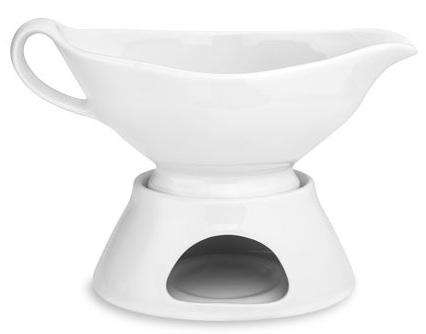
A gravy boat with a warming base is a two-part serving vessel. The upper section is a traditional sauceboat with a handle and pouring spout. The lower section is a stand that raises the boat above a small heat source, usually a tea-light candle.
Unlike an electric warming tray or commercial chafing dish, the base produces mild, localized heat. It is intended to slow cooling during a meal, not to boil the contents or rescue gravy that has already gone cold.
Common components
- A removable gravy or sauce boat
- A fitted warming stand
- An opening or compartment for a tea light
- A pouring spout designed to reduce drips
- A loop or side handle for controlled serving
Porcelain is one of the most popular materials because it looks elegant, retains heat reasonably well, and usually coordinates with white or patterned dinnerware. Stainless steel, ceramic, stoneware, and glass versions are also available, although their heating behavior and care requirements vary.
Why Warm Gravy Matters More Than You Might Think
Temperature changes more than comfort. As gravy cools, melted fat begins to firm, starches continue absorbing moisture, and the sauce becomes thicker. A smooth turkey gravy can gradually develop a skin or take on the texture of something that could patch drywall.
Warm gravy flows more easily from the spout and spreads evenly over meat, stuffing, biscuits, rice, vegetables, or potatoes. It also releases more aroma, which contributes significantly to how diners perceive flavor.
A warming stand cannot guarantee perfect texture indefinitely, but it can extend the pleasant serving window. That is particularly useful at Thanksgiving, Christmas, or any large dinner where guests serve themselves in waves rather than marching past the gravy in military formation.
How a Tea-Light Warming Base Works
The candle flame heats the air beneath the sauceboat and gently warms its bottom surface. The stand creates enough distance to soften the intensity of the flame while allowing heat to rise.
The effect is similar to a miniature fondue warmer. Because the flame is small, results depend on several variables:
- The starting temperature of the gravy
- The quantity of sauce in the boat
- The thickness and material of the vessel
- The distance between the candle and the bowl
- Drafts from fans, windows, or air-conditioning vents
- How long the gravy remains on the table
Begin with thoroughly heated gravy. A tea light works best as a temperature-maintenance tool, not as a tiny emergency stove.
Benefits of a Heated Gravy Boat
It keeps sauces appealing for longer
The most obvious advantage is heat retention. Guests who return for seconds have a better chance of finding gravy that still pours rather than reluctantly sliding from the spout in one gelatinous mass.
It frees valuable stove space
Holiday kitchens are crowded. Every burner seems to contain a saucepan, skillet, or relative offering “help” while standing in exactly the wrong spot. Moving finished gravy to a warming boat frees the stove for vegetables, side dishes, or last-minute reheating.
It improves presentation
An elevated porcelain sauceboat looks intentional and sophisticated. The stand gives the piece height, making it easier to spot among platters, bowls, glasses, candles, flowers, and the decorative centerpiece that seemed much smaller in the store.
It can serve more than brown gravy
A warming gravy boat can hold many pourable foods, including:
- Turkey, chicken, beef, or mushroom gravy
- Hollandaise or béarnaise sauce
- Cheese sauce
- Warm maple syrup
- Chocolate or caramel dessert sauce
- Au jus
- Warm fruit compote
- Butter sauce for seafood
Delicate egg- or dairy-based sauces require extra attention because excessive heat can cause separation, curdling, or scorching. Gentle warming is the goal; sauce cremation is not.
Features to Consider Before Buying
Capacity
Gravy boats vary substantially in size. Compact models may hold about 8 to 12 ounces, while larger vessels can approach 18 to 20 ounces.
A smaller boat works for four to six diners, especially when the sauce is rich or served alongside several dishes. For a larger gathering, consider a higher-capacity model or keep extra gravy warm in a saucepan for refills.
Refilling a smaller vessel can actually be useful. Gravy sitting in the kitchen remains easier to monitor, stir, thin, and reheat than a giant batch left over a candle for the entire evening.
Spout design
Look for a narrow, defined spout with a clean edge. A broad or rounded lip may allow sauce to run down the exterior. No gravy boat is completely immune to drippinggravy apparently enjoys table linensbut a well-shaped spout makes serving noticeably neater.
Handle comfort
The handle should provide enough room for a secure grip without forcing your knuckles against the warm body. Check that the vessel feels balanced when full. A beautiful handle is less impressive when the weight of the sauce tries to rotate the boat out of your hand.
Stable base
The warming stand should sit flat and resist tipping. The upper vessel must fit securely rather than wobbling above the candle. This matters on a crowded table where serving spoons, sleeves, and enthusiastic elbows are constantly passing nearby.
Material
Porcelain offers a refined appearance, a nonporous glazed surface, and good versatility. Many high-quality porcelain pieces are dishwasher- and microwave-safe, although the manufacturer’s instructions always take priority.
Stoneware and ceramic can provide excellent heat retention and more decorative color choices. They may be heavier and can vary in resistance to thermal shock.
Stainless steel is durable and may retain heat effectively, especially in double-wall designs. However, metal can become hot to the touch and usually cannot go in the microwave.
Glass allows diners to see the contents and can look modern, but it should be specifically rated for heat. Ordinary decorative glass is not automatically suitable for use over a flame.
Ease of cleaning
Thick gravy loves narrow corners. Choose a vessel with a smooth interior and an opening large enough for a sponge or brush. A removable boat and separate stand are easier to clean than a complicated one-piece design.
How to Use a Gravy Boat with Warming Base
1. Heat the gravy completely
Prepare or reheat the sauce in a saucepan or microwave-safe container. Whisk it until hot, smooth, and slightly thinner than the final texture you want. Gravy often thickens as it stands.
2. Preheat the gravy boat
Fill the boat with hot tap water for several minutes, then empty and dry it. Preheating reduces the immediate temperature drop that occurs when hot gravy enters a cold vessel.
Only use boiling water or microwave preheating when the manufacturer confirms that the material can tolerate it.
3. Place the stand safely
Set the warming base on a stable, heat-resistant surface away from napkins, dried floral arrangements, loose table runners, paper decorations, curtains, and anything else that might turn dinner into an unscheduled fire drill.
4. Insert and light the tea light
Use the candle size recommended for the product. Light it before positioning the filled sauceboat if the design makes the candle difficult to reach afterward.
5. Fill without overfilling
Leave space near the rim so the gravy does not spill when the boat is lifted or tilted. Wipe the spout and exterior before placing the vessel on the stand.
6. Stir occasionally
Gentle stirring distributes heat and helps prevent a surface skin. It also reveals whether the gravy is becoming too thick.
7. Adjust the consistency when needed
Keep a small quantity of warm stock, broth, milk, or water nearby. Whisk in a splash if the sauce tightens during the meal. Use a liquid that complements the original recipe rather than diluting its flavor unnecessarily.
8. Extinguish the flame after serving
Do not leave the candle burning after the meal or when the table is unattended. Allow the stand and vessel to cool before handling, washing, or storing them.
Food Temperature and Candle Safety
A tea-light warming base is designed primarily for convenient tableside serving. It should not automatically be treated as certified hot-holding equipment.
The FDA Food Code uses 135°F as the minimum hot-holding temperature for foods requiring time and temperature control in food-service settings. A small candle may or may not keep every type and quantity of gravy above that threshold.
For a normal family meal, serve hot gravy promptly and avoid leaving it at the table for an extended period. For a long buffet, use a food thermometer and a more controlled warming method, such as a slow cooker, electric warming tray, insulated carafe, or hot-water bath.
Always supervise an open flame. Keep the stand out of reach of children and pets, use it on a stable surface, and maintain clearance from combustible materials. Extinguish the candle before leaving the room.
Common Mistakes to Avoid
Expecting the candle to reheat cold gravy
The warmer is not powerful enough to reheat a chilled sauce safely or evenly. Reheat the gravy first, then transfer it.
Using a candle that is too tall
A larger flame may overheat the base, scorch the sauce, or damage a vessel not designed for intense direct heat. Use the specified tea-light size.
Letting the gravy reduce too far
Gentle heat still promotes evaporation. Stir periodically and add warm liquid as needed.
Filling the boat to the rim
An overfilled sauceboat is difficult to lift and almost guaranteed to leave a decorative brown stripe across the tablecloth.
Assuming every component is dishwasher-safe
The porcelain vessel may tolerate a dishwasher while the metal candle cup, decorative trim, or warming stand requires hand-washing. Check the care label for each component.
Cleaning and Storage
Remove leftover gravy as soon as the vessel is cool enough to handle. Dried starch and fat become more stubborn with time.
- Extinguish and remove the candle.
- Allow all components to cool naturally.
- Scrape leftovers into a storage container rather than the sink.
- Soak the vessel in warm, soapy water if residue has thickened.
- Use a nonabrasive sponge to protect the glaze.
- Dry the base completely before storing it.
Avoid sudden temperature changes unless the manufacturer explicitly describes the piece as thermal-shock resistant. Even durable ceramic can be damaged when moved abruptly from intense heat to cold water.
Store the sauceboat and stand with padding between them if they nest together. A folded cloth, felt protector, or paper towel can prevent scratches and chips.
Is a Warming Gravy Boat Worth It?
It is a worthwhile purchase for households that host holiday dinners, serve sauces frequently, or enjoy coordinated table settings. The warmer solves a genuine problem without occupying an electrical outlet or taking up much space on the table.
It may be less useful for people who serve gravy only once a year, prefer casual buffet cookware, or have small children and pets around the dining table. An insulated stainless-steel carafe may offer longer heat retention without an open flame, while an electric tray is better for warming multiple dishes.
The best choice depends on whether you value elegant presentation, extended temperature maintenance, large capacity, or maximum convenience. No single vessel wins every category.
Real-World Experience with a Gravy Boat and Warming Base
The first time you use a warming gravy boat, the most noticeable difference is not dramatic heat. It is consistency. With a regular ceramic sauceboat, gravy can begin thickening around the edges before everyone has finished serving the first round. With a warming stand, the sauce generally remains looser and easier to pour through the early part of the meal.
Preheating the boat makes a surprisingly large difference. Pouring hot gravy into a room-temperature porcelain vessel immediately sacrifices some of the heat you worked so hard to create. A few minutes of hot water in the boat reduces that temperature drop and helps the tea light maintain momentum.
The amount of gravy also matters. A nearly full vessel retains heat better initially because the larger volume cools more slowly. Later in the meal, however, a shallow layer at the bottom can thicken quickly or develop hot spots directly above the flame. This is where occasional stirring becomes important.
In practical use, the warmer performs best during a seated meal lasting roughly the time it takes to eat dinner and return for seconds. It is less suitable for an open-house buffet that runs all afternoon. For long service, keeping a backup batch in a slow cooker or saucepan is more reliable.
Placement deserves thought. Putting the warmer in the center of the table makes it visible but may force guests to reach over dishes or decorations. Placing it near the mashed potatoes and carved meat creates a logical serving zone. Just make sure nobody has to drag a loose sleeve across the candle.
Thick sauces usually benefit most from the warming effect. Traditional turkey gravy, mushroom gravy, and cheese sauce remain pourable longer. Very delicate sauces require more caution. Hollandaise, for example, can break if overheated, so it should be stirred frequently and removed from the stand if the bottom becomes too warm.
Refilling is another useful strategy. Instead of filling the boat with every drop of gravy, add a moderate amount and keep the remainder warm in the kitchen. The table portion stays fresher, and you can whisk or thin the reserve before each refill. This approach also reduces spills because the boat is not filled to its upper edge.
Cleanup is generally easy when handled promptly. Porcelain releases gravy well after a short soak, but residue inside a narrow spout can require a small brush. Candle wax is a separate issue. A tea light with a self-contained metal cup is usually neater than an exposed candle because melted wax stays inside the cup.
There is also an undeniable presentation benefit. The raised stand makes the gravy look like a featured part of the meal rather than an afterthought poured into whatever pitcher was available. Guests notice it, ask about it, and occasionally treat pouring gravy like a formal ceremony. That is a lot of prestige for a sauce made from drippings and flour.
Overall, the experience is best when expectations are realistic. A candle-powered warming base will not behave like restaurant equipment, but it can slow heat loss, preserve texture, free a burner, and make the table feel more thoughtfully arranged. For frequent hosts, those small advantages add up quickly.
Conclusion
A gravy boat with warming base combines attractive serveware with a simple, practical heating system. It helps warm sauces remain smooth and pourable, improves the appearance of a holiday table, and reduces the need to shuttle gravy repeatedly between the dining room and stove.
Choose a model with a stable stand, comfortable handle, clean-pouring spout, suitable capacity, and clearly stated care instructions. Begin with properly heated gravy, preheat the vessel, stir the contents occasionally, and treat the candle as an open flame that requires supervision.
It may not be the most essential tool in the kitchen, but when the mashed potatoes are fluffy, the roast is carved, and the gravy is still warm during seconds, it certainly feels like one.