
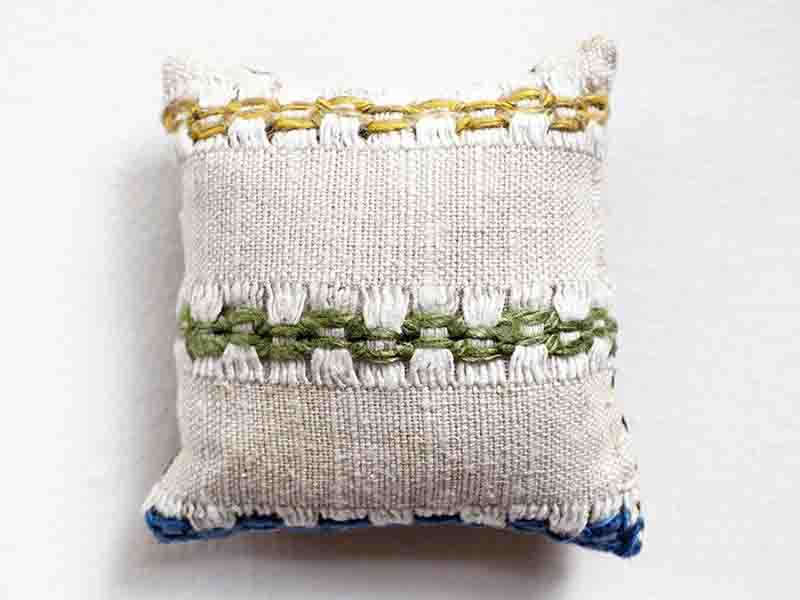
Some handmade projects shout for attention. A quilt says, “Look at my 400 tiny triangles.” A hand-knit sweater says, “Yes, I counted rows during an entire season of television.” But hand stitched sachets? They whisper. They sit quietly in drawers, closets, suitcases, linen cabinets, gift baskets, and sometimes under pillows, making everyday life smell a little more like a garden and a little less like forgotten gym socks.
Hand stitched sachets are small fabric pouches filled with dried botanicals such as lavender, rose petals, cedar shavings, rosemary, mint, lemon verbena, cloves, or custom potpourri blends. They are useful, beautiful, beginner-friendly, and wonderfully forgiving. Your stitches do not have to be perfect. Your corners do not need to salute at 90 degrees. A sachet is one of those rare DIY sewing projects where charm actually improves with evidence of the human hand.
In a world full of plug-in fragrances, aerosol sprays, and plastic everything, a hand sewn sachet feels refreshingly old-school. It is practical home fragrance, gentle textile care, and scrap-fabric magic rolled into one small square. Whether you want to freshen a drawer, make thoughtful handmade gifts, protect seasonal knits, or finally use the fabric scraps you keep because “they might be useful someday,” this guide walks through the materials, stitches, fillings, design ideas, care tips, and real-life experience behind making hand stitched sachets that look lovely and actually work.
What Are Hand Stitched Sachets?
A sachet is a small pouch filled with aromatic material. When it is hand stitched, the pouch is sewn by hand rather than by machine. Traditionally, sachets were tucked into clothing chests, drawers, trunks, and linen closets to lend a pleasant scent and help keep stored fabrics fresher. Today, they are just as useful, but they also make charming handmade favors, stocking stuffers, wedding gifts, housewarming presents, and craft fair items.
The basic structure is simple: two small pieces of breathable fabric, a filling, and a secure seam. The creative possibilities, however, are delightfully endless. You can make a classic square lavender sachet, a heart-shaped sachet for a gift, a long rectangular sachet for a closet shelf, a tiny envelope sachet for stationery drawers, or a decorative embroidered pouch that looks far fancier than the time it took to make.
Why Hand Stitch Sachets Instead of Buying Them?
Store-bought sachets are easy, but hand stitched sachets offer three big advantages: personalization, quality control, and emotional value. You choose the fabric, the filling, the scent strength, the size, and the style. You can make them rustic with linen and twine, romantic with vintage cotton and lace, minimal with muslin, or playful with bright quilting scraps.
You also know exactly what is inside. That matters. Many commercial scent products rely on synthetic fragrance blends that can be too strong for small spaces. With DIY sachets, you can use dried lavender buds, cedar chips, rose petals, cloves, dried citrus peel, or essential oils in modest amounts. The result is softer and more natural. It does not attack your nose when you open a drawer. It politely introduces itself.
Finally, handmade sachets carry a personal touch. A small pouch sewn by hand says, “I made this for you,” without demanding a parade. It is the kind of gift that works for teachers, neighbors, bridesmaids, hosts, grandparents, coworkers, and anyone who owns a drawer. In other words, nearly everyone.
Best Fabrics for Hand Stitched Sachets
The best fabric for hand stitched sachets is breathable, tightly woven enough to hold tiny dried materials, and easy to sew. Cotton is the classic choice because it is affordable, widely available, and beginner-friendly. Linen gives a relaxed, heirloom look. Muslin is excellent for simple drawer sachets and inner pouches. Lightweight canvas works for sturdier designs, while vintage handkerchiefs can become beautiful keepsake sachets.
Recommended Fabric Choices
Cotton quilting fabric: Great for colorful, patterned sachets and easy to sew by hand.
Muslin: Simple, breathable, inexpensive, and perfect for rustic or minimalist sachets.
Linen: Elegant, natural-looking, and ideal for embroidered sachets.
Vintage fabric scraps: Wonderful for sentimental gifts, especially if the fabric came from an old shirt, handkerchief, apron, or tablecloth.
Felt: Easy to cut and decorative, though less breathable than cotton or linen. Best for ornamental sachets rather than strongly scented ones.
Avoid fabrics with large open weaves unless you plan to use an inner pouch. Lavender buds, dried herbs, and rice can escape through loose fabric like tiny botanical fugitives. Also avoid very thick upholstery fabric for small sachets because it can be bulky and harder to hand sew neatly.
Best Fillings for Sachets
The filling determines the scent, purpose, and lifespan of the sachet. Lavender is the superstar because it smells clean, floral, and calming. Dried lavender flowers have long been used in sachets and potpourri, and extension gardening resources commonly recommend drying lavender for these uses. For the best scent, lavender flower stalks are often harvested when blooms are just about to open, then dried in a cool, dry place.
Popular Sachet Fillings
Dried lavender buds: The classic choice for drawers, closets, linen cabinets, and gifts.
Cedar chips or shavings: A woodsy option often used in closets and seasonal clothing storage.
Dried rose petals: Soft, romantic, and beautiful when blended with lavender.
Rosemary: Herbal, bright, and especially nice in kitchen linen drawers.
Mint: Fresh and crisp, useful for small spaces that need a clean scent.
Lemon verbena: Light, citrusy, and cheerful without smelling like furniture polish.
Whole cloves: Warm, spicy, and excellent in winter blends.
Dried orange peel: Sweet and sunny, especially when mixed with cloves or cinnamon chips.
Rice: A neutral filler that adds weight and can help distribute essential oils, though it has no scent on its own.
Orris root powder: Sometimes used in potpourri blends as a fixative, though many simple sachets work perfectly well without it.
A good beginner blend is two parts dried lavender, one part rice, and a pinch of cedar or rosemary. The rice gives the sachet a pleasant weight, while the botanicals provide fragrance. For a stronger scent, add one or two drops of essential oil to the dried filling, stir well, and let it rest before stuffing the pouch. Do not overdo the oil. A sachet should smell inviting, not like it is trying to win a perfume argument.
Tools and Materials You Need
One of the nicest things about hand stitched sachets is that they do not require a sewing machine. You can make them on a quiet evening with a few basic supplies and very little space. A kitchen table, a desk, or even a tray on your lap can become a tiny sachet studio.
Basic Supplies
- Fabric scraps or small fabric squares
- Needle
- Thread, embroidery floss, or hand quilting thread
- Scissors
- Pins or sewing clips
- Ruler or measuring tape
- Pencil, chalk, or washable fabric marker
- Dried sachet filling
- Small spoon or paper funnel
- Ribbon, lace, twine, buttons, or embroidery thread for decoration
For most drawer sachets, cut two fabric squares measuring about 4 by 4 inches or 5 by 5 inches. Smaller sachets are cute but fiddly. Larger sachets are easier to sew but can become bulky. A 4-inch square is the friendly middle ground: useful, giftable, and unlikely to test your patience.
Best Hand Stitches for Sachets
You do not need advanced sewing skills to make hand stitched sachets. A few basic stitches are enough. The running stitch is quick and simple. The backstitch is stronger and better for seams that need durability. The whipstitch works well for closing an opening from the outside. The ladder stitch, also called a blind stitch, creates a nearly invisible closure for a polished finish.
Running Stitch
The running stitch moves in and out of the fabric in a straight line. It is fast and easy, making it perfect for beginners. Use small, even stitches so the filling stays inside. If your stitches are too long, lavender buds may attempt a dramatic escape.
Backstitch
The backstitch is stronger because each stitch overlaps the previous one. It is slower than running stitch but excellent for sachets that will be handled often, packed in suitcases, or sold as handmade gifts.
Ladder Stitch
The ladder stitch is ideal for closing the small opening after filling the sachet. It hides the thread between folded fabric edges and gives the sachet a clean, professional look. It is also oddly satisfying, like pulling a zipper made of thread.
How to Make a Basic Hand Stitched Sachet
Here is a simple method for making a classic square sachet by hand.
Step 1: Cut the Fabric
Cut two squares of fabric, each about 4 by 4 inches. If your fabric has a printed side, place the right sides together so the pattern faces inward.
Step 2: Mark the Seam Allowance
Use a pencil or fabric marker to draw a light line about 1/4 inch from the edge. This gives you a guide for sewing. Precision helps, but do not panic if your line wiggles. Handmade charm is not a crime.
Step 3: Stitch Around the Edges
Sew around three full sides and most of the fourth side, leaving a small opening about 1 1/2 inches wide. Use running stitch for speed or backstitch for strength. Knot the thread securely.
Step 4: Trim the Corners
Carefully trim the corners without cutting through your stitches. This reduces bulk when you turn the sachet right side out.
Step 5: Turn and Press
Turn the sachet right side out through the opening. Gently push out the corners with a chopstick, knitting needle, or closed pen. Press the sachet flat with your fingers or an iron set appropriately for the fabric.
Step 6: Add Filling
Spoon the dried filling into the sachet. Do not overfill it. A sachet should feel softly plump, not like a beanbag chair for a mouse. Overfilling makes it harder to close and less flexible in drawers.
Step 7: Stitch the Opening Closed
Fold the raw edges inward and close the opening with a ladder stitch or whipstitch. Knot securely, hide the thread tail inside, and gently shake the sachet to distribute the filling.
Design Ideas for Beautiful Sachets
Once you master the basic square, you can start adding personality. Embroider initials on the front before sewing the sachet together. Add a tiny ribbon loop so the sachet can hang from a closet rod. Use pinking shears for decorative edges on rustic sachets sewn wrong sides together. Attach a button, lace trim, or a small fabric label.
For wedding favors, use linen or cotton in the wedding colors and fill the sachets with lavender. For holiday gifts, try red ticking fabric with dried orange peel, cloves, and cedar. For a baby shower, choose soft cotton prints and keep the scent very mild. For a farmhouse look, use unbleached muslin and stamp a small botanical design on the front.
Embroidery also works beautifully on sachets because the project is small enough to finish quickly. A tiny sprig of lavender, a bee, a monogram, a heart, a moon, or a simple border can make the sachet feel special. This is the perfect project for practicing embroidery without committing to a wall hanging the size of a dinner menu.
Where to Use Hand Stitched Sachets
Hand stitched sachets are small, but they are surprisingly versatile. Tuck lavender sachets into dresser drawers, linen closets, storage bins, suitcases, garment bags, gym bags, and seasonal clothing boxes. Place cedar and lavender sachets near wool sweaters, scarves, and blankets. Slip a mild floral sachet into a stationery drawer. Add a small sachet to a gift box for an extra handmade surprise.
Sachets can also freshen cars, guest rooms, bathroom cabinets, and office drawers. Avoid placing them directly on delicate fabrics if you used essential oils, because oils may stain. Instead, set the sachet in a corner of the drawer or place it inside a small cotton bag.
Do Sachets Repel Moths?
Lavender and cedar are often used as natural scent-based deterrents in closets and drawers, but it is important to understand their limits. They may help discourage pests in clean, well-maintained storage areas, but they are not a magic force field. If moth eggs or larvae are already present, sachets alone will not solve the problem.
For real clothing protection, start with clean textiles. Clothes moths and carpet beetles are attracted to natural fibers, especially wool, fur, feathers, silk, and items with perspiration, food stains, or body oils. Wash or dry clean garments before storage. Vacuum closets and drawers. Store valuable woolens in sealed containers or garment bags. Use sachets as a pleasant supporting step, not the entire pest-control plan.
This is also why many people prefer sachets to traditional mothballs for everyday home storage. Mothballs are pesticides and must be used only according to label directions, typically in tightly closed containers where fumes do not escape into living spaces. For casual drawers and linen closets, a natural hand stitched sachet is gentler, prettier, and considerably less dramatic.
How Long Do Hand Stitched Sachets Last?
Most sachets smell strongest during the first few weeks and gradually fade over several months. Lavender buds can often be refreshed by gently squeezing the sachet to release more of the plant’s aromatic oils. You can also open the sachet and replace the filling, or add a tiny amount of essential oil to dried botanicals before refilling.
Store extra dried herbs in airtight containers away from bright light and heat. Good drying and storage matter because moisture can lead to mold. Herbs should be completely dry before going into a sachet. If a sachet ever smells musty instead of fresh, retire it. It has served honorably.
Common Mistakes to Avoid
The first common mistake is using damp botanicals. Even slightly moist lavender or herbs can create mildew inside the pouch. Always use thoroughly dried materials.
The second mistake is overfilling. A sachet needs room for the filling to move and release fragrance. If it is packed too tightly, it becomes lumpy and difficult to sew closed.
The third mistake is using loose stitches. Tiny fillings require small stitches. A backstitch or tight running stitch is your friend.
The fourth mistake is adding too much essential oil. Essential oils are concentrated. A drop or two is often enough for a batch of filling. Too much oil can stain fabric, overwhelm the scent blend, or irritate sensitive noses.
The fifth mistake is expecting sachets to replace cleaning. A sachet can freshen a drawer, but it cannot fix dampness, mildew, dirty laundry, or an active pest problem. It is a finishing touch, not a cleaning crew with a floral hat.
Hand Stitched Sachets as Gifts
Few handmade gifts are as practical and easy to customize as sachets. Make a set of three and tie them with ribbon. Add a handwritten tag that lists the filling. Pair them with folded tea towels, handmade soap, a candle, stationery, or a cozy scarf. For a thoughtful housewarming gift, create a “fresh drawer set” with lavender sachets, cedar sachets, and a small card explaining where to place them.
For craft fairs, sachets are excellent because they are lightweight, affordable to make, and easy to display in baskets. Offer scent blends such as Classic Lavender, Cedar Closet, Rose Garden, Citrus Spice, and Rosemary Mint. Customers love choices, especially when the choices smell like someone has their life together.
A 500-Word Experience: What Making Hand Stitched Sachets Teaches You
The first time you make hand stitched sachets, you may expect the project to be almost too simple. Two fabric squares, a little thread, some lavender, done. But the experience has a quiet rhythm that makes it more meaningful than the supply list suggests. Cutting the fabric forces you to slow down. Threading the needle asks for patience. The first few stitches may look uneven, and then your hands begin to understand the motion. In, out, pull. In, out, pull. Suddenly, a scrap of fabric becomes a small useful object.
One of the nicest experiences is choosing fabric from leftovers. A piece from an old cotton shirt can become a drawer sachet. A remnant from curtains can become a linen closet freshener. A vintage handkerchief can become a keepsake gift. There is something satisfying about turning scraps into something purposeful. It feels less like crafting and more like rescuing tiny pieces of memory from the trash pile.
The scent blending is another surprisingly enjoyable part. Lavender alone is classic, but blending it with cedar makes it feel more grounded. Add dried rose petals and it becomes softer. Add rosemary and it feels clean and herbal. Add dried orange peel and cloves, and suddenly the sachet smells like winter decided to behave itself. You learn quickly that balance matters. Too much clove can take over. Too much essential oil can become sharp. But when the blend is right, it smells natural, gentle, and personal.
Hand stitching the final opening closed may be the moment when the sachet turns from “little bag of herbs” into “finished handmade thing.” The ladder stitch can feel mysterious at first, but once the thread tightens and the seam disappears, it is deeply satisfying. It is a tiny magic trick performed with cotton and patience.
Using the sachets around the house brings its own rewards. Open a drawer two days later, and the soft scent is waiting. Pack one in a suitcase, and your clothes arrive smelling faintly of lavender instead of airport. Place one in a linen closet, and even plain pillowcases feel slightly upgraded. Give one to a friend, and the response is often bigger than expected because the gift feels personal without being extravagant.
The best lesson from making hand stitched sachets is that useful beauty does not have to be complicated. A sachet is not flashy. It will not reorganize your closet, pay your bills, or convince your laundry to fold itself. But it will make small spaces nicer. It will use up fabric scraps. It will teach basic sewing skills. It will turn dried flowers into daily comfort. And sometimes, that is exactly the kind of handmade goodness a home needs.
Conclusion
Hand stitched sachets prove that simple crafts can still feel special. With a small piece of fabric, a needle, thread, and fragrant dried filling, you can create something beautiful, practical, and personal. Use lavender for a timeless drawer sachet, cedar for a closet-friendly blend, rose petals for romance, rosemary for freshness, or citrus and spice for seasonal warmth.
The real beauty of hand sewn sachets is their flexibility. They can be rustic or elegant, plain or embroidered, quick or heirloom-worthy. They are beginner-friendly enough for a first sewing project and charming enough for experienced makers to enjoy. Best of all, they bring a gentle sensory detail into everyday routines. Open a drawer, pull out a towel, pack a bag, or store a sweater, and there it is: a tiny handmade reminder that home is built from small comforts.














