
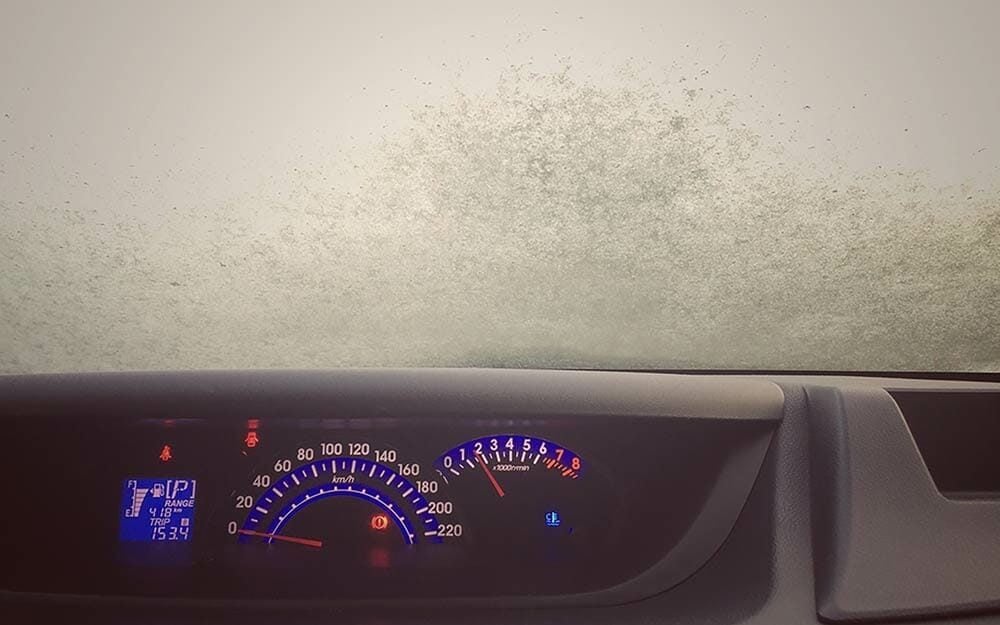
A foggy windshield has a special talent for appearing at the exact worst moment. You are already late, the coffee is balanced like a circus act, and suddenly your windshield looks like someone smeared it with steamed milk. The good news? You do not need a fancy gadget, a mechanic, or a mysterious bottle of “space-age anti-fog technology” to fight back.
One of the easiest hacks to prevent your windshield from fogging up is surprisingly simple: place a sock filled with clean, unused kitty litter inside your car. Yes, really. Your cat may be confused. Your windshield, however, may thank you.
This trick works because windshield fog is usually a moisture problem. When humid air inside your vehicle meets cold glass, tiny water droplets form on the windshield. That cloudy film is condensation. Kitty litter, especially silica-based non-clumping litter, helps absorb excess moisture in the cabin before it has a chance to settle on the glass. Think of it as a low-budget car dehumidifier wearing a sock.
Below, you will learn exactly how to use this easy windshield anti-fog hack, why it works, when it helps most, and what else you should do to keep your view clear in cold, rainy, or humid weather.
Why Does Your Windshield Fog Up?
Before we build the world’s least glamorous car accessory, let’s talk about the science. Windshield fogging happens when moisture in the air condenses on glass. That usually occurs because the temperature and humidity inside your car are different from the conditions outside.
In winter, warm, moist air inside the cabin comes from your breath, damp shoes, wet coats, snow-covered floor mats, spilled drinks, and even that gym bag you promised yourself you would remove three days ago. When that humid air touches the cold windshield, the moisture turns into condensation. Suddenly, your clear glass becomes a blurry wall.
In summer, the opposite can happen. If your air conditioner makes the windshield very cold while the outside air is hot and humid, fog may form on the outside of the glass. That is why sometimes your wipers clear the “fog” instantly. It is not inside the car at all; it is moisture on the outside surface.
The Easy Hack: A Sock Filled With Kitty Litter
The classic DIY hack for preventing a foggy windshield is beautifully simple. You fill a clean sock with unused kitty litter, tie it shut, and place it somewhere safe in your vehicle. The litter absorbs moisture from the air, helping reduce the humidity that contributes to windshield fog.
This does not replace your defroster, air conditioner, or common sense. It is not magic. It will not save a windshield covered in ice, and it definitely will not fix a leaking door seal. But as a low-cost moisture absorber, it can make a noticeable difference, especially if your car often feels damp inside.
What You Need
- One clean tube sock or thick cotton sock
- Clean, unused kitty litter
- A funnel, cup, or rolled paper cone
- A rubber band, zip tie, or strong knot
- Optional: a second sock to prevent dust leaks
Which Kitty Litter Works Best?
For this windshield fogging hack, choose non-clumping silica crystal kitty litter if you can. Silica crystals are designed to absorb moisture, which makes them useful for reducing dampness in a small space like a car cabin. Clay litter can absorb moisture too, but it may be dustier and heavier. Avoid scented litter if strong fragrances bother you, because your car should not smell like “Lavender Thunderstorm Cat Palace” unless that is truly your brand.
Do not use used kitty litter. That should go without saying, but the internet has made “without saying” a dangerous phrase.
How To Make the Sock Dehumidifier
- Place the sock opening over a cup, funnel, or roll of tape to hold it open.
- Pour in clean kitty litter until the sock is about halfway to two-thirds full.
- Tie the end tightly or secure it with a rubber band or zip tie.
- For extra protection, slide the filled sock inside a second sock.
- Place it safely in the car where it will not roll under the pedals.
The best places are under the front seat, in a door pocket, near the windshield base while parked, or in a small tray on the dashboard when the vehicle is not moving. Do not leave it loose on the dashboard while driving. A sock full of litter sliding across the cabin during a hard stop is not the kind of “interior feature” anyone needs.
Where Should You Put It?
Placement matters. The goal is to reduce cabin moisture, not decorate your dashboard with a suspicious gray sock. If you mostly notice fog in the morning, place the sock near the windshield while the car is parked overnight. Before driving, move it to a secure spot such as under the passenger seat or inside a storage bin.
If your car has damp carpets, keep one moisture absorber under the seat and another in the rear footwell. If you regularly carry wet boots, sports gear, umbrellas, or a dog who believes every puddle is a personal invitation, you may need more than one sock. Moisture is sneaky. It travels with you, then settles into the upholstery like an unwanted roommate.
How Fast Does the Hack Work?
The kitty litter sock is best as a prevention method. It will not instantly clear a fogged windshield the way your defrost setting can. Instead, it slowly absorbs moisture while your car is parked or while the cabin air circulates. Many drivers notice the biggest difference after leaving it in the vehicle overnight.
If your windshield is already fogged up, use your vehicle’s climate controls first. Turn on the defrost mode, use the air conditioner to remove moisture, turn off recirculation, and increase the fan speed. Once the windshield is clear, the sock hack helps reduce the chance of the fog returning.
How To Defog a Windshield Quickly
The sock trick is helpful, but your car’s HVAC system is still the main character. Modern vehicles are designed with defrosting and defogging systems because clear visibility is essential for safe driving. Here is the fastest practical approach for interior fog:
1. Turn On Defrost Mode
Defrost mode directs air toward the windshield. That focused airflow helps evaporate moisture from the glass. Use a medium or high fan speed when the windshield is badly fogged.
2. Use the Air Conditioner
This sounds strange in winter, but your car’s air conditioner does more than cool air. It also helps remove humidity. Many vehicles automatically activate the A/C when defrost mode is selected. Warm, dry air aimed at the windshield is excellent for clearing condensation.
3. Turn Off Recirculation
Recirculation keeps cabin air moving around inside the vehicle. That is useful when you want quick cooling, but it can trap humid air inside. Switch to fresh-air mode so drier outside air can enter the cabin.
4. Crack a Window Slightly
If weather allows, open a window just a little for a short time. This helps exchange humid cabin air for outside air. You do not need to freeze like a popsicle; even a small opening for a minute can help.
5. Do Not Wipe With Your Sleeve
Wiping the windshield with your hand, sleeve, or napkin may clear a small patch temporarily, but it often leaves streaks and oils that make future fogging worse. Use a clean microfiber cloth if you must wipe the glass.
Other Simple Ways To Prevent Windshield Fogging
Preventing fog is really about managing moisture and keeping the glass clean. The kitty litter sock helps with moisture, but it works even better when paired with a few smart habits.
Keep the Inside of the Windshield Clean
A dirty windshield fogs faster because dust, oils, smoke film, and interior off-gassing give moisture more places to cling. Clean the inside glass with an automotive glass cleaner and a microfiber towel. If your windshield always looks hazy when sunlight hits it, it is overdue for cleaning.
Remove Wet Items From the Car
Wet coats, umbrellas, towels, snow-covered boots, and damp floor mats add moisture to the cabin. Take them out when you can. If your floor mats are soaked, dry them indoors. Your windshield cannot stay clear if your car interior is doing an impression of a swamp.
Check for Leaks
If your windows fog constantly, even in mild weather, look for water leaks. Damp carpets, musty smells, water in the trunk, or cloudy windows every morning may point to a leaking door seal, sunroof drain, windshield seal, or heater core issue. A sock full of litter can help reduce moisture, but it cannot outwork a leak.
Replace a Dirty Cabin Air Filter
A clogged cabin air filter can reduce airflow from your vents. Weak airflow makes defogging slower. If your vents barely blow or smell musty, check the maintenance schedule for your vehicle and replace the filter if needed.
Use an Anti-Fog Product
Commercial anti-fog sprays and wipes create a thin barrier that makes it harder for water droplets to cling to the glass. These products work best on clean, dry glass. Apply them carefully and buff away residue so you do not trade fog for streaks.
What About the Shaving Cream Trick?
Another popular anti-fog hack is wiping a small amount of shaving cream on the inside of the windshield, then buffing it off completely with a clean microfiber towel. Shaving cream contains surfactants that can leave behind a thin film, which may reduce fogging for a short time.
That said, use this method carefully. Too much product can leave a hazy residue, and residue on a windshield is a safety problem when headlights or low sun hit the glass. If you try it, use a tiny amount, keep it away from upholstery and electronics, and buff until the glass is fully clear. For many drivers, a proper anti-fog product is cleaner and more predictable.
When the Hack Will Not Be Enough
The sock-and-kitty-litter trick is useful, but it has limits. If your windshield fogs heavily every time you drive, there may be a bigger issue. Persistent fog can be caused by trapped moisture, a water leak, a failing heater core, poor ventilation, or a malfunctioning A/C system.
A sweet smell, greasy film on the inside of the windshield, or coolant loss may indicate a heater core problem. That is not a DIY sock situation; that is a “please inspect the vehicle” situation. Likewise, if water collects under the floor mats after rain, investigate seals and drains. Moisture must be removed at the source.
Safety Tips Before You Drive
Never drive with only a small clear patch in the windshield. You need full visibility through the windshield, side windows, mirrors, and rear glass. Clear snow, ice, and fog before moving. If the glass fogs again while driving, slow down safely, turn on defrost, and pull over if visibility becomes poor.
Also, keep DIY items secured. A loose sock, bag, towel, or container should never be able to slide under the brake pedal. Do not place anything where it blocks airbags, vents, sensors, or your view of the road.
Real-World Experience: What This Hack Feels Like in Daily Driving
The kitty litter sock hack is not glamorous, but that is part of its charm. It is the kind of tip that sounds ridiculous until you are sitting in your driveway on a 32-degree morning, watching your windshield fog up faster than your patience disappears. Then suddenly, the humble sock starts looking like a tiny automotive hero.
In everyday use, the biggest benefit is not that the windshield never fogs. It is that the fog often becomes lighter, slower to appear, and easier to clear. If your car usually greets you with fogged windows every morning, leaving a moisture absorber inside overnight can make the cabin feel less damp. The glass may still need defrosting, but you are not starting from “haunted aquarium” visibility.
This hack works especially well for people who park outside, live in cold or rainy climates, or carry moisture into the car regularly. Parents may notice fogging after kids climb in with wet jackets and backpacks. Pet owners may battle moisture after a muddy walk. Commuters in snowy areas often drag slush into the footwell, where it melts into the mats and slowly evaporates into the cabin. In all of these cases, a small DIY dehumidifier can help.
One practical lesson: use more litter than you think, but do not overfill the sock until it becomes a brick. A half-full sock is flexible and easier to tuck under a seat. If your car is larger, or if you have serious dampness, make two. One can sit under the passenger seat and one can stay in the rear footwell. Rotate them occasionally and replace the litter when it seems saturated or no longer helps.
Another useful habit is pairing the sock hack with a weekly windshield cleaning. Many drivers blame “bad defrosters” when the real problem is dirty interior glass. A thin film from plastics, dust, fingerprints, smoke, and road grime can hold moisture like a magnet. Clean glass plus lower cabin humidity is a much stronger combination than either one alone.
There is also a comfort factor. A damp car simply feels unpleasant. It smells musty, fogs easily, and makes winter driving feel harder than it needs to be. The kitty litter sock is not a luxury upgrade, but it can make an older car feel a little fresher and less clammy. It is cheap, replaceable, and easy to test. If it does not help your situation, you have lost a sock and gained a story.
The most important experience-based tip is to stay realistic. If your car has a leak, the hack may reduce symptoms but will not solve the cause. If your A/C is not working, defogging will take longer. If your floor mats are soaked, dry them. The sock is a helper, not a miracle worker. But as a simple, low-cost trick to prevent windshield fogging, it earns a spot in the winter driving toolboxright next to the scraper, microfiber cloth, and emergency snack you definitely forgot about.
Conclusion
Preventing windshield fog comes down to one main goal: control moisture before it turns into condensation. The easy kitty litter sock hack works because it helps absorb extra humidity inside your vehicle, making fog less likely to form on cold glass. Combine it with clean interior windows, fresh-air mode, working defrosters, dry floor mats, and smart use of the A/C, and you will have a much better chance of starting your drive with a clear view.
It may not be the fanciest car-care trick in the world, but it is cheap, simple, and surprisingly practical. Just remember to use clean, unused litter, secure the sock safely, and never let anything interfere with your pedals or visibility. Your windshield does not need drama. It needs dry air, clean glass, and maybe one very hardworking sock.
Note: This article is for general car-care education. Always follow your vehicle owner’s manual, keep all windows fully clear before driving, and secure any DIY moisture absorber away from pedals, airbags, vents, and sightlines.












