
Note: This article is written as original, web-ready content based on real information about meme culture, online humor, social media behavior, and digital communication.
Ask the internet, “What’s your favorite meme?” and you will not get one answer. You will get a parade. A majestic, chaotic, pixelated parade. Someone will mention Doge with the seriousness of a scholar defending a thesis. Someone else will insist that “This Is Fine” is not just a meme, but a lifestyle. A third person will quietly post a confused cat image and win the room without saying a word.
That is the magic of memes. They are jokes, yes, but they are also shortcuts for feelings, social signals, cultural timestamps, and tiny digital postcards that say, “I saw this and thought of us.” A meme can be a photo, a phrase, a reaction GIF, a short video, a screenshot, a remix, or even a deliberately misspelled caption that somehow becomes funnier the less grammatical it gets. The best memes feel effortless, but they carry a surprising amount of meaning in a small package.
So, heya Pandas: what is your favorite meme? More importantly, why does that meme live rent-free in your brain while your math homework, grocery list, and the name of that one actor from that one movie have all packed up and left?
What Is a Meme, Really?
A meme is commonly understood today as an amusing or interesting piece of content that spreads widely online, especially through social media. But the idea is older than Instagram carousels, TikTok trends, Reddit threads, and group-chat stickers. The word “meme” was popularized by evolutionary biologist Richard Dawkins in 1976 to describe a unit of cultural information that spreads through imitation. In the internet age, that concept got a funny hat, a caption, and a Wi-Fi connection.
Modern internet memes spread because people copy, remix, caption, reinterpret, and share them. A single image can become thousands of jokes. A short phrase can become a reaction to school stress, workplace drama, celebrity news, sports heartbreak, awkward family dinners, or the universal tragedy of opening the fridge and finding nothing but condiments.
Why Favorite Memes Feel Personal
Favorite memes are rarely random. People choose them because they match a mood, memory, identity, or inside joke. One person’s favorite meme may be the classic “Distracted Boyfriend” because it perfectly captures every bad decision they have ever made in a shopping cart. Another may love “Woman Yelling at Cat” because it turns everyday overreaction into operatic comedy. Someone else may choose “Doge” because the strange grammar, soft chaos, and wide-eyed dog energy still feel wonderfully innocent.
Memes work because they compress big feelings into small formats. “This Is Fine” captures calm panic. “Surprised Pikachu” captures the shock of facing the obvious consequences of your own choices. “Drake Hotline Bling” turns preference into a two-panel decision machine. “Is This a Pigeon?” is confusion in its purest form. “Expanding Brain” makes silly escalation look intellectual. These templates endure because they are flexible, instantly readable, and easy to adapt.
The Secret Ingredients of a Great Meme
1. Instant Recognition
A strong meme needs to be understood quickly. The viewer should not need a twelve-page instruction manual and a background in ancient internet archaeology. The best memes hit fast: one image, one caption, one emotional punch. That does not mean every meme must be simple, but the joke should reward recognition. When people “get it,” they feel included.
2. Remix Potential
A meme becomes powerful when many people can customize it. The original format is only the starting point. The community adds new captions, new contexts, new characters, and new layers. This is why templates thrive. They invite participation. A good meme says, “Here is the joke structure. Now make it yours.”
3. Emotional Accuracy
The funniest memes often succeed because they are painfully accurate. They describe feelings people did not know how to explain. The awkward silence after sending a risky text. The dramatic betrayal of a charger that only works at one exact angle. The confidence you feel before checking your bank account, followed immediately by character development. A meme becomes memorable when it says, “Yes, that is exactly it.”
4. Shareability
Memes are social objects. People send them to friends, post them in comments, drop them into chats, and use them as emotional punctuation. A meme is rarely just consumed; it is deployed. It can soften a serious conversation, celebrate a shared win, roast a shared problem, or say “I’m exhausted” without typing a full paragraph.
Why Memes Became the Language of the Internet
Memes are popular because they fit the speed of online life. Social platforms reward content that can be understood quickly and shared easily. A meme can travel across platforms faster than a formal essay because it demands less attention while still delivering meaning. In a world where people scroll through oceans of content, memes are tiny boats with loud horns.
They also help people communicate tone. Plain text can be misunderstood, especially online. Add a meme, and suddenly the message has facial expression, timing, and emotional flavor. Sending “I’m fine” may sound suspicious. Sending “This Is Fine” communicates a very specific kind of heroic collapse. The meme does the heavy lifting while everyone politely pretends they are not one unread email away from becoming a houseplant.
Classic Favorite Meme Categories
Reaction Memes
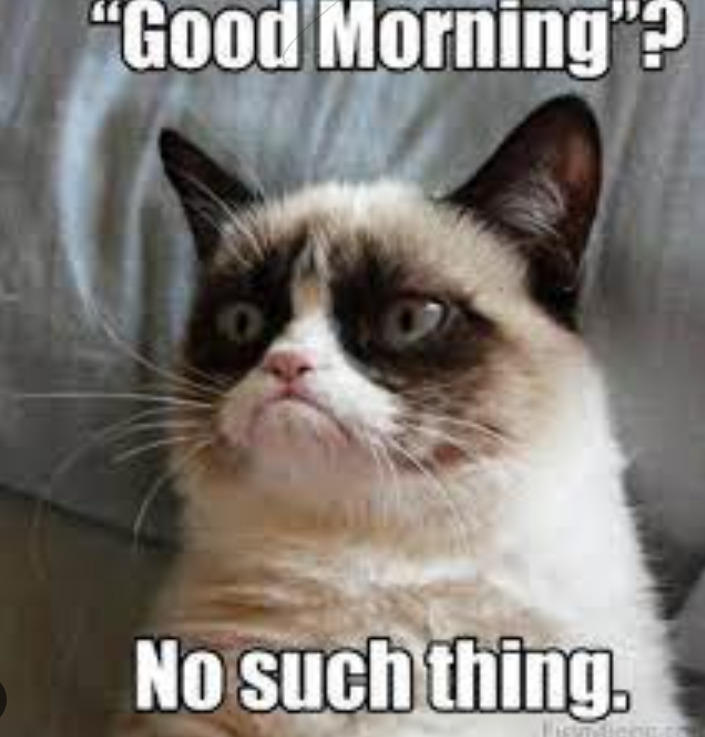
Reaction memes are the internet’s facial expressions. They answer questions, judge decisions, celebrate chaos, or provide emotional support with a single image. Confused faces, dramatic stares, shocked animals, and unimpressed celebrities all live in this category. These memes are popular because they are useful. You do not always need a fresh joke; sometimes you need the perfect reaction.
Relatable Life Memes
Relatable memes are built around everyday truths: procrastination, sleep problems, social awkwardness, school pressure, work stress, pet behavior, food cravings, and the mysterious power of saying “I’ll start tomorrow.” They are comforting because they remind us that our tiny struggles are not unique. Somewhere out there, another person is also trying to fold a fitted sheet and questioning the structure of civilization.
Animal Memes
Animal memes are internet royalty. Cats, dogs, frogs, birds, raccoons, possums, capybaras, and pandas all have meme potential because animals are naturally expressive without knowing they are expressive. A dog looking guilty, a cat looking furious, or a raccoon looking like it just made three bad financial decisions can become comedy gold.
Absurdist Memes
Absurdist memes are harder to explain and easier to feel. They may use strange captions, surreal edits, broken grammar, or intentionally chaotic formats. Their humor comes from surprise, nonsense, and internet-native rhythm. This category can be confusing to outsiders, but that is partly the point. Some memes are not jokes in the traditional sense; they are vibes wearing sunglasses.
Nostalgia Memes
Nostalgia memes use old cartoons, early internet screenshots, childhood snacks, retro games, or outdated technology to trigger memory. They are popular because they mix humor with recognition. A meme about dial-up internet, old computer sounds, or early social media design can make people laugh and feel ancient in the same breath.
How Memes Help Us Cope
Memes are not just distractions. Humor can help people process stress, and research on pandemic-era memes suggested that funny memes helped some people cope with difficult emotions. That makes sense. When life feels overwhelming, a meme can turn anxiety into something shareable. It does not solve the problem, but it can make the problem feel less lonely.
There is a reason stress memes are everywhere. People use them to say, “I am dealing with this too.” A student may share a meme about deadlines. A worker may post one about meetings. A parent may laugh at a meme about laundry multiplying like a science experiment. The meme becomes a tiny support group with better captions.
Memes as Digital Folklore
Memes are often treated as disposable, but they are also part of digital folklore. They show how people talk, joke, protest, bond, and react to events in real time. Archives and cultural institutions have recognized that web culture matters because it records everyday creativity. Today’s meme may look silly, but tomorrow it may help explain how people felt about a particular year, trend, crisis, celebrity moment, or platform shift.
Think about it: a meme can capture public mood faster than a formal article. When everyone is tired, memes become tired. When everyone is confused, memes become confused. When everyone is excited, memes turn into confetti with captions. They are emotional weather reports for the internet.
Why “Favorite Meme” Questions Are So Fun
Asking people about their favorite meme is like asking them to open a tiny museum of their personality. Some people pick wholesome memes because they like gentle humor. Some pick sarcastic memes because they enjoy a sharper edge. Some pick ancient memes from the early 2000s because they are loyal historians of chaos. Some pick whatever made them laugh five minutes ago because their meme taste updates faster than an app nobody asked to update.
The question also invites storytelling. A favorite meme often has a backstory: the friend who always sends it, the moment it perfectly described a terrible day, the group chat that overused it until it became sacred, or the time someone used it in the wrong situation and somehow made it funnier.
Examples of Memes People Still Love
Doge remains beloved because it combines animal charm, broken grammar, and a strangely warm emotional tone. It is silly without being cruel, which gives it lasting appeal.
This Is Fine works because it captures calm disaster. It is the patron saint of pretending everything is under control while reality politely catches fire in the background.
Distracted Boyfriend became a favorite because it is simple, visual, and endlessly adaptable. It turns temptation, distraction, and bad priorities into one readable image.
Woman Yelling at Cat thrives on contrast: intense human emotion paired with a cat who appears deeply unimpressed. It is drama and indifference in perfect balance.
Surprised Pikachu is the official face of predictable consequences. It says, “I did the thing, and now the thing happened. How could this be?”
Drake Hotline Bling remains useful because it gives people a clean way to compare what they reject with what they prefer. It is basically a tiny opinion chart with better facial expressions.
How to Choose Your Favorite Meme
If you are trying to answer “What’s your favorite meme?” start with the one you actually use. Not the one you think sounds cool. Not the one that seems culturally important. The one you send when words fail. The one that makes your friends reply instantly. The one you save even though your camera roll is already 40 percent screenshots and emotional evidence.
Your favorite meme might be funny because it is clever. It might be funny because it is stupid. It might be funny because it is so specific that only three people understand it, and all three are in your group chat. That still counts. Especially that.
The Etiquette of Sharing Memes
Memes are fun, but context matters. A meme that works in one group may flop in another. A sarcastic joke may be hilarious among close friends but confusing to someone who does not know your tone. A meme about a stressful topic can be comforting to one person and annoying to another. The best meme sharers read the room before launching the raccoon-with-a-caption missile.
It is also worth remembering that memes often use images of real people, artists, creators, or private individuals. Responsible sharing means avoiding harassment, bullying, hateful stereotypes, or cruel jokes aimed at someone’s appearance, identity, or personal life. The funniest memes punch up, punch sideways, or punch at universal nonsense. They do not need to punch down.
Why Memes Keep Evolving
Meme culture changes because platforms change. The meme style that dominates a forum may not work on TikTok. The joke that thrives on Instagram may become strange on Reddit. A meme born on X may be remixed on YouTube, screenshotted for Facebook, explained on a podcast, and finally discovered by a brand account two weeks after everyone else has moved on. At that point, the meme may need a small funeral and perhaps a tasteful slideshow.
Still, the cycle continues. New templates appear. Old memes return. Strange phrases become social currency. A single screenshot can define a week. The internet keeps producing jokes because people keep needing ways to react to life faster than life can explain itself.
Personal Experiences: Living With Favorite Memes
One of the funniest things about favorite memes is how they become part of daily life. You may not notice it at first. You save a reaction image because it made you laugh. Then you send it once. Then twice. Suddenly, it is your official emotional representative. Your friends no longer need to ask how you are doing. They just wait for the meme. If you send the calm dog in the burning room, they know the situation is bad but survivable. If you send a confused cat, they know someone has said something suspicious. If you send a raccoon, they may assume you are either hungry, tired, or planning something mildly irresponsible.
In group chats, memes become a shared language. A single image can replace paragraphs of explanation. Let’s say someone writes, “I’m going to finish all my assignments tonight.” Nobody replies with a lecture. Someone simply drops “Surprised Pikachu” for tomorrow morning, when the assignments are still unfinished and the person has instead reorganized their playlist, cleaned one drawer, and watched three videos about productivity. The meme is not mean; it is prophecy.
Favorite memes also become memory markers. You may remember a certain semester, job, friendship, or family phase by the memes everyone used at the time. Maybe your class was obsessed with one absurd phrase. Maybe your coworkers reacted to every meeting with the same exhausted image. Maybe your sibling sent you a cat meme so often that it became a family greeting. Years later, seeing that meme again can bring back the whole era: the jokes, the stress, the snacks, the terrible Wi-Fi, the dramatic weather, and the exact feeling of laughing when everyone needed it most.
There is also a special joy in discovering that someone shares your meme taste. It is a small but real form of connection. When you send a slightly weird meme and the other person replies, “Why is this me?” friendship levels increase. When they send back an even better version, the alliance is sealed. This is how modern bonds are formed: trust, timing, and the mutual understanding that a blurry frog can express complex emotional truth.
Of course, not every meme lands. Everyone has experienced the lonely silence after sending a joke that deserved applause but received nothing. That silence is character-building. It teaches humility. It reminds us that comedy is subjective and that not every group chat is ready for a niche medieval painting meme about Monday mornings. But even a failed meme has value. It says, “I tried to bring joy.” Sometimes that is enough, even if the room responds like an unplugged printer.
The best personal meme experiences happen when humor becomes kindness. A friend sends a meme after a hard day, not to dismiss the problem, but to make you smile for five seconds. A family member forwards a wholesome animal meme because they are thinking of you. A classmate turns shared stress into a joke that makes everyone feel less alone. In those moments, memes stop being disposable content. They become tiny acts of attention.
So when someone asks, “Heya Pandas, whats your favorite meme?” the answer is not just about a funny picture. It is about what makes you laugh when you are tired, what helps you explain yourself, what connects you to your people, and what little piece of internet nonsense somehow became part of your story.
Conclusion
Favorite memes are more than passing jokes. They are cultural snapshots, emotional shortcuts, social tools, and tiny comedy machines powered by recognition. Whether you love classic Doge, dramatic cats, exhausted reaction faces, absurdist chaos, or wholesome animal posts, your favorite meme says something about how you see the internet and how you survive it with your sense of humor intact.
Memes work because they are quick, flexible, and deeply human. They let us laugh at stress, communicate mood, build community, and turn ordinary moments into shared jokes. So go ahead, Pandas: defend your favorite meme with pride. The internet may be chaotic, but at least it gave us a language for saying, “I am overwhelmed, amused, confused, and emotionally supported by a captioned animal.” Honestly, that is culture.













