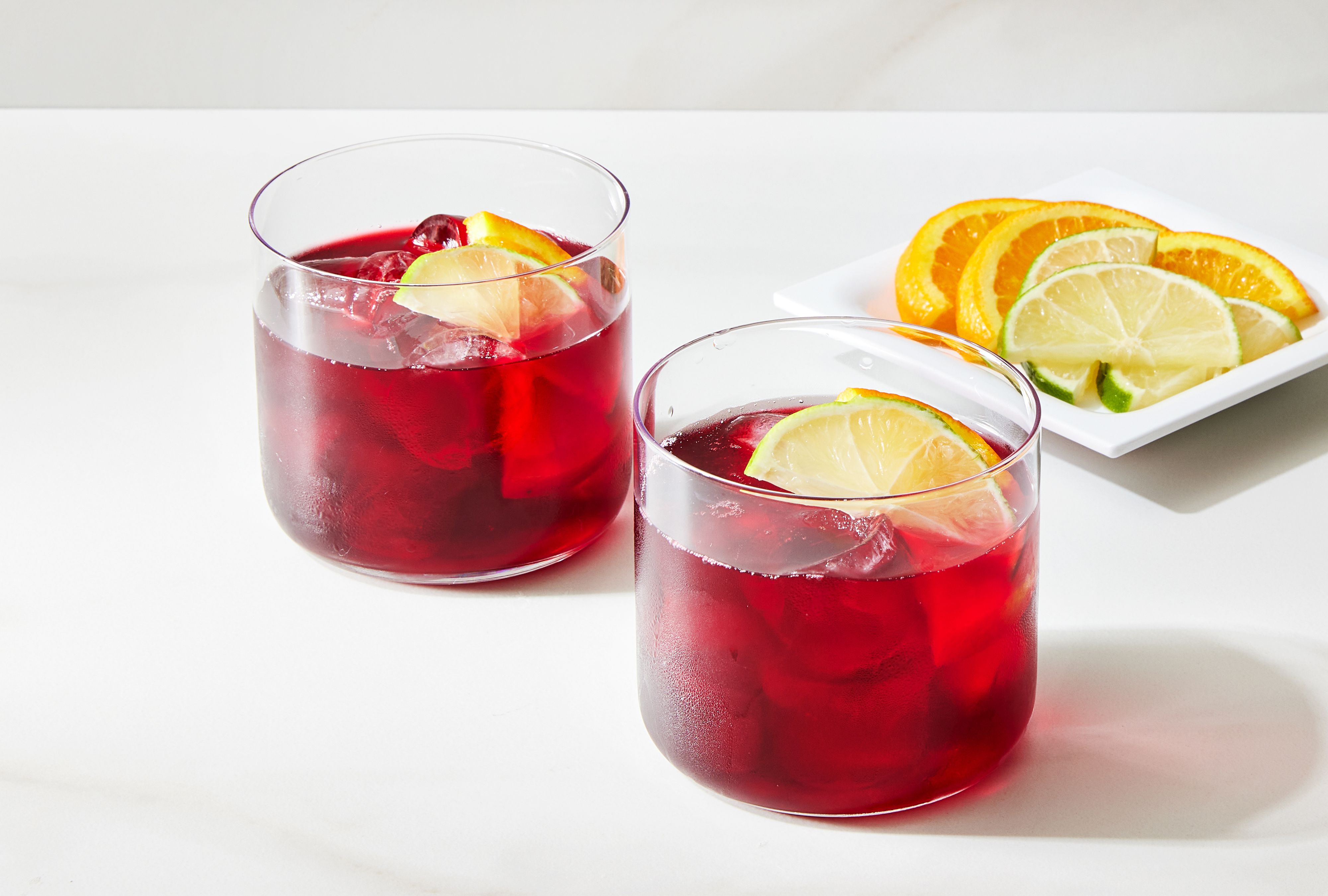
If lemonade had a dramatic cousin who showed up to brunch wearing a ruby-red outfit and smelling faintly of flowers, it would be hibiscus tea. Bright, tart, caffeine-free, and almost suspiciously beautiful, this drink is one of the easiest homemade beverages you can make with dried hibiscus flowers, water, and a little sweetness if your taste buds prefer diplomacy over a full cranberry-style wake-up call.
This hibiscus tea recipe works hot, iced, lightly sweetened, unsweetened, citrusy, gingery, or dressed up as a sparkling mocktail. It is inspired by the traditions of agua de jamaica in Mexico, sorrel-style hibiscus drinks in the Caribbean, and simple American iced tea methods that prioritize clean flavor, easy preparation, and safe storage. In other words, it is the kind of recipe that makes your pitcher look like you tried very hard, even if you mostly just boiled water and strained flowers. We love that kind of kitchen magic.
What Is Hibiscus Tea?
Hibiscus tea is an herbal infusion made by steeping dried hibiscus calyces, often from Hibiscus sabdariffa, in hot water. Many people casually call them “hibiscus flowers,” but the edible part commonly used for tea is the calyx, the deep red plant structure that gives the drink its bold color and tangy flavor. Depending on where you shop, you may see dried hibiscus labeled as flor de jamaica, roselle, sorrel, bissap, or karkade.
The flavor is naturally tart, fruity, floral, and slightly earthy. Think cranberry juice, pomegranate, and red berries holding a polite meeting in a teacup. Because it contains no tea leaves from the Camellia sinensis plant, hibiscus tea is naturally caffeine-free, making it a popular option for afternoon sipping, evening iced tea, or anyone who wants a colorful drink without the “why am I alphabetizing the pantry at midnight?” energy of caffeine.
Easy Hibiscus Tea Recipe
This base recipe makes a balanced, refreshing pitcher of hibiscus tea. It is strong enough to serve over ice without becoming watery, but not so intense that it tastes like your mouth joined a marching band.
Ingredients
- 1 cup dried hibiscus flowers, rinsed briefly if dusty
- 6 cups water, divided
- 1/3 to 1/2 cup honey, sugar, agave, or maple syrup, adjusted to taste
- 2 tablespoons fresh lime juice or lemon juice
- 1 thin slice fresh ginger, optional
- 1 small cinnamon stick, optional
- Ice, for serving
- Lime wheels, orange slices, or fresh mint, for garnish
Instructions
- Boil the water. Bring 4 cups of water to a boil in a medium saucepan.
- Steep the hibiscus. Turn off the heat. Add the dried hibiscus flowers, ginger, and cinnamon stick if using. Cover and steep for 10 to 15 minutes.
- Strain carefully. Pour the tea through a fine-mesh strainer into a heatproof pitcher. Press lightly on the hibiscus, but do not mash it aggressively. This is tea, not a wrestling match.
- Sweeten while warm. Stir in your sweetener while the tea is still warm so it dissolves smoothly.
- Add citrus and dilute. Stir in the lime or lemon juice, then add the remaining 2 cups of cold water. Taste and adjust sweetness or tartness.
- Chill and serve. Refrigerate until cold, then serve over ice with citrus slices or mint.
How to Make Hot Hibiscus Tea
For a single mug of hot hibiscus tea, use 1 tablespoon dried hibiscus flowers or 1 hibiscus tea bag per 8 ounces of hot water. Steep for 5 to 10 minutes, depending on how bold you like it. Strain, then add honey and lemon if desired. A small piece of ginger is excellent here because it adds warmth without making the tea taste heavy.
Hot hibiscus tea is especially good when you want something cozy but not creamy. It has enough personality to stand on its own, which is useful when your snack is plain toast and your tea needs to carry the conversation.
How to Make Iced Hibiscus Tea
For iced hibiscus tea, make the tea slightly stronger than you would for a hot drink. Ice melts, and ice has never once cared about preserving flavor. Use the pitcher recipe above, chill it fully, and pour it over fresh ice. For a more polished drink, add lime juice, orange slices, or a splash of unsweetened cranberry or pomegranate juice.
If you are serving hibiscus tea for a party, freeze some of the tea in an ice cube tray. Hibiscus tea cubes keep the drink flavorful as they melt and look gorgeous in the glass. It is the kind of trick that makes guests say, “Oh, fancy,” even though your freezer did most of the work.
Cold Brew Hibiscus Tea Method
Cold brew hibiscus tea is smoother and a little less sharp than hot-steeped hibiscus. To make it, combine 1 cup dried hibiscus flowers with 6 cups cold water in a large jar or pitcher. Cover and refrigerate for 8 to 12 hours. Strain, sweeten to taste, and add citrus right before serving.
The cold brew method is perfect if you prefer a gentler flavor or want to prep tea overnight. It also reduces the risk of over-extracting bitter or overly tannic notes. The trade-off is time, but since the refrigerator handles the labor, we can hardly complain.
Best Sweeteners for Hibiscus Tea
Hibiscus tea can be served unsweetened, but many people enjoy a little sweetener because the tea is naturally tart. Sugar gives the cleanest classic flavor. Honey adds floral depth. Agave dissolves easily and keeps the drink light. Maple syrup adds a cozy note, though it can slightly change the flavor profile.
For the best texture, add sweetener while the tea is still warm. If your tea is already cold, make a quick simple syrup by stirring equal parts sugar and hot water until dissolved, then add it to taste. This prevents gritty sugar from sinking to the bottom like tiny edible gravel.
Flavor Variations
Ginger Lime Hibiscus Tea
Add 2 to 3 slices of fresh ginger during steeping and finish the pitcher with fresh lime juice. This version is bright, spicy, and excellent over ice. It pairs well with tacos, grilled vegetables, rice bowls, and sunny afternoons that clearly came with no return policy.
Orange Cinnamon Hibiscus Tea
Add one cinnamon stick and a strip of orange zest while steeping. After straining, sweeten lightly and serve hot or cold. This version has a warm, spiced flavor that works especially well in fall and winter.
Mint Hibiscus Cooler
Chill the tea, then serve it over ice with fresh mint and lime. Do not steep mint for too long in hot tea, or it can become grassy. Add it fresh for the cleanest flavor.
Sparkling Hibiscus Mocktail
Fill a glass with ice, pour in chilled hibiscus tea until the glass is about two-thirds full, then top with sparkling water. Add a squeeze of lime and a small spoonful of honey syrup if desired. It looks festive, tastes refreshing, and requires zero complicated bartender equipment.
Tips for the Best Hibiscus Tea
Use good dried hibiscus. Look for dried hibiscus that is deep red, fragrant, and not overly dusty. If the hibiscus smells stale or has lost its color, the tea may taste flat.
Do not boil the flowers for too long. A short steep gives you clean tartness and color. Long simmering can make the drink too sharp or slightly bitter.
Balance tartness with citrus carefully. Lime and lemon brighten hibiscus, but hibiscus is already tangy. Start small, taste, then add more.
Salt can help. A tiny pinch of salt in a full pitcher can soften sharp edges and make the fruitiness pop. Do not add enough to taste salty. This is tea, not soup.
Serve it cold for maximum refreshment. Hibiscus tea is good hot, but iced hibiscus tea has a special talent for making ordinary water seem underdressed.
How Long Does Hibiscus Tea Last?
Store homemade hibiscus tea in a clean, covered pitcher in the refrigerator. For best flavor, drink it within 3 to 4 days. Keep it chilled at 40°F or below, and avoid leaving it at room temperature for long periods, especially if it is sweetened. If it smells odd, looks cloudy in a suspicious way, or tastes fermented, toss it. Your stomach deserves better than a science experiment in a pitcher.
For the freshest taste, add citrus slices and fresh herbs right before serving instead of storing them in the tea for days. Citrus peel can turn bitter, and mint can darken or taste muddy after sitting too long.
Is Hibiscus Tea Good for You?
Hibiscus tea is naturally caffeine-free and contains plant compounds such as anthocyanins, which contribute to its red color. Some studies and health references discuss hibiscus tea in relation to heart health and blood pressure, but it should not be treated as a cure or replacement for medical care. If you take blood pressure medication, are pregnant, are breastfeeding, or have a medical condition, ask a qualified healthcare professional before drinking hibiscus tea regularly.
For everyday enjoyment, think of hibiscus tea as a flavorful beverage first. Its biggest practical benefit is simple: it can help make hydration more interesting. If plain water makes you sigh dramatically, a pitcher of bright red herbal tea in the refrigerator can be a very persuasive upgrade.
Common Hibiscus Tea Mistakes
Mistake 1: Making It Too Strong
Hibiscus is powerful. If your tea tastes too sour, dilute it with cold water or pour it over plenty of ice. You can also add a little more sweetener or a splash of orange juice for roundness.
Mistake 2: Adding Too Much Sugar Too Quickly
Start with less sweetener than you think you need. Hibiscus tea changes as it chills, and cold drinks often taste less sweet than warm ones. Sweeten, chill, taste again, then adjust.
Mistake 3: Skipping the Strainer
Dried hibiscus pieces are not shy. Use a fine-mesh strainer so the final tea is smooth. Cheesecloth also works if your hibiscus is very fine or crumbly.
Mistake 4: Forgetting the Citrus
A little lime or lemon makes hibiscus tea taste brighter and more complete. It is not mandatory, but it is the difference between “nice drink” and “who made this and are they available for brunch?”
What to Serve with Hibiscus Tea
Hibiscus tea pairs beautifully with foods that like acidity. Serve it with tacos, grilled chicken, black bean bowls, fresh fruit, spicy snacks, summer salads, or buttery pastries. Its tartness cuts through rich foods and refreshes the palate between bites.
For breakfast or brunch, pair iced hibiscus tea with yogurt bowls, granola, fruit salad, muffins, or avocado toast. For dinner, serve it with roasted vegetables, rice dishes, or anything with lime, cilantro, chili, or garlic. The drink is flexible enough to play nicely with many flavors without turning the meal into a floral parade.
Experience Notes: What Making Hibiscus Tea Teaches You
The first time you make hibiscus tea, the color is the moment. You drop a handful of dried hibiscus into hot water, and suddenly the pot looks like it is auditioning for a gemstone commercial. Within minutes, the water turns deep crimson, then ruby, then that unmistakable electric red that makes you wonder why more drinks do not look this confident.
My favorite way to make this hibiscus tea recipe is in the late afternoon, especially when the kitchen is warm and everyone keeps opening the refrigerator as if a snack might magically appear if they stare long enough. A chilled pitcher of hibiscus tea solves several small household problems at once. It looks inviting, tastes refreshing, and gives people something better to drink than “whatever is in the back of the fridge, probably from Tuesday.”
The biggest lesson is that hibiscus needs balance. Unsweetened hibiscus tea is bold and tangy, which some people love immediately. Others take one sip and make the face people make when they accidentally bite into a lemon wedge. That does not mean the recipe failed. It means the tea is asking for a little help. A spoonful of honey, a squeeze of lime, or a splash of orange juice can turn the flavor from sharp to sparkling.
Another useful experience: ginger is hibiscus tea’s best friend. Not a loud best friend who takes over the conversation, but the kind who shows up with good timing and makes everything better. A few slices of fresh ginger add warmth and depth, especially if you plan to drink the tea cold. Cinnamon works too, but it creates a rounder, spiced flavor that feels more seasonal. Lime makes it brighter. Mint makes it cooler. Sparkling water makes it feel like you planned ahead, even if you absolutely did not.
When serving hibiscus tea to guests, I like to keep the pitcher lightly sweetened and put extra sweetener, lime wedges, and mint on the side. This lets everyone build their own glass. Some people want a tart, grown-up flavor. Others want something closer to hibiscus lemonade. Both are correct. The best homemade drinks are generous like that.
One final kitchen note: hibiscus stains. It is not terrifying, but it is enthusiastic. Wipe spills quickly, especially on light countertops, wooden cutting boards, or cloth napkins. The tea may be caffeine-free, but the pigment has ambition.
Conclusion
This hibiscus tea recipe is simple, flexible, and refreshingly dramatic in the best possible way. With dried hibiscus flowers, water, sweetener, and citrus, you can make a hot herbal tea, an iced tea pitcher, a cold brew version, or a sparkling hibiscus mocktail. The key is balance: steep long enough for color and flavor, sweeten while warm, brighten with citrus, and chill properly for the cleanest taste.
Whether you know it as hibiscus tea, agua de jamaica, sorrel, or roselle tea, this ruby-red drink deserves a spot in your refrigerator. It is affordable, beautiful, naturally caffeine-free, and easy enough for a weekday but pretty enough for guests. Basically, hibiscus tea is what happens when a pantry ingredient decides to have main-character energy.