
Note: This article is written for public historical education and focuses on the real wartime role of radio monitoring, direction finding, and communications intelligence without turning the subject into an operational how-to guide.
In amateur radio, “fox hunting” usually sounds like a weekend game: someone hides a tiny transmitter, other radio hobbyists grab receivers and directional antennas, and everybody wanders around trying not to look too suspicious in a parking lot. In World War II, however, the stakes were not bragging rights or a lukewarm trophy. The “fox” might be a clandestine Axis radio station, a spy network, a submarine contact, or an illegal transmitter sending intelligence across borders. And the hunters were often civilians working for the Federal Communications Commission’s Radio Intelligence Division, better known as the RID.
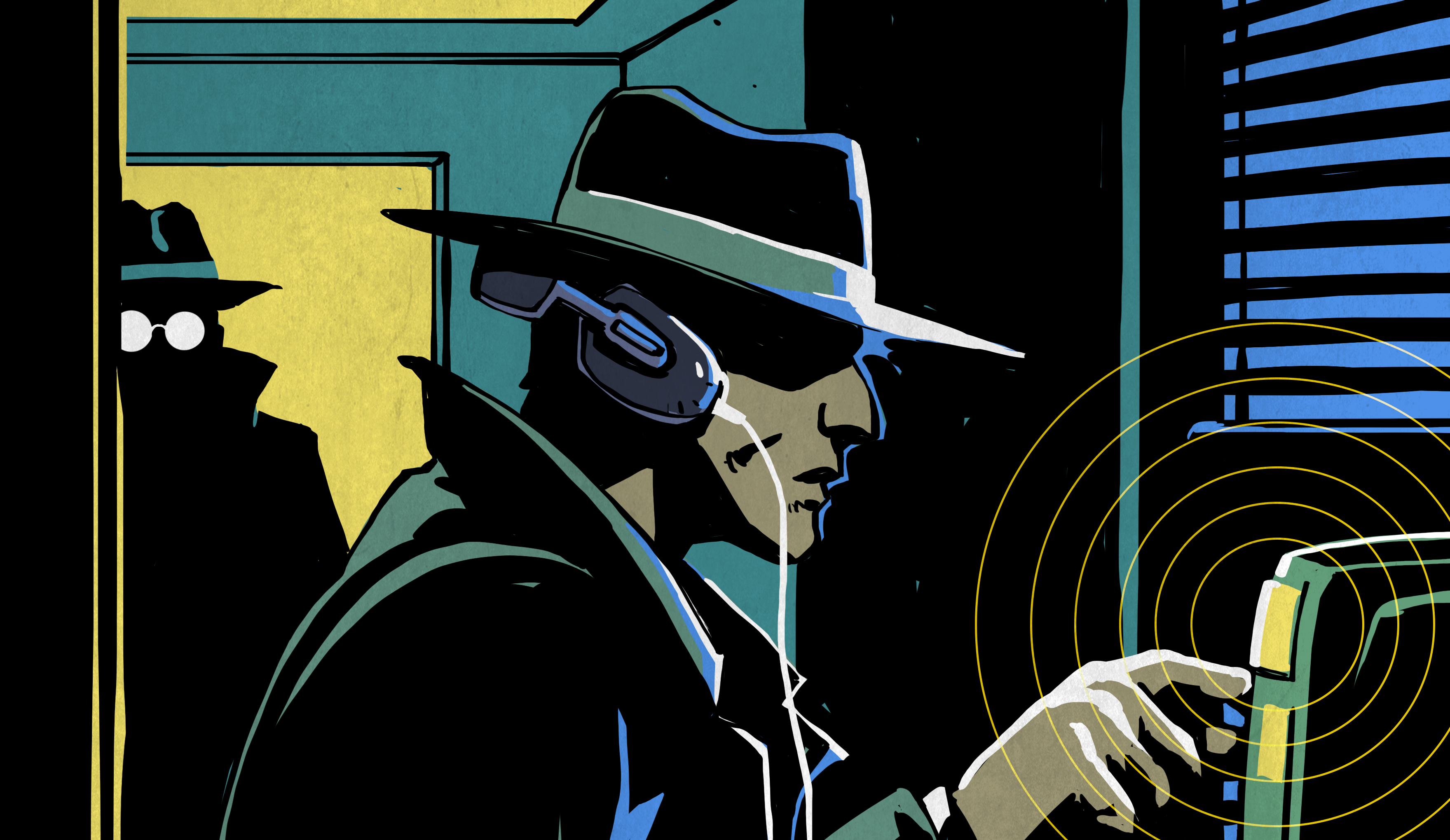
The story of the FCC’s Radio Intelligence Division in World War II is one of the strangest and most fascinating chapters in American communications history. A federal agency best known for regulating the airwaves suddenly found itself acting like a nationwide radio detective squad. Its operators monitored the shortwave spectrum, logged suspicious signals, helped locate lost aircraft, supported military intelligence, and used radio direction finding to track transmissions that were never meant to be found. Think less “paperwork department” and more “Sherlock Holmes with headphones and vacuum tubes.”
What Was the FCC’s Radio Intelligence Division?
The RID grew out of the FCC’s existing field engineering and monitoring work. Before the United States entered the war, the Commission already had experience policing illegal transmitters, interference problems, and misuse of radio channels. That peacetime job turned out to be excellent preparation for wartime counter-radio-espionage. According to wartime reporting, the RID formally went to work on July 1, 1940, and cooperated with the Army, Navy, FBI, and State Department. Its mission was not to listen to entertainment broadcasts for fun; it was to detect, identify, and locate unauthorized radio activity that could threaten national security.
One reason the RID mattered so much was simple: radio ignores fences. A clandestine operator could transmit from a hotel room, embassy building, farmhouse, coastal hideout, or remote jungle clearing, and the signal could bounce into another continent. In an era before satellites, smartphones, and encrypted messaging apps in every pocket, shortwave radio was one of the fastest ways to move information across oceans. That made it useful for legitimate diplomacy, military communications, weather reports, shipping, aviationand, naturally, for spies who preferred their secrets delivered at the speed of light.
Why “Fox Hunting” Became Serious Business
Modern amateur radio direction finding, or ARDF, is often described as a sport that combines radio skills with orienteering. Participants search for hidden transmitters, known as “foxes,” by interpreting signal strength and direction. The U.S. Army has even described ARDF as a demanding activity that combines navigation, physical movement, antenna knowledge, and radio-frequency problem solving.
During World War II, the FCC’s version of fox hunting was not a forest game. It was a national defense mission. If a suspicious signal appeared, operators needed to determine whether it was harmless interference, an unlicensed transmitter, enemy traffic, or something more complicated. A single transmission might last only minutes. The signal might be weak. Propagation could be moody. The atmosphere, apparently having never attended a staff meeting, could bend and scatter radio waves in inconvenient ways. Yet the RID had to turn fleeting signals into actionable bearings.
The Tools: Adcock Direction Finders, Monitoring Stations, and “Snifters”
The RID used fixed monitoring sites, high-frequency direction finders, mobile units, and portable receiving equipment. TIME’s 1944 report credited George E. Sterling and his engineers with developing and improving equipment such as the Adcock Direction Finder, which used antenna arrangements to determine the approximate origin of a signal. The RID also used mobile direction-finding cars and portable “snifter” sets that could help narrow the search when investigators were close to the hidden transmitter.
This layered approach was crucial. A fixed direction-finding station could provide a bearing from one location, but multiple stations working together could triangulate a more useful fix. Once the general area was identified, mobile teams could move in. If the signal came from a building, portable equipment could help investigators narrow the location further. In plain English: the RID turned invisible radio waves into a trail of breadcrumbs, then followed the crumbs until someone’s secret transmitter had a very bad day.
The People Behind the Headphones
The RID’s work depended on skilled operators, engineers, and techniciansmany with roots in amateur radio. Ham operators were valuable because they already understood receivers, antennas, Morse code, propagation quirks, and the odd personality of the radio spectrum. In war, that hobbyist knowledge became a strategic asset. The RID’s leader, George E. Sterling, had deep radio experience stretching back to the early twentieth century and had served in radio intelligence work during World War I.
These were not glamorous jobs. Much of radio intelligence involved patience, discipline, and logs. Operators listened for hours, copied signals, compared call signs, tracked operating habits, and built files. The 1945 FCC annual report noted that the RID compiled hundreds of thousands of index cards recording the characteristics of stations heard around the world, helping operators spot enemy, subversive, or unlicensed stations quickly. That may sound dull until you realize those cards were the search engine of the shortwave warexcept the loading screen was a human being with headphones and coffee.
Chopmist Hill: Rhode Island’s Secret Ear
One of the most famous RID sites was the Chopmist Hill Monitoring Station in Scituate, Rhode Island. Historical accounts describe it as part of a network of top-secret monitoring facilities established before the United States entered the war. The location’s elevation and unusual reception conditions made it especially valuable. The station used long-wire antennas, sensitive receivers, direction-finding equipment, around-the-clock shifts, and secure communications to Washington.
Chopmist Hill became a quiet but powerful listening post. Regional historical accounts describe operators monitoring German and Japanese radio traffic, copying encrypted messages, and relaying information quickly to officials. The site was protected by security measures, including guards, lights, and restricted access. For local residents, it must have looked like the government had suddenly become extremely interested in a Rhode Island farm. Which, to be fair, it hadbut not because the tomatoes were classified.
Tracking Axis Networks in the Americas
One of the RID’s most important contributions was its work against Axis radio networks in Latin America and the Caribbean. Wartime and later historical accounts describe FCC radio intelligence personnel intercepting clandestine German communications with spies, working with American officials and local authorities, and helping shut down networks. TIME reported that RID work helped identify a gang servicing Axis submarines in the Caribbean and that personnel sent to Brazil helped uncover a German radio network there.
The famous Queen Mary case shows why this mattered. Reports based on wartime intelligence history describe German agents in Brazil learning information about the ship’s movements while it carried thousands of Allied troops. Radio intelligence helped expose the danger and contributed to arrests of German agents. For a modern reader, it is easy to underestimate how serious this was. A troopship’s route was not trivia; it was life-or-death information. One radio message could turn a secret voyage into a target.
RID After Pearl Harbor: From Watchdog to Wartime Workhorse
After Pearl Harbor, the RID’s duties expanded rapidly. Declassified CIA historical material by George E. Sterling describes how the FCC’s monitoring network took on tasks beyond ordinary radio policing: coastal radio patrols, foreign weather traffic interception, support for what became the Foreign Broadcast Information Service, training for OSS personnel, equipment support, and military radio intelligence assistance in Alaska, Hawaii, and the West Coast.
The same CIA historical account states that the RID carried the full load of military radio intelligence in Alaska for more than a year before the Army could fully establish its own radio intelligence presence there. It also notes that RID personnel helped identify and track Japanese balloon activity aimed at the West Coast and located a Nazi weather station in Greenland, enabling the Coast Guard to destroy it. That is an extraordinary range of work for an agency many people associate mainly with broadcast licenses and call letters.
Foreign Broadcast Intelligence Service: A Related but Different Mission
The FCC’s wartime radio work also included the Foreign Broadcast Intelligence Service, or FBIS, which was established within the FCC by order on July 28, 1942. Unlike RID, which focused on detecting and locating radio transmissions, FBIS recorded, translated, and analyzed foreign radio broadcasts from Axis powers and other countries. It reported broadcast content to U.S. officials and later moved from the FCC to military and intelligence organizations after the war.
This distinction matters for accuracy. RID was the hunter of signals and illegal transmitters; FBIS was the listener, translator, and analyst of foreign broadcast content. Both worked with radio. Both supported wartime intelligence. But they were not the same office, and mixing them up is like confusing a bloodhound with a librarian. Both may help solve the case, but they go about it very differently.
The Numbers Behind the Radio Hunt
The RID’s wartime record was not just a collection of dramatic anecdotes. The FCC’s 1945 annual report stated that the division discovered 46 unlicensed stations during the fiscal year, investigated 1,445 complaints of suspicious transmission or interference, furnished fixes to 283 aircraft in distress, received 996 aviation assistance requests, and took 85,031 bearings. The same report stated that the division originated 25,000 alerts and added 200,000 index cards to its station-identification files.
Those numbers reveal the RID’s real personality: not cinematic, but relentless. The work was repetitive until suddenly it was urgent. A suspicious carrier wave might become a spy case. A weak aircraft signal might become a rescue. A foreign weather transmission might matter to air operations. A strange call sign might lead analysts toward a larger network. RID employees lived in the world between static and significance.
Why Radio Direction Finding Was So Powerful
Radio direction finding worked because transmitters cannot completely hide the fact that they are transmitting. A message might be coded, encrypted, disguised, or brief, but the act of sending a signal still creates energy that can be detected. Direction-finding stations did not always need to understand the message to begin locating the source. In many cases, location itself was intelligence.
This is one of the great lessons of the RID story. Communications intelligence is not only about reading messages. Sometimes it is about patterns: who transmits, when they transmit, where the signal seems to originate, how often it appears, and whether it behaves like a known station. The RID’s files, monitoring discipline, and direction-finding network made those patterns visible.
What Made the RID Different?
The RID was unusual because it combined civilian expertise with military urgency. It was not created as a battlefield unit, yet it supported military and intelligence needs. It did not command armies, but its work could protect ships, aircraft, and operations. It did not always arrest spies directly, but it could help locate the signals that revealed them. Its strength came from technical competence, nationwide infrastructure, and people who knew the radio spectrum the way experienced sailors know weather.
There is also a civic lesson here. The FCC’s wartime radio work shows how specialized peacetime institutions can become unexpectedly important in a crisis. The agency’s routine monitoring network, built for regulation and public-order purposes, became a defense asset because the emergency matched its skills. In other words, bureaucracy accidentally packed the right tool for the camping trip.
Experience Section: Lessons From High-Stakes Fox Hunting
Looking back at the FCC’s Radio Intelligence Division, one of the most striking experiences is how modern the story feels. The technology was analog, the receivers glowed, the logs were paper, and the antennas looked like something a determined farm could grow after a thunderstorm. Yet the core problem remains familiar: in a crowded information environment, how do you separate noise from threat?
Anyone who has ever tried amateur radio direction finding knows the first lesson: the signal is rarely as obedient as the textbook promised. It reflects, fades, strengthens, vanishes, and then returns with the attitude of a cat that knows you need it. That experience helps explain why RID operators needed judgment, not just equipment. A direction finder could provide a bearing, but a person had to decide whether the reading made sense, whether propagation was misleading, and whether a pattern deserved further attention.
The second lesson is teamwork. A single listener might hear something suspicious, but a network could turn suspicion into location. The RID’s strength came from linked stations, synchronized bearings, central files, field teams, and relationships with other agencies. That is still a useful model today. Complex problems rarely surrender to one brilliant person dramatically pointing at a map. More often, they yield to many careful people sharing small pieces of evidence until the picture becomes clear.
The third lesson is humility. The RID did not win World War II by itself, and no serious historian would claim it did. But its work mattered because war depends on logistics, communication, secrecy, timing, and information. A radio fix that protects an aircraft, exposes a spy circuit, or warns authorities about a dangerous message may never become a famous battlefield scene. Still, it can change outcomes. History is full of quiet rooms where important things happen while nobody is waving a flag.
The fourth lesson is that technical hobbies are not trivial. Amateur radio can look old-fashioned to people raised on touchscreens, but the RID story shows that practical curiosity has national value. The operators who understood antennas, Morse, receivers, interference, and signal behavior had skills that could not be improvised overnight. When the crisis came, the country needed people who had spent years learning how radio actually behavednot how they wished it behaved.
Finally, the RID’s experience reminds us that “intelligence” is often less glamorous than popular culture suggests. It is listening, logging, comparing, waiting, checking, and checking again. It is the art of noticing the odd detail without turning every odd detail into a panic. It is disciplined skepticism with a soldering iron nearby. The FCC’s radio fox hunters did not chase animals through the woods; they chased invisible signals through the atmosphere. And in doing so, they proved that sometimes the smallest whisper on the air can carry the weight of history.
Conclusion
The FCC’s Radio Intelligence Division in World War II deserves a larger place in public memory. Its operators and engineers transformed peacetime radio-monitoring skills into wartime counterespionage, aircraft rescue support, foreign-signal tracking, and military assistance. They worked in hidden stations, mobile units, and listening rooms where static could become evidence. Their tools were receivers, direction finders, index cards, discipline, and a deep understanding of the electromagnetic world.
High-stakes fox hunting was not just a clever metaphor. It was a real wartime craft. The RID hunted signals that could expose spies, protect ships, support pilots, and help the United States understand a global conflict unfolding through the airwaves. Today, when communication feels instant and invisible, the RID’s story is a reminder that every signal has a source, every pattern has meaning, and sometimes the quietest people in the room are the ones keeping history from going off frequency.













