
Note: This article is for educational purposes only. Bronchitis can usually be managed at home when symptoms are mild, but trouble breathing, chest pain, coughing blood, a high or lasting fever, repeated bronchitis, or symptoms lasting more than three weeks should be checked by a healthcare professional.
Bronchitis has a dramatic way of announcing itself. One day you have a harmless little tickle in your throat, and the next day your chest sounds like a rusty accordion trying to play jazz. The cough hangs around, mucus moves in like an unwanted roommate, and your energy level drops somewhere between “sleepy house cat” and “phone at 2% battery.”
The good news: many cases of acute bronchitis, often called a chest cold, improve with time, rest, hydration, and smart symptom care. The less fun news: there is no magic overnight cure. Home remedies for bronchitis are not about “destroying bronchitis by Friday.” They are about helping your body recover, loosening mucus, calming cough irritation, protecting your lungs, and knowing when home care is no longer enough.
Below is a practical, evidence-informed guide to the best home remedies for bronchitis, what actually helps, what is mostly wishful thinking wearing a herbal hat, and how to make recovery less miserable.
What Is Bronchitis?
Bronchitis happens when the bronchial tubesthe airways that carry air into your lungsbecome inflamed. That inflammation can trigger coughing, chest congestion, mucus production, wheezing, tiredness, and sometimes mild fever or chest discomfort.
Acute Bronchitis vs. Chronic Bronchitis
Acute bronchitis usually develops after a cold, flu, or another respiratory infection. It often improves within a week or two, although the cough can linger longer because irritated airways are stubborn little divas.
Chronic bronchitis is different. It is a long-term condition often linked with smoking, repeated lung irritation, or chronic obstructive pulmonary disease (COPD). Home remedies may ease symptoms, but chronic bronchitis needs medical guidance and a long-term care plan.
This article focuses mainly on home care for acute bronchitis and mild bronchitis symptoms. If your cough is recurring, severe, or long-lasting, do not treat it like a casual seasonal annoyance. Your lungs deserve better customer service.
Common Bronchitis Symptoms
Bronchitis symptoms can feel similar to a bad cold that packed its bags and moved into your chest. Common symptoms include:
- Persistent cough, often with mucus
- Chest congestion or tightness
- Fatigue and low energy
- Mild fever or chills
- Sore throat from coughing
- Wheezing or noisy breathing
- Shortness of breath, especially with activity
Mucus may be clear, white, yellow, or green. Color alone does not always mean you need antibiotics. Many cases of acute bronchitis are viral, and antibiotics do not treat viruses. However, worsening symptoms, high fever, bloody mucus, or breathing trouble should be evaluated.
Best Home Remedies For Bronchitis
Home remedies work best when they support what your body is already trying to do: clear mucus, calm irritation, fight infection, and conserve energy. Think of them as your recovery pit crewnot superheroes, but extremely useful when used correctly.
1. Drink Plenty of Fluids
Hydration is one of the simplest and most useful home remedies for bronchitis. Fluids help thin mucus, making it easier to cough up. Thick mucus is like trying to move cold honey through a straw; hydrated mucus is much more cooperative.
Good choices include water, warm tea, broth, diluted juice, and warm lemon water. Hot drinks can feel especially soothing because they help comfort the throat and may loosen chest congestion. Chicken soup is not magical, but it is warm, hydrating, and emotionally supportivebasically a hug in bowl form.
Avoid overdoing caffeine, and skip alcohol while recovering. Both can contribute to dehydration and poor sleep, which is not exactly the dream team for healing.
2. Rest Like It Is Your Job
Rest is not laziness when you have bronchitis. It is treatment. Your immune system needs energy to repair irritated airways and fight the infection or inflammation behind your symptoms.
If possible, reduce intense workouts, late nights, and “I’ll just push through it” behavior. Pushing through bronchitis often turns a short recovery into a longer, crankier one. Your cough does not need a personal trainer.
Try taking short naps, going to bed earlier, and keeping your schedule light for a few days. If you must work or study, break tasks into smaller chunks and give your body permission to move at a slower speed.
3. Use a Humidifier
Dry air can irritate your throat and airways, making cough and congestion feel worse. A cool-mist humidifier can add moisture to the air and help loosen mucus. This is especially helpful in winter, in dry climates, or in rooms where heating or air conditioning turns the air into invisible toast.
Clean your humidifier regularly. A dirty humidifier can grow mold or bacteria, and breathing that in is the opposite of helpful. Follow the manufacturer’s cleaning instructions, change the water daily, and use distilled water if mineral buildup is a problem.
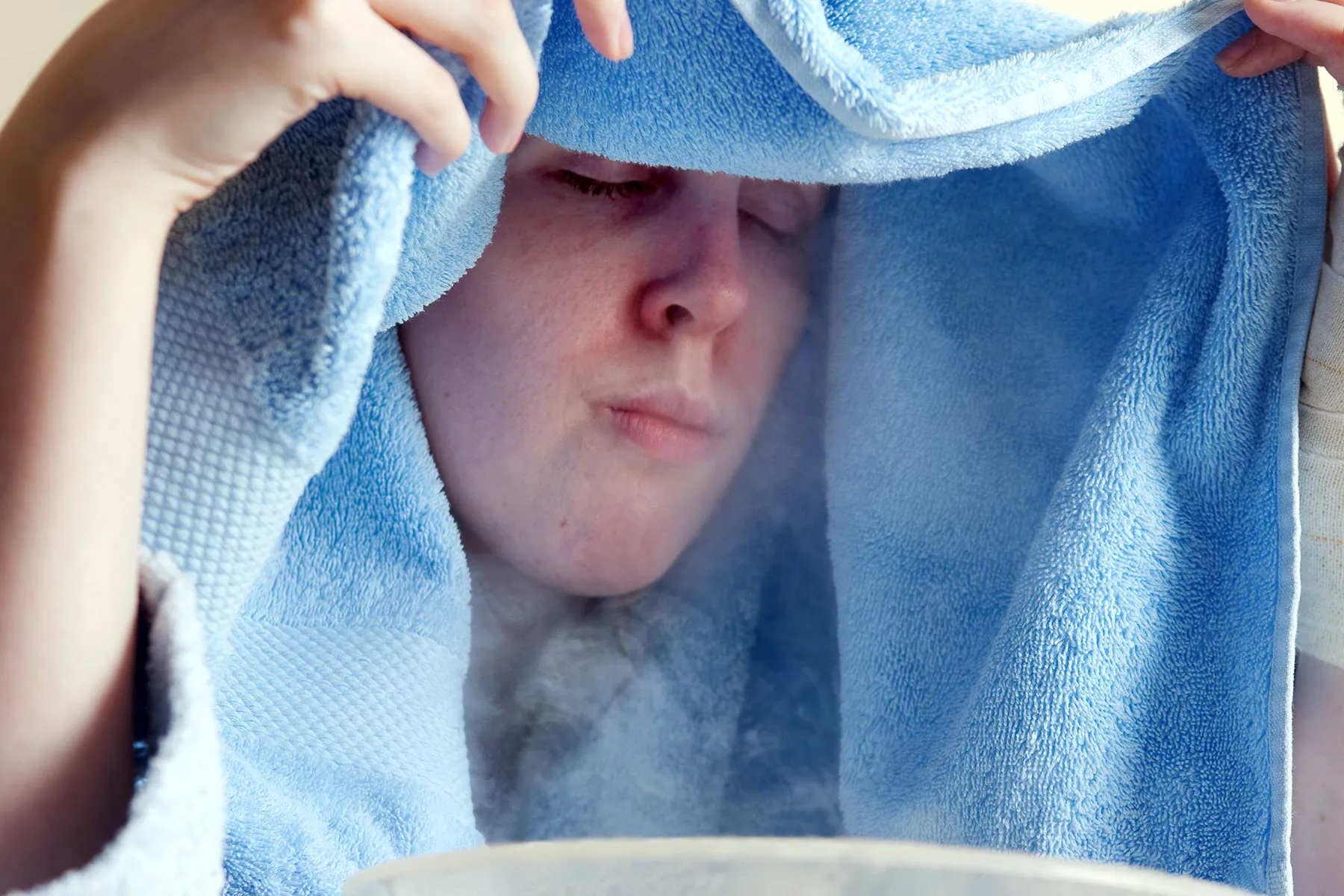
4. Try Steam From a Warm Shower
Warm steam may help ease chest congestion and soothe irritated airways. A warm shower can loosen mucus, relax tight chest muscles, and make breathing feel easier for a while.
You do not need to turn your bathroom into a tropical rainforest. A comfortable warm shower is enough. Avoid extremely hot steam, especially for children, older adults, or anyone with dizziness, asthma, or breathing problems. Steam should feel soothing, not like your lungs are attending a sauna boot camp.
5. Honey for Cough Relief
Honey is one of the most popular natural remedies for cough, and for good reason. It can coat the throat, reduce irritation, and help quiet coughing, especially at night. Try one to two teaspoons of honey by itself or mixed into warm tea or warm water with lemon.
Important safety note: Do not give honey to children under 12 months old because of the risk of infant botulism. For older children and adults, honey is generally safe unless there is an allergy or a medical reason to limit sugar.
Honey will not cure bronchitis, but it can make the cough less rude. And frankly, when you are trying to sleep, “less rude” is a major victory.
6. Gargle With Warm Salt Water
A saltwater gargle can soothe a sore throat caused by frequent coughing. Mix about half a teaspoon of salt into a cup of warm water, gargle, and spit it out. Do not swallow the mixture.
This remedy does not reach the bronchial tubes, so it will not directly treat chest inflammation. But it can reduce throat irritation, which may help lower the urge to cough. Sometimes bronchitis recovery is about winning small battles: one less coughing fit, one less scratchy swallow, one slightly less dramatic morning.
7. Elevate Your Head While Sleeping
Coughing often gets worse at night because mucus can pool, postnasal drip can irritate the throat, and lying flat may make breathing feel heavier. Elevating your head with an extra pillow or a wedge pillow can help reduce nighttime coughing.
Try sleeping slightly propped up. Side sleeping may also feel more comfortable than lying flat on your back. The goal is not to sleep sitting perfectly upright like a nervous airplane passenger; it is simply to help drainage and breathing feel easier.
8. Avoid Smoke, Strong Fumes, and Air Pollution
When you have bronchitis, your airways are already inflamed. Smoke, vaping aerosols, dust, chemical fumes, strong perfumes, paint smells, and polluted air can make symptoms worse and slow healing.
If you smoke or vape, bronchitis is a strong signal to stop or at least avoid smoking completely while recovering. If someone else smokes near you, politely relocate your lungs. They are not being dramatic; they are doing their job.
Also be careful with cleaning products, scented candles, incense, and aerosol sprays. “Fresh linen mountain breeze” may smell nice, but irritated bronchial tubes are not always impressed.
9. Use Over-the-Counter Medicine Carefully
Some over-the-counter medicines may help manage bronchitis symptoms. A pain reliever such as acetaminophen or ibuprofen may help with fever, body aches, or chest soreness from coughing. Follow the label directions and avoid combining medications without checking ingredients.
An expectorant containing guaifenesin may help loosen mucus so it is easier to cough up. A cough suppressant may be useful at night if coughing prevents sleep, but suppressing every cough during the day is not always ideal because coughing helps clear mucus.
Children, teens, pregnant people, people with chronic conditions, and anyone taking prescription medication should check with a healthcare professional or pharmacist before using cough and cold medicines. Also, aspirin should not be given to children or teenagers unless a doctor specifically recommends it.
10. Eat Soothing, Nutrient-Rich Foods
No single food cures bronchitis, no matter how confidently a wellness influencer says it while holding a mason jar. Still, nourishing food supports recovery.
Soft, warm, easy-to-swallow foods can feel best when coughing has made your throat tender. Try soups, oatmeal, smoothies, applesauce, scrambled eggs, yogurt, steamed vegetables, or rice with broth. Foods rich in vitamin C, protein, and antioxidants can support general immune function.
Spicy foods may temporarily loosen mucus for some people, but they can also worsen acid reflux, which can aggravate coughing. If chili makes your cough throw a tantrum, choose gentle foods instead.
Natural Remedies: Helpful, Maybe Helpful, and Overhyped
Many people search for natural remedies for bronchitis, including ginger, turmeric, garlic, herbal tea, elderberry, echinacea, and essential oils. Some may feel soothing, but evidence varies, and natural does not always mean risk-free.
Ginger and Herbal Tea
Warm ginger tea may soothe the throat and provide comfort. Ginger has anti-inflammatory properties, but drinking ginger tea is not the same as medically treating bronchial inflammation. Enjoy it as a supportive remedy, not as a cure.
Turmeric
Turmeric contains curcumin, a compound studied for anti-inflammatory effects. Adding turmeric to soup or tea is generally fine for many people, but high-dose supplements can interact with medications or cause side effects. Food-level use is usually the safer lane.
Essential Oils
Some people use eucalyptus or peppermint scents for a “clearer breathing” feeling. Be cautious. Essential oils can irritate airways, trigger asthma symptoms, or be unsafe for young children and pets. Never swallow essential oils, never place them directly inside the nose, and avoid using them around anyone with sensitive lungs.
What Not To Do When You Have Bronchitis
Good home care also means avoiding recovery mistakes. Bronchitis is already annoying enough; no need to hand it a megaphone.
Do Not Demand Antibiotics for Every Cough
Most acute bronchitis cases are caused by viruses. Antibiotics do not work against viruses and can cause side effects or contribute to antibiotic resistance. A doctor may prescribe antibiotics only if there is reason to suspect a bacterial infection or another condition that needs them.
Do Not Ignore Worsening Breathing
If you are short of breath, wheezing heavily, breathing rapidly, or struggling to speak full sentences, seek medical care. Bronchitis can sometimes overlap with asthma, pneumonia, flu, COVID-19, COPD flare-ups, or other conditions that need treatment.
Do Not Use Cough Medicine as a Sleep Substitute Forever
Cough suppressants can help short-term nighttime coughing, but a cough that keeps you awake night after night deserves attention. If symptoms are not improving, get checked.
When To See a Doctor for Bronchitis
Home remedies are helpful for mild bronchitis, but they are not a substitute for medical care when warning signs appear. Contact a healthcare professional if you have:
- Shortness of breath or trouble breathing
- Chest pain or pressure
- Coughing up blood or bloody mucus
- Fever that is very high or lasts more than several days
- Symptoms lasting longer than three weeks
- Repeated episodes of bronchitis
- Wheezing that is new, severe, or worsening
- A weakened immune system, heart disease, lung disease, asthma, or COPD
Babies, older adults, pregnant people, and people with chronic health conditions should be more cautious. What looks like “just bronchitis” can sometimes be pneumonia, flu, COVID-19, RSV, asthma, or another respiratory illness.
How Long Does Bronchitis Last?
Acute bronchitis often improves within 7 to 10 days, but the cough can linger for two to three weeks or sometimes longer. That lingering cough does not always mean you are still contagious or seriously ill; irritated airways can take time to calm down.
However, symptoms should gradually improve. If your cough is getting worse, fever returns, breathing becomes harder, or you feel much sicker after initially improving, do not just keep sipping tea and hoping. That is your cue to get medical advice.
Practical Daily Recovery Plan
Here is a simple day-by-day approach to managing bronchitis symptoms at home:
Morning
Start with warm fluids, a light breakfast, and a warm shower if congestion is heavy. If you use an expectorant, follow the label directions and drink enough water with it. Keep tissues, water, and cough drops nearby so you are not wandering around the house like a mucus-powered ghost.
Afternoon
Keep meals simple and hydrating. Avoid heavy exertion, smoke, dust, and strong fumes. If you need to work, take breaks and avoid long talking sessions, which can trigger coughing.
Evening
Use a humidifier if the air is dry. Try honey in warm tea before bed if appropriate for your age and health. Elevate your head slightly and keep water nearby. Your goal is not perfect sleep; it is better sleep than last night.
Prevention Tips After You Recover
Once bronchitis improves, prevention becomes the next mission. Wash your hands often, avoid close contact with people who are sick, keep vaccinations up to date as recommended, avoid smoking and vaping, and wear a mask when exposed to heavy dust, fumes, or poor air quality.
If you get bronchitis repeatedly, pay attention to patterns. Does it happen after every cold? Around smoke? During allergy season? After exposure to cleaning chemicals? These clues can help a healthcare professional identify asthma, allergies, reflux, workplace irritants, or another trigger.
Real-Life Experiences With Home Remedies For Bronchitis
People often describe bronchitis recovery as less of a straight line and more of a weird staircase: two steps better, one coughing fit backward, then suddenly a day where breathing feels easier. The home remedies that tend to make the biggest difference are usually the boring ones. Hydration, rest, humidified air, and avoiding irritants do not sound exciting, but they are reliable. They are the plain white sneakers of bronchitis care: not flashy, but they get the job done.
One common experience is the “night cough problem.” During the day, symptoms may feel manageable. Then bedtime arrives, and the cough decides to audition for a percussion band. In this situation, people often find that combining several small remedies works better than relying on one. A warm shower before bed, a spoonful of honey in tea, a clean humidifier, and sleeping slightly elevated can turn a terrible night into a tolerable one. Not perfect. Not glamorous. But tolerable is a beautiful word when you have been coughing into your pillow at 2 a.m.
Another real-life lesson is that mucus needs patience. Many people panic when they cough up phlegm, but coughing is one way the body clears the airways. The goal is not always to stop every cough immediately. The goal is to make the cough more productive, less painful, and less disruptive. Drinking fluids, using steam, and taking an expectorant when appropriate may help mucus move more easily. People often notice that once mucus thins out, the chest feels less heavy and coughing becomes less exhausting.
Food choices can also affect comfort. Heavy, greasy meals may not sound appealing when your chest is congested. Warm soups, broth, oatmeal, tea, and soft foods often feel easier. Some people enjoy ginger tea or lemon-honey water because it soothes the throat and makes them feel cared for. That emotional comfort matters. Being sick is not just a physical event; it is also annoying, inconvenient, and mildly insulting. A warm mug can improve morale, and morale is underrated.
People with bronchitis also learn quickly that air quality matters. A room with dry air can make coughing worse. So can cigarette smoke, vaping, dust, incense, strong perfume, and harsh cleaning sprays. Even if you normally tolerate these things, inflamed airways may react like an angry security guard. During recovery, cleaner air is not a luxury. It is part of symptom control.
Perhaps the biggest experience-based lesson is knowing when to stop waiting. Home remedies should gradually help you feel better. If symptoms drag on, breathing becomes difficult, fever stays high, or chest pain appears, it is time to get medical advice. Bronchitis is often mild, but lungs are not a place to gamble. Treat them kindly, listen to warning signs, and remember: the goal is not to be tough. The goal is to breathe comfortably again.
Conclusion
Home remedies for bronchitis can make recovery more comfortable by easing cough, thinning mucus, soothing the throat, and reducing airway irritation. The most helpful steps are also the most practical: drink fluids, rest, use a clean humidifier, breathe warm moist air, try honey when safe, avoid smoke and fumes, and use over-the-counter medicine wisely.
Bronchitis usually improves with time, but it should not be ignored when symptoms are severe, persistent, or unusual. A cough that lasts more than three weeks, breathing trouble, bloody mucus, chest pain, high fever, or repeated episodes of bronchitis should be checked by a healthcare professional.
Your lungs work all day without asking for applause. When bronchitis shows up, give them the support they deserve: moisture, rest, clean air, patience, and medical care when needed. And maybe a mug of warm tea, because even lungs appreciate a little hospitality.













