
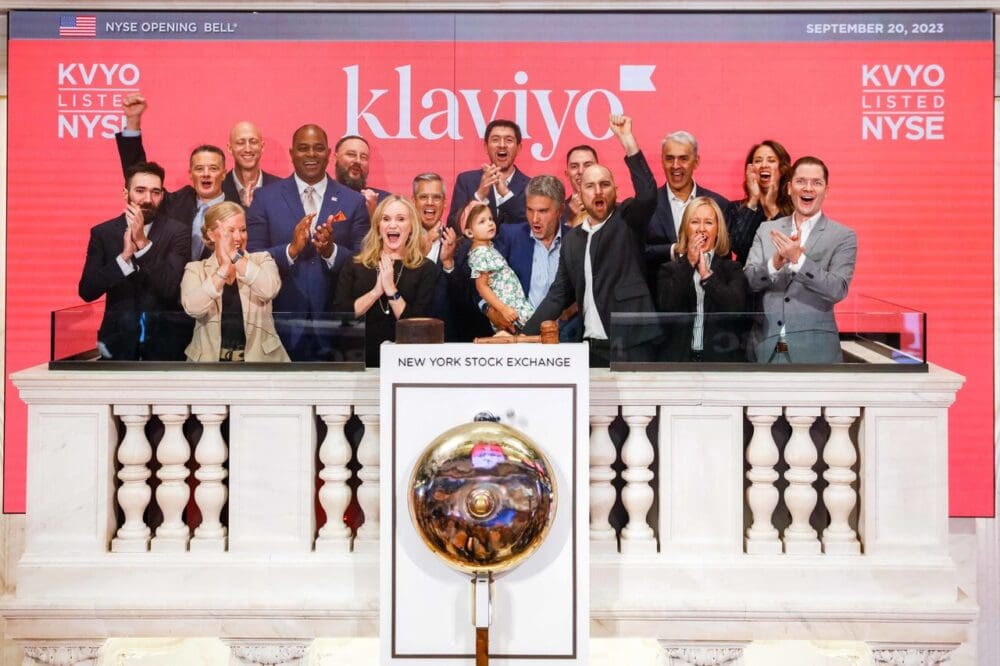
If you ask founders, bankers, lawyers, and accountants how long an IPO takes, you may get four different answers and one shared facial expression: the look of people who have not slept enough. That is because the modern IPO timeline has two clocks running at the same time. One is the visible clock, the part investors see, with filings, a roadshow, pricing, and the big bell-ringing moment. The other is the hidden clock, which includes readiness work, financial cleanup, governance fixes, disclosure drafting, and all the glamorous behind-the-scenes fun of making sure nobody discovers your cap table was organized like a junk drawer.
So, how long does it take to IPO these days? In the cleanest cases, the formal process can move in about four to six months from kickoff to closing. In the real world, many companies spend six to eighteen months getting ready before they are truly launchable. Some build a one- to two-year runway on purpose, because public markets reward preparation and punish improvisation. The short version is this: the IPO itself may look like a sprint, but becoming IPO-ready is usually a marathon wearing a blazer.
The Short Answer: Fast Lane, Realistic Lane, and Slow Lane
There is no single IPO stopwatch, but there are three useful timing lanes.
Fast lane: about 4 to 6 months
This is the version everybody loves to brag about. The company already has audited financials, strong controls, a polished equity story, experienced advisors, and leadership that can make decisions without turning every draft into a family reunion. In this case, the formal IPO process can move surprisingly fast. The catch is obvious: this only works when the company has been doing public-company homework long before the kickoff meeting.
Realistic lane: about 6 to 12 months
This is where many healthy, serious candidates land. The business is attractive, but a few things still need work: maybe the close process is slow, the board needs another independent director, non-GAAP metrics need refinement, or internal reporting needs more discipline. Nothing is broken, but plenty is unfinished. This is the most realistic answer for founders asking how long it takes to go public without wearing rose-colored investor-relations glasses.
Slow lane: 12 to 24 months
This happens when the company is promising but not yet public-company ready. Common reasons include messy revenue recognition, weak internal controls, legal or tax restructuring, uneven financial reporting, or a market window that opens and closes like a moody garage door. In these cases, the delay is not a sign that the company cannot IPO. It usually means the company needs time to become the version of itself that public investors can trust.
What Actually Happens During an IPO Timeline?
An IPO is not one task. It is a chain reaction. Each stage can move quickly if the prior stage is clean, or slowly if the prior stage was held together by optimism and spreadsheets.
1. IPO readiness before filing
This is the least glamorous phase and the one that matters most. Before the S-1 or F-1 becomes a real project, management and advisors usually test whether the company is ready to live under public-company rules. That means evaluating audited financial statements, disclosure controls, forecasting discipline, governance, compensation, legal housekeeping, tax structure, data systems, and the speed of the monthly and quarterly close.
This phase is also where the company builds its story. Public investors do not buy “we are growing fast, trust us.” They buy a coherent narrative supported by numbers, market positioning, predictable reporting, and management credibility. If the business cannot explain why it deserves public capital, the timeline gets longer because the drafting gets harder, the comments get sharper, and the bankers get quieter.
In today’s market, this readiness work often takes longer than founders expect. The reason is simple: a private company can survive with a few rough edges. A public company gets examined like a science fair volcano after it explodes in the principal’s office.
2. Organizational meeting and drafting
Once the company decides to move, the formal process usually begins with an organizational meeting. This is the moment when underwriters, company counsel, auditors, and management line up the workstreams, establish the timeline, and begin diligence. After that, drafting begins in earnest.
The registration statement is not just a long document. It is the central artifact of the transaction. It weaves together the business story, risk factors, audited financials, management discussion and analysis, executive compensation, use of proceeds, ownership, and key operational metrics. In practice, the first full drafting cycle often takes weeks, not days. If the company has already done readiness work, the document gets built faster. If the finance team is still chasing old reconciliations, the calendar starts sweating immediately.
3. Confidential submission and SEC review
Most serious candidates want as much flexibility as possible, which is why confidential draft submissions matter. They let a company begin SEC review without immediately conducting the process in public. That does not magically make the IPO shorter, but it does make the timeline easier to manage because the company can address comments before its filing becomes a headline.
Once the initial draft is submitted, the SEC review process begins. This is where the IPO timeline becomes less like a train schedule and more like weather. Some comments are straightforward. Others reveal accounting, disclosure, or structural issues that take time to fix. Multiple rounds of comments are common. A company that responds clearly and quickly can keep momentum. A company that argues with reality usually discovers that calendars can, in fact, become hostile.
4. Public filing, roadshow, pricing, and closing
When the company is ready to launch, the confidential work eventually becomes public. Then comes the roadshow, where management meets institutional investors and the offering gets tested in the real world. This part looks glamorous from the outside, but it is really part theater, part endurance sport, and part advanced repetition. Founders tell the equity story again and again, answer detailed questions, and hope the market mood remains cooperative long enough to price the deal.
After that comes pricing, the first trade, and the closing. This is the part people remember. It is also the part that can be delayed by factors the company does not control, including volatility, sector sentiment, interest rates, geopolitical headlines, or a badly timed earnings surprise somewhere else in the market. Public listings do not happen in a vacuum. They happen in a market window, and market windows are not known for their loyalty.
Why IPOs Feel Longer Now
If you compare today’s IPO process with the simplified myth people sometimes repeat, the process feels longer for a few reasons.
Public-company expectations are higher
Investors want cleaner numbers, more disciplined metrics, stronger governance, and a sharper explanation of long-term value creation. “Growth at all costs” is not the default mood anymore. Companies are expected to show maturity as well as momentum.
Readiness gaps are more visible
A company can stay private for years while building scale. That can be great for growth, but it often means finance systems, controls, and board infrastructure lag behind. The bigger and more complex the business becomes before going public, the more hidden cleanup work tends to surface.
Market windows open and close quickly
Even a ready company may pause if the market backdrop turns messy. In other words, an IPO timeline is not just about operational readiness. It is also about whether investors are in the mood to listen. Timing matters, and “we were almost ready” does not ring the bell.
Financial statement timing still rules everything around it
One of the most practical reasons deals move or slip is financial statement timing. If the required financials are not ready, updated, or aligned with the transaction calendar, the whole timeline can wobble. This is one reason companies start planning earlier than outsiders realize. Nobody wants a delay caused by document freshness when the rest of the machine is finally humming.
What Speeds Up an IPO?
Companies do not shorten the IPO process with motivational speeches. They shorten it with boring excellence.
A finance team that closes fast
If the company can produce reliable financial information quickly, nearly every other workstream gets easier. Drafting improves, review cycles tighten, and management spends less time correcting numbers that should have been settled two meetings ago.
Early governance work
Independent directors, committee structures, policies, and executive compensation planning are not decorations. They are part of the package. Companies that handle governance early remove one of the easiest ways to lose time late in the process.
A clean cap table and equity story
Investors want clarity on ownership and strategy. Lawyers want clarity because they are lawyers. A company that has both is easier to take public.
Management that can decide
Fast IPOs tend to have leadership teams that can review a draft, make a call, and move on. Slow IPOs often have fifteen smart people rewriting the same paragraph about market opportunity until the paragraph qualifies for a retirement plan.
What Usually Slows It Down?
Accounting cleanup
Revenue recognition, segment reporting, stock compensation, tax issues, and historical presentation questions can add friction quickly. The earlier these issues are identified, the better.
Weak controls or immature systems
If reporting depends on heroic manual effort, the company may still be able to operate privately, but that is not the standard public investors want. Building stronger systems takes time, and there are only so many things a spreadsheet can pretend to be.
Inconsistent messaging
When the numbers say one thing, the forecast says another, and the narrative says something entirely different, the filing takes longer to refine. Public investors reward consistency because consistency signals discipline.
Bad market timing
Sometimes the company is ready and the market is not. This is frustrating, but it is not unusual. A well-run IPO process builds optionality so the company can launch when the window is open instead of when everyone is merely tired of waiting.
Does Being an Emerging Growth Company Make It Faster?
Sometimes it makes the process easier to manage, but not necessarily much shorter from start to finish. Emerging growth companies can benefit from scaled disclosure, confidential submissions, and testing-the-waters flexibility. That can reduce public pressure and simplify some aspects of the process. But even with those advantages, the company still needs real financial discipline, clear governance, and a credible story. In other words, EGC status can help streamline the journey, but it does not let anyone teleport past readiness.
Three Realistic IPO Timing Scenarios
Scenario 1: The prepared software company
The business has strong recurring revenue, audited financials, clean KPIs, a mature finance team, and board structure mostly in place. This company can sometimes move from kickoff to closing in around five months, especially if market conditions cooperate. But the hidden truth is that it likely spent a year or more becoming “five-month ready.”
Scenario 2: The growing consumer brand with loose infrastructure
The company has momentum and brand recognition, but reporting is slower, governance needs work, and disclosure controls are still maturing. This company may need nine to twelve months, sometimes more, because the work is not just about filing; it is about becoming a public company in fact, not only in ambition.
Scenario 3: The complex business or carve-out
If the offering involves structural complexity, international operations, carve-out financials, heavy regulation, or significant legal reorganization, the timeline can easily stretch past a year. Nothing about this is unusual. Complexity simply charges interest on time.
So, How Long Does It Take To IPO These Days?
The smartest answer is: it depends on which clock you mean.
If you mean the formal visible IPO process, a well-prepared company can often move in about four to six months. If you mean the full journey from “we think we want to go public” to “we are ready to price,” six to eighteen months is common, and one to two years is not absurd for companies building readiness the right way.
That is why the best answer is not “an IPO takes X months.” The best answer is “the IPO takes months, but IPO readiness takes discipline.” The companies that look fast in public usually started early in private. They did the unsexy work, tightened the numbers, strengthened the board, built the story, and waited for the right window. Then, when the opportunity came, they moved like it was sudden. It rarely was.
Experience: What the IPO Timeline Feels Like From the Inside
On paper, an IPO timeline looks neat. Boxes, arrows, weeks, milestones. In practice, it feels more like trying to remodel a house while hosting a dinner party and interviewing for a new job at the same time. The finance team is closing books and answering diligence questions. Legal is turning every sentence over like it is a suspicious suitcase. The bankers want the story tighter, shorter, clearer, and more exciting, preferably all before lunch. Meanwhile, management is still running the actual business, which rudely refuses to pause just because the company is preparing to become public.
One of the most surprising parts of the process is how much the timeline depends on rhythm. If the company already has a rhythm of accurate reporting, disciplined forecasting, and quick decisions, the IPO process feels intense but manageable. If the company does not, every step feels like a delay, because every draft uncovers another issue that should have been solved six months earlier. In that sense, the IPO timeline is almost a personality test for the organization. Calm companies move faster. Chaotic companies discover that chaos has a very expensive hourly rate.
There is also the emotional side. Early in the process, teams are energized. It feels strategic, ambitious, and slightly cinematic. Everyone talks about opportunity. Then the middle arrives. This is the swampy stretch where comment letters, revisions, data requests, valuation discussions, governance tasks, and timing questions all pile up at once. The glamour level drops sharply. The phrase “just one more revision” starts appearing with the frequency of a horror movie villain. This middle period is where companies either prove they are ready for public life or realize they still need more private practice.
Then comes the roadshow phase, and suddenly the tempo changes. Management goes from drafting and reviewing to performing and persuading. The message has to be precise, repeatable, and credible. Investors can tell when a company knows its own numbers and when it is trying to tap-dance around them. This is why the process often feels long before it feels fast. By the time a company reaches the roadshow, the timeline accelerates, but only because months of hidden work are finally paying off.
Another real experience people do not talk about enough is the strange combination of control and helplessness. A company can control readiness, quality, responsiveness, and discipline. It cannot control every market swing, policy headline, or investor mood shift. So part of living through an IPO timeline is learning which delays are operational and fixable, and which are simply market reality. Mature teams do not confuse the two. They prepare relentlessly for what they can control and keep flexibility for what they cannot.
In the end, most executives who have gone through the process say the same thing in different words: the IPO did not really take four months, or six months, or twelve months. It took all the years the company spent becoming credible enough for public investors, plus the final stretch when everything had to work at once. That is the real answer hiding behind the calendar. The bell-ringing moment may be one morning. The readiness for that moment is the real timeline.
Note: This article is based on current U.S. IPO process guidance and market context as of April 2026. It is for general informational purposes only and is not legal, accounting, investment, or tax advice.













