A fresh exterior paint job can make a house look younger, cleaner, and far less likely to be mistaken for “that place at the end of the block with the mysterious peeling trim.” But before you start imagining a magazine-worthy curb appeal makeover, there is one very practical question to answer: How much does it cost to paint the exterior of a house?
In the United States, most homeowners can expect exterior house painting cost to land somewhere between $3,000 and $8,500 for a typical professional project, while smaller or simpler jobs may cost less and large, detailed, multi-story homes can climb well above $10,000. On a square-foot basis, many estimates fall around $1.50 to $4.40 per square foot, though complex surfaces, extensive prep work, premium paint, and difficult access can push the price higher.
The annoying but honest answer is this: exterior painting is priced like a sandwich at a fancy deli. The bread matters, the filling matters, the extras matter, and suddenly the avocadoalso known as wood rot repairhas changed everything. Let’s break down what you are really paying for, where the money goes, and how to budget without needing a dramatic sit-down at the kitchen table.
Average Cost to Paint a House Exterior
The average cost to paint a house exterior depends on the size of the home, the number of stories, siding condition, local labor rates, and the paint system used. For many average-sized U.S. homes, a realistic planning range is:
| Project Type | Estimated Cost Range |
|---|---|
| Small one-story home or partial exterior refresh | $1,500–$3,500 |
| Average single-family home | $3,000–$8,500 |
| Large two-story home | $5,000–$12,000+ |
| Historic, highly detailed, or difficult-access home | $8,000–$15,000+ |
| DIY exterior painting project | $500–$2,500+ for supplies and equipment |
These numbers are broad because no two houses behave the same way. A compact ranch with clean vinyl siding may be straightforward. A three-story Victorian with decorative trim, peeling wood, dormers, shutters, and a personality disorder? That is a different invoice.
Exterior House Painting Cost Per Square Foot
Many professional painters estimate exterior painting cost per square foot. A common range is $1.50 to $4.40 per square foot, but that price can rise when the project requires heavy scraping, priming, repairs, special coatings, lift equipment, or extra labor for high areas.
For example, a 2,000-square-foot home might cost:
- Low complexity: $3,000–$4,500
- Average complexity: $4,500–$8,800
- High complexity: $9,000–$12,000+
One important detail: painters do not always price based on your home’s interior living area. The real number is the paintable exterior surface area. A 2,000-square-foot home with a simple rectangular shape may be easier to paint than a 1,700-square-foot home with multiple gables, porches, trim pieces, and architectural “character,” which is often contractor language for “this will take longer.”
What Affects the Cost to Paint the Exterior of a House?
1. Home Size and Paintable Area
The larger the exterior surface, the more paint, primer, labor, masking, and cleanup the project requires. Bigger homes also often have more trim, more windows, and more hard-to-reach areas. Even if the paint itself is not the biggest part of the bill, more square footage means more timeand labor is usually the largest cost in a professional exterior paint job.
2. Number of Stories
A single-story ranch is usually less expensive than a two- or three-story home. Taller homes require ladders, scaffolding, lift equipment, extra safety precautions, and more setup time. Painters may also work more slowly on upper levels because gravity is not exactly known for being forgiving.
As a rough guide, a one-story home might fall in the lower to middle cost range, while a three-story home can easily move into the higher range, especially if the roofline is steep or the siding is difficult to access.
3. Siding Material
The type of exterior surface has a major impact on cost. Some materials are quick to paint; others demand more prep, specialty primer, or careful application.
| Siding Type | Cost Impact | Why It Matters |
|---|---|---|
| Vinyl siding | Lower to moderate | Usually easier to clean and paint, but requires vinyl-safe paint colors and products. |
| Wood siding | Moderate to high | May need scraping, sanding, caulking, priming, and repair before painting. |
| Stucco | Moderate to high | Textured surface absorbs more paint and may need crack repair. |
| Brick | Moderate to high | Requires masonry-compatible primer and paint; porous brick can absorb more product. |
| Fiber cement | Moderate | Durable and paint-friendly, but joints and edges may need attention. |
| Metal siding | Moderate | May require rust treatment, cleaning, and specialty coatings. |
4. Prep Work
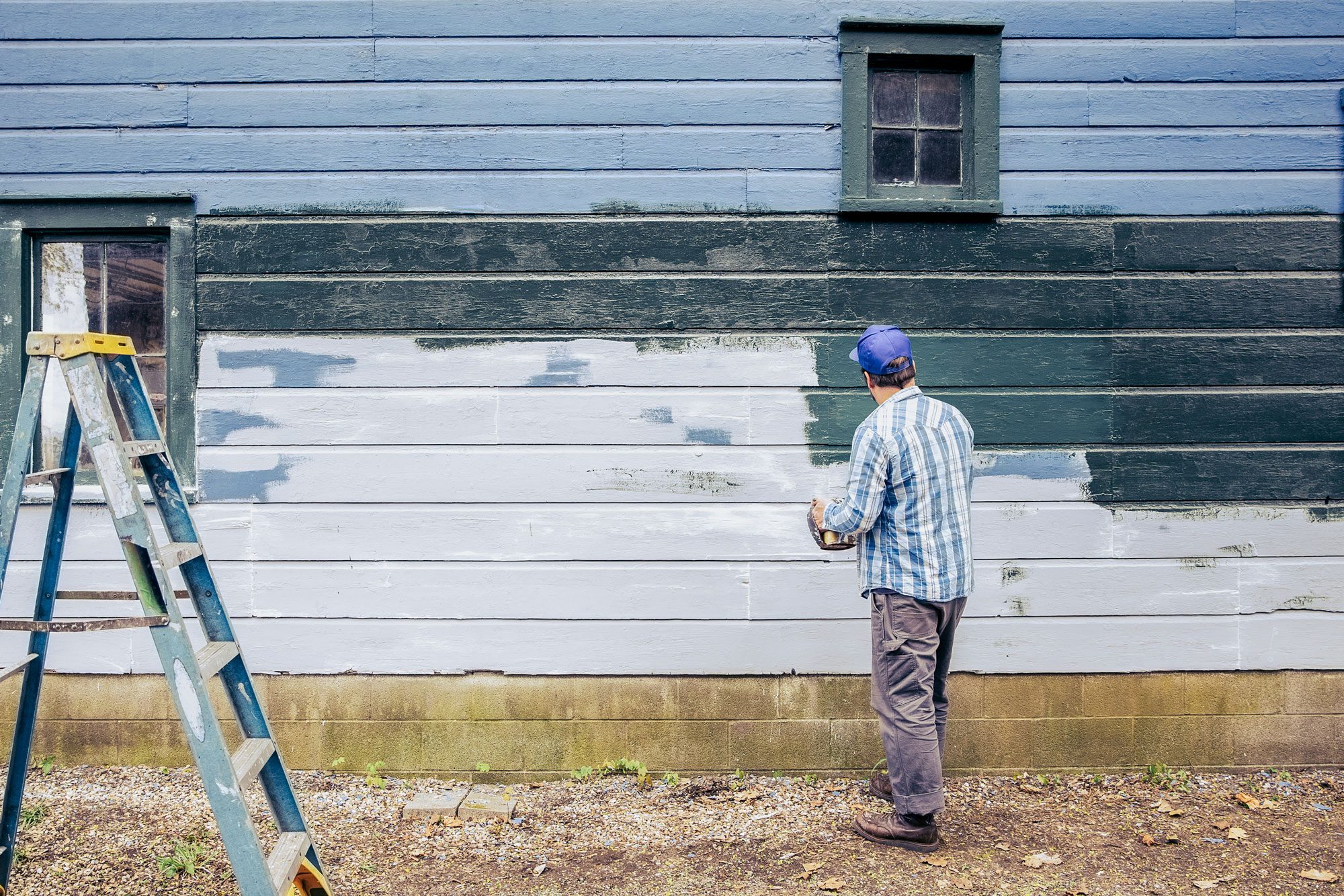
Prep work is where exterior painting projects either succeed beautifully or begin plotting revenge. A professional paint job usually includes washing, scraping loose paint, sanding rough edges, caulking gaps, priming bare areas, masking windows, protecting landscaping, and repairing minor surface damage.
If your siding is clean and in good condition, prep costs may be modest. If the old paint is peeling like a sunburn after a beach vacation, the painter will need more time. Extensive prep can add hundreds or even thousands of dollars to the total project cost.
5. Paint Quality and Number of Coats
High-quality exterior paint costs more per gallon, but it usually offers better coverage, improved fade resistance, and longer durability. Most exterior paints cover roughly 250 to 400 square feet per gallon, depending on the surface texture, application method, and product. Rough stucco, raw wood, and porous masonry can require more paint than smooth siding.
Most homes need two coats for a durable, even finish. A dramatic color changesay, going from deep brown to soft whitemay require extra primer or additional coats. This is why “just paint it white” is not always the simple money-saving command it appears to be.
6. Labor Rates in Your Area
Labor costs vary significantly by region. Painting a house in a high-cost metro area will usually be more expensive than painting a similar home in a smaller town. Local demand also matters. During peak painting season, contractors may charge more or book out weeks in advance.
Professional labor often includes more than brushing and rolling. You are paying for insurance, safety equipment, surface preparation, cleanup, experience, and the ability to make the finished job look polished instead of “we had a long weekend and too much confidence.”
7. Repairs Before Painting
Paint is not a magic cloak. It cannot fix rotten trim, cracked stucco, failing caulk, loose siding, mildew, or water damage. In fact, painting over problems can trap moisture and make future repairs more expensive.
Common repairs that can increase exterior painting cost include:
- Replacing rotted wood trim or fascia
- Repairing cracked stucco
- Filling gaps and failed caulk joints
- Removing mildew or algae
- Fixing damaged siding boards
- Priming stains or water-damaged areas
Minor repairs may add a few hundred dollars. Major wood replacement or structural repairs can add much more.
Cost by Home Size
While every estimate should be customized, these examples can help you form a practical budget before calling painters.
| Home Size | Typical Exterior Painting Cost |
|---|---|
| 1,000 square feet | $1,500–$4,000 |
| 1,500 square feet | $2,500–$6,000 |
| 2,000 square feet | $4,000–$8,800 |
| 2,500 square feet | $5,000–$10,500 |
| 3,000+ square feet | $6,500–$15,000+ |
Remember, square footage is only a starting point. A simple 2,500-square-foot house may cost less than a smaller home with old wood siding, multiple colors, a wraparound porch, and enough trim to make a painter stare silently into the distance.
Professional Painting vs. DIY: Which Costs Less?
DIY exterior painting usually costs less in cash, but it costs more in time, effort, equipment, and potential frustration. For a DIY project, homeowners may spend $500 to $2,500 or more on paint, primer, caulk, brushes, rollers, sprayer rental, ladders, drop cloths, pressure washing, safety gear, and repair materials.
Hiring professionals often costs several thousand dollars more, but the project is usually faster, safer, and more consistent. Pros also know how to handle peeling paint, tricky surfaces, weather timing, overspray control, and product selection.
DIY May Make Sense If:
- Your home is one story.
- The siding is in good condition.
- You already own ladders and basic tools.
- You are comfortable with prep work.
- You have several dry, mild days available.
Hire a Professional If:
- Your home is two or more stories.
- There is peeling paint, rot, or surface damage.
- Your house was built before 1978 and may involve lead-based paint.
- You need scaffolding or lift equipment.
- You want a warranty or a faster turnaround.
Important Lead Paint Warning for Older Homes
If your house was built before 1978, lead-based paint may be present. In the United States, contractors paid to disturb painted surfaces in pre-1978 housing generally must follow EPA Renovation, Repair and Painting rules and use lead-safe practices. This can increase the cost of prep work, but it is not the place to save money by pretending dust is just “vintage atmosphere.”
Lead-safe work may involve containment, protective equipment, specialized cleanup, and certified contractors. If you are unsure about your home’s paint history, ask your contractor how they handle older homes and whether testing is recommended before scraping or sanding begins.
How to Estimate Paint Quantity
To estimate paint, start by calculating the approximate paintable surface area. Multiply the width by height for each exterior wall, subtract large openings such as garage doors and windows, then divide by the coverage rate listed on the paint can. Many exterior paints cover about 250 to 400 square feet per gallon, but textured or porous surfaces may need more.
For example, if your house has 2,400 square feet of paintable exterior surface and your paint covers 350 square feet per gallon, one coat would require about seven gallons. Two coats would require about fourteen gallons. Add a little extra for touch-ups, textured areas, and the inevitable moment when someone says, “Did we forget the side by the chimney?”
Extra Costs Homeowners Often Forget
The base painting estimate may not include everything. When comparing quotes, ask what is included and what might cost extra.
- Trim painting: Fascia, soffits, shutters, doors, and window trim can add labor.
- Color changes: Major color shifts may require more primer or coats.
- Pressure washing: Some contractors include it; others charge separately.
- Caulking: Essential for sealing gaps, but extensive caulking adds time.
- Repairs: Rotten wood, damaged siding, and cracked stucco are separate from painting.
- Permits or HOA approvals: Some communities require color approval before work begins.
- Accessibility: Steep lots, tight side yards, or tall elevations can increase labor.
How to Save Money on Exterior House Painting
You do not need to choose the cheapest bid and hope for the best. Smart savings come from preparation, timing, and clear communication.
Get Multiple Quotes
Request at least three estimates from licensed and insured painters. Compare the details, not just the final number. A cheaper quote may exclude prep work, primer, trim, repairs, or cleanup.
Do Some Prep Yourself
If safe, you may be able to trim bushes, move patio furniture, remove shutters, wash easy-to-reach areas, or clear access around the home before the crew arrives. Ask the painter first so you do not accidentally create more work.
Paint Before Damage Gets Worse
Waiting until paint is badly peeling can make the project more expensive. Repainting while the existing coating is still mostly intact usually means less scraping, less sanding, and fewer repairs.
Choose Quality Paint
Premium exterior paint costs more upfront but can last longer and protect your siding better. A bargain paint job that fails early is not a bargain; it is a subscription plan you did not mean to join.
Keep the Color Scheme Simple
Multiple colors, decorative trim, shutters, and accent details can look beautiful, but they increase labor. A clean two-color scheme is often more affordable than a five-color masterpiece.
How Long Does Exterior Paint Last?
Exterior paint often lasts 5 to 10 years, depending on siding type, climate, sun exposure, paint quality, prep work, and maintenance. Wood siding may need repainting sooner than fiber cement or well-maintained stucco. Homes in harsh sun, coastal salt air, heavy rain, or freeze-thaw climates may also need more frequent repainting.
To extend the life of your paint job, wash the exterior periodically, keep gutters working, trim vegetation away from siding, repair caulk gaps, and touch up chips before water sneaks in and starts acting like it owns the place.
Real-World Experience: What Homeowners Learn After Getting Quotes
One of the biggest surprises homeowners face is how different exterior painting quotes can be. You might ask three contractors to price the same house and receive three numbers that look like they came from three different planets. One painter may quote $3,800, another $6,200, and another $9,500. The instinct is to assume someone is wildly overcharging, but the truth is usually hiding in the scope of work.
A low quote may include one coat of paint, minimal scraping, and no repairs. A higher quote may include pressure washing, full scraping of loose paint, sanding, spot priming, premium exterior paint, caulking, two finish coats, trim painting, cleanup, and a workmanship warranty. The cheapest number can become expensive if the paint starts peeling after one hard winter or one heroic thunderstorm.
Homeowners also learn that prep work is not glamorous, but it is everything. Nobody invites neighbors over to admire fresh caulk lines, yet those details help the paint last. A house with dusty siding, failed caulk, and bare wood cannot simply be “made cute” with a roller. It needs cleaning, sealing, and priming first. Skipping prep is like putting a tuxedo over pajamas. Technically covered, emotionally questionable.
Another common experience is underestimating trim. The siding may be the largest surface, but trim is where labor multiplies. Window casings, shutters, fascia, porch railings, columns, doors, and decorative details require cutting in, brushing, taping, and patience. A home with lots of trim can cost much more than a plain-sided home of the same size.
Weather is another lesson. Exterior painting needs dry, mild conditions. Extreme heat can make paint dry too fast. Cold temperatures can affect curing. Rain can delay the schedule. Humidity can slow drying time. This is why good painters watch the forecast like amateur meteorologists with ladders.
Many homeowners also discover that choosing the color takes longer than expected. A tiny paint chip can look charming in the store and shockingly bold on a full exterior wall. Testing samples on different sides of the house is worth the effort because sunlight changes everything. A warm beige in the shade may look yellow in afternoon sun. A soft gray may turn blue next to a dark roof. Exterior color is not just design; it is negotiation with the sun.
Finally, experienced homeowners often say the best value is not the cheapest painter, but the clearest painter. A strong estimate explains what surfaces are included, how many coats will be applied, what prep will be done, what paint brand and product line will be used, whether repairs are included, how landscaping will be protected, and how cleanup works. When those details are clear, the project is less stressful and the final result is more predictable.
Final Answer: So, How Much Should You Budget?
For a typical U.S. home, budget around $3,000 to $8,500 for professional exterior painting. Smaller homes and simple projects may cost less, while larger homes, multiple stories, extensive prep, premium paint, and difficult surfaces can push the total to $10,000 to $15,000 or more.
If you want a practical starting point, estimate your paintable square footage and multiply by $1.50 to $4.40 per square foot. Then adjust upward for old paint, wood repairs, tall elevations, textured siding, detailed trim, and major color changes.
A great exterior paint job does more than make your house look pretty. It protects siding, seals gaps, improves curb appeal, and can help prevent bigger maintenance problems. In other words, paint is not just makeup for your house. It is sunscreen, raincoat, and first impression rolled into one very hardworking coating.
Conclusion
The cost to paint the exterior of a house varies because every home brings its own size, surface, condition, and quirks to the project. Most homeowners should expect to spend several thousand dollars for a professional job, with the final price shaped by labor, prep work, paint quality, siding type, repairs, and access. The smartest move is to get multiple detailed quotes, compare the scope carefully, and choose the painter who offers the best combination of preparation, materials, communication, and value.
Whether you hire a pro or tackle a careful DIY project, exterior painting is one of the most visible home improvements you can make. Done well, it can refresh your home’s personality, protect it from weather, and make the neighbors wonder if you secretly hired a curb appeal coach.