
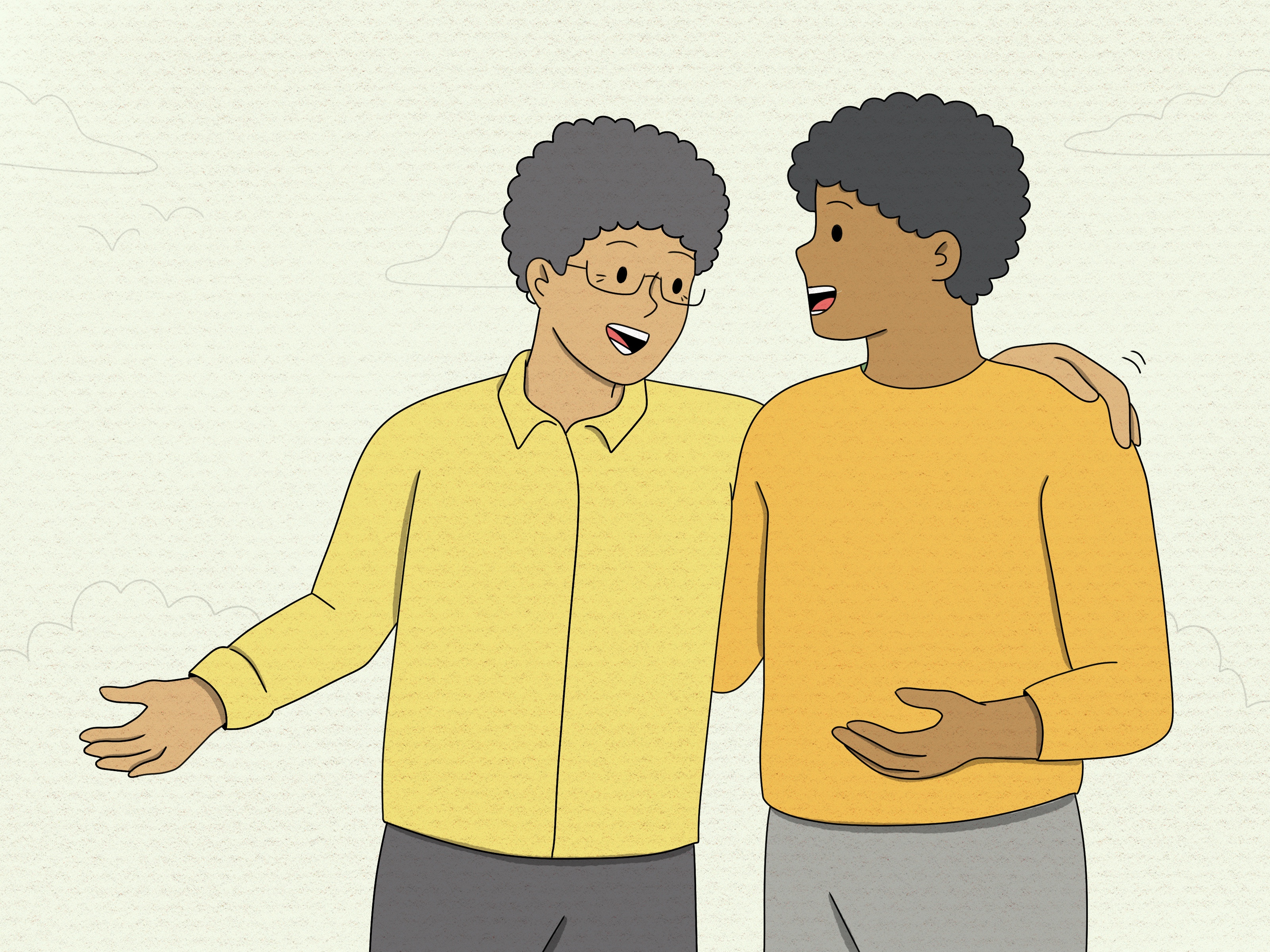
Ending a friendship can feel strangely illegal, emotionally messy, and socially confusing. Here is how to do it with honesty, compassion, and enough dignity that you do not have to fake an emergency every time they text, “We should catch up.”
Why Friendship Breakups Hurt So Much
Breaking up with a friend can feel harder than ending a romantic relationship because there is no familiar script. With dating, people expect phrases like “We need to talk,” “It’s not working,” or the dramatic return of someone’s hoodie. With friendship, the rules are fuzzier. Are you supposed to have a serious conversation? Let the friendship fade? Send a polite text and then disappear into the emotional witness protection program?
The truth is simple: friendship breakups hurt because friendships matter. Close friends are often the people who know your weird coffee order, your family drama, your favorite comfort show, and the exact tone you use when you say, “I’m fine,” but are absolutely not fine. When that bond becomes painful, unsafe, one-sided, or simply no longer fits your life, ending it can feel like losing a part of your personal history.
A healthy friendship should offer mutual respect, emotional safety, support, honesty, and room for both people to grow. It does not have to be perfect. Friends can annoy each other, misunderstand each other, and occasionally send a 12-minute voice memo when a two-sentence text would have done the job. But if the relationship consistently leaves you drained, anxious, belittled, used, or invisible, it may be time to rethink the connection.
Signs It May Be Time to End a Friendship
Not every difficult friendship needs to end. Some friendships need a conversation, a boundary, or a season of space. Others have run their course. The challenge is knowing the difference.
1. The Friendship Feels One-Sided
If you are always the listener, planner, emotional support animal, unpaid therapist, emergency contact, and calendar coordinator, the friendship may be out of balance. A temporary imbalance is normal during a crisis. A permanent imbalance is exhausting. You should not need to submit a customer-service ticket to receive basic care from someone who calls you their best friend.
2. Your Boundaries Are Ignored
Boundaries are not punishments. They are instructions for how people can stay connected without harming each other. If your friend mocks your limits, pressures you after you say no, shares private information, demands instant replies, or treats your needs like an inconvenience, that is a serious sign the relationship is no longer emotionally safe.
3. You Feel Worse After Spending Time Together
Pay attention to your body after you hang out. Do you feel relaxed, seen, and restored? Or do you feel tense, guilty, criticized, or oddly smaller? Your nervous system often notices relationship problems before your brain finishes building a PowerPoint presentation called “Reasons This Friendship Is Ruining My Peace.”
4. The Friendship Is Built on Competition
A little friendly competition can be fun. Constant comparison is not. If your good news is met with sarcasm, silence, backhanded compliments, or a quick subject change, your friend may be treating your happiness like a personal attack. Real friends do not need you to shrink so they can feel tall.
5. You Have Tried to Talk, and Nothing Changes
One awkward conversation does not fix every relationship. However, if you have clearly expressed what hurts you and the same pattern keeps repeating, the issue may not be miscommunication. It may be unwillingness. At some point, protecting your peace becomes more important than endlessly explaining why you deserve respect.
Before You Break Up: Ask Yourself These Questions
Before ending a friendship, pause long enough to understand what you actually want. This step helps you avoid making a permanent decision during a temporary emotional thunderstorm.
Do I Want an Ending, a Break, or a Boundary?
Sometimes you do not want the friendship to end; you want the behavior to change. Maybe you need fewer late-night crisis calls, less gossip, more honesty, or space from constant negativity. In that case, a boundary may be enough.
Other times, you may need a temporary break. A break can help when emotions are high, conflict has become circular, or you need time to decide whether the friendship can be repaired. But if the friendship has become harmful, manipulative, or emotionally unsafe, a clean ending may be healthier.
Is This a Pattern or a Moment?
Good people can have bad moments. They can be stressed, distracted, defensive, or clumsy with words. But patterns matter. One rude comment is a problem to discuss. Months of disrespect are data. If the same issue keeps happening despite honest conversations, you are allowed to believe the pattern.
Would I Recommend This Friendship to Someone I Love?
This question is annoyingly effective. Imagine your sibling, cousin, or favorite coworker describing the same friendship to you. Would you say, “That sounds healthy,” or would you gently ask whether they have considered runningnot walkingtoward the exit? Sometimes we accept treatment for ourselves that we would never approve for someone we love.
How to Break Up with Your Friend Kindly
There is no single perfect way to end a friendship. The best approach depends on the closeness of the relationship, the reason for ending it, your safety, and whether a conversation would be productive. Here are the most common options.
Option 1: Let the Friendship Fade
A gradual fade can work for casual friendships, old acquaintances, or relationships that have naturally lost closeness. You reply less often, stop initiating plans, and allow distance to grow without a dramatic announcement. This is not necessarily cowardly. Sometimes it is realistic, especially when the friendship is not deeply intimate.
However, fading can feel confusing or hurtful if the other person still sees you as a close friend. If they keep reaching out, asking what changed, or trying to repair the connection, a direct conversation may be kinder than pretending your phone fell into the sea.
Option 2: Set a Clear Boundary
If you are not sure you want to end the friendship, start with a boundary. A boundary sounds like this:
“I care about you, but I cannot keep having conversations where I’m insulted or blamed. If that happens, I’m going to end the call.”
Or:
“I need more space right now. I won’t be available to text every day, but I wish you well.”
A real boundary focuses on what you will do, not on controlling the other person. You are not saying, “You must become a completely different human by Tuesday.” You are saying, “This is what I need in order to stay emotionally okay.”
Option 3: Have a Direct Conversation
For close friendships, a direct conversation is often the most respectful choice. It gives both people clarity, even if the conversation is uncomfortable. Choose a private setting, keep your tone calm, and use “I” statements instead of a courtroom-style list of every mistake they have made since 2018.
You might say:
“I’ve been thinking a lot about our friendship. I’m grateful for the good memories, but I don’t feel this relationship is healthy for me anymore. I need to step away and not continue the friendship.”
This is honest without being cruel. It does not invite a debate. It also does not require you to present 47 screenshots and a closing argument.
Option 4: Write a Message or Letter
If speaking in person feels too overwhelming, a written message can help you be clear and calm. This can be especially useful if the friend tends to interrupt, twist your words, or escalate conflict. Keep it brief, respectful, and firm.
Example:
“I’ve realized I need to step back from this friendship. I appreciate the good moments we shared, but continuing this relationship is not healthy for me. I’m not looking to argue or revisit every detail. I wish you the best, but I need space and won’t be continuing contact.”
You do not need to over-explain. Over-explaining often creates loopholes for negotiation. Clarity is kinder than a 900-word emotional maze.
What Not to Do During a Friendship Breakup
Even when you are hurt, how you end the friendship matters. A graceful exit protects your self-respect and reduces unnecessary damage.
Do Not Publicly Humiliate Them
A friendship breakup is not a press conference. Avoid vague social media posts, group-chat announcements, or dramatic captions about “finally seeing people’s true colors.” You may feel powerful for 14 minutes, but public humiliation usually creates more chaos than closure.
Do Not Use Mutual Friends as Messengers
Mutual friends should not be turned into emotional pigeons carrying updates between two upset people. If you need to communicate, communicate directly. If you need privacy, say so. Do not ask the group to choose sides unless there is a genuine safety issue.
Do Not Ghost a Close Friend Without Reason
Ghosting may be necessary if someone is abusive, threatening, manipulative, or unsafe. In ordinary cases, suddenly disappearing from a close friendship can be deeply painful. If a direct conversation is possible and safe, it usually offers more closure.
Do Not Turn the Conversation into a Character Assassination
You can explain your experience without declaring the other person a villain. Try saying, “This dynamic is not healthy for me,” instead of “You are a selfish emotional vampire with Wi-Fi.” The second option may be colorful, but it is unlikely to help.
How to Deal with the Aftermath
The aftermath of a friendship breakup can be surprisingly intense. You may feel grief, relief, guilt, anger, loneliness, embarrassment, or all of these before breakfast. That does not mean you made the wrong choice. It means you lost something meaningful, even if ending it was necessary.
Let Yourself Grieve
Many people minimize friendship grief because “it was not a romantic breakup.” But emotional attachment does not check relationship labels before hurting. You may miss the inside jokes, the routines, the shared memories, or the version of yourself that existed inside that friendship. Let that sadness be real.
Grief does not mean you should go back. You can miss someone and still know the relationship was unhealthy. You can remember good moments and still choose distance. Healing often requires holding both truths at once.
Expect Awkward Mutual-Friend Moments
If you share a friend group, things may get weird. You might run into each other at birthdays, weddings, work events, or the grocery store aisle where everyone suddenly becomes fascinated by pasta sauce.
Plan ahead. Decide what you will say if someone asks what happened. A simple response works best:
“We’re not close anymore, and I’d rather keep the details private.”
This protects your boundaries without feeding the gossip machine. You do not owe everyone a documentary.
Do Not Stalk Their Social Media
After a breakup, your brain may develop a sudden scholarly interest in their Instagram stories. Resist. Checking their posts, likes, comments, and new friendships usually delays healing. Mute, unfollow, or block if needed. Blocking is not always petty. Sometimes it is digital sunscreen for your emotional skin.
Rebuild Your Routine
Friendships often occupy practical space in our lives: weekend plans, daily texts, gym sessions, lunch breaks, memes, errands, and emotional debriefs. When the friendship ends, those spaces can feel painfully empty. Fill them slowly and intentionally.
Reconnect with other friends. Join a class. Volunteer. Start a hobby. Take walks. Make plans that do not revolve around analyzing the breakup. You are not replacing the friend like a broken phone charger. You are rebuilding a life with more room for peace.
Reflect Without Self-Blame
Reflection is healthy. Self-punishment is not. Ask yourself what the friendship taught you. Did you ignore red flags? Avoid conflict? Over-give? Choose people who needed rescuing? Struggle to speak up? These insights can help you build better friendships in the future.
But do not rewrite the entire relationship as a failure. Some friendships are wonderful for a season and wrong for the next one. Ending does not erase meaning. It simply marks a change.
How to Handle Guilt After Ending a Friendship
Guilt is one of the loudest emotions after a friendship breakup. It may say, “You were too harsh,” “You should have tried harder,” or “What if they are upset?” Guilt is not always a sign you did something wrong. Sometimes it is a sign you did something unfamiliar: you chose yourself.
If you were raised to be agreeable, conflict may feel like danger. If you are used to caretaking, another person’s disappointment may feel like your responsibility. But you are allowed to end relationships that repeatedly hurt you. You are allowed to stop performing closeness that is no longer honest.
When guilt shows up, ask: “Did I act with cruelty, or did I act with clarity?” If you were honest, respectful, and firm, guilt can be acknowledged without being obeyed. Let it pass through. Do not hand it the keys to your phone at 1:00 a.m.
Can a Friendship Be Repaired Later?
Sometimes, yes. People grow. Circumstances change. Apologies happen. A friendship that ended painfully may become peaceful later, or even reconnect in a different form. But repair requires more than nostalgia. It requires accountability, changed behavior, and mutual willingness.
Before reopening the door, ask yourself:
- Has the harmful pattern actually changed?
- Do I feel calm or anxious when I imagine reconnecting?
- Can we talk honestly without blame or manipulation?
- Am I returning because I want connection, or because I feel lonely?
- Would this friendship fit the life I am trying to build now?
You can forgive someone without rebuilding the friendship. You can wish them well from far away. Peace does not always require access.
What Healthy Friendships Look Like After You Heal
After a friendship breakup, it is normal to feel cautious. You may wonder whether new friendships will end the same way. Healing does not mean becoming suspicious of everyone. It means becoming more honest about what you need.
Healthy friendships usually include reciprocity, respect, emotional safety, humor, trust, and flexibility. They allow both people to have boundaries, separate lives, changing needs, and occasional bad days. They do not require constant performance. You do not have to earn your place by being useful, entertaining, available, or endlessly forgiving.
A good friend may not text back instantly. They may forget a detail or cancel plans sometimes. But over time, you feel valued. You feel safe being yourself. You can bring up problems without fearing punishment. You can celebrate good news without dimming your joy. That is the kind of friendship worth making room for.
Experience Section: What Friendship Breakups Feel Like in Real Life
Here are a few composite experiences that reflect common friendship breakup situations. They are not about one specific person, but they may feel familiar if you have ever outgrown a friendship, ended a toxic dynamic, or stared at your phone like it was a tiny glowing courtroom.
The Friend Who Only Called During a Crisis
At first, being the dependable friend felt meaningful. Every late-night call seemed like proof of trust. But over time, the friendship became a one-way emergency hotline. When one person needed support, the other came running. When the listener needed help, the conversation somehow wandered back to the other person’s drama. Eventually, the listener felt exhausted, invisible, and guilty for feeling resentful.
The breakup did not happen in one explosive fight. It happened through a boundary: “I care about you, but I can’t keep being available for crisis conversations every night.” The friend reacted badly, which revealed the truth. They did not want mutual friendship; they wanted unlimited emotional access. The aftermath was painful, but also peaceful. For the first time in years, silence did not feel lonely. It felt like rest.
The Childhood Friend Who No Longer Fit
Some friendship breakups are not about betrayal. They are about becoming different people. Two childhood friends may share years of memories, old jokes, and embarrassing photos with questionable haircuts. But history alone cannot carry a present-day relationship. When values, lifestyles, or emotional maturity change, the friendship can begin to feel like wearing clothes from middle school: technically yours, but deeply uncomfortable.
In this kind of ending, guilt can be especially strong. Nobody did anything unforgivable. The friendship simply stopped feeling honest. The healthiest choice may be a gentle distance rather than a dramatic goodbye. Fewer plans. Kinder boundaries. Gratitude for the past without forcing closeness in the present. Not every ending needs a villain. Sometimes the season just changes.
The Friend Group Breakup
Ending a friendship inside a group is advanced-level emotional gymnastics. Suddenly, birthday dinners feel political. Group chats become quieter. People ask, “What happened?” with the energy of amateur detectives. The temptation is to explain everything, defend yourself, and make sure everyone understands your side.
But the healthiest path is often privacy. A simple line such as, “We had a falling out, and I’m keeping the details private,” can save months of unnecessary drama. Some mutual friends may drift away. Others may stay. A few may surprise you with maturity and kindness. The aftermath teaches an important lesson: people who respect your boundaries during conflict are often the people worth keeping close.
The Relief That Feels Like Proof
One of the strangest friendship breakup experiences is relief. You expect to feel only sadness, but after the conversation ends, you breathe easier. You no longer dread the next message. You no longer rehearse explanations in the shower. You no longer feel responsible for managing another adult’s mood like it is a fragile houseplant.
Relief does not mean the friendship never mattered. It means your body knew the relationship had become too heavy. You may still miss them. You may still cry. You may still remember the good parts with tenderness. But beneath the grief, there is space. And space is where healing begins.
Note: This article is for educational and self-reflection purposes. If a friendship involves threats, harassment, stalking, abuse, or serious emotional distress, consider reaching out to a licensed mental health professional, a trusted support person, or local emergency resources.
Conclusion
Breaking up with a friend is not easy, but staying in a friendship that repeatedly harms you is not noble. It is exhausting. The goal is not to punish the other person or erase the good memories. The goal is to be honest about what is healthy, respectful, and sustainable for your life now.
Whether you choose a gradual fade, a firm boundary, a written message, or a direct conversation, aim for clarity and compassion. You can be kind without being available. You can be grateful without staying stuck. You can grieve the friendship and still trust your decision.
The aftermath may feel awkward, lonely, or surprisingly peaceful. Give yourself time. Rebuild your routines. Protect your privacy. Learn from the relationship without turning the lesson into self-blame. Most importantly, remember this: ending one friendship does not mean you are bad at friendship. It may mean you are finally learning how to choose relationships that choose you back.














