
Siberian cats are the kind of pets that make you question whether you adopted a cat, a tiny forest bear, or a fluffy gymnast with opinions. They are beautiful, strong, affectionate, and smart enough to keep life interesting. One minute they are draped across your couch like royalty in a fur cape, and the next they are launching themselves onto the highest shelf in your house as if gravity is merely a suggestion.
That mix of charm and athleticism is exactly why Siberian cat care needs a little more thought than filling a bowl and hoping for the best. Their thick coat, active personality, and people-loving nature mean they thrive when owners build a routine around grooming, nutrition, enrichment, litter box care, and preventive health. The good news is that caring for a Siberian does not have to feel complicated. It just has to be consistent.
If you want your cat to stay healthy, happy, and magnificently fluffy, these nine steps will help you create a care routine that works in real life.
Step 1: Understand the Siberian personality before you build a routine
The best care starts with knowing who you are dealing with. Siberians are large, muscular, slow-maturing cats with thick coats and an impressively agile build. They are often described as affectionate and social, but they are not decorative throw pillows. This is an active breed that likes to climb, explore, investigate, and participate in family life. In other words, your Siberian would like to supervise everything, including the folding of laundry and the opening of tuna cans.
Because Siberians are intelligent and emotionally engaged, they do best with a routine that includes both physical care and mental stimulation. They usually enjoy human company, often adapt well to family households, and may even like games such as fetch or simple training. That means your care plan should not focus only on food and grooming. It should also include interaction, structure, and opportunities to move.
Think of it this way: a bored Siberian is a fluffy project manager looking for unauthorized work. If you do not provide approved activities, your cat may create some. That “some” may involve curtains, houseplants, or your keyboard.
Step 2: Feed a complete, balanced diet and keep portions under control
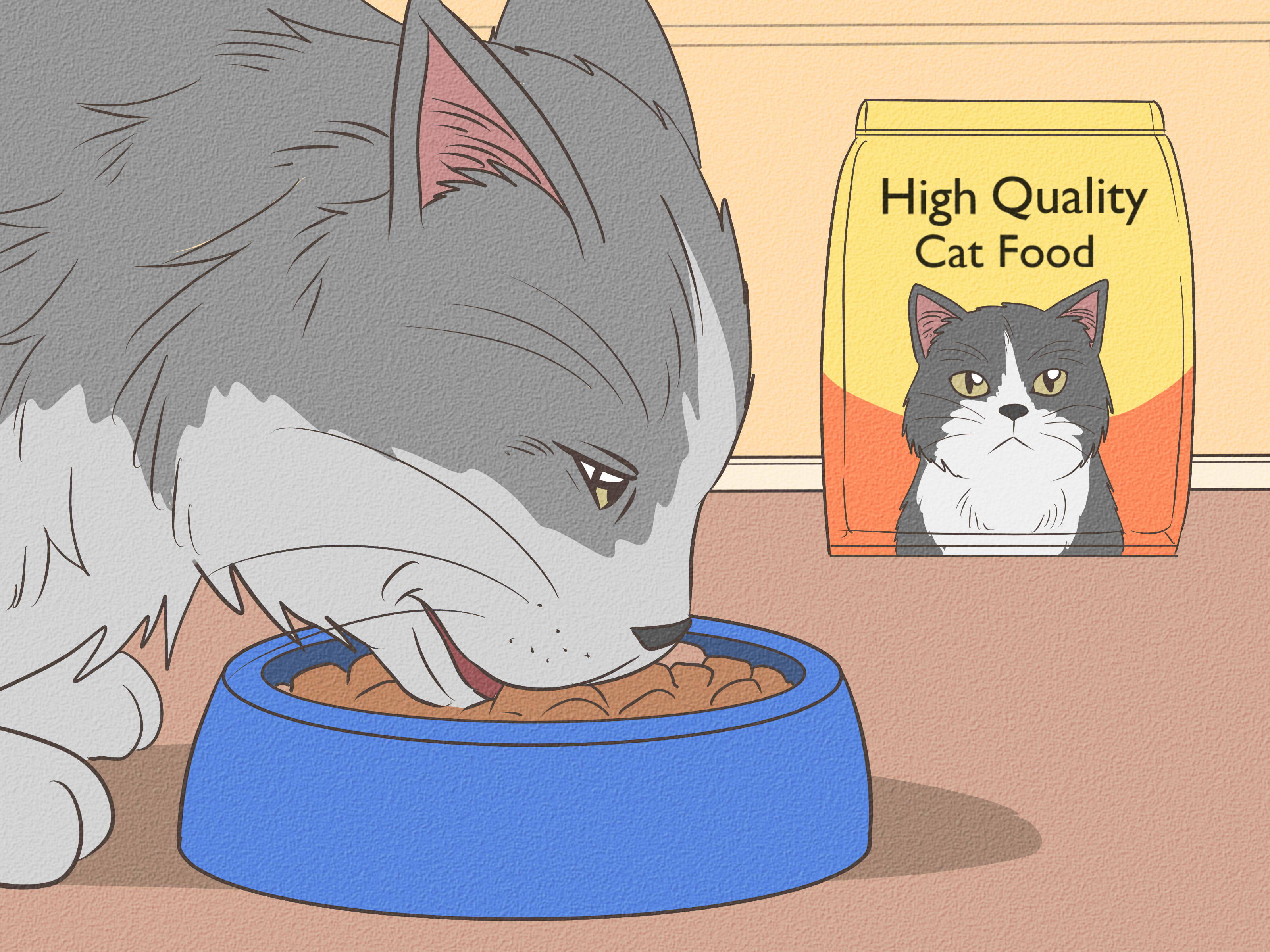
A Siberian’s sturdy frame can fool owners into thinking “big cat” automatically means “needs endless food.” Nice try, says your cat. In reality, Siberians need a complete and balanced diet matched to their life stage, body condition, and activity level. Kittens, adults, and seniors do not all need the same food, and a majestic coat is not a free pass to become pleasantly round.
Choose a reputable cat food labeled as complete and balanced. For most households, the smartest approach is measured meals rather than guesswork. Portion control matters because indoor cats can gain weight gradually, and fluff can hide a lot. What looks like “extra coat” can sometimes be extra cat.
Protein is especially important for cats, and many Siberians do well on routines that include wet food, dry food, or a combination, depending on veterinary advice and the cat’s needs. Wet food can be helpful for hydration and appetite monitoring. Dry food can be convenient and useful in puzzle feeders. The right answer is not one-size-fits-all. It is the one that keeps your individual cat lean, energetic, and thriving.
Pay attention to body condition, not just the number on the bag. If your Siberian starts losing a waistline and gaining the posture of a loaf with legs, it is time to review calories and treats. Healthy weight is one of the quiet secrets behind long-term joint, heart, and overall health.
Step 3: Make water easy, appealing, and impossible to ignore
Cats are famously not overachievers when it comes to drinking water, and Siberians are still cats, even if they look like creatures from a snow-covered fairy tale. Hydration matters for digestion, urinary health, and general wellness, so fresh water should always be available.
The easiest upgrade is to offer more than one water source around the house. Some cats prefer wide bowls. Some prefer fountains. Some act offended if the water has been sitting there long enough to lose its dramatic appeal. Wash bowls regularly, refill them often, and place them away from litter boxes. In multi-cat homes, give your cats several safe water spots so no one has to negotiate access like they are waiting for a meeting room.
You can also support hydration through diet. Many cats take in more moisture when wet food is part of the routine. That does not mean every Siberian must eat an all-wet diet, but it does mean moisture is worth thinking about, especially if your cat drinks lightly or has a history of urinary issues.
Watch for changes. If a cat suddenly drinks much more or much less than usual, that is not a personality quirk. It is a reason to call your veterinarian.
Step 4: Brush that glorious coat before it forms a second cat
The Siberian coat is one of the breed’s greatest attractions and one of its biggest care commitments. Siberians have a thick, layered coat that changes with the seasons, so grooming is not optional. It is maintenance for both beauty and health.
The good news is that Siberian coats often need less fuss than people expect. The bad news is that “less fuss than expected” is still not “ignore it and hope.” In many cases, a thorough combing once or several times per week works well, with extra grooming during major shedding periods. During seasonal coat blowouts, your brush may develop a full-time job.
Focus on areas where mats like to sneak in: behind the ears, under the legs, along the belly, and around the britches. A wide-toothed comb and a slicker brush can be useful, but technique matters more than a giant toolkit. Work gently. If you yank, your cat will remember forever and tell everyone.
Regular brushing helps remove loose hair, reduce tangles, distribute skin oils, and cut down on swallowed fur. It also gives you a chance to spot skin irritation, parasites, lumps, or sore areas early. That is one reason grooming sessions are more than beauty appointments. They are mini health checks in disguise.
Baths are usually rare, because Siberians tend to manage well with routine coat care. If bathing becomes necessary, use a cat-safe product and patience worthy of a saint. A water-resistant coat does not mean your cat will welcome spa day with open paws.
Step 5: Stay on top of hairballs, nails, ears, and everyday hygiene
Longer fur means more swallowed hair, especially during shedding seasons. That makes hairball prevention an important part of Siberian care. Regular brushing is your first and best tool. In many cats, that alone helps reduce the amount of fur that ends up in the stomach and eventually on your rug at 3 a.m.
Nail trimming also belongs in the routine. Even cats who use scratching posts can develop nails that get too sharp, too long, or occasionally snag. A quick trim every couple of weeks can make life easier for both you and your furniture. If your cat acts like nail trims are a constitutional violation, start slowly and use treats like a skilled negotiator.
Check the ears while you groom. They should look clean and pale pink, not dirty, red, or smelly. A little wax may be normal, but heavy debris, irritation, or scratching at the ears deserves veterinary attention. Avoid sticking things deep into the ear canal. Your cat is not a science experiment.
Dental care matters too, and it is often overlooked because cats are excellent at hiding discomfort. Brushing your cat’s teeth with cat-safe toothpaste is one of the best home habits you can build. Start slowly, reward generously, and aim for consistency rather than perfection. Even if daily brushing is the dream and several times a week is the reality, that routine can still help.
Step 6: Create a home that lets a Siberian be a Siberian
A Siberian cat does not just want a home. A Siberian wants territory, observation points, escape routes, and a headquarters with excellent vertical options. Because this breed is athletic and curious, the environment matters almost as much as the food bowl.
Start with climbing. Cat trees, shelves, window perches, and sturdy elevated resting areas give Siberians a safe way to jump, stretch, and survey their kingdom. A bored Siberian without climbing space may turn bookshelves into an amateur parkour course, which is adorable until it is not.
Scratching areas are also essential. Scratching is normal feline behavior, not a personal attack on your sofa. Offer tall, sturdy posts and horizontal scratchers in places your cat already likes to hang out. If your Siberian keeps choosing one forbidden piece of furniture, put a better scratching option right there. Cats are often more persuasive than owners, so make the approved choice the easy one.
Indoor cats also need safe resting places, hiding spots, and separated resources. Food, water, litter boxes, scratching areas, and resting zones should not all be piled together in one tiny corner. Spread them out so your cat can move, choose, and feel secure. In a multi-cat home, this becomes even more important.
Step 7: Schedule daily play and mental enrichment
Siberians are not built for a life of decorative loafing. They need exercise, play, and novelty. Daily interactive play helps maintain muscle tone, supports a healthy weight, and gives your cat a proper outlet for hunting instincts.
Wand toys, toy mice, balls, and food puzzles are excellent options. Rotate toys so they stay interesting. A toy that was thrilling last month may now be treated like last season’s fashion. Short, focused play sessions often work better than one marathon event. Try two or three sessions a day if your schedule allows, especially for younger or especially energetic cats.
Let your cat stalk, chase, pounce, and “catch” the toy. That last part matters. If the game never ends in a successful capture, some cats get frustrated. A laser pointer can be fun, but finish by leading the cat to a toy or treat they can physically grab. No one likes a workout with zero emotional closure.
You can also add enrichment through training. Many Siberians enjoy clicker training, target training, or learning simple behaviors like “sit,” “high five,” or going into a carrier on cue. It sounds fancy, but really it is just a smart cat doing smart-cat things while earning snacks.
Step 8: Keep the litter box setup clean, roomy, and drama-free
If there is one topic cats refuse to compromise on, it is bathroom standards. Siberians are no exception. A good litter box routine supports not only cleanliness but also behavior and health monitoring.
Choose a box large enough for your cat’s body. Siberians are not tiny, so cramped boxes are not ideal. Place boxes in quiet, accessible locations. Scoop at least daily, and clean the whole box regularly. Many cats dislike dirty litter enough to file an immediate protest on your rug.
In multi-level homes, having a box on each level is smart. In multi-cat homes, multiple boxes are even smarter. Watch your cat’s habits. Changes in urine volume, stool size, frequency, or box avoidance can signal stress or medical issues. The litter box is not glamorous, but it is a surprisingly honest health report.
Also, resist the urge to put the litter box next to food and water. Most cats prefer a little separation, and honestly, that is one feline opinion humans should not argue with.
Step 9: Do not skip preventive veterinary and dental care
Siberians are often considered a generally robust breed, but “generally healthy” is not the same as “self-maintaining.” Routine veterinary visits are still essential. Wellness exams help catch problems early, keep vaccines and parasite prevention current when needed, and give you expert guidance on weight, coat, diet, and behavior.
It is also worth discussing breed-related concerns with your veterinarian. Siberians have been associated with hypertrophic cardiomyopathy in some lines, so it is reasonable to ask about breeder health practices, family history, and whether any screening makes sense for your cat. This is not about panic. It is about being informed.
Dental checkups matter just as much as general exams. Cats commonly develop dental disease, and because they hide pain so well, owners may miss it until the problem is advanced. A preventive routine at home plus regular oral evaluation at the clinic is a much better plan than waiting for your cat to stop eating and then realizing the mouth has been unhappy for months.
Preventive care may not feel exciting, but it is one of the biggest reasons some cats stay comfortable and thriving for years. Your Siberian may not thank you in words, but fewer health surprises is a pretty strong expression of gratitude.
What caring for a Siberian cat really feels like: real-life experience and day-to-day lessons
On paper, Siberian cat care sounds straightforward: brush the coat, feed the cat, provide playtime, keep the litter box clean, visit the vet. In real life, it feels more like living with a furry roommate who is athletic, charming, occasionally dramatic, and always convinced that your schedule should revolve around their preferences. And honestly, after a while, it kind of does.
One of the first experiences many Siberian owners mention is how surprisingly interactive these cats are. They are not always clingy, but they do like to be nearby. If you move to the kitchen, they inspect the kitchen. If you open a closet, they conduct a safety audit. If you make the bed, they supervise from the center of the freshly flattened sheet because quality control matters.
Grooming is another area where expectations get adjusted fast. New owners often fear the coat will be impossible, then discover it is manageable when done regularly and chaotic when ignored. A five-minute combing session three times a week feels easy. Skipping two weeks during shedding season can feel like trying to detangle a decorative throw blanket with feelings. The lesson is simple: do a little often.
Playtime also becomes less optional than people expect. Siberians are big on movement. They like height, speed, and games that make them think. Many owners learn that a tall cat tree is not a luxury item but a peace treaty. Without outlets for climbing and play, a Siberian may invent thrilling hobbies that you did not approve, such as countertop exploration, midnight sprinting, or passionate negotiations with houseplants.
There is also the surprising emotional side of living with this breed. Siberians often build strong routines with their people. They may greet you at the door, sit nearby while you work, or join evening downtime like they have officially clocked in for family shift duty. That companionship is part of what makes them such rewarding pets. They do not just live in your house. They participate in it.
Owners also learn to become amateur detectives. Is the cat eating normally? Drinking the same amount? Grooming more than usual? Leaving bigger hairballs this week? Sleeping in a strange new spot? Good Siberian care is not just about tasks. It is about noticing patterns. The people who do best with this breed are usually the ones who pay attention early, before a small issue becomes a larger one.
And yes, there is the fluff. The fluff gets on clothes, sofas, blankets, and occasionally into your coffee if the wind and fate align. But most Siberian owners will tell you the coat becomes part of the charm. You stop fighting it quite so hard. You buy better lint rollers. You accept that elegance now includes cat hair on dark fabrics.
In the end, caring for a Siberian cat feels less like following a rigid manual and more like building a rhythm with a very expressive animal. The practical steps matter, but so does the relationship. When your Siberian trusts you, enjoys the routine, and feels secure in the home, everything gets easier. Grooming goes better. Play becomes richer. Vet visits are less stressful. Daily life becomes smoother for both of you.
That is the real secret. Great Siberian care is not about doing one heroic thing. It is about doing the ordinary things well, over and over, with patience, humor, and a comb always within reach.
Conclusion
Caring for a Siberian cat is not difficult, but it does reward attention to detail. This breed thrives when owners respect the basics: a balanced diet, easy access to water, regular grooming, daily play, a clean litter box, a stimulating indoor environment, and preventive veterinary care. Give a Siberian those things and you are not just maintaining a cat. You are supporting a confident, affectionate, athletic companion with a magnificent coat and a very strong opinion about how life should be lived.
Note: This article is for educational purposes and should not replace personalized advice from your veterinarian, especially if your cat has medical, dental, behavioral, or dietary concerns.












