
Sugar gliders are tiny, wide-eyed comedians with a built-in cape (their gliding membrane) and the confidence of a much larger animal.
They’re also not “starter pets.” Think: more “mini nocturnal roommate with strong opinions” than “cute desk ornament.”
If you meet their needs, they can thrive for many yearsand bond hard. If you don’t, they can get stressed, sick, and heartbreakingly unhappy.
This guide covers the essentials of sugar glider care: choosing a healthy glider, setting up the right habitat, feeding a balanced diet,
handling and bonding, enrichment, cleaning, common health risks, and the reality check people forget to post on Instagram.
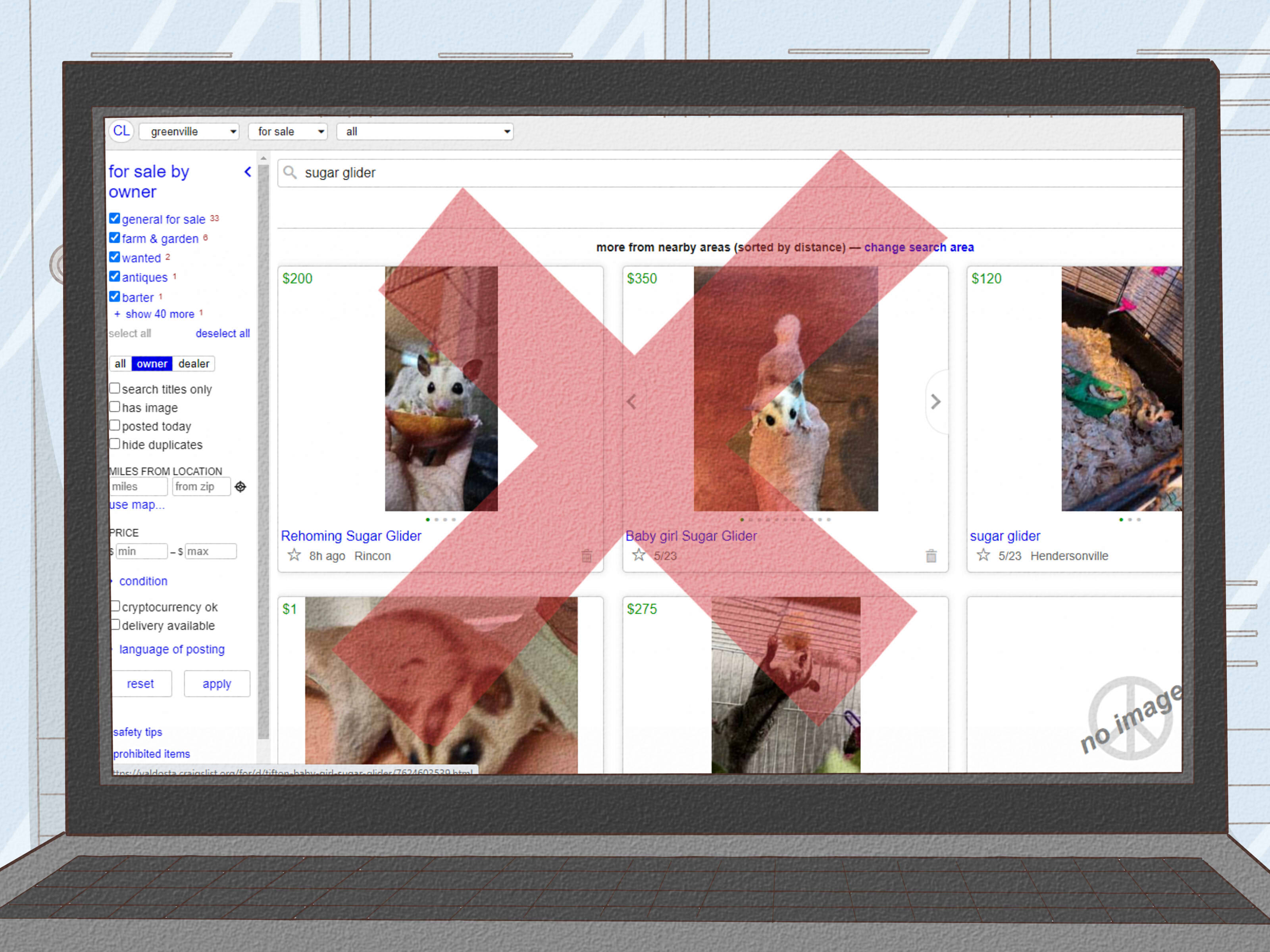
Before You Start: Are Sugar Gliders Legal Where You Live?
Sugar glider ownership is regulated at the state, county, and even city level in the U.S. Laws change, and “they sell them here”
is not the same as “it’s legal here.” Some places restrict or prohibit certain exotic pets, and penalties can include confiscation.
- Check your local wildlife agency (state + city) before you adopt or buy.
- Never release a sugar glider into the wildever. (Also: they will not magically become woodland fairies.)
Understand the Species: What Sugar Gliders Need to Be OK
They’re nocturnal
Sugar gliders wake up when many humans are winding down. Expect nighttime activity, chatter, and the occasional “bark”
that can sound like a tiny dog with big feelings.
They’re highly social
Many veterinary references emphasize sugar gliders are social and often do best in compatible pairs or groups.
A single glider can become stressed without consistent interaction and enrichmentso if you keep one, you’re signing up to be its main social life.
That’s sweet. It’s also… a lot.
They’re climbers and gliders, not “cage potatoes”
They need vertical space, safe climbing surfaces, and opportunities to forage and exercise. A big cage is not “extra.”
It’s baseline quality-of-life.
Choosing a Healthy Sugar Glider
Whether you adopt from a rescue or purchase from a breeder, prioritize health and humane sourcing.
Look for bright eyes, a clean nose, alert behavior when awake, and a healthy body condition.
Ask these questions (and don’t feel awkward doing it)
- Is the glider captive-bred, and can you provide records or lineage info?
- What diet is it currently on (and what exactly does “glider food” mean here)?
- Has the glider been vet-checked recently? Any fecal testing?
- Is the male neutered (if not breeding)?
Schedule a vet visit immediately
Plan an exotic-savvy veterinary exam soon after bringing your glider home (some guidance recommends within the first couple of days),
including a fecal check for parasites and a baseline health evaluation.
Also: establish the relationship before an emergency. Panic-Googling at 2:00 a.m. is a lifestyle choiceavoid it.
Sugar Glider Habitat Setup: The “Tiny Treehouse” Blueprint
Cage size and bar spacing
Sugar gliders do best with a tall, sturdy, lockable wire cage. Height matters because they climb and glide more than they run.
Many veterinary guides recommend minimum dimensions in the neighborhood of 24″ × 36″ × 36″ (or larger),
with appropriate bar spacing so they can’t squeeze out.
- Go bigger than minimum whenever possibleespecially for pairs/groups.
- Secure latches: sugar gliders can be surprisingly talented at “I watched you open that.”
- Safe spacing: follow veterinary guidance for wire mesh/bar spacing to prevent escapes and injuries.
Placement matters
- Keep the cage away from vents, drafts, and direct sun.
- Choose a location with stable household activitynot a chaos corner, not the kitchen danger zone.
- Remember: they’re nocturnal. Your bedroom may become a late-night concert venue.
Temperature and comfort
Many references suggest keeping the room comfortably warm, often around the upper 70s to mid-80s °F when feasible.
If your home runs cool, talk with an exotic vet about safe supplemental heat (the goal is a warm area they can choose,
not a “surprise hot spot” that can cause injury).
Must-have habitat items
- Sleeping pouch or nest box (soft, safe fabric; inspect regularly for loose threads).
- Food and water stations placed to reduce contamination.
- Climbing branches (pesticide-free, non-toxic woods only).
- Foraging toys and hanging toys (avoid anything with strings/wires that can entangle).
- A safe exercise wheel designed for sugar gliders (no exposed axle/parts that can catch tails).
Bedding and substrates
Use safe, low-dust bedding options recommended by exotic-vet references (often paper-based).
Avoid aromatic woods and risky fibers. When in doubt, ask your vet what they prefer for sugar gliders specifically.
Sugar Glider Diet: The Part Everyone Has Opinions About
In the wild, sugar gliders eat a mix of sap/nectar, insects, and plant materials. In captivity, no single diet has been proven “perfect,”
and many health problems in sugar gliders are linked to poor nutrition. Translation: diet is not the place to freestyle.
Core principles of a healthy sugar glider diet
- Balance matters more than “cute variety.” Random fruit bowls are not a plan.
- Calcium is critical (and calcium-to-phosphorus balance matters) to help prevent nutritional bone disease.
- Protein is essential, often through insects and approved protein sources.
- Sugar gliders love sweets and may cherry-pick fruit over healthier componentsso portions and structure matter.
A practical feeding framework (vet-inspired)
Many veterinary guides describe diets that include a nectar/sap-style component, a quality pelleted component,
and measured add-ons like insects plus small servings of fruits/vegetablesoften fed in the evening.
Some resources estimate gliders may eat roughly 15–20% of body weight per day, though individuals vary.
What to feed (common, veterinarian-referenced options)
- Staple base: a vetted sugar glider diet plan (commercial or veterinarian-approved homemade approach).
- Protein: gut-loaded/dusted insects; small amounts of cooked egg or lean cooked meat in some plans.
- Produce: small portions of washed fruits and vegetables as directed by your chosen balanced plan.
- Supplements: calcium and/or multivitamin supplements only as recommended by an exotic vet or a vetted diet protocol.
Water
Provide fresh water at all times in a bottle and/or dish. Many guides suggest clean, filtered water and daily refresh.
Foods and practices to avoid
- Chocolate and caffeine (hard no).
- Canned fruits and heavily processed sugary treats.
- Sudden diet changes, especially for young gliderstransition gradually to reduce stress and appetite crashes.
- Overfeeding insects and fatty treats (hello, obesity and nutritional imbalance).
If diet talk on the internet makes you feel like you wandered into a debate club, here’s your compass:
pick a diet approach grounded in veterinary nutrition principles, follow it consistently, monitor body condition,
and review it with an exotic vet.
Handling, Bonding, and Behavior: Becoming Their Favorite Human
Start with trust, not wrestling
Sugar gliders can “crab” (a loud, defensive sound) when frightenedbasically tiny dragon mode.
Move slowly, speak softly, and let them learn your scent.
Use a bonding pouch
A bonding pouch lets your glider nap on you during the day while getting used to your smell and movements.
It’s one of the simplest ways to build a relationship without turning it into an arm-wrestling match.
Daily interaction is not optional
Many care references recommend substantial daily social timeoften at least a couple of hours in the evening/night.
This can include supervised out-of-cage time in a glider-safe room, gentle play, training with treats, and just being together.
Training basics (yes, they can learn)
- Recall training: use a consistent cue + a tiny treat reward.
- Hand targeting: reward calm approaches to your hand.
- Routine: sugar gliders love predictability more than surprise life lessons.
Enrichment: Preventing Boredom (and Chaos)
A bored sugar glider is a creative sugar glider. Creative sugar gliders invent hobbies like:
“Can I dismantle this toy?” and “What if I leap from here?” and “Is your ear food?”
Enrichment ideas that work
- Foraging: hide small portions of food in safe puzzle toys.
- Rotation: swap toys weekly so everything feels “new.”
- Climbing paths: branches, ropes made for pets (no fraying), and platforms.
- Glider-safe wheel time: a safe exercise wheel can help burn energy.
Safety rules
- Remove hazards: open toilets, buckets, uncovered vents, and sticky traps (never).
- Keep other pets away during glider time. Curiosity plus claws can end badly.
- Use only glider-safe materials (no loose strings, no small pieces that can be swallowed).
Cleaning and Odor Control: The Unsexy Secret to a Happy Glider
Sugar gliders themselves aren’t automatically “stinky,” but their environment can become stinky fast if you slack on hygiene.
Odor is often a combo of cage cleanliness, diet, and (for males) scent marking.
A simple cleaning schedule
- Daily: remove leftover fresh food in the morning; rinse dishes; spot-clean obvious messes.
- Weekly: deep-clean cage surfaces, accessories, and sleeping pouches (follow fabric care instructions).
- Always: inspect pouches for fraying/strings and replace as needed.
Do they need baths?
Usually, no. If your glider smells strong, treat it as a clue: revisit diet, cage hygiene, and veterinary guidance.
Bathing can stress them and may create more problems than it solves.
Veterinary Care and Common Health Problems
Sugar gliders should have an established relationship with an exotic veterinarian and get routine wellness care.
Many guides note that vaccines are typically not part of standard sugar glider preventive care, but annual checkups and fecal testing are commonly advised.
Health red flags (don’t wait on these)
- Not eating, rapid weight loss, or dehydration
- Diarrhea that persists, or stool that suddenly changes for more than a day
- Weakness, tremors, seizures, or dragging hind legs
- Labored breathing, nasal/eye discharge
- Self-mutilation, sudden aggression, or severe lethargy
Nutritional issues (the big one)
Improper diets can contribute to metabolic bone disease and other serious problems. Preventing it is easier than treating it:
follow a balanced plan, use supplements only as recommended, and be disciplined about “treat creep.”
Dental health
Some veterinary references note that offering appropriate insects and monitoring dental health is part of overall care.
If you notice drooling, mouth pawing, or appetite changes, it’s vet time.
Daily Routine Example: What “Good Sugar Glider Care” Looks Like
Morning (while they sleep)
- Remove fresh food leftovers
- Quick spot clean
- Refresh water
- Check pouch condition (strings/fraying)
Evening (wake-up time)
- Serve the planned dinner (staple + measured add-ons)
- Supervised out-of-cage time in a glider-safe room
- Gentle handling/training and enrichment
Common Mistakes (So You Don’t Learn Them the Hard Way)
- Keeping one glider without enough time: loneliness is not “independence.”
- Fruit buffet diets: sugar gliders will absolutely vote for dessert first.
- Unsafe wheels/toys: tails and toes are not optional accessories.
- Skipping the vet relationship: by the time it’s urgent, everything is harder.
- Assuming legality: check first, then commit.
FAQ: Quick Answers for New Sugar Glider Owners
Should I keep sugar gliders in pairs?
Often, yes. Sugar gliders are social, and many experts recommend compatible pairs or groups.
If you keep one, you must provide extensive daily interaction and enrichment.
What’s the best sugar glider diet?
There isn’t one universally proven “best.” Choose a veterinarian-informed, balanced diet framework (nectar/sap-style component + protein + controlled produce + appropriate supplementation),
follow it consistently, and review it with an exotic vet.
Do sugar gliders bite?
They can, especially if scared or stressed. Most biting decreases with trust-building, gentle handling, and proper socialization.
How long do sugar gliders live?
Lifespan varies widely based on genetics and care. With strong husbandry and veterinary support, they can live many years.
Real-World Experiences: What Caring for a Sugar Glider Actually Feels Like (Extra )
Here’s the part most care sheets don’t say out loud: sugar gliders aren’t just a pet you “own.” They’re a pet that schedules you.
Many first-time owners are surprised by how much of sugar glider care is really relationship management.
You’re not feeding a hamster and walking awayyou’re building trust with a nocturnal animal that has opinions about your bedtime.
One common experience: the first week is basically “mutual awkwardness.” Your glider is learning your scent, your voice,
and whether your hands are a threat or a snack delivery service. You’re learning their body languagewhat “crabbing” means,
what a calm posture looks like, and how fast they can move when you blink. (Spoiler: faster than your reflexes.)
A bonding pouch often becomes the bridge. Owners frequently describe the moment it “clicks” as the first time their glider settles
and falls asleep on them without protest. It feels like earning a tiny badge of honor.
Nighttime routines are another big adjustment. Sugar gliders tend to wake up ready to party: eating, exploring, running, jumping,
and occasionally doing something that looks suspiciously like parkour. Many owners end up setting up a glider-safe play area or
dedicating a room for supervised out-of-cage time. The first time a glider calmly climbs onto your shoulder and just hangs out,
it’s pure joy. The first time they launch themselves toward a curtain like it owes them money, you learn the meaning of “supervised.”
Food is where “care” becomes “craft.” Even owners who start confident often say diet planning takes trial and errornot in the sense of random experimentation,
but in the sense of finding a balanced plan their gliders will actually follow without cherry-picking the sweetest parts.
It’s common to discover your glider has a favorite fruit, a hated vegetable, and the uncanny ability to locate the most expensive item in the bowl first.
Owners who do best often treat feeding like a system: measured portions, consistent staples, and only small treat amounts so the diet stays balanced.
Then there’s odor and cleanliness. Many people report that when cage hygiene is solid and diet is balanced, the situation is manageable.
When either slips, you notice quickly. That’s why experienced owners keep cleaning supplies and spare pouches on hand.
It’s also why people who “wanted a low-maintenance pet” sometimes rehome glidersbecause sugar glider care is less about difficulty and more about consistency.
Finally, bonding can be surprisingly emotional. Sugar gliders can become very attached to their humans and to their glider companions.
Owners often describe a deep sense of responsibility: you’re caring for an animal with complex needs that can’t be met by aesthetics alone.
If you’re the kind of person who likes routines, enjoys gentle handling and training, and doesn’t mind being awake for a little evening “glider time,”
sugar gliders can be wildly rewarding. If you want a pet that fits into your schedule without negotiation, your glider will politely decline.
(Not with words, of coursemore with acrobatics and a face that says, “I have plans.”)













