Choosing the right window style for your home sounds simple until you realize windows are not just “glass rectangles that keep squirrels outside.” They affect curb appeal, natural light, airflow, energy bills, furniture placement, cleaning routines, resale value, and whether your living room feels like a cozy retreat or a suspiciously bright fishbowl.
The best window style is not always the most expensive one, the trendiest black-frame beauty on social media, or the giant picture window your neighbor installed after watching one renovation show. The right choice depends on your home’s architecture, climate, room function, privacy needs, budget, and how much maintenance you are willing to tolerate before coffee.
This guide breaks down the most popular residential window styles, where each works best, what to consider before buying, and how to make a smart decision that looks good today and still makes sense ten years from now.
Start With the Big Question: What Do You Need the Window To Do?
Before falling in love with a window style, decide what job that window must perform. A bedroom window may need ventilation and privacy. A kitchen window over the sink may need easy operation. A living room window may be there to frame a beautiful view. A bathroom window may need light without giving the neighbors a surprise documentary.
Think of every window as a design tool with a purpose. Some open wide for fresh air. Some stay fixed to maximize efficiency and views. Some create architectural drama. Some are practical workhorses. The magic happens when the style matches the room’s real-life needs.
Ask These Questions First
- Do I need this window to open?
- Is ventilation more important than the view?
- Does the room need more daylight or more privacy?
- What direction does the window face?
- Will furniture, cabinets, walkways, or landscaping affect how it opens?
- Does the style match the age and architecture of the home?
- How easy will it be to clean and maintain?
Once you answer those questions, the “perfect” window style usually stops hiding behind the catalog and politely raises its hand.
Match Window Style to Your Home’s Architecture
Windows should look like they belong to the house, not like they accidentally wandered over from another subdivision. A Colonial home often looks natural with double-hung windows and traditional grille patterns. A Craftsman bungalow may look great with divided-light windows, warm wood tones, or wider trim. A modern home usually benefits from larger glass areas, clean lines, minimal grilles, and fixed or casement windows.
For traditional homes, double-hung and single-hung windows are usually safe, attractive choices. Their vertical proportions feel classic and balanced. For farmhouse, cottage, Cape Cod, and Colonial-style homes, they preserve the familiar rhythm of the exterior. Add grilles if the home’s style calls for them, but do not overdo it. Too many grille lines can make a window look like it is trying to solve a crossword puzzle.
For modern or contemporary homes, consider picture windows, casement windows, sliding windows, and large window combinations. Black or dark frames can create crisp contrast, while narrow frames can maximize glass and views. Transitional homes can go either direction: classic shapes with simpler grille patterns, or modern frames softened by traditional trim.
Understand the Main Types of Window Styles
Every window style has strengths and trade-offs. The smartest choice is rarely “best overall.” It is “best for this room, this wall, this budget, and this family that definitely opens windows differently from how sales brochures imagine humans behave.”
Double-Hung Windows: The Classic All-Rounder
Double-hung windows have two sashes that move vertically. You can open the top, the bottom, or both. They are one of the most common window styles in American homes because they are versatile, familiar, and visually balanced.
Choose double-hung windows for bedrooms, living rooms, dining rooms, traditional exteriors, and upper floors where tilt-in cleaning features are useful. They work especially well when you want a timeless look. Opening the top sash can also help release warm air while keeping the lower sash closed, which is helpful in homes with children or pets.
The downside? They usually do not seal quite as tightly as casement or fixed windows because they have sliding tracks. They also have a center meeting rail, which slightly interrupts the view. Still, for many homes, double-hung windows are the reliable friend who shows up with a level, a ladder, and zero drama.
Single-Hung Windows: Simple, Budget-Friendly, and Familiar
Single-hung windows look similar to double-hung windows, but usually only the bottom sash moves while the top sash remains fixed. They are often more budget-friendly and are common in new construction and replacement projects.
They work well in bedrooms, hallways, rental properties, and areas where cost matters. Because fewer parts move, they can be simple and durable. However, cleaning the exterior of the upper sash may be more difficult, especially on upper floors. If easy cleaning is a top priority, double-hung may be worth the upgrade.
Casement Windows: Great Airflow and a Tight Seal
Casement windows are hinged on the side and open outward, usually with a crank. When open, they can catch side breezes and direct fresh air into the room. When closed, the sash presses against the frame, which can create a tight seal.
These windows are excellent for kitchens, bathrooms, bedrooms, and modern homes. They are especially useful over countertops or sinks because the crank makes them easier to open than a window you have to push or lift. They also provide a clear view because there is no center rail splitting the glass.
Consider the exterior space before choosing casement windows. Since they swing outward, they may not be ideal next to walkways, patios, shrubs, or tight side yards. Crank hardware can also require maintenance over time. In exchange, you get strong ventilation and a clean look.
Awning Windows: Ventilation, Even When the Weather Gets Moody
Awning windows are hinged at the top and open outward from the bottom. Their design helps shed rain while still allowing ventilation, which makes them useful in bathrooms, basements, laundry rooms, and higher wall placements where privacy matters.
They also work well when paired below or above picture windows. For example, a large fixed window can provide the view, while a smaller awning window beneath it provides airflow. That combination is like ordering a scenic overlook with a side of fresh air.
Awning windows are not ideal where they would open into a walkway or where exterior clearance is limited. But for rainy climates, small rooms, and privacy-sensitive spaces, they are a clever choice.
Sliding Windows: Clean Lines and Easy Operation
Sliding windows move horizontally along a track. They are often wider than they are tall, making them a natural fit for ranch-style homes, modern homes, basements, kitchens, and rooms with broad wall openings.
They are easy to operate and usually have fewer mechanical parts than crank-out windows. They can also be cost-effective compared with more complex styles. If you want a simple window that opens without swinging inward or outward, sliders deserve a look.
The track needs occasional cleaning, especially in dusty areas. Also, depending on design and quality, sliding windows may not seal as tightly as casement or fixed windows. Choose a well-built model and do not ignore the track unless you enjoy discovering a tiny archaeological site of dust and pollen.
Picture Windows: Maximum View, Maximum Light
Picture windows are fixed, meaning they do not open. Their main purpose is to bring in light and frame a view. They are often more energy-efficient than operable styles because they have fewer moving parts and fewer opportunities for air leakage.
Use picture windows in living rooms, stairwells, dining areas, great rooms, and anywhere the view is the star. They are also excellent in combinations: a large picture window in the center with casement, double-hung, or awning windows on the sides for ventilation.
The obvious limitation is airflow. A picture window will not open no matter how kindly you ask. If the room needs fresh air, pair it with operable windows nearby.
Bay and Bow Windows: Architectural Personality With Bonus Space
Bay and bow windows project outward from the exterior wall, adding dimension, light, and sometimes interior seating or display space. A bay window typically has three sections with sharper angles. A bow window usually uses four or more sections to create a gentler curve.
These windows are wonderful for living rooms, breakfast nooks, dining rooms, and front elevations that need more character. They can make a room feel larger and brighter while improving curb appeal.
However, they cost more than simpler styles because they involve multiple window units, structural support, roofing or flashing details, and more complex installation. They also need proper insulation and professional installation to avoid drafts or leaks. Bay and bow windows are not casual purchases; they are architectural commitments with excellent cheekbones.
Garden Windows: A Mini Greenhouse for the Cheerful Overachiever
Garden windows project outward like a small glass box, often with shelves for plants. They are popular in kitchens, especially above sinks, where herbs and small plants can enjoy sunlight.
They are charming, but they are not right for every home. Because they project outside the wall, installation quality matters. Poor sealing can lead to moisture problems. If you love plants and have the right exposure, a garden window can be delightful. If you regularly forget to water basil until it becomes botanical confetti, maybe choose a simpler style.
Specialty, Transom, and Skylight Windows: When Standard Is Too Boring
Specialty windows include arches, circles, triangles, custom shapes, transoms, and other design-focused options. Transom windows are often placed above doors or other windows to bring in extra light while maintaining privacy. Skylights bring daylight from above and can transform dark hallways, bathrooms, lofts, and kitchens.
These windows can add personality and solve tricky design problems. However, custom shapes and roof installations typically cost more and demand careful installation. Skylights, in particular, need excellent flashing and the right glazing for heat control. Natural light from above is beautiful; water from above is less charming.
Choose the Right Window for Each Room
Living Room
Living rooms usually benefit from larger glass areas, strong curb appeal, and balanced proportions. Picture windows, bay windows, bow windows, casement combinations, and double-hung groupings all work well. If the room has a great view, do not chop it up with unnecessary grille patterns. Let the view do the talking.
Kitchen
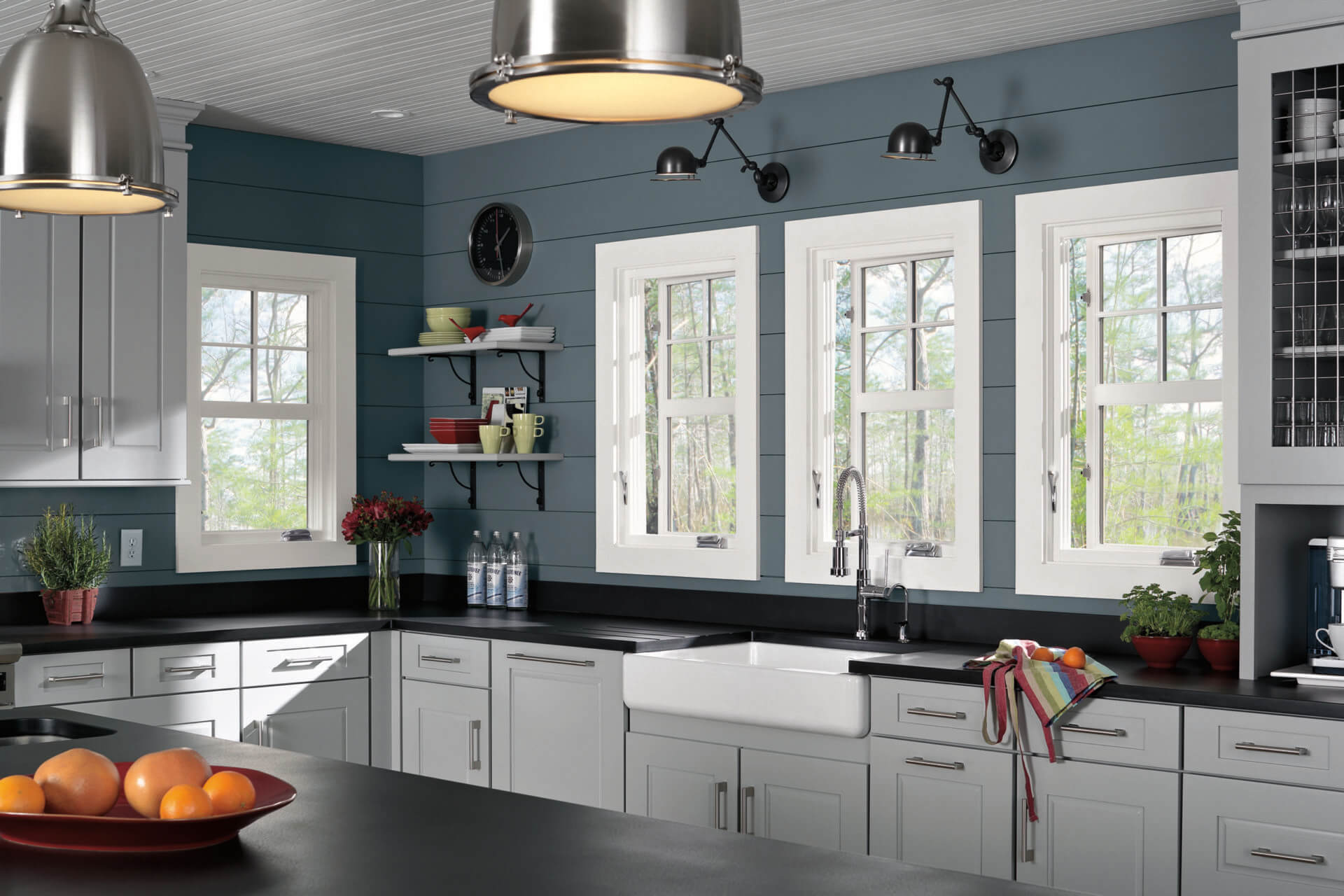
Kitchen windows should be easy to operate, especially over sinks or counters. Casement windows are a favorite because the crank is easier to reach. Sliding windows can also work well in wide openings. If you want charm and have the budget, a garden window can create a sunny spot for herbs.
Bathroom
Bathrooms need privacy, ventilation, and moisture control. Awning windows, frosted glass, high-placed casement windows, and small sliding windows can work well. Operable windows are helpful, but make sure the style and glass choice protect privacy. Your bathroom window should let in light, not neighborhood reviews.
Bedroom
Bedrooms need ventilation, comfort, safety, and style. Double-hung, single-hung, casement, and sliding windows are common choices. Always consider egress requirements for bedrooms, especially in basement sleeping areas. A beautiful window is not the right window if it does not meet safety codes.
Basement
Basements often use sliding, awning, hopper, or egress windows. The right style depends on the wall height, foundation opening, drainage, and safety needs. If the basement is finished or used as sleeping space, consult local code requirements before choosing a window.
Do Not Ignore Energy Performance
Window style matters, but energy performance matters too. A gorgeous window with poor efficiency is basically a decorative hole with better marketing.
Look for the NFRC label when comparing windows. Important ratings include U-factor, Solar Heat Gain Coefficient, Visible Transmittance, and Air Leakage. In simple terms, U-factor tells you how well the window insulates. Lower is generally better. SHGC tells you how much solar heat passes through. Lower SHGC helps reduce cooling loads in hot climates, while higher SHGC can be useful in cold climates where winter sun helps warm the home. Visible Transmittance tells you how much daylight enters. Air Leakage measures how much air passes through the unit.
ENERGY STAR-certified windows are rated for climate zones, which means the best window in Minnesota may not be the best window in Arizona. In cold climates, insulation is a major priority. In hot sunny climates, controlling solar heat gain can be just as important. In mixed climates, balance is key.
Glass packages also matter. Double-pane windows are common, while triple-pane windows can improve comfort and noise control in certain situations. Low-E coatings help manage heat transfer while allowing visible light. Gas fills, such as argon or krypton between panes, can improve insulation. Warm-edge spacers can reduce heat loss around the glass edges.
Pick the Right Frame Material
Window frame material affects cost, maintenance, durability, insulation, and appearance. The most common options are vinyl, wood, fiberglass, aluminum, and composite.
Vinyl
Vinyl windows are popular because they are affordable, low-maintenance, and energy-efficient. They do not need painting and resist moisture. The trade-off is that color options and ultra-premium design details may be more limited than wood or aluminum-clad products.
Wood
Wood windows offer classic beauty and excellent insulation. They are especially attractive in traditional, historic, and high-end homes. However, wood requires more maintenance, especially in humid or harsh climates. Exterior cladding can reduce upkeep while preserving a wood interior.
Fiberglass
Fiberglass is strong, stable, and resistant to warping. It can handle temperature changes well and often supports slimmer frames than vinyl. It usually costs more but can be a long-lasting choice.
Aluminum
Aluminum frames are strong, slim, and modern-looking. They are useful for large openings and contemporary designs. However, standard aluminum conducts heat more readily than other materials, so thermal breaks and climate suitability are important.
Think About Size, Proportion, and Placement
Window style is not just about the type. Size and placement can make or break the result. A window that is too small can make a room feel gloomy. A window that is too large can create glare, heat gain, privacy problems, or awkward furniture layouts.
On the exterior, windows should align with the home’s proportions. On the interior, they should support how the room is used. In a dining room, windows should not fight with built-ins or artwork. In a bedroom, the sill height should work with beds and nightstands. In a kitchen, the window should coordinate with cabinets, counters, and backsplash lines.
If replacing existing windows, keeping the same rough opening is usually more affordable than changing the size. Custom sizes, structural changes, and moving openings can add significant cost. Sometimes the splurge is worth it, but make sure the design improvement justifies the budget.
Balance Privacy, Light, and View
Natural light is wonderful until it turns your home office into a greenhouse with a laptop. Before choosing a window style, consider orientation. South- and west-facing windows may bring strong sunlight and heat. East-facing windows bring morning light. North-facing windows usually provide softer, more consistent light.
For privacy, consider higher window placement, frosted glass, obscure glass, awning windows, transoms, or carefully chosen window treatments. For views, use larger fixed windows, casements, or sliders with minimal obstructions. For rooms facing a busy street, think about noise-reducing glass packages and frame quality.
Budget for the Whole Project, Not Just the Window
The window unit is only part of the cost. Installation, trim, flashing, insulation, disposal, permits, interior repairs, exterior siding work, and window treatments can all affect the final price. Bay windows, bow windows, skylights, custom shapes, and egress windows generally cost more because they are more complex.
Get multiple quotes, compare product specifications, and ask exactly what is included. A suspiciously low quote may not include the same installation details, materials, warranty, or cleanup. Windows are not a great place to practice “mystery bargain roulette.”
Common Mistakes To Avoid
- Choosing style before function: A beautiful window that does not ventilate the room properly is a daily regret in a nice frame.
- Ignoring climate: Energy ratings should match your region, not someone else’s Pinterest board.
- Mixing too many styles: Variety is good; chaos is not. Keep the exterior visually consistent.
- Forgetting maintenance: Wood is beautiful, but it needs care. Tracks, cranks, and screens also need attention.
- Overlooking installation quality: Even a premium window performs poorly if installed badly.
- Skipping code requirements: Bedroom and basement windows may need to meet egress rules.
Practical Experience: What Homeowners Usually Learn After Choosing Windows
One of the biggest lessons homeowners learn is that window choices feel very different in real life than they do in a showroom. In a showroom, every window is clean, perfectly lit, and surrounded by other confident-looking windows. At home, that same window has to deal with your furniture, your sunlight, your dog’s nose art, your neighbor’s porch light, and the one weird corner where dust gathers as if it pays rent.
Many homeowners start by focusing on appearance, then later realize operation matters just as much. A kitchen casement window over the sink, for example, can feel like a small luxury because it opens with a crank instead of forcing you to lean over the counter and wrestle a sash upward. In a bedroom, a double-hung window can be practical because you can open the top sash for airflow while keeping the lower sash closed. In a rainy area, awning windows can feel surprisingly useful because they allow ventilation even when the weather is being dramatic.
Another common experience is discovering that bigger glass changes a room’s personality. A large picture window can make a living room feel open, calm, and connected to the outdoors. It can also reveal that the “view” is mostly the side of a garage unless the placement is carefully planned. That is why it helps to stand inside the room at different times of day and imagine what the window will actually frame. Views, glare, privacy, and heat gain all shift as the sun moves.
Homeowners also learn that consistency matters from the curb. One unusual window can be charming. Six unrelated window styles on the same front elevation can make the house look like it was assembled during a clearance sale. The best projects usually repeat shapes, grille patterns, frame colors, and proportions in a thoughtful way. You can still use different operating styles in different rooms, but the exterior should feel coordinated.
Maintenance is another real-world teacher. Sliding windows are simple, but the tracks need cleaning. Casement windows seal well, but the hardware should be used gently and maintained. Wood windows look beautiful, but they do not appreciate being ignored in humid climates. Vinyl is easy to care for, but not every vinyl window has the same strength, color stability, or frame profile. The material that fits your lifestyle is often better than the one that merely wins a beauty contest.
Finally, installation quality can make or break the entire investment. A well-chosen window that is poorly flashed, poorly insulated, or incorrectly measured can lead to drafts, leaks, sticking, or condensation problems. Homeowners who have been through the process often recommend choosing the installer as carefully as the product. Ask questions, review warranties, compare details, and make sure the quote explains what happens around the windownot just what goes in the hole.
The best window style is the one that feels natural after the project is done. It opens where you need air, stays fixed where you want views, suits the architecture, performs well in your climate, and does not demand more upkeep than you are willing to give. In other words, the right window quietly improves daily life without shouting, leaking, sticking, or making your house look confused. That is the dream: better light, better comfort, better curb appeal, and fewer reasons to mutter at glass before breakfast.
Conclusion
Choosing the right window style for your home is a balance of beauty, function, performance, and practicality. Start with the room’s needs, then match the style to your architecture, climate, privacy goals, and budget. Double-hung windows offer classic flexibility. Casement windows provide excellent ventilation and a tight seal. Awning windows solve privacy and rain-day airflow problems. Sliding windows are simple and space-saving. Picture windows showcase light and views. Bay, bow, garden, transom, and specialty windows add character when the design and budget support them.
The smartest approach is to choose windows as part of a whole-home plan, not as isolated purchases. Consider how they look from the street, how they feel from the inside, how they perform in your climate, and how easy they will be to live with. When style, energy performance, installation quality, and everyday use all line up, your windows stop being just building parts. They become one of the reasons your home feels like home.