
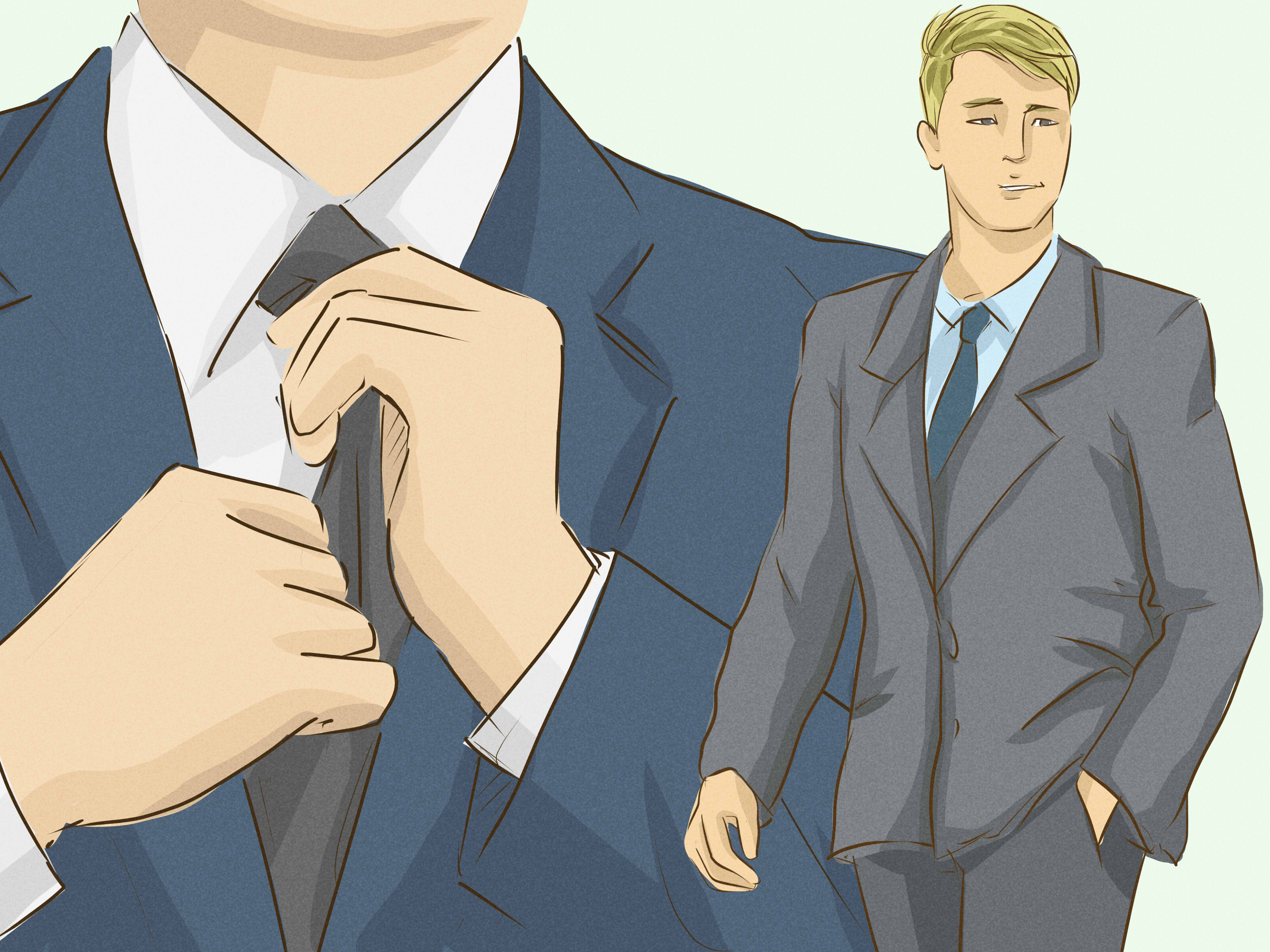
Crossdressing is not a magic spell, a secret handshake, or a dramatic movie montage where someone walks out of a dressing room and suddenly a saxophone starts playing. At its simplest, crossdressing means wearing clothing, accessories, makeup, hairstyles, or fashion details traditionally associated with another gender. For some people, it is playful style exploration. For others, it is part of gender expression, performance, self-discovery, comfort, creativity, or simply the joy of looking fantastic in something society once decided belonged on the “other” rack.
The best way to learn how to crossdress is to approach it like building any personal style: start with comfort, learn your measurements, choose clothes that fit the look you want, practice grooming and presentation, and give yourself permission to improve over time. Nobody becomes stylish overnight. Even professional stylists occasionally meet a pair of pants that seems designed by someone who has only heard rumors about human legs.
This guide explains how to crossdress with confidence, respect, and practical style sense. It covers clothing, sizing, makeup, shoes, accessories, safety, confidence, and real-world experience so beginners can start without feeling lost in a department store maze.
What Crossdressing Means
Crossdressing is a form of gender expression. Gender expression is how someone presents themselves outwardly through clothing, hairstyle, grooming, makeup, voice, movement, and behavior. It is not the same thing as gender identity. A person who crossdresses may identify as a man, woman, nonbinary person, transgender person, cisgender person, performer, hobbyist, or simply someone who enjoys different fashion options.
That distinction matters. A transgender woman is not automatically a crossdresser. A drag performer is not automatically a crossdresser in everyday life. A man wearing a skirt is not automatically making a statement about his identity, and a woman wearing a suit is not asking the world to hold a press conference. Clothes can communicate identity, mood, creativity, culture, comfort, or just the fact that laundry day got dramatic.
The healthiest starting point is simple: crossdressing should feel personal, not pressured. You do not have to copy anyone’s exact look. You do not have to explain yourself to strangers. You do not have to follow every fashion rule, especially because many fashion rules were invented by people who thought socks with sandals were a civilization-ending event.
Start With Your Goal and Style Direction
Before buying anything, ask yourself what kind of look you want to create. Do you want a casual feminine outfit, a polished office-inspired look, a soft androgynous style, a glamorous evening appearance, or a masculine presentation? Crossdressing is easier when you have a direction instead of grabbing random items and hoping they form a personality.
Choose a Style Mood
Think in terms of style mood rather than strict gender rules. A feminine casual outfit might include jeans, ankle boots, a fitted sweater, light makeup, and simple jewelry. A more elegant look might include a wrap dress, blazer, tights, and flats. A masculine-inspired look might include straight-leg pants, loafers, a button-down shirt, a structured jacket, and minimal accessories. An androgynous outfit might blend relaxed trousers, a tucked tee, a long cardigan, clean sneakers, and subtle grooming.
Beginners often make the mistake of going too extreme too soon. If you have never worn a dress before, your first outfit does not need to be a red-carpet gown with heels that require a safety waiver. Start with wearable pieces. The more comfortable you feel physically, the more natural your confidence becomes.
Take Accurate Measurements
Clothing sizes are famously inconsistent. A medium in one brand can feel like a small tent in another and a polite insult in a third. That is why measurements matter more than labels. Before shopping, measure your chest or bust, waist, hips, shoulders, inseam, height, and shoe size. Use a flexible tape measure and write the numbers down.
For feminine clothing, bust, waist, and hip measurements are especially useful. For masculine clothing, chest, shoulder, waist, and inseam measurements often matter most. If you are shopping online, compare your numbers with the brand’s size chart rather than guessing. When between sizes, consider the fabric. Stretchy knits are forgiving. Structured denim, satin, and non-stretch fabrics usually demand more precision.
Fit Is More Important Than Size
A well-fitting affordable outfit almost always looks better than an expensive outfit that pulls, gaps, squeezes, or hangs awkwardly. Watch for shoulder seams, waist placement, sleeve length, and whether the fabric moves comfortably when you sit, walk, and raise your arms. Clothes are supposed to work with your body, not challenge it to a wrestling match.
If you are building a feminine silhouette, wrap dresses, A-line skirts, V-neck tops, cardigans, tunics, high-waisted pants, and soft fabrics can be beginner-friendly. If you are building a masculine silhouette, structured jackets, straight-leg jeans, chinos, crewneck shirts, overshirts, and darker solid colors can create clean lines. For an androgynous look, relaxed tailoring and simple layers work beautifully.
Build a Beginner Crossdressing Wardrobe
You do not need an entire closet on day one. A small capsule wardrobe makes it easier to mix and match outfits without spending a fortune. Start with basics, then add personality pieces once you understand what feels right.
For a Feminine-Inspired Wardrobe
A beginner feminine wardrobe might include one pair of well-fitting jeans, one skirt, one casual dress, two tops, one cardigan or blazer, one pair of flats or ankle boots, simple jewelry, and a neutral handbag. Choose colors that work together, such as black, navy, cream, gray, denim, blush, or earth tones. Once the basics feel comfortable, add patterns, brighter colors, or statement pieces.
Dresses can be surprisingly easy because they are one-piece outfits. Wrap dresses and fit-and-flare dresses are popular for a reason: they create shape without requiring advanced styling knowledge. Skirts are flexible but may need more planning because you must match them with tops, shoes, and layers.
For a Masculine-Inspired Wardrobe
A beginner masculine wardrobe might include straight-leg pants, dark jeans, plain T-shirts, a button-down shirt, a structured overshirt, a blazer or bomber jacket, sneakers, loafers, and a simple belt. Fit should look intentional, not sloppy. Slightly boxy shapes can help create a masculine line, but oversized clothing can swallow the body if the proportions are off.
Layering is one of the easiest ways to make masculine or androgynous outfits look polished. A plain shirt under an open button-down, or a T-shirt under a structured jacket, adds shape and confidence without looking like you tried too hard.
Choose Undergarments and Shaping Pieces Carefully
Undergarments can change how clothes sit on the body, but comfort and safety should always come first. Choose breathable fabrics, correct sizing, and pieces that do not cause pain, numbness, restricted breathing, skin irritation, or difficulty moving. If something hurts, it is not “fashion pain.” It is your body sending a strongly worded email.
For feminine outfits, padded bras, bralettes, camisoles, slips, tights, and smoothing shorts may help clothing sit more comfortably. For masculine outfits, sports bras, compression tops designed for everyday wear, undershirts, or structured layers can help create a flatter or more angular look. Avoid unsafe shortcuts, overly tight garments, or adhesives not designed for skin.
The goal is not to force your body into a costume. The goal is to create a look that feels comfortable, realistic, and wearable.
Learn the Basics of Makeup and Grooming
Makeup is optional, not mandatory. Some crossdressers love a full glam routine. Others prefer tinted moisturizer, lip balm, and leaving the house before anyone can ask where the contour brush went. If you are new, start simple.
A Simple Beginner Makeup Routine
Begin with skincare: cleanse, moisturize, and apply sunscreen during the day. Then try a light base product, such as tinted moisturizer or foundation, followed by concealer only where needed. Add a small amount of blush for warmth, a neutral eyeshadow, mascara, brow gel, and lip color. That is enough for a polished everyday look.
For beginners, pencil eyeliner is usually easier than liquid liner because it is more forgiving. Neutral eyeshadows are easier to blend than bold colors. Cream blush can look natural and is simple to apply with fingers. Setting powder can help reduce shine, but too much powder may make makeup look heavy.
Facial Hair and Skin Prep
If facial hair is part of your routine, decide whether you want to shave, trim, cover shadow with makeup, or keep facial hair as part of your look. There is no single correct answer. For a smoother makeup application, shave carefully, moisturize afterward, and give skin time to calm before applying products. If your skin gets irritated easily, avoid rushing. Makeup looks better on comfortable skin than angry skin.
Hair, Wigs, and Accessories
Hair can dramatically change a look. You can style your natural hair, use hats, try scarves, experiment with clips, or wear wigs. If buying a wig, start with a realistic style close to natural hair colors before jumping into waist-length neon fantasy hair. Fantasy hair is fun, but it has a way of entering a room before you do.
For feminine looks, soft waves, shoulder-length styles, side parts, and face-framing layers are beginner-friendly. For masculine looks, slicked-back styles, short cuts, textured crops, caps, and low-maintenance grooming can help create structure. For androgynous styles, medium-length hair, clean layers, and minimal styling can work well.
Accessories complete an outfit but should not fight for attention all at once. Choose one or two focal points. Earrings, a necklace, a belt, a watch, glasses, a scarf, or a bag can make clothing feel intentional. Too many accessories can make a beginner outfit look like it lost a battle with a jewelry box.
Pick Shoes You Can Actually Walk In
Shoes affect posture, movement, and confidence. If you are trying feminine shoes for the first time, start with flats, low block heels, wedges, ankle boots, or sneakers. High heels require practice. Walk at home first, use shorter steps, keep your core steady, and choose stable heel shapes. There is no prize for suffering in shoes that make every sidewalk feel like an obstacle course.
For masculine looks, loafers, boots, sneakers, oxfords, and clean casual shoes are versatile. Pay attention to toe shape and proportion. Chunkier shoes can balance wider pants, while sleeker shoes pair well with tailored outfits.
Always check sizing because shoe sizes vary between men’s and women’s systems. Width matters too. A shoe that pinches will ruin an outfit faster than a coffee spill.
Practice Movement, Posture, and Presence
Crossdressing is not only about clothes. It is also about how you feel wearing them. Practice walking, sitting, standing, and moving naturally in your outfit. If wearing a skirt or dress, learn how the fabric moves when you sit or climb stairs. If wearing a blazer or structured jacket, check whether you can button it comfortably and move your arms.
Try your outfit at home before wearing it outside. Take mirror photos from the front, side, and back. This is not vanity; it is practical editing. Photos reveal details mirrors sometimes miss, such as a hemline that twists, a shirt that bunches, or a color combination that seemed brave at midnight and questionable by breakfast.
Shop Smart Without Overspending
Beginners should avoid buying too much too quickly. Thrift stores, clearance racks, basic retailers, and online secondhand platforms can help you experiment affordably. Start with versatile items before investing in expensive pieces. Once you know your sizes, preferred fabrics, and favorite silhouettes, shopping becomes easier.
When shopping in person, remember that most people are focused on their own errands. Store employees have usually seen every possible shopping scenario. You can say you are shopping for yourself, for a costume, for a friend, or simply ask where an item is located. You do not owe strangers a personal essay.
Stay Safe and Respect Your Own Pace
Depending on your environment, crossdressing in public may feel exciting, ordinary, stressful, or unsafe. Start where you feel comfortable. That might be at home, with trusted friends, at a private gathering, in an affirming community space, or in a neighborhood where personal style is common and accepted.
If you are nervous about going out, begin with small steps. Wear one gender-nonconforming item, such as a scarf, nail polish, jewelry, boots, a blazer, or a bag. Then gradually build toward a full outfit. Confidence grows through repetition.
It is also okay to keep crossdressing private. Personal expression does not become less valid because it happens at home. Privacy can be healthy, especially when someone is still exploring what feels right.
Common Beginner Mistakes
Trying to Copy One Person Exactly
Inspiration is helpful, but copying someone else’s full look may not fit your body, budget, climate, or personality. Borrow ideas, then adjust them.
Ignoring Comfort
If you cannot sit, breathe, walk, or relax, the outfit is not working. Comfort is part of style.
Buying Too Many Trend Pieces
Trends are fun, but basics create repeatable outfits. Build the foundation first.
Expecting Perfection Immediately
Your first attempts may feel awkward. That is normal. Every stylish person has a photo somewhere that deserves to remain buried in a forgotten folder.
Experience-Based Advice: What Crossdressing Teaches You Over Time
One of the biggest experiences beginners describe is the surprise of how emotional clothing can feel. A dress, suit, pair of boots, lipstick, or fitted jacket may seem like ordinary fabric to someone else, but to the person wearing it, it can feel like a new language. The first time someone sees themselves styled in a way that matches their imagination, the mirror can feel less like glass and more like a doorway.
At the same time, crossdressing often teaches patience. The first outfit may not work. The first wig may look too shiny. The first eyeliner attempt may resemble a raccoon who has been through a breakup. That does not mean failure. It means practice has begun. Style is learned by testing, adjusting, and noticing what makes you stand taller.
Many people discover that confidence comes from small improvements rather than dramatic transformations. A better-fitting top can change everything. So can choosing the right neckline, learning your shoe size conversion, trimming a wig, softening a makeup look, or swapping a tight skirt for one that moves naturally. The magic is often in the details.
Another real experience is learning how much society exaggerates gender rules. Walk through any clothing store and you will see how random these rules can be. Buttons on one side, buttons on the other. Florals here, solids there. Slim fit in one aisle, relaxed fit in another. Crossdressing can reveal that many “rules” are just habits with price tags.
Some people feel nervous the first time they share their look with someone else. Choosing the right person matters. A supportive friend can make the experience feel lighter and safer. They may help with shopping, makeup, photos, or honest feedback like, “That color is amazing,” or “Those shoes are plotting against you.” Good feedback is kind, specific, and focused on helping you feel more like yourself.
Public experiences vary. Some outings feel completely normal. Some feel thrilling. Some feel uncomfortable. The goal is not to prove bravery to anyone. The goal is to understand your own comfort zone and expand it only when you are ready. A quick coffee run in a subtle outfit may be a bigger milestone than a full night out in a dramatic look. Personal progress does not need applause to count.
Over time, many crossdressers become better at shopping, grooming, color coordination, posture, and self-awareness. They learn which fabrics breathe, which shoes are secretly evil, which makeup products survive humidity, and which outfits photograph well but behave badly in real life. They also learn that style is not about passing a test. It is about creating a presentation that feels honest, expressive, and enjoyable.
The most valuable lesson is this: crossdressing does not require perfection to be meaningful. You can be nervous and still look good. You can be experimenting and still be valid. You can change your mind. You can like one style this month and another style next month. Fashion is allowed to evolve because people evolve.
Whether crossdressing becomes a private hobby, a social activity, a performance style, a path of self-discovery, or simply a fun way to expand your wardrobe, the experience can teach creativity, resilience, humor, and self-respect. And honestly, any activity that teaches you confidence while also improving your ability to survive a confusing size chart deserves a little appreciation.
Conclusion
Learning how to crossdress is less about following a rigid rulebook and more about discovering what helps you feel comfortable, expressive, and confident. Start with your goals, learn your measurements, build a small wardrobe, practice makeup or grooming if you want to, choose shoes you can actually walk in, and take your time. Crossdressing can be playful, meaningful, artistic, private, public, casual, glamorous, masculine, feminine, androgynous, or something entirely your own.
The best outfit is not the one that impresses strangers. It is the one that lets you breathe, move, smile, and recognize yourself a little more clearly. Start simple, stay safe, keep your sense of humor nearby, and remember: every great style journey begins with trying something on.
Note: This article is written for general educational and style guidance. It encourages respectful, safe, and personal self-expression without requiring any specific identity, label, or presentation.












