Dragon fruit plants look like they were designed by a cactus, a vine, and a tropical fruit smoothie after a long brainstorming session. They climb, sprawl, bloom at night, and produce those dramatic pink, red, or yellow fruits that make grocery-store shelves look more exciting than they have any right to be. But if you want your pitaya plant to grow more than a few heroic green arms and one lonely flower, fertilizing matters.
The good news? Learning how to fertilize dragon fruit plants is not complicated. The slightly annoying news? Dragon fruit is not a “throw random fertilizer at it and hope for dessert” plant. It needs steady feeding during active growth, excellent drainage, moderate water, compost or aged manure, and a fertilizer schedule that changes as the plant matures.
This expert-style guide breaks down the best dragon fruit fertilizer options, when to apply them, how much to use, what mistakes to avoid, and how to adjust the plan for potted plants, sandy soil, alkaline soil, and fruiting season. Let’s feed the dragonwithout turning it into a leafy green octopus that refuses to fruit.
Understanding Dragon Fruit Before Fertilizing
Dragon fruit, also called pitaya or pitahaya, is a climbing cactus in the Selenicereus group, formerly often listed under Hylocereus. Unlike desert cacti that survive on neglect and suspiciously little water, dragon fruit is more of a tropical jungle cactus. It likes warmth, sunlight, airflow, a strong trellis, and soil that drains well but does not stay bone-dry forever.
That matters because fertilizer only works when the plant can actually use it. A dragon fruit plant sitting in soggy soil with weak roots will not magically recover because you sprinkled on more nutrients. In fact, overfeeding a stressed plant is like giving coffee to someone with a fever: dramatic, unhelpful, and likely to make things worse.
What Nutrients Dragon Fruit Plants Need
Most dragon fruit fertilizer programs focus on the big three nutrients: nitrogen, phosphorus, and potassium, shown on fertilizer labels as N-P-K. Nitrogen supports green stem growth. Phosphorus helps roots, flowering, and fruit development. Potassium supports overall plant strength, water movement, and fruit quality.
Dragon fruit also benefits from magnesium and minor elements such as iron, zinc, manganese, and other micronutrients. Magnesium is especially useful because many recommended pitaya fertilizer formulas include 2% to 3% magnesium. In high-pH or calcareous soils, iron may become unavailable to the plant even when iron is technically present in the soil, so chelated iron drenches can be helpful.
The Best Fertilizer for Dragon Fruit Plants
The best fertilizer for dragon fruit plants is usually a complete, balanced fertilizer with magnesium, combined with compost or well-decomposed manure. For home growers, practical options include 6-6-6, 8-3-9, 8-4-12 palm fertilizer, or a similar slow-release complete fertilizer. The key is not chasing the most exotic product on the shelf. The key is applying the right amount at the right time.
If your plant is young, go light and steady. If it is mature and actively fruiting, feed less often but in slightly larger amounts. If it is in a container, nutrients wash out faster, so smaller, more frequent feeding may be better than one heavy dose. If your plant is in the ground, compost and mulch become part of the long-term feeding strategy.
Organic Fertilizer Options
Compost and aged manure are excellent for dragon fruit because they improve soil structure, encourage biological activity, and release nutrients slowly. Well-decomposed cow manure is commonly used by experienced pitaya growers. The important phrase is well-decomposed. Fresh manure can be too strong, salty, or high in ammonia, and it may damage roots. Your dragon fruit wants dinner, not a chemical ambush.
Apply compost or aged manure around the base of the plant, but keep it away from direct contact with the stem. Dragon fruit stems can rot when damp organic material is piled against them. Think of compost as a generous donut around the plantnot a compost volcano hugging the stem.
Synthetic and Slow-Release Fertilizer Options
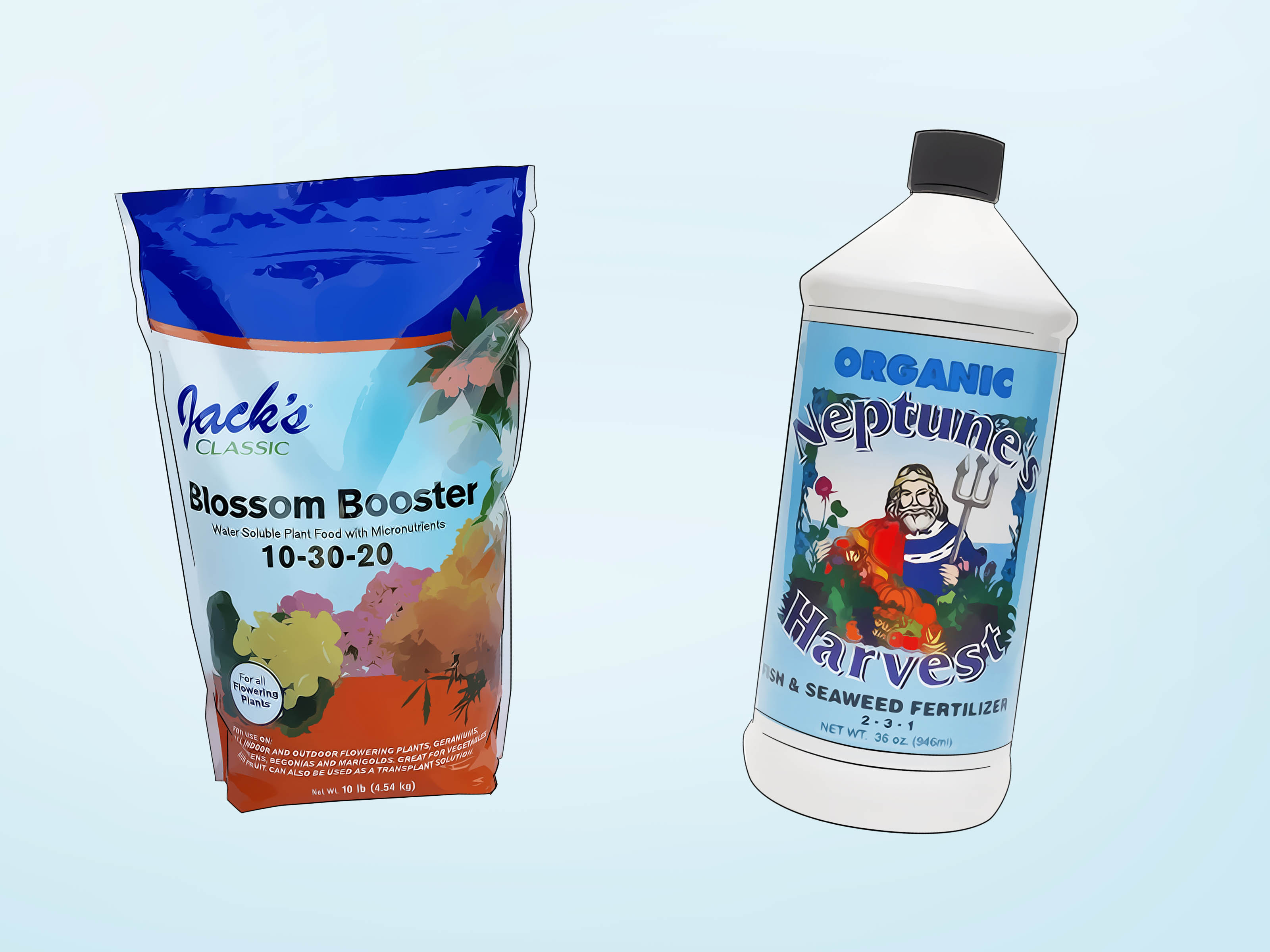
Granular fertilizers are easy to use and reliable when applied carefully. A slow-release complete fertilizer can work well for container-grown dragon fruit, especially when the plant is actively growing in spring and summer. Liquid fertilizers can also be useful, but they should be diluted according to the label and applied only when the soil is moist.
Do not use lawn fertilizer on dragon fruit. Lawn fertilizers are often high in nitrogen and may include herbicides that are not meant for edible fruit plants. Too much nitrogen can push fast, soft growth while reducing flowering and fruiting. In plain English: you may get a giant green plant that behaves like it has forgotten the entire fruit part of “dragon fruit.”
Dragon Fruit Fertilizer Schedule by Plant Age
A reliable fertilizing schedule changes as the plant matures. Dragon fruit grows quickly once established, but young plants need gentle feeding while roots develop. Mature plants can handle more fertilizer, but they still do not appreciate being blasted with nutrients every time you walk past them holding a bag of plant food.
Newly Planted Cuttings
After planting a rooted cutting or transplant, wait about one month or until you see new growth before fertilizing. This gives the plant time to settle in and begin active root and stem growth. Fertilizing too early may waste nutrients or stress new roots.
During this stage, focus on drainage, support, and careful watering. The plant should be in a cactus or well-draining mix if grown in a pot, or in loose, amended soil if grown in the ground. A sturdy trellis is not optional for long-term success. Dragon fruit without support eventually becomes a botanical spaghetti incident.
First Year Fertilizer Plan
In the first year, fertilize every two months with light applications. A common expert recommendation is about 0.25 pound of dry fertilizer per plant per application. Use a balanced complete fertilizer such as 6-6-6, 8-3-9, 8-4-12 palm special, or a similar formula with 2% to 3% magnesium.
In addition, apply about 4 pounds of well-decomposed compost or aged manure around the base during the first year. Keep the compost several inches away from the main stem. Water after fertilizing so nutrients move into the root zone instead of sitting on the soil surface like tiny pellets of wishful thinking.
Second and Third Year Fertilizer Plan
During the second and third years, gradually increase the amount of dry fertilizer to about 0.3 to 0.4 pound per plant every two months. Continue using a complete fertilizer with magnesium. Compost or aged manure can be increased to about 6 pounds per plant as the root system expands and the canopy becomes larger.
This is also when many plants begin building the structure needed for future fruit production. Do not judge success only by flowers. Strong, mature stems are part of the foundation. A dragon fruit plant needs enough mature growth to support flowers and fruit, so fertilizing during years two and three is about building the plant’s engine.
Fourth Year and Mature Plants
By the fourth year and beyond, many dragon fruit plants are considered mature. Fertilize three to four times per year with about 0.5 to 0.75 pound of complete fertilizer per plant per application. Apply compost or aged manure at about 5 pounds per plant twice per year.
For mature plants, avoid heavy fertilization of nearby lawn or landscape areas. Dragon fruit roots can spread beyond the visible canopy, and extra nitrogen from surrounding turf fertilizer may reduce fruiting or fruit quality. The lawn and the dragon fruit are not roommates sharing snacks. Feed the dragon fruit intentionally.
How to Apply Fertilizer Correctly
Correct application is just as important as choosing the right fertilizer. Start by clearing weeds and grass near the base of the plant. Dragon fruit roots are relatively shallow, and competition from turf or weeds can steal water and nutrients.
Sprinkle granular fertilizer in a wide ring around the plant, beginning several inches away from the stem. Do not pile fertilizer against the stem. For young plants, keep the ring modest. For larger plants, spread fertilizer farther out where feeder roots are likely to be growing. Lightly scratch it into the soil surface if possible, then water thoroughly.
Water Before and After Feeding
Never fertilize a severely dry, stressed plant. Water first, let the plant recover, and then fertilize. After applying granular fertilizer, water again to move nutrients into the soil. For liquid fertilizer, apply to already moist soil to reduce the risk of root burn.
Dragon fruit needs consistent water from flowering through harvest, but it hates wet feet. Too much moisture can encourage root rot and stem diseases. The goal is moist enough for growth, dry enough for oxygen, and never swampy enough to make the plant question your leadership.
Use Mulch, But Keep It Off the Stem
Mulch helps conserve moisture, suppress weeds, and improve the surface soil. A 2- to 6-inch layer of bark, wood chips, or similar organic mulch can be useful around in-ground dragon fruit plants. However, keep mulch 8 to 12 inches away from the main stem. Mulch touching the stem can hold moisture and invite rot.
Fertilizing Dragon Fruit in Pots
Potted dragon fruit plants need special attention because containers drain quickly, and nutrients can leach out with watering. Use a large container with drainage holes and a sturdy support system. A cactus mix blended with compost, perlite, pumice, bark fines, or other drainage-friendly ingredients works better than heavy garden soil.
For container plants, use a lighter feeding hand. A slow-release balanced fertilizer can be applied during the growing season, or a diluted liquid fertilizer can be used every few weeks while the plant is actively growing. Reduce or stop fertilizing in winter or when growth slows. Indoor plants under weak light should receive less fertilizer than outdoor plants in full active growth.
Watch for Salt Build-Up
Container plants can accumulate fertilizer salts over time. If you see white crust on the soil surface or pot edge, flush the container with water until it drains freely from the bottom. Do this only if the pot drains well. If the pot does not drain, repot firstbecause a no-drain pot is basically a tiny swamp wearing a decorative outfit.
When to Fertilize for Flowers and Fruit
Dragon fruit usually grows most actively in warm months. In many warm U.S. regions, flowering can begin in late spring or summer, with fruit developing through the warm season. Feeding should support that rhythm.
Use balanced fertilizer during active growth, then avoid pushing excessive nitrogen when the plant should be flowering and fruiting. Phosphorus and potassium are important for roots, flowers, and fruit quality, but that does not mean you should pour on extreme bloom boosters every week. More is not automatically better. Plants are not impressed by panic feeding.
Do Not Forget Pollination
If your dragon fruit plant grows well but does not set fruit, fertilizer may not be the problem. Some varieties need cross-pollination from another compatible variety. Dragon fruit flowers often open at night, so hand pollination may be needed in areas without the right natural pollinators. A well-fed plant still needs successful pollination to make fruit.
Signs Your Dragon Fruit Needs Fertilizer
A dragon fruit plant may need feeding if growth is very slow during warm weather, stems look pale, new growth is weak, or flowering is poor despite good sun and mature stems. Yellowing between veins may suggest micronutrient issues such as iron deficiency, especially in high-pH soil.
However, symptoms can be misleading. Poor light, cold weather, root rot, compacted soil, pests, diseases, and inconsistent watering can all look like fertility problems. Before adding more fertilizer, check the basics: drainage, sunlight, temperature, support, watering, and root health.
Common Dragon Fruit Fertilizing Mistakes
Using Too Much Nitrogen
Too much nitrogen encourages lush green growth at the expense of flowers and fruit. If your plant is growing wildly but refusing to bloom, review your fertilizer. A high-nitrogen lawn product is usually the wrong choice.
Fertilizing During Dormancy
Dragon fruit does not need heavy feeding when growth slows in cooler months. Fertilizing during dormancy can lead to salt build-up, weak growth, or wasted nutrients. Feed when the plant is actively growing.
Applying Fertilizer Against the Stem
Granular fertilizer, compost, and mulch should not touch the main stem. Keep materials in a ring around the plant. The stem should stay dry, airy, and free from rot-friendly piles of organic matter.
Ignoring Soil pH and Micronutrients
In alkaline or calcareous soils, micronutrients such as iron may become unavailable. If new growth turns yellow while veins remain greener, consider a soil test and an iron chelate application appropriate for your soil conditions.
Practical Experience: What Gardeners Learn After Feeding Dragon Fruit for a Season
The first thing many gardeners learn about fertilizing dragon fruit is that the plant responds quickly when conditions are right. A cutting that sat still for weeks can suddenly push bright green growth after warm weather, proper watering, and a light fertilizer application. It feels like the plant finally read the memo: “You are allowed to grow now.”
One common experience is overenthusiasm. A gardener sees new growth, gets excited, and decides the plant deserves “just a little extra.” Then the plant produces long, soft, floppy stems that look impressive but are not necessarily useful. The lesson arrives quietly: dragon fruit wants consistent nutrition, not a buffet served with a shovel. A modest schedule beats random heroic feeding.
Another real-world lesson is that compost improves more than nutrition. Gardeners growing dragon fruit in sandy soil often notice that compost and mulch help the soil hold moisture longer, which keeps growth steadier between waterings. In containers, adding organic matter to a sharply draining mix can help, but too much compost may hold water too long. The winning mix usually drains fast but does not dry into a brick by lunchtime.
Growers in hot climates also learn that fertilizer cannot replace shade management. If stems are sunburned or dehydrated, fertilizer will not fix the damage. In extremely hot areas, light afternoon shade can help the plant use water and nutrients more effectively. A healthy dragon fruit stem should look firm and green, not bleached, wrinkled, or cooked like garden lasagna.
Potted dragon fruit teaches another lesson: water carries nutrients away. A plant in the ground has more soil volume and a larger root zone. A plant in a container depends on you for nearly everything. Container growers often get better results from small, regular feedings during active growth instead of large doses. They also learn to flush the pot occasionally, because fertilizer salt build-up can sneak up like a tiny villain in the drainage holes.
Flowering season brings its own education. A plant can be well-fed and still fail to fruit if it is too young, lacks mature stems, receives too much shade, or needs hand pollination. This is where beginners sometimes blame fertilizer for everything. Fertilizer is important, but it is only one member of the fruiting team. Sunlight, age, variety, pollination, pruning, and watering are all standing in the same lineup.
The best experience-based advice is simple: keep notes. Write down when you fertilized, what product you used, how much you applied, and how the plant responded. After one growing season, patterns become obvious. Maybe your plant loved the spring compost but disliked heavy summer feeding. Maybe it grew better after you moved mulch away from the stem. Maybe it needed more light, not more fertilizer. Garden notes are not glamorous, but neither is guessing while holding a half-empty fertilizer bag and squinting at a cactus.
Conclusion
Fertilizing dragon fruit plants is all about balance. Use a complete fertilizer with magnesium, add compost or well-aged manure, feed more frequently when plants are young, and reduce the schedule as plants mature. Keep fertilizer, mulch, and compost away from the stem, water correctly, and avoid heavy nitrogen when you want flowers and fruit.
When in doubt, remember the golden rule of dragon fruit care: steady beats dramatic. Feed during active growth, support the plant well, give it sun and drainage, and do not panic if it takes time to mature. Dragon fruit may look like it belongs in a fantasy novel, but its fertilizer needs are refreshingly practical.