
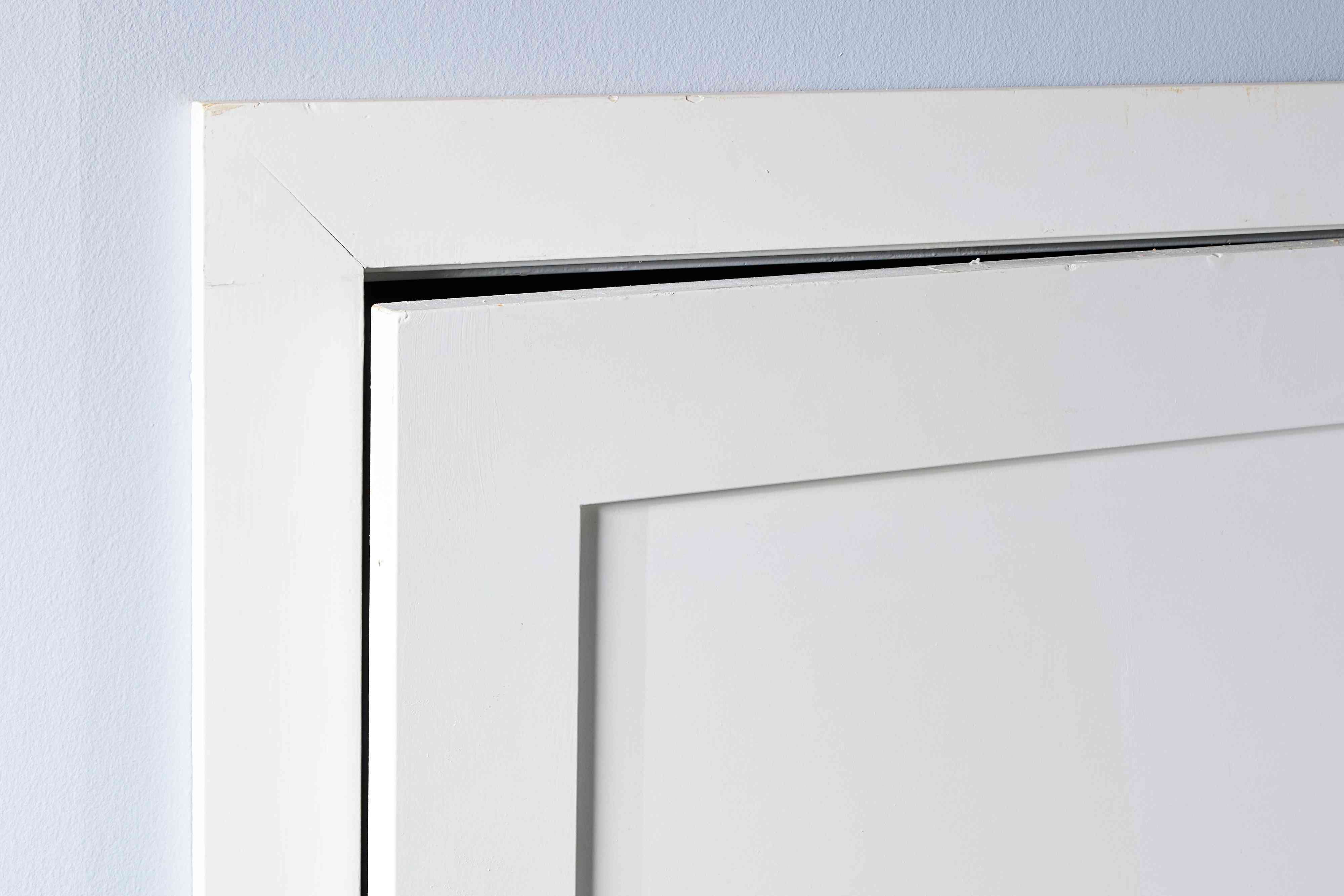
A sagging door is one of those household problems that starts out mildly annoying and ends up feeling like a personal insult. First, it rubs the frame. Then it scrapes the floor. Then the latch misses the strike plate by a hair, and suddenly you are shoulder-checking your own bedroom door like you are entering a saloon in a low-budget Western.
The good news is that fixing a sagging door is usually a very doable DIY repair. In many cases, the problem comes down to loose hinge screws, worn hinge holes, slight misalignment, or a door frame that needs a little persuasion. You do not usually need to replace the entire door, and you definitely do not need to begin your weekend with dramatic demolition energy.
In this guide, you will learn how to identify why a door is sagging, which fixes work best, and when the problem is signaling something bigger than a basic hinge issue. Whether you are dealing with an interior bedroom door, a heavy front door, or a storm door that has started drooping like it had a rough week, this step-by-step guide will help you get it back into shape.
What a Sagging Door Looks Like
Before you grab a screwdriver, make sure sag is actually the problem. A sagging door often shows one or more of these symptoms:
- The top edge of the door is tighter on the latch side than the hinge side.
- The door rubs the jamb, threshold, or floor.
- The latch no longer lines up cleanly with the strike plate.
- You have to lift, push, or yank the door to get it to close.
- The gap around the door looks uneven.
That uneven gap is the big clue. If the reveal around the door looks wider in some places and tighter in others, the door is out of alignment. Most of the time, gravity, repeated use, or loose hardware is to blame.
Why Doors Sag in the First Place
If you want a repair that lasts, it helps to know what caused the problem. A sagging door is not random. It usually happens for one of these reasons:
Loose hinge screws
This is the most common culprit. Over time, screws loosen from daily use. Once the top hinge starts giving up, the door begins to dip on the latch side.
Stripped screw holes
Sometimes the screws look tight, but they are no longer biting into solid wood. In that case, the hinge feels secure for about five seconds and then the door starts drifting again.
Worn or bent hinges
Old hinges can wear out, rust, or bend slightly. Heavy solid-core doors and exterior doors are especially hard on hinge hardware.
Improper hinge mortise depth
If the hinge mortise is too shallow or not flush, the hinge can hold the door in the wrong position. That creates rubbing, poor latch alignment, and a whole lot of unnecessary door drama.
House settling or seasonal movement
Wood expands and contracts with humidity, and houses settle over time. Sometimes the door is not the problem at all. The frame may have shifted just enough to throw everything out of line.
Tools You May Need
- Phillips screwdriver
- Drill or driver
- 3-inch wood screws
- Wood glue
- Wooden toothpicks, matchsticks, or wood slivers
- Utility knife
- Cardboard or thin shim material
- Chisel or sandpaper
- Hammer
- Level
- Replacement hinges if needed
You may not need all of these. In many cases, one screwdriver and one longer screw solve the problem in under 10 minutes. That is the kind of repair that makes you feel wildly competent for the rest of the day.
How to Fix a Sagging Door Step by Step
1. Inspect the door before touching anything
Open and close the door slowly. Look at the gap around all sides. Check where it rubs. If the top latch-side corner is too tight and the bottom latch-side area is wider, the door is sagging downward from the top hinge area.
Also test the hinges. Open the door halfway and gently lift up on the handle. If you see movement at a hinge, that is a strong sign that the screws are loose or the holes are stripped.
2. Tighten all hinge screws by hand
Start with the simplest fix: tighten every screw on every hinge. Focus especially on the top hinge, because that hinge carries the most stress. Use a screwdriver instead of going full speed with a drill. Hand-tightening gives you better control and reduces the chance of stripping the holes even more.
If the door improves immediately, congratulations. Your repair may already be done. If a screw just spins and never tightens, move to the next step.
3. Replace one top-hinge screw with a longer screw
This is the classic fix for a sagging door, and for good reason: it works. Remove one of the screws from the top hinge on the jamb side and replace it with a 3-inch wood screw. As you drive it in, the longer screw reaches deeper into the framing stud behind the jamb and pulls the jamb tighter.
That tiny move can lift the latch side of the door enough to restore alignment. It is simple, cheap, and often the most effective repair for a door that droops but is otherwise in decent condition.
Check the fit after each turn or two. You want the door to move back into alignment, not get dragged so aggressively that you create a new problem on the hinge side.
4. Repair stripped screw holes
If the screws will not grip, longer screws alone may not solve it. You need to give the screw fresh material to bite into.
Remove the loose screw. Fill the hole with wood glue and a few tight-fitting wood slivers, matchsticks, or toothpicks. Let the glue set, trim the excess flush, and reinstall the screw. For badly damaged holes, a wood dowel repair is a stronger long-term solution, but the small wood-sliver method is often enough for a standard residential door.
This fix is especially useful when the hinge side looks stable at first glance, but the door keeps sagging again a few days later.
5. Shim the hinge if the alignment is still off
If tightening and longer screws improve the door but do not fully solve the issue, hinge shimming can fine-tune the alignment. A shim is just thin material placed behind the hinge leaf to shift the door position slightly.
For a typical sagging door, adding a thin shim behind the bottom hinge or adjusting the top hinge area can help bring the latch side up and back into line. Thin cardboard, a playing card, or purpose-made hinge shims can work. The key is to make very small adjustments and test the door after each one.
Think of shimming as micro-surgery for your door. You are not rebuilding the house. You are giving the door a very polite nudge in the right direction.
6. Check whether the hinge mortise is too shallow
If the hinge does not sit flush in the mortise, the door can bind or sit crooked. Remove the hinge and look at how it fits into the recessed area in the jamb or door edge. If the mortise is too shallow, the hinge leaf stands proud and changes the door alignment.
In that case, carefully deepen the mortise with a chisel or sand it slightly so the hinge sits flush. Go slowly. Removing too much material can create a different alignment issue, and then your door repair becomes a hobby you did not ask for.
7. Adjust the strike plate if the door closes but will not latch
Sometimes the door is almost fixed, but the latch still hits the strike plate too high or too low. That does not always mean the door still needs major adjustment. It may just mean the strike plate needs a minor repositioning.
Look for scrape marks where the latch is hitting. If the latch only misses by a little, loosening the strike plate and shifting it can do the trick. If the bolt pocket is too shallow, deepen it carefully with a chisel so the latch or deadbolt can extend fully.
This is a common finishing step, especially on older doors where the hardware and the frame have both shifted over time.
8. Replace worn hinges if necessary
If the hinges are visibly bent, rusty, loose at the knuckle, or simply undersized for a heavy door, replacement is a smart move. Match the size, corner shape, and finish of the existing hinges as closely as possible. For heavier doors, high-quality steel hinges are often worth the upgrade.
If the door has only two hinges and it is a heavier slab, adding a third hinge in the middle can improve support. That is not always necessary, but it can help on older or weighty doors that keep drifting out of alignment.
Special Case: How to Fix a Sagging Screen or Storm Door
Screen and storm doors sag for a slightly different reason. The frame itself can rack or twist because the door is lighter and narrower. In that case, a diagonal turnbuckle brace is often the right solution.
The brace installs across the door and lets you tension it until the frame squares back up. This is a practical fix for narrow wood or vinyl screen doors that keep dragging or refusing to latch properly.
If you are fixing a sagging storm or screen door, also check the closer, latch hardware, and any loose mounting screws before installing the brace. Sometimes the door is not sagging as much as the hardware is shifting.
Mistakes to Avoid
- Do not start by trimming the door. If the problem is loose hinges, trimming the slab only treats the symptom.
- Do not overtighten with a drill. That is a fast way to strip screw holes and make things worse.
- Do not ignore soft wood or rot. If the jamb feels spongy, hardware fixes alone will not last.
- Do not force the latch. If you have to lift the door every time, stop and fix the alignment rather than fighting it daily.
- Do not make huge adjustments all at once. Doors respond to tiny changes. Slow and steady wins this oddly specific race.
When to Call a Professional
Many sagging door repairs are DIY-friendly, but there are times when the problem points to something bigger. Call a pro if:
- The door frame is rotted or water-damaged.
- The door keeps sagging again after multiple repairs.
- The frame is visibly out of square.
- Several doors in the house suddenly stop latching correctly.
- You suspect foundation settling or structural movement.
- The door is unusually heavy, expensive, or part of a specialty entry system.
At that point, the issue may involve the jamb, subfloor, framing, or moisture damage rather than just the hinges. A professional can diagnose whether you are dealing with normal wear or a bigger structural headache wearing a door-shaped disguise.
Real-World Experiences With Sagging Doors
In real homes, a sagging door usually does not announce itself with a dramatic crash. It sneaks up on people. One week the guest room door closes with a slight rub. A month later, it needs a hip check. Eventually, somebody in the house develops a strangely personal feud with a piece of wood.
A very common experience happens in older homes with solid-core interior doors. The door may have worked perfectly for years, but daily use gradually loosens the top hinge screws. The first clue is often cosmetic: the gap above the door looks uneven, or the latch side seems to drift downward. Homeowners often assume the whole frame is failing, when the real fix is much smaller. Tightening the hinge screws and swapping in one longer screw at the top hinge solves the issue so quickly that it feels suspiciously easy.
Another familiar scenario shows up at the front entry. Exterior doors are heavier, exposed to humidity, and opened and closed constantly. People often notice the lock getting finicky before they notice the sag itself. The deadbolt starts rubbing. The latch catches only if the door is pulled hard. In those cases, the repair usually becomes a two-part job: first restore the door alignment at the hinges, then fine-tune the strike plate. The experience teaches a useful lesson: when a door will not latch, the lock is not always the villain. Sometimes it is just an innocent bystander in a hinge problem.
Bathrooms and laundry rooms create their own flavor of chaos. Moisture changes can make wood doors swell slightly, which exaggerates any small alignment issue already in progress. A homeowner may think the door is sagging only in summer, or only after a stretch of humid weather. That is not imagination. Seasonal movement can absolutely make a borderline hinge problem seem much worse. In those situations, a combination of tightening hardware, checking weatherstripping, and making a minor strike plate adjustment often restores normal operation.
Screen and storm doors have their own personality. They tend to sag in a way that looks dramatic even when the fix is simple. The frame twists, the latch misses, and the door suddenly sounds like a shopping cart with opinions. Many people spend time adjusting the closer or blaming the latch, only to discover that the real solution is a diagonal turnbuckle brace and a few tightened screws. Once the frame is pulled back into square, the door behaves again.
Then there is the experience nobody loves: the door that keeps sagging no matter what. That usually means the issue is not just the hinge screws. It may be stripped wood in the jamb, worn hinges, soft wood from old moisture damage, or even house settlement. This is where patience matters. The best results usually come from treating the actual cause instead of chasing the symptom. A sagging door can be a quick fix, but it can also be the house’s subtle way of saying, “Please inspect me a little more closely.”
The reassuring part is that most sagging doors are repairable without replacing the whole unit. A careful inspection, a few targeted adjustments, and the right hardware can turn a frustrating, dragging, stubborn door back into one that swings shut like it remembers its job.
Final Thoughts
If you are wondering how to fix a sagging door, start simple. Tighten the hinges. Replace one top-hinge screw with a longer screw. Repair stripped holes. Shim where needed. Adjust the strike plate only after the door itself is hanging correctly. In many homes, that sequence solves the problem without major cost, major mess, or major swearing.
The trick is to work in order. Do not jump straight to trimming, replacing, or overengineering the repair. A sagging door usually wants a smart adjustment, not a dramatic reinvention. Once you track down the actual cause, the fix is often refreshingly ordinary.











