
Grackles are the shiny, loud, long-tailed birds that can make a peaceful backyard feel like it has been leased to a tiny motorcycle gang. One bird is interesting. Three are entertaining. A flock at your feeder, on your roof, in your trees, and around your trash cans? That is when most homeowners start searching for how to get rid of grackles without causing harm, breaking wildlife laws, or accidentally turning the yard into a bird buffet with free refills.
The good news: grackle control does not have to be cruel or complicated. The best approach is usually a mix of food removal, feeder changes, habitat adjustments, exclusion, and consistent scare tactics. The key word is consistent. Grackles are smart, social, opportunistic birds. If your property offers easy food, water, shelter, and a good roosting spot, they will not leave just because you gave them a disappointed look through the kitchen window.
This guide explains the 13 best and most effective tips to get rid of grackles using humane, practical, and legally safer methods. Whether they are emptying your bird feeder, crowding out songbirds, raiding your garden, or turning your driveway into a modern art project made of droppings, these strategies can help you make your property far less appealing.
First, Know What You Are Dealing With
Common grackles, great-tailed grackles, and boat-tailed grackles are members of the blackbird family. They are not crows, although they sometimes act like they have crow-level confidence. They are known for glossy dark feathers, long tails, pale eyes, noisy calls, and a habit of gathering in groups. Grackles eat insects, grains, seeds, fruit, small animals, garbage, pet food, and almost anything humans leave unattended for more than eight seconds.
Before using any control method, remember that grackles are native birds in the United States and are covered by federal and state wildlife rules. For typical backyard problems, focus on nonlethal grackle deterrents. Do not poison, shoot, trap, harm, or remove nests without understanding federal, state, and local regulations. In many cases, nonlethal methods are not only kinderthey are also more effective for homeowners.
How to Get Rid of Grackles: 13 Effective Tips
1. Remove the Food Source First
If grackles keep coming back, they are probably getting paid in snacks. Birdseed, cracked corn, spilled grain, pet food, fruit, compost scraps, and open trash are all invitations. The first and most important step is to eliminate easy meals.
Bring pet food indoors after feeding, secure trash can lids, clean up spilled seed, and avoid tossing bread or kitchen scraps outside. If grackles are feeding in a parking lot, patio, or outdoor dining area, increase cleanup frequency. One forgotten sandwich crust can become a five-star review in the local grackle community.
2. Switch to Safflower or Nyjer Seed
Grackles love many common seed mixes, especially blends containing cracked corn, millet, milo, and sunflower pieces. If your feeder has become a blackbird cafeteria, change the menu.
Safflower seed is often less attractive to grackles while still appealing to cardinals, chickadees, finches, and some other backyard birds. Nyjer seed, commonly used for goldfinches, is also a good option because it requires small feeding ports that larger birds struggle to use. Avoid cheap mixed seed if your goal is to discourage grackles. Cheap mixes may save money at checkout, but they can cost you a full bag of seed by breakfast.
3. Use Caged Bird Feeders
Caged feeders are one of the most effective ways to keep grackles away from birdseed while still feeding smaller birds. These feeders have an outer wire cage that allows small birds to slip through while blocking larger birds.
Use caged tube feeders for seed and caged suet feeders for suet cakes. This method is especially useful if grackles are bullying smaller birds. Keep in mind that some medium-sized birds, such as cardinals, may not use tight cages easily. If cardinals are a priority, combine caged feeders with safflower seed in a separate, carefully placed feeder.
4. Shorten or Remove Feeder Perches
Grackles are larger than many backyard songbirds and need more space to balance. A feeder with long, comfortable perches is basically a diner booth. Short perches make feeding harder for grackles while still allowing smaller birds to cling and feed.
Try tube feeders with short metal perches, mesh clinging feeders, or feeders designed for finches and chickadees. If your current feeder has adjustable perches, shorten them. If it has a tray that catches seed, remove the tray temporarily because grackles often use it as a landing platform.
5. Try Weight-Activated Feeders
Weight-activated feeders are often marketed for squirrels, but many can also help deter heavy birds. These feeders close access to seed when a heavier animal lands on the perch. Since grackles weigh more than small finches, chickadees, and nuthatches, the mechanism may block them while allowing smaller birds to feed.
The trick is adjustment. Set the feeder sensitivity carefully and watch how birds respond. Too loose, and grackles continue the buffet. Too tight, and even your polite little songbirds get rejected like they forgot the password.
6. Stop Ground Feeding
Grackles are comfortable feeding on lawns, driveways, sidewalks, and under feeders. If seed falls to the ground, they will find it. Ground feeding also attracts rodents, pigeons, starlings, and other unwanted guests.
Use seed trays only if they do not become grackle landing pads. Sweep or rake under feeders daily during heavy bird activity. Consider placing feeders over a surface that is easy to clean, such as a patio or tray system. Better yet, use no-waste seed options like hulled sunflower in controlled feeders, but only if grackles are not already targeting them.
7. Remove Standing Water and Easy Drinking Spots
Food attracts grackles, but water helps them settle in. Birdbaths, puddles, leaky hoses, pet bowls, clogged gutters, and shallow containers can keep flocks nearby.
If you want to discourage grackles temporarily, remove or limit access to birdbaths during peak problem periods. Fix leaks, empty unused containers, and improve drainage in low spots. If you keep a birdbath for other birds, choose a smaller basin or place it in a location that does not give grackles wide-open landing space.
8. Secure Trash, Compost, and Outdoor Eating Areas
Grackles are not picky. If they cannot get seed, they may inspect garbage, compost, picnic tables, outdoor kitchens, and pet feeding stations. A loose trash lid is not a trash lid; it is a grackle puzzle toy.
Use cans with tight-fitting lids. Rinse food containers before tossing them. Keep compost covered and avoid adding exposed fruit, bread, pasta, or cooked leftovers. Around restaurants, schools, parks, and apartment complexes, frequent trash pickup and covered waste stations make a major difference.
9. Use Visual DeterrentsBut Rotate Them
Reflective tape, predator-eye balloons, shiny pinwheels, owl decoys, hawk silhouettes, and hanging streamers can help make an area feel unsafe to grackles. However, grackles are observant. If a plastic owl never moves, they may eventually treat it like weird lawn furniture.
Move visual deterrents every few days. Change heights and locations. Combine reflective movement with sound or feeder changes. The most effective scare plan is one that keeps birds guessing. A single fake owl sitting in the same spot for six months is not security; it is a decoration with a judgmental face.
10. Add Sound Deterrents Carefully
Sound deterrents can help in larger yards, farms, commercial properties, or roosting areas. Options include distress calls, predator calls, clappers, or other noise-making devices. For homeowners, sound should be used sparingly and respectfully. Your neighbors may support your anti-grackle campaign until your yard starts sounding like a haunted airport at 6 a.m.
Use sound deterrents during active feeding or roosting times, not all day. Rotate sounds when possible. Always check local noise ordinances before using loud devices. In residential neighborhoods, visual deterrents and food control are usually better first steps.
11. Protect Gardens and Crops With Netting
Grackles may damage sprouting corn, ripening fruit, berries, and garden crops. If they are targeting a garden, exclusion is often more reliable than scare tactics alone.
Use bird netting, row covers, fruit bags, or garden hoops to protect vulnerable plants. Make sure netting is tight and properly secured so birds do not become tangled. For small fruit trees or berry bushes, lightweight mesh can protect the harvest without turning your garden into a fortress. Although, honestly, after losing the first batch of berries, a fortress may feel emotionally justified.
12. Make Roosting Spots Less Comfortable
Large groups of grackles often gather in trees, shrubs, rooftops, signs, ledges, and utility structures. Roosting problems can be noisy and messy, especially when droppings accumulate.
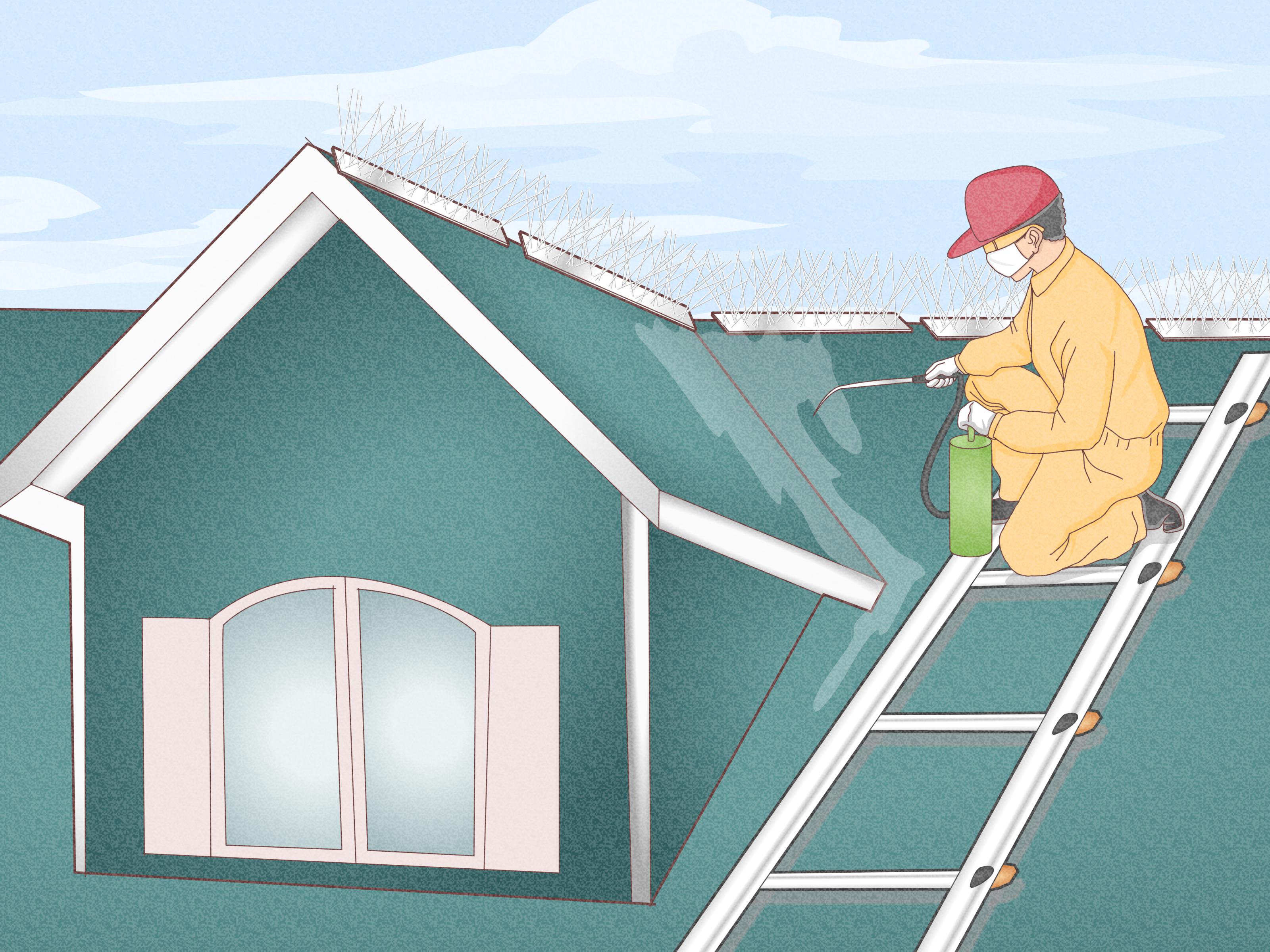
For trees and shrubs, selective pruning may reduce dense cover that attracts roosting birds. For buildings, use humane exclusion tools such as bird spikes, ledge guards, slope panels, or netting installed by professionals. Do not disturb active nests, eggs, or young birds. If the roost is large, near a school, business, hospital, or public walkway, contact a wildlife control professional or local wildlife agency for guidance.
13. Clean Droppings Safely and Reduce Return Signals
Bird droppings are not just ugly; large accumulations can create odor, slippery surfaces, corrosion, and health concerns when contaminated dust is disturbed. Wear gloves, avoid dry sweeping, and wet droppings before cleaning to reduce dust. For large accumulations, especially under long-term roosts, hire trained cleanup professionals.
Cleaning matters because old feeding and roosting areas can keep attracting birds. Once the droppings are removed, install deterrents immediately. Otherwise, the grackles may return and admire your clean surface as a fresh canvas.
What Not to Do When Getting Rid of Grackles
Do Not Use Poison
Poison is dangerous, often illegal, and can harm pets, children, beneficial wildlife, and predators that eat affected birds. It is not a responsible backyard solution.
Do Not Destroy Active Nests
Removing active nests, eggs, or young birds can violate wildlife laws. If nesting is already underway, wait until the birds leave, then block access before the next nesting cycle.
Do Not Rely on One Trick
One shiny ribbon or one seed change may help, but grackle control works best as a system. Combine feeder changes, food cleanup, exclusion, and rotating deterrents for better results.
Best Grackle Deterrent Plan for Homeowners
If you want a simple plan, start here: remove mixed seed, switch to safflower or Nyjer, install caged or weight-sensitive feeders, sweep seed daily, secure trash, remove standing water, and rotate visual deterrents every few days. Watch for one to two weeks and adjust based on what the birds do.
If grackles are only visiting during migration or a seasonal food rush, you may not need permanent changes. Sometimes the best strategy is to pause feeding for a week, clean the area thoroughly, and restart with better feeder design. Grackles are persistent, but they are also practical. If the easy food disappears, they usually move on to a better deal elsewhere.
When to Call a Professional
Call a licensed wildlife control professional if grackles are roosting in large numbers, creating unsafe droppings, damaging commercial property, affecting livestock feed, or causing public health concerns. Professional help is also wise if exclusion work requires ladders, roof access, electrical areas, or complex netting.
For farms, orchards, feedlots, and large commercial properties, integrated bird management may involve habitat modification, exclusion, pyrotechnics, distress calls, trained personnel, and legal compliance steps. Homeowners should not attempt advanced control methods without guidance.
Real-Life Experience: What Actually Works Best Over Time
In everyday backyard situations, the most successful grackle control usually begins with a slightly painful realization: the birds are not the problem as much as the setup is. Grackles are simply responding to what the yard offers. If there is a feeder full of sunflower chips, a tray overflowing with seed, a birdbath nearby, and a trash can with a loose lid, the property is basically running a grackle resort. Checkout time will not happen voluntarily.
A practical experience-based approach is to change only a few things at first, then observe. For example, take down open platform feeders for seven to ten days and replace mixed seed with safflower in a tube feeder with short perches. Sweep the ground every evening. Remove suet temporarily, because grackles often treat suet like dessert. During this reset period, many homeowners notice that smaller birds still visit, but the grackle crowd becomes less intense. The yard feels calmer, and the seed bill stops looking like a monthly utility payment.
Another lesson from real-world grackle control is that timing matters. If you wait until a flock has memorized your yard, invited relatives, and assigned someone to watch the feeder, the job becomes harder. Early action is easier. When the first few grackles begin dominating feeders in spring or during seasonal flocking, change seed and feeder access immediately. A quick response teaches the birds that your yard is not worth the effort.
Visual deterrents can work, but only when they move and change. Reflective tape fluttering in the wind may discourage birds for a while, especially near gardens or roosting shrubs. But if it stays in one place forever, grackles adapt. The same goes for owl decoys. Move them often, pair them with other changes, and do not expect a plastic owl to carry the whole defense strategy. Even birds eventually realize that the owl has not blinked since Tuesday.
The most reliable long-term experience is this: grackle prevention is better than grackle removal. A clean feeding area, smart seed choices, secure garbage, and limited roosting access make your property less attractive before a flock settles in. You do not need to hate grackles. They are clever, native, and even beautiful in the right light. You just need to stop offering them unlimited snacks, comfortable seating, and a private bathroom on your driveway.
Conclusion
Getting rid of grackles is not about declaring war on wildlife. It is about making your yard less rewarding for large, noisy, opportunistic birds while still keeping it friendly for the birds you want to attract. Start with food control, upgrade your feeders, remove easy water and trash access, protect gardens with netting, rotate deterrents, and clean droppings safely. For serious roosting or property-damage problems, get professional help and follow local wildlife rules.
Note: This article focuses on humane, nonlethal grackle deterrents suitable for homeowners. For large roosts, agricultural damage, public health concerns, or any lethal control question, consult local wildlife authorities or a licensed wildlife control professional before taking action.











