
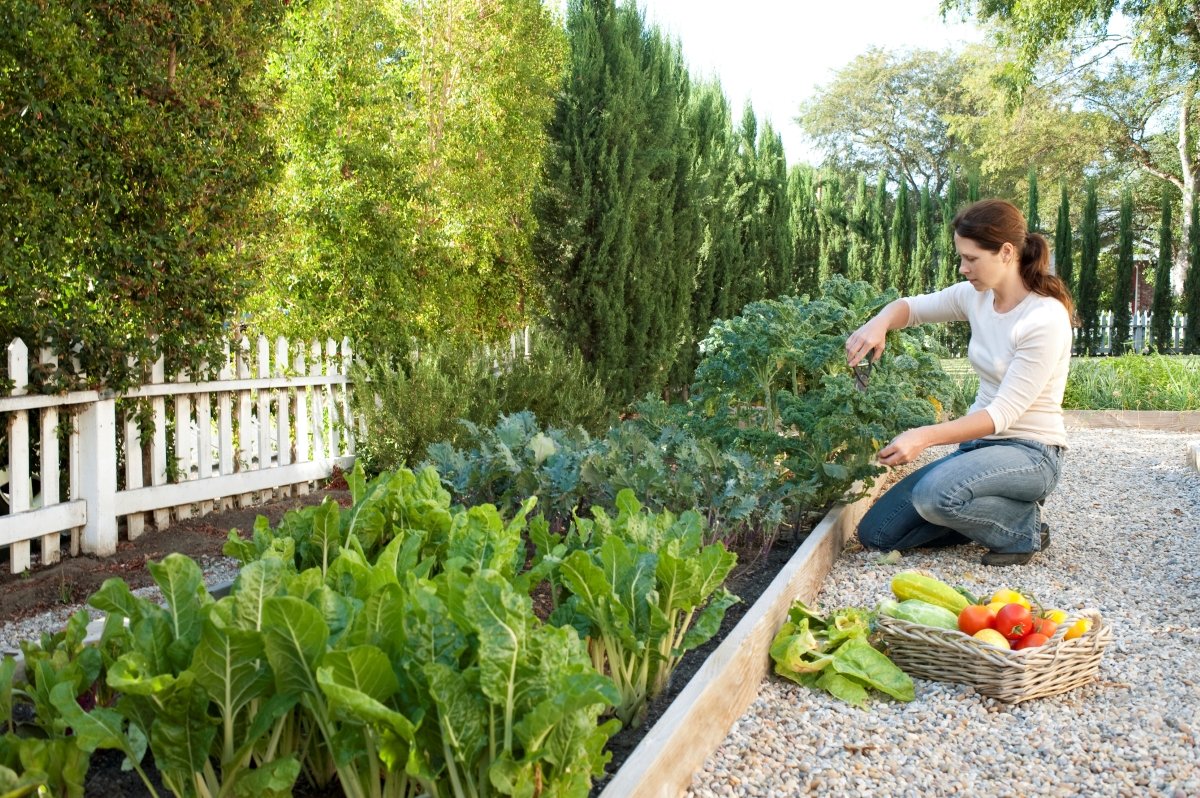
If your dream garden is less “one dramatic harvest basket” and more “fresh salad whenever you feel smug enough to eat one,” a cut and come again garden is your new best friend. This method is exactly what it sounds like: you cut leaves, stems, or shoots, and the plant comes again with new growth. It is the gardening version of a bottomless brunchexcept with fewer mimosas and more chlorophyll.
A cut and come again garden is especially useful for small spaces, busy people, balcony gardeners, and anyone who has ever bought a plastic clamshell of lettuce only to discover it turned into green soup in the fridge two days later. Instead of harvesting an entire plant at once, you pick outer leaves or trim the plant lightly, leaving the growing center alive. With the right crops, soil, watering routine, and harvest technique, you can enjoy repeated harvests from the same planting for weeks or even months.
Below is a complete expert-based guide to growing a productive cut and come again garden, from choosing crops to harvesting correctly, solving common problems, and keeping the harvest going longer than your enthusiasm after buying seed packets in February.
What Is a Cut and Come Again Garden?
A cut and come again garden is a planting system built around crops that regrow after harvesting. The most common examples are leafy greens and herbs, including loose-leaf lettuce, kale, Swiss chard, spinach, arugula, mustard greens, mesclun mixes, parsley, chives, cilantro, and basil.
The secret is growth habit. Many leafy vegetables produce new leaves from the center of the plant while older leaves grow around the outside. When you harvest only the outer leavesor cut the plant above its growing pointthe roots and crown remain healthy enough to push out fresh growth.
This method works beautifully in raised beds, in-ground rows, salad tables, window boxes, grow bags, and containers. You do not need a farm, a tractor, or a straw hat with dramatic main-character energy. A sunny patio and a shallow container can produce a surprising amount of salad.
Why Grow a Cut and Come Again Garden?
It Gives You More Food From Less Space
Cut and come again gardening is ideal when space is limited. Because you harvest gradually, a small bed can feed you repeatedly instead of producing one big harvest and then sitting there looking awkward.
It Reduces Food Waste
Instead of picking a full head of lettuce when you only need two sandwich leaves, you harvest exactly what you plan to eat. The rest keeps growing in the garden, which is basically nature’s refrigerator with better lighting.
It Keeps Greens Tender
Frequent harvesting encourages tender young growth. Many greens taste best when picked young, before leaves become large, tough, bitter, or determined to become compost.
It Is Beginner-Friendly
Loose-leaf greens and herbs are among the easiest edible plants to grow. Many germinate quickly, grow fast, and forgive small mistakes. Not all mistakes, of courseplants are generous, not magical.
Best Crops for a Cut and Come Again Garden
The best cut and come again crops are plants that naturally produce new leaves or shoots after trimming. Choose a mix of cool-season greens, heat-tolerant greens, and herbs for the longest harvest window.
Loose-Leaf Lettuce
Loose-leaf lettuce is the classic cut and come again crop. Unlike head lettuce, it does not need to form a tight head before harvest. You can begin picking leaves once they are large enough to eat, usually when they reach about 3 to 6 inches long.
Good varieties include Black Seeded Simpson, Red Sails, oak leaf types, buttercrunch types, and mixed leaf lettuce blends. Loose-leaf lettuce grows best in cool weather and appreciates consistent moisture.
Spinach
Spinach is fast, nutritious, and excellent for repeat picking when harvested at the baby-leaf stage. It prefers cool conditions and may bolt when days get long and hot. For best results, plant spinach in early spring and again in late summer for a fall crop.
Kale
Kale is a champion of repeated harvests. Pick the lower, outer leaves and leave the top growing point alone. The plant will continue growing upward, producing more leaves over time. Curly kale, lacinato kale, and Red Russian kale are all strong choices.
Swiss Chard
Swiss chard is colorful, productive, and more heat-tolerant than spinach. Harvest the larger outer leaves by cutting them near the base. Leave the smaller inner leaves to keep developing. Rainbow chard also makes your garden look like it hired a stylist.
Arugula
Arugula grows quickly and brings peppery flavor to salads, sandwiches, pizza, and grain bowls. It can be broadcast sown or planted in rows. Harvest baby leaves early for the mildest flavor, because mature arugula can become spicy enough to start a conversation.
Mustard Greens and Mizuna
Mustard greens, mizuna, tatsoi, and other Asian greens are excellent for repeat harvests. They grow quickly in cool weather and add bold flavor to salads and stir-fries. Harvest small leaves for raw eating and larger leaves for cooking.
Mesclun Mix
Mesclun is a seed mix of young salad greens, often including lettuces, arugula, endive, chervil, mustard, spinach, and other tender leaves. It is one of the easiest ways to create a cut and come again salad bed because the seed mix is already designed for variety.
Herbs
Many herbs respond well to regular cutting. Basil becomes bushier when pinched correctly above a leaf node. Chives can be cut near the base and will regrow. Parsley, cilantro, mint, oregano, and thyme can also provide repeated harvests when trimmed thoughtfully.
Where to Plant a Cut and Come Again Garden
Choose Morning Sun When Possible
Most leafy greens need about 4 to 6 hours of sunlight per day, though many do best with morning sun and afternoon shade in hot climates. Full blazing afternoon sun can stress lettuce and spinach, leading to wilting, bitterness, and bolting.
If you live in a cool northern region, full sun is often helpful in spring and fall. If you garden in a hot summer region, shade cloth, patio shade, or planting greens beside taller crops can extend the harvest.
Use Containers If Space Is Tight
Cut and come again crops are perfect for containers because many have shallow root systems. A container 6 to 8 inches deep can grow lettuce, arugula, spinach, and mesclun. Larger containers are better for kale, chard, and mixed plantings because they hold more moisture and nutrients.
Always use containers with drainage holes. Leafy greens like moisture, but they do not enjoy sitting in swampy soil. Roots need air too; they are not tiny aquatic mammals.
Try Raised Beds or Wide Rows
Raised beds warm quickly, drain well, and make harvesting easier. Wide-row planting is especially effective for salad mixes. Instead of planting one thin row, scatter seeds across a wider band, then harvest with scissors as the greens reach baby-leaf size.
How to Prepare the Soil
Leafy greens grow best in fertile, well-drained soil rich in organic matter. Before planting, loosen the top few inches of soil and mix in finished compost. Compost improves moisture retention, drainage, and nutrient availabilitybasically the holy trinity of “please grow nicely.”
For in-ground gardens, a soil test is the best way to know what your garden actually needs. Lettuce and many greens prefer slightly acidic to neutral soil, commonly around a pH of 6.0 to 6.8. If you are growing in containers, use a high-quality potting mix rather than garden soil, which can compact in pots.
Because leafy crops rely on steady leaf production, nitrogen matters. However, more fertilizer is not always better. Too much nitrogen can create soft growth that attracts pests or lacks flavor. A balanced organic fertilizer or compost-based feeding plan is usually enough for home gardens.
How to Plant a Cut and Come Again Garden
Step 1: Pick the Right Season
Most salad greens are cool-season crops. Plant lettuce, spinach, arugula, mustard greens, and mesclun in early spring as soon as the soil can be worked. For a second season, plant again in late summer for fall harvests.
Swiss chard and kale tolerate a wider range of temperatures and can often keep producing into summer with enough water and partial shade. In mild winter areas, some greens can grow through winter with row cover or cold-frame protection.
Step 2: Sow Seeds Shallowly
Most small salad green seeds should be planted shallowly, often about 1/8 to 1/4 inch deep. Arugula can be planted about 1/4 inch deep. Lettuce seeds need light and cool conditions for best germination, so avoid burying them too deeply.
Step 3: Space for Your Harvest Style
If you want baby greens, you can sow seeds more densely and harvest young leaves with scissors. If you want larger plants for repeated outer-leaf picking, thin seedlings to give each plant room to regrow. Lettuce may be spaced about 4 to 8 inches apart for leaf production, while kale and chard need more room.
Step 4: Keep Seeds Moist
Seeds and young seedlings need consistent moisture. Water gently so you do not blast seeds into the next county. A watering can with a rose head, mist setting, or gentle hose nozzle works well.
Succession Planting: The Secret to Never-Ending Salad
Even cut and come again crops eventually slow down, bolt, get tired, or decide their life purpose is to make flowers instead of lunch. That is where succession planting comes in.
Succession planting means sowing small amounts of seed at regular intervals instead of planting everything at once. For lettuce, arugula, spinach, and mesclun, sow a new patch every 1 to 3 weeks during favorable weather. This keeps young plants coming along as older ones fade.
A simple schedule might look like this:
- Week 1: Plant lettuce, arugula, and spinach.
- Week 3: Plant another small patch of lettuce and mesclun.
- Week 5: Plant more arugula and mustard greens.
- Late summer: Restart cool-season greens for fall harvest.
This strategy gives you steady harvests rather than the classic gardener problem of having no lettuce, then 47 lettuces, then no lettuce again.
How to Harvest Cut and Come Again Crops
Harvest in the Morning
Morning is the best time to harvest leafy greens. Leaves are usually crisp after a cool night and before the sun causes wilting. Bring scissors, a basket, and just enough confidence to feel like a person in a gardening catalog.
Use the Outer-Leaf Method
For lettuce, kale, chard, spinach, mustard greens, and many Asian greens, harvest the larger outer leaves first. Leave the small inner leaves and central growing point intact. This allows the plant to continue producing.
Do Not Take Too Much at Once
A helpful rule is to avoid removing more than one-third of the plant at one time. Taking too much leaf area reduces the plant’s ability to photosynthesize and recover. It is like asking someone to run a marathon after stealing their shoes.
Use Clean Scissors or a Sharp Knife
Clean cuts heal better than torn leaves. Use scissors, garden snips, or a sharp knife. For baby greens, you can cut the leaves about 1 inch above the soil line, leaving the growing point to regrow. Depending on the crop and conditions, a second harvest may be ready in a few weeks.
Harvest Herbs the Right Way
For basil, pinch or cut stems just above a pair of leaves to encourage branching. For chives, cut leaves close to the base, leaving about 1 to 2 inches. For parsley, harvest outer stems near the base rather than clipping random leaf tops. For mint, oregano, and thyme, trim regularly to prevent legginess.
Watering and Feeding for Continuous Growth
Cut and come again crops need steady moisture because repeated leaf production takes energy. Lettuce, spinach, and mesclun have shallow roots and can wilt quickly in dry weather. Keep soil evenly moist but not waterlogged.
Containers dry out faster than garden beds, especially in wind, sun, and warm temperatures. Check pots daily during hot spells. If the top inch of potting mix feels dry, water deeply until excess water drains from the bottom.
Mulch can help stabilize soil moisture. Use straw, shredded leaves, untreated grass clippings, or compost around established plants. Mulch also keeps leaves cleaner and reduces soil splash during watering.
After several harvests, plants may benefit from a light feeding. A diluted liquid organic fertilizer, compost tea, or side-dressing of compost can support fresh regrowth. Avoid overfeeding, especially in hot weather, when stressed greens may bolt anyway.
How to Prevent Bolting
Bolting happens when a plant shifts from leaf production to flowering and seed production. Lettuce, spinach, cilantro, arugula, and mustard greens are especially prone to bolting in heat or long days. Once bolting begins, leaves often become bitter, tough, or less pleasant.
To delay bolting:
- Plant cool-season crops in spring and fall.
- Choose slow-bolting or heat-tolerant varieties.
- Provide afternoon shade in warm weather.
- Keep soil consistently moist.
- Harvest regularly to encourage fresh leaf growth.
- Use succession planting so replacements are ready.
When a plant bolts, do not take it personally. Compost it, feed it to chickens if appropriate, or let a few flowers support pollinators. Then replant. Gardening is mostly optimism with a trowel.
Common Problems and Expert Fixes
Problem: Leaves Taste Bitter
Bitter greens are often caused by heat, drought stress, age, or bolting. Harvest younger leaves, water consistently, and plant cool-season crops during cooler months. In summer, switch to more heat-tolerant greens like Swiss chard, Malabar spinach, or kale with shade.
Problem: Slugs Are Eating Everything
Slugs love tender greens almost as much as gardeners do, which is rude. Reduce hiding places, remove decaying leaves, water in the morning rather than at night, and use traps or barriers where needed. Raised containers can also reduce slug pressure.
Problem: Aphids Appear on New Growth
Aphids cluster on tender leaves and stems. Rinse them off with water, remove heavily infested leaves, encourage beneficial insects, and use lightweight row cover early in the season to prevent pest access.
Problem: Plants Stop Regrowing
Plants may stop regrowing if they are too old, too hot, underfed, crowded, dry, or harvested too aggressively. Refresh the bed with compost, sow a new succession crop, and harvest less severely next time.
Problem: Seedlings Are Weak and Spindly
Weak seedlings often need more light or better spacing. Thin crowded seedlings, move containers to brighter locations, or use grow lights indoors. Good airflow also helps prevent disease.
Cut and Come Again Garden Design Ideas
The Balcony Salad Bowl
Use a wide, shallow container with drainage holes. Fill it with potting mix, sow mesclun, arugula, and leaf lettuce, and place it where it receives morning sun. Harvest with scissors when leaves reach 4 to 6 inches tall.
The Raised Bed Salad Bar
Divide a raised bed into sections. Plant lettuce in one square, spinach in another, kale and chard along the back, and herbs along the edges. Replant one section every few weeks for continuous production.
The Kitchen Door Herb Patch
Plant chives, parsley, basil, thyme, oregano, and mint near the kitchen. Keep mint in a container unless you want it to invade like a tiny green empire. Harvest herbs regularly to keep them compact and productive.
The Cool-Season Power Bed
In early spring or late summer, plant spinach, arugula, mustard greens, tatsoi, mizuna, and lettuce. Add row cover to protect young seedlings from pests and temperature swings.
Best Expert Tips for Bigger Harvests
- Start small: A 2-by-2-foot salad bed can teach you the method without overwhelming you.
- Harvest often: Frequent light harvests produce better results than rare heavy cuts.
- Protect the crown: Never cut into the central growing point unless you are harvesting the whole plant.
- Use compost: Healthy soil produces faster regrowth and better flavor.
- Water consistently: Dry soil leads to stress, bitterness, and bolting.
- Grow varieties, not just one crop: Lettuce may fade in heat, while chard keeps going.
- Replant before you need to: Succession sowing is the difference between “fresh salad” and “sad empty bed.”
Experience-Based Notes: What Growing a Cut and Come Again Garden Teaches You
After growing cut and come again crops for a while, you begin to understand that this method is less about one perfect harvest and more about rhythm. It changes how you see the garden. Instead of waiting for a crop to reach some grand final moment, you start noticing small windows of readiness: the lettuce leaf that is finally sandwich-sized, the basil stem that needs pinching, the chard leaf shading the young growth beneath it.
One of the biggest lessons is that harvesting is not the end of plant care. In a cut and come again garden, harvesting is part of the care routine. When you remove older leaves, you improve airflow, reduce crowding, and make room for new growth. The garden looks better after a thoughtful harvest, not worse. It is a little like giving the plants a haircut, except nobody asks for bangs and regrets it immediately.
Another practical lesson is that small harvests add up. At first, picking a handful of arugula or six lettuce leaves may feel too minor to matter. But those small harvests become salads, taco toppings, omelet fillings, wraps, herb sauces, pasta finishes, and quick side dishes. A cut and come again garden quietly changes meals. You start adding greens because they are there, fresh and easy. The garden removes the friction between “I should eat more vegetables” and actually doing it.
Beginners often make the mistake of waiting too long. They want the leaves to get bigger, because bigger feels more successful. But with many greens, younger is better. Young leaves are more tender, sweeter, and quicker to regrow after harvest. Waiting too long can invite bitterness, pests, or bolting. A good rule from experience is simple: when the plant looks ready enough to eat, eat some. Do not wait for a magazine-cover moment. Dinner does not care.
Watering also becomes more intuitive over time. Cut and come again gardens are productive because they keep making leaves, and leaves are mostly water. If the soil dries out repeatedly, regrowth slows down and flavor suffers. Containers especially teach this lesson fast. A shallow salad bowl on a sunny patio can go from perky to theatrical in one afternoon. Checking soil with a finger becomes more useful than following a rigid calendar.
The most successful gardens usually include backup plans. Lettuce is wonderful in spring, but it may lose enthusiasm in summer. Spinach can be glorious and then bolt practically overnight. Cilantro behaves like it has urgent travel plans. That is why experienced gardeners plant in waves and mix crops with different strengths. When lettuce slows, Swiss chard carries the team. When arugula gets too spicy, basil steps in. When spinach bolts, kale shrugs and keeps growing.
Perhaps the best experience-based advice is to keep your cut and come again garden close to where you cook. A bed at the far edge of the yard is lovely, but a container near the kitchen door gets harvested more often. Convenience matters. The easier it is to grab scissors and snip a few leaves, the more useful the garden becomes.
Finally, this style of gardening teaches patience without demanding perfection. Some crops will bolt. Some seedlings will vanish. Some lettuce will get holes, because apparently slugs also appreciate farm-to-table dining. But the system is forgiving. You can resow, trim, water, compost, shade, and try again. A cut and come again garden is not a one-shot performance. It is a living pantry that rewards attention, curiosity, and the occasional willingness to eat salad for breakfast because the greens looked too good to ignore.
Conclusion
A cut and come again garden is one of the smartest ways to grow fresh food at home. By choosing regrowing crops, harvesting outer leaves, protecting the central growing point, watering consistently, and succession planting, you can turn a small space into a steady source of greens and herbs.
This method works because it matches how many leafy plants naturally grow. Instead of pulling the whole plant, you harvest in partnership with it. You take a little, the plant recovers, and dinner improves. That is a pretty good arrangementespecially for anyone who enjoys fresh lettuce but does not enjoy paying premium prices for leaves that expire faster than a group chat plan.
Start with loose-leaf lettuce, arugula, spinach, kale, Swiss chard, and a few herbs. Keep the soil moist, harvest lightly and often, and plant new seeds every couple of weeks during the right season. Before long, you will have a garden that keeps givingand a salad bowl that finally has a reason to feel important.













