
Note: This article is written as original, web-ready content based on real indoor herb-growing practices. No source links or unnecessary reference markers are embedded in the article body.
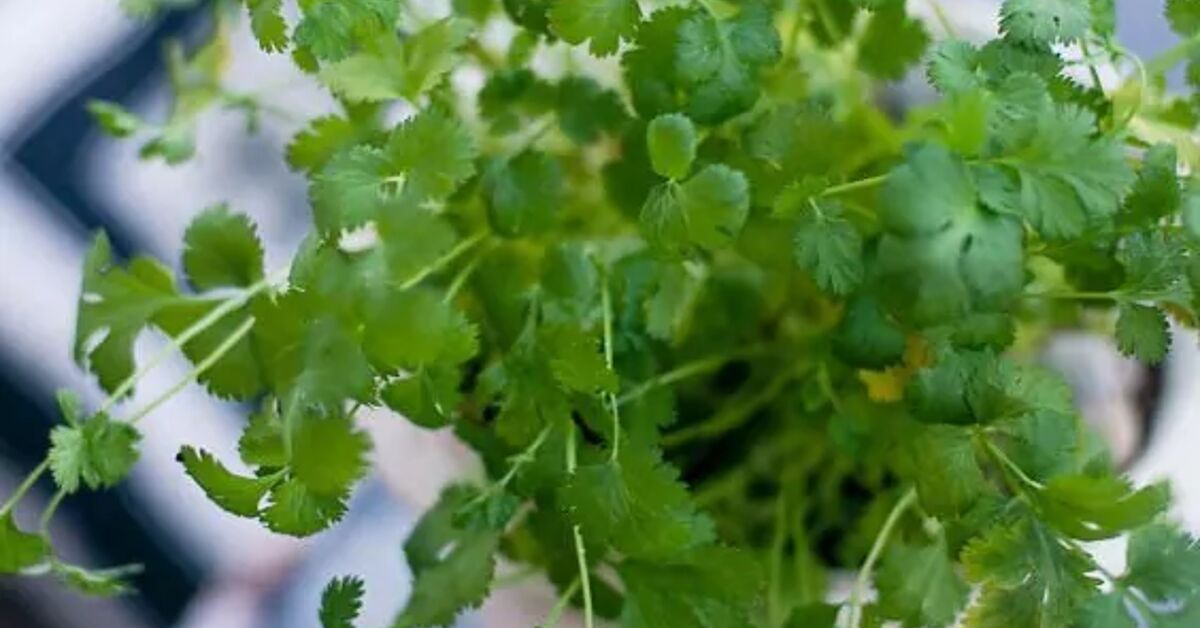
Cilantro is the herb that walks into a kitchen and immediately makes tacos, curries, soups, salads, and noodle bowls taste like they have a passport. The catch? It can also be a little dramatic. One week it is lush and leafy; the next, it is reaching for the ceiling like it has suddenly remembered an urgent appointment with destiny. That sudden flowering is called bolting, and it is one of the main reasons many home gardeners think cilantro is hard to grow.
The good news is that growing cilantro indoors is absolutely possible when you understand what the plant wants: bright light, steady moisture, excellent drainage, cool-to-moderate temperatures, and a planting schedule that keeps fresh seedlings coming. Cilantro is not a “plant it once and forget it for six months” herb like rosemary or thyme. It is a fast-growing annual, which means the smarter strategy is to grow it in waves. Think of it less like adopting a houseplant and more like running a tiny, delicious herb relay team on your windowsill.
In this guide, you will learn how to grow cilantro indoors from seed, how to choose the right container, how much light it needs, when to water, how to prevent bolting, and how to harvest it for the best flavor. By the end, your grocery-store cilantro bundle may start feeling nervous.
What Makes Cilantro Different from Other Indoor Herbs?
Cilantro comes from the plant Coriandrum sativum. The leafy green part is called cilantro, while the dried seeds are known as coriander. Same plant, two culinary personalities. Cilantro leaves are bright, citrusy, and fresh, while coriander seeds are warm, slightly nutty, and often used in spice blends, pickling, curries, and baking.
Unlike many perennial herbs, cilantro grows quickly and finishes its life cycle quickly. It prefers cooler conditions and tends to bolt when temperatures rise, days get long, or the plant becomes stressed. Indoors, you have one major advantage: you can control the environment better than you can in an outdoor garden. You can move the pot away from a hot window, add a grow light during winter, and plant fresh seeds every few weeks.
The biggest mindset shift is this: indoor cilantro is best grown as a repeat crop. Instead of trying to keep one plant alive forever, keep planting small batches. This gives you tender leaves more often and reduces the heartbreak of watching your only cilantro plant turn into a tiny umbrella-shaped flower tower.
Best Indoor Conditions for Cilantro
Light: Bright Is Right
Cilantro needs strong light to grow full, flavorful leaves. A sunny south-facing window is ideal, while an east- or west-facing window may work if it receives several hours of direct sun. In many homes, especially during winter, window light alone is not enough. When cilantro does not receive enough light, it becomes leggy, pale, and weak, which is plant language for “please stop making me live in a cave.”
For the best results, use an LED or fluorescent grow light for about 12 to 16 hours per day. Keep the light close enough to prevent stretching, but not so close that it heats or burns the leaves. A simple timer makes this easy. Cilantro also needs a dark period each night, so do not leave the lights on 24 hours a day.
Temperature: Keep It Comfortable, Not Toasty
Cilantro prefers cool-to-moderate temperatures. Most indoor homes are suitable, but avoid placing the pot near heaters, ovens, hot appliances, or a window that bakes in intense afternoon sun. Warm stress encourages bolting. If your kitchen windowsill becomes hot enough to make butter nervous, your cilantro probably wants a cooler spot.
A temperature range around 60 to 75 degrees Fahrenheit is generally friendly for indoor cilantro. It can tolerate cooler conditions, but excessive heat pushes the plant toward flowering. This is why cilantro often performs better indoors during fall, winter, and spring than during a blazing summer window season.
Airflow: Gentle Movement Helps
Indoor herbs like fresh air. You do not need a wind tunnel, but stagnant air can encourage fungal problems, especially when soil stays too wet. A small fan on a low setting nearby can help seedlings grow sturdier stems. Good spacing, clean containers, and careful watering also keep problems away.
Choosing the Right Pot for Indoor Cilantro
Cilantro develops a taproot, so it appreciates a container with some depth. A pot that is at least 6 inches deep can work, but 8 to 10 inches is even better. If you want a thicker harvest, choose a wider container or a rectangular planter so you can sow several seeds at once.
The most important feature is drainage. The container must have holes at the bottom. Cilantro dislikes soggy soil, and poor drainage can lead to root rot or weak seedlings. If your decorative pot has no drainage hole, use it as a cachepot: place a smaller draining pot inside it and remove the inner pot when watering.
Use a light, well-draining potting mix rather than heavy garden soil. Indoor potting mix is designed to hold moisture without becoming dense and muddy. You can improve drainage by adding perlite or using a seed-starting mix for germination, then moving seedlings into a richer potting mix once they are established. However, because cilantro dislikes root disturbance, many gardeners prefer to sow seeds directly into the final container.
How to Grow Cilantro Indoors from Seed
Growing cilantro from seed is usually the best indoor method. Nursery plants can work, but cilantro often dislikes transplanting, and store-bought herb pots may already be crowded or stressed. Seeds give you control from day one.
Step 1: Prepare the Container
Fill your pot with moist potting mix, leaving about half an inch of space at the top. The mix should feel damp like a wrung-out sponge, not wet like soup. If water pools on the surface, the soil is too compact or too saturated.
Step 2: Sow the Seeds
Sow cilantro seeds about 1/4 to 1/2 inch deep. You can plant them fairly close together if you plan to harvest young leaves. For larger plants, thin seedlings so they have more room. In a small indoor container, a practical approach is to sprinkle seeds evenly, cover lightly, and thin only the weakest seedlings after germination.
Step 3: Keep the Soil Evenly Moist
During germination, keep the soil consistently moist. Do not let the top layer dry into a crust. At the same time, avoid overwatering. A spray bottle or gentle watering can helps prevent seeds from washing around the container like they are on a lazy river.
Step 4: Provide Warmth for Germination
Cilantro seeds usually germinate best in mild warmth. Many seeds sprout within one to three weeks depending on seed freshness, soil temperature, and moisture. Once seedlings emerge, move them immediately into strong light so they do not stretch.
Step 5: Thin and Grow
When seedlings have a few true leaves, thin overcrowded areas if needed. You can snip extras at soil level and use them as microgreens. Avoid pulling seedlings roughly, because that may disturb nearby roots.
Watering Cilantro Indoors Without Drowning It
Watering is where many indoor herb gardens go from “cute kitchen project” to “tiny swamp tragedy.” Cilantro likes steady moisture, but it does not want its roots sitting in wet soil. Check the soil with your finger. When the top half inch to one inch feels dry, water thoroughly until excess water drains from the bottom. Then let the pot drain completely before returning it to its saucer.
Do not water on a strict calendar. Indoor conditions change with season, pot size, humidity, light, and temperature. A plant under a grow light may dry faster than one in a cool window. A clay pot may dry faster than a plastic one. The finger test is more reliable than guessing.
Yellow leaves, limp stems, fungus gnats, and sour-smelling soil can be signs of overwatering. Crispy edges, drooping during dry soil conditions, and slow growth can point to underwatering. When in doubt, aim for evenly moist, never soggy.
Feeding Indoor Cilantro
Cilantro does not need heavy fertilizer. In fact, too much nitrogen can encourage soft growth and may reduce the intensity of the flavor. If your potting mix already contains nutrients, wait a few weeks before feeding. After seedlings are established, you can use a balanced liquid fertilizer at half strength every few weeks, especially if you are growing under lights and harvesting regularly.
More fertilizer does not mean more flavor. Cilantro is not a teenage athlete drinking protein shakes. Keep feeding modest and focus on light, water, and fresh sowings.
How to Prevent Cilantro from Bolting Indoors
Bolting is when cilantro switches from producing leafy growth to producing flowers and seeds. It is natural, not a failure. However, if your goal is fresh leaves, you want to delay it as long as possible.
Keep the Plant Cool
Avoid hot windowsills, heater vents, and heat mats after germination. Warmth helps seeds sprout, but mature cilantro prefers cooler conditions.
Harvest Often
Regular harvesting encourages leafy growth and keeps the plant productive. Once the plant is about 6 inches tall, begin snipping outer stems. Do not remove all leaves at once. Taking about one-third of the plant at a time is a safe rule for continued growth.
Plant in Succession
The most reliable way to have cilantro year-round is to sow new seeds every two to three weeks. This way, when one batch begins to bolt, another is just entering harvest mode. This method is simple, efficient, and emotionally healthier than yelling at a flowering cilantro plant.
Choose Slow-Bolt Varieties
Some varieties are bred to resist bolting longer than standard cilantro. Look for seed packets labeled “slow-bolt,” “Santo,” or similar leaf-focused types. They will not live forever, but they can extend your harvest window.
How to Harvest Cilantro So It Keeps Growing
Start harvesting when plants are about 6 inches tall and have enough leafy growth to recover. Use clean scissors and cut outer stems near the base. The outer leaves are usually ready first, while the center continues producing new growth.
For small garnishes, snip a few stems as needed. For a bigger harvest, cut several outer stems but leave enough foliage behind. If you remove too much at once, the plant may struggle to regrow. Fresh cilantro is most flavorful when used soon after harvesting, so pick it close to cooking time when possible.
If the plant begins to flower, the leaves may become thinner and the flavor may change. You can still use the leaves, flowers, and green seeds. The flowers are edible and attractive, while the mature dry seeds become coriander. In other words, bolting is not the end of the story; it is just the plant changing departments.
Indoor Cilantro Growing Schedule for Year-Round Flavor
For a steady kitchen supply, use a rotating container system. Start one pot today. Start a second pot two to three weeks later. Start a third pot two to three weeks after that. By the time your first pot slows down, the second or third should be ready for harvesting.
A simple three-pot system works well:
- Pot A: mature plants for current harvesting
- Pot B: young seedlings growing into the next harvest
- Pot C: freshly sown seeds beginning the cycle
This method is especially useful in winter when fresh herbs at the store can be expensive, wilted, or mysteriously wet in the bag. With indoor succession planting, you can harvest exactly what you need for salsa, guacamole, pho, chutney, rice bowls, and roasted vegetables.
Common Indoor Cilantro Problems and Fixes
Problem: Seedlings Are Tall and Floppy
This usually means insufficient light. Move the pot to a brighter window or place seedlings under a grow light. Keep the light close enough to prevent stretching and run it for 12 to 16 hours daily.
Problem: Leaves Are Yellow
Yellow leaves can come from overwatering, poor drainage, low nutrients, or old growth. Check the soil first. If it is soggy, reduce watering and make sure the pot drains well. If the plant is established and actively growing, a light feeding may help.
Problem: Cilantro Bolts Too Fast
Heat, stress, long days, dryness, and maturity can all trigger bolting. Move the plant to a cooler location, harvest more often, and start new seeds every few weeks. Slow-bolt varieties can also help.
Problem: Fungus Gnats Appear
Fungus gnats usually show up when soil stays too wet. Let the top layer dry slightly between waterings, improve airflow, and avoid leaving water in saucers. Fresh, sterile potting mix helps prevent many indoor seedling problems.
Problem: Cilantro Tastes Weak
Weak flavor can happen when plants grow too fast in overly rich conditions or receive too little light. Give the plant brighter light, avoid overfertilizing, and harvest leaves when they are young and fresh.
Best Ways to Use Fresh Indoor Cilantro
Fresh cilantro is best added near the end of cooking or used raw. Heat softens its bright flavor, so sprinkle it over finished dishes rather than boiling it for a long time. Use it in tacos, salsa verde, guacamole, lentil soup, Thai curry, Vietnamese noodle bowls, Indian chutneys, bean salads, grilled corn, scrambled eggs, and lime rice.
The stems are edible too. In fact, cilantro stems carry strong flavor and are excellent chopped into sauces, marinades, and soups. If you have been throwing them away, your cutting board deserves a sincere apology.
Experience Notes: What Growing Cilantro Indoors Teaches You
The first real lesson of growing cilantro indoors is humility. You can set up the perfect pot, whisper encouraging words, and still wake up one morning to find your cilantro reaching skyward like it has joined a ballet company. That does not mean you failed. Cilantro simply has a fast life cycle. Once you accept that, the whole process becomes easier and more fun.
One practical experience is that light matters more than almost anything else. A bright-looking room may still be too dim for herbs. Human eyes adjust to low light; plants do not. Cilantro grown on a weak windowsill often looks thin, pale, and stretched. Add a basic grow light, and the difference can be dramatic. The seedlings stand stronger, the leaves look fuller, and the plant becomes much more useful in the kitchen.
Another lesson is that small, repeated sowings beat one giant planting. Many beginners fill one container with cilantro, harvest from it for a short time, and then feel disappointed when it bolts. A better experience comes from planting a pinch of seeds every few weeks. It feels almost too simple, but it works. You stop depending on one plant and start managing a continuous supply. That is the secret behind year-round indoor cilantro: not one immortal plant, but many short-lived plants grown in rhythm.
Watering also becomes easier with practice. At first, it is tempting to water every day because seedlings look delicate. But cilantro roots need oxygen as much as they need moisture. The best routine is to check the soil, water deeply when needed, and let extra water drain away. Once you learn the weight of a properly watered pot, you can often tell by lifting it whether the plant needs a drink.
Harvesting teaches patience and restraint. Cutting a few outer stems feels less exciting than chopping the whole plant, but it helps the plant keep producing. For the best flavor, harvest right before cooking. There is a big difference between cilantro that traveled through a grocery supply chain and cilantro that went from pot to cutting board in thirty seconds. Fresh indoor cilantro has a lively aroma that makes even simple rice and beans taste intentional.
Finally, bolting becomes less annoying once you learn to use the whole plant. Flowers can garnish salads. Green seeds have a bright, surprising flavor. Mature dried seeds become coriander. Even when cilantro changes form, it still gives something back. Growing it indoors is not about forcing perfection; it is about creating a small, reliable flavor station in your home. Keep the light strong, the soil well drained, the temperature moderate, and the sowings regular. Do that, and fresh cilantro becomes less of a supermarket gamble and more of a kitchen habit.
Conclusion
Learning how to grow cilantro indoors for fresh flavor year-round is less complicated than it first appears. The key is to work with the plant’s natural personality instead of fighting it. Cilantro grows fast, prefers cooler conditions, dislikes soggy roots, and eventually wants to flower. Give it bright light, a draining container, light potting mix, steady moisture, and modest feeding. Then plant new seeds every two to three weeks so your harvest continues even when older plants slow down.
With a simple windowsill or grow-light setup, you can keep fresh cilantro close to your cutting board in every season. Your tacos will be happier. Your soups will be brighter. Your grocery list will be shorter. And your kitchen will smell like you know exactly what you are doingeven on nights when dinner is mostly leftovers wearing a lime wedge.











