
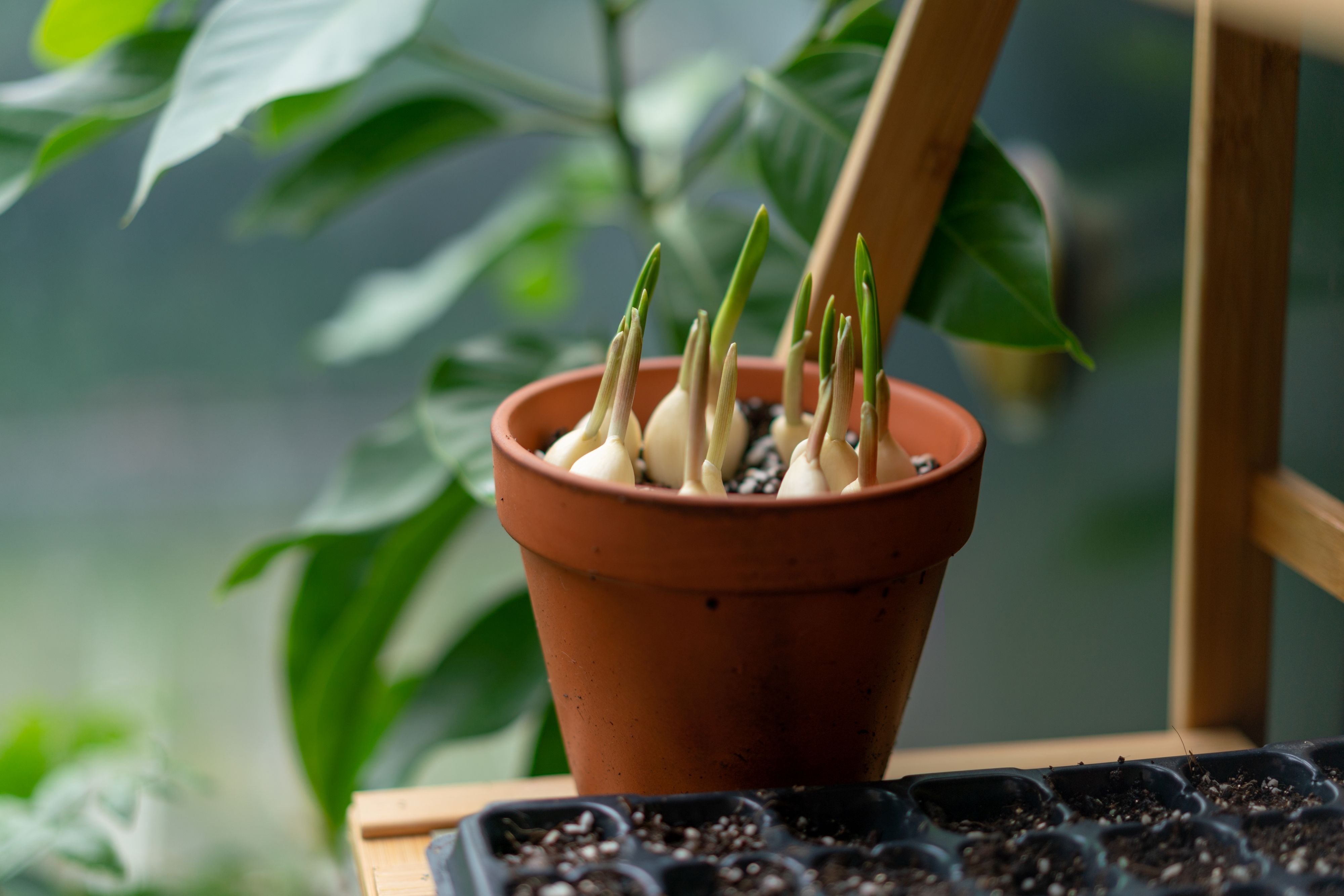
Growing garlic indoors is one of those wonderfully low-drama gardening projects that makes you feel productive even if your “garden” is a windowsill, a mug, and a mildly suspicious clove from the pantry. The best part? Garlic gives you two different goals: quick, flavorful garlic greens in a few weeks or a longer, more patient attempt at growing bulbs later.
Let’s be clear from the start: indoor garlic greens are the easy win. They grow fast, taste fresh, and require very little space. Full garlic bulbs, however, are the slow-cooker version of gardening. They need strong light, enough root room, steady care, and usually a cold period to form properly. Still, with the right setup, you can enjoy both: snip garlicky shoots for eggs, noodles, soups, and stir-fries now, then move selected plants outdoors or grow them under strong indoor lights for a later bulb harvest.
This guide walks through how to grow garlic indoors from cloves, how to harvest garlic greens without ruining the plant too early, and what to do if your real dream is a plump bulb instead of a cheerful pot of edible green spikes.
Garlic Greens vs. Garlic Bulbs: Know What You Are Growing
Before you plant anything, decide your goal. Garlic can be grown indoors for two main harvests, and they behave very differently.
Fast-Growing Garlic Greens
Garlic greens are the tender shoots that sprout from garlic cloves. They taste like a milder mix of garlic, scallion, and chives. You can usually begin snipping them when they reach about 6 to 8 inches tall. They are perfect for people who want a quick kitchen harvest without waiting months.
For greens, you do not need a huge container. A shallow pot with drainage can work, especially if you are growing cloves close together and treating them like a cut-and-come-again herb. The cloves will eventually run out of stored energy, but before they do, they can provide several small harvests.
Garlic Bulbs Later
Growing full garlic bulbs indoors is more demanding. A garlic bulb is not simply a clove that gets bigger. The plant needs time, light, root space, and the right seasonal signals. Many garlic varieties form bulbs best after exposure to cold temperatures, a process often called vernalization. Without enough cold, the plant may grow leaves but fail to divide into a good bulb.
If you want bulbs, choose healthy seed garlic from a nursery, garden center, farmers market grower, or reputable supplier rather than relying only on supermarket garlic. Grocery garlic can sprout, but it may be treated to slow sprouting, may not be adapted to your region, and can sometimes carry disease. For greens, grocery garlic is often fine for a fun kitchen project. For serious bulb production, start with better planting stock.
What You Need to Grow Garlic Indoors
Garlic is not fancy. It does not ask for a greenhouse, a velvet rope, or a playlist of classical music. But it does need the basics done well.
1. Garlic Cloves
Use firm, large cloves with no mold, soft spots, or shriveled areas. Larger cloves generally have more stored energy, which helps produce stronger shoots and better potential bulbs. Keep the papery skin on each clove. It protects the clove and reduces damage during planting.
2. A Container With Drainage
Drainage is non-negotiable. Garlic dislikes sitting in soggy soil. For greens, a container 4 to 6 inches deep is usually enough. For bulbs, use a pot at least 8 to 12 inches deep so roots can develop well. Wider containers are useful because garlic needs spacing if you want bulbs later.
Good options include terra-cotta pots, plastic nursery pots, window boxes, grow bags, or reused food-safe containers with holes added to the bottom. Place a saucer underneath to protect your windowsill or counter.
3. Light Potting Mix
Use a quality potting mix, not heavy garden soil. Garden soil can compact in containers, drain poorly, and bring indoor guests you did not invite, such as fungus gnats. Garlic likes loose, fertile, well-drained growing media. If you are growing bulbs, mix in a little compost or use a potting mix designed for vegetables.
4. Strong Light
Garlic needs bright light to grow well. A sunny south-facing window can work for greens, especially in bright seasons. In winter or low-light homes, a grow light makes a huge difference. Aim for 6 to 8 hours of strong light daily for greens and closer to 10 to 12 hours if you are trying to produce bulbs indoors.
5. Water and Patience
Water garlic when the top inch of soil feels dry. The soil should stay lightly moist, not soaked. If the pot smells sour, grows mold, or feels swampy, you are watering too much. Garlic enjoys moisture, but it does not want to audition for a waterlogged swamp documentary.
How to Plant Garlic Indoors for Fast Greens
This is the easiest method and the best one for beginners. It is also the most rewarding if you cook often and like fresh flavor.
Step 1: Separate the Cloves
Break apart a garlic bulb into individual cloves. Choose the fattest, healthiest cloves. Do not peel them. The pointed end should face up; the flatter root end should face down.
Step 2: Fill the Pot
Add moist potting mix to your container. Leave about 1 inch of space at the top so water does not spill over every time you care for the plants.
Step 3: Plant Close Together
For greens, cloves can be planted fairly close together, about 1 to 2 inches apart. Push each clove into the soil so the top is just covered or slightly visible. If you prefer sturdier growth, plant them about 1 inch deep.
Step 4: Place in Bright Light
Set the pot in the brightest window you have or under a grow light. Within one to two weeks, you should see green shoots emerging if the cloves are viable.
Step 5: Harvest the Greens
When shoots reach 6 to 8 inches tall, snip only the top third with clean scissors. Leave at least 2 to 3 inches of green growth so the plant can keep photosynthesizing. You can usually harvest again, but the flavor and vigor may decline over time as the clove uses up its stored energy.
How to Grow Garlic Indoors for Bulbs Later
If you want real garlic bulbs, think of indoor growing as a longer project. It can work, but it requires better spacing, deeper containers, stronger light, and more patience.
Choose the Right Garlic Type
Garlic generally falls into two major categories: hardneck and softneck. Hardneck garlic often grows well in colder climates and produces a flower stalk called a scape. Softneck garlic is common in grocery stores and often stores longer. For indoor growing, either can produce greens, but bulb production depends on whether the variety gets enough cold and light.
Give Cloves a Cold Period
If your garlic has not already been chilled, place cloves in the refrigerator for several weeks before planting, especially if you are growing hardneck types. Keep them dry and away from fruit that releases ethylene gas, such as apples. This cold exposure helps encourage proper bulb formation later.
Use Proper Spacing
For bulbs, plant cloves 4 to 6 inches apart. If the cloves are crowded, they may still grow leaves, but the bulbs will be smaller. Plant each clove about 2 inches deep with the pointed end up. A deep window box or large grow bag works better than a small decorative pot.
Feed Lightly but Consistently
Garlic is a moderate to heavy feeder when grown for bulbs. Use a balanced organic fertilizer or diluted liquid vegetable fertilizer once growth is established. Avoid overdoing nitrogen late in the season because too much leafy growth can come at the expense of bulb development.
Move Outdoors If Possible
Indoor garlic grown for bulbs often benefits from being moved outdoors when temperatures and conditions are suitable. Outdoor sun is stronger than most windows, and garlic naturally follows seasonal cues. If you start garlic indoors, harden it off gradually before moving it outside. A sudden move from cozy kitchen window to blazing patio sun can shock the leaves.
Best Indoor Conditions for Healthy Garlic
Garlic is fairly forgiving, but indoor environments create a few challenges. Light is weaker, air can be dry, and pots dry unevenly. Here is how to keep your garlic happy.
Light
Place garlic in the brightest spot available. Thin, pale, floppy greens usually mean the plant needs more light. If the shoots lean dramatically toward the window, rotate the pot every few days.
Temperature
Garlic greens grow well at typical indoor temperatures. For bulb development, cooler periods are helpful. Avoid placing pots directly beside heaters, radiators, or hot appliances. Warm, dry air can stress the plants and dry the soil too quickly.
Watering
Check soil with your finger before watering. If the top inch is dry, water until moisture drains from the bottom. Empty the saucer after watering. Constantly wet soil can rot cloves before they become productive plants.
Airflow
Good airflow helps reduce mold and fungal problems. Do not crowd too many pots into a dark, damp corner. If you see fuzzy mold on the soil surface, remove it, improve airflow, reduce watering, and consider adding more light.
How to Harvest Garlic Greens
Garlic greens are best harvested young and tender. Snip with clean scissors when shoots are about 6 to 8 inches tall. Use them fresh because their flavor is brightest right after cutting.
Add chopped garlic greens to scrambled eggs, omelets, baked potatoes, ramen, fried rice, soups, salad dressings, compound butter, or roasted vegetables. They are especially useful when you want garlic flavor without the sharp punch of raw cloves.
If you are growing for bulbs, harvest greens sparingly. Every leaf helps feed the developing bulb. Taking too much foliage is like asking the plant to run a marathon while stealing its lunch.
When and How to Harvest Garlic Bulbs
Garlic bulbs take months, not weeks. Outdoor fall-planted garlic is often harvested in summer when several lower leaves have turned brown but some upper leaves remain green. Indoors, timing is less predictable, especially if light is limited.
Signs that garlic may be ready include yellowing lower leaves, reduced new growth, and a visible swelling at the base of the plant. Gently loosen the soil and check one plant before harvesting the whole container. If the bulb is still tiny, give the others more time.
After harvesting, brush off excess soil but do not wash the bulbs if you plan to store them. Cure garlic in a dry, shaded, well-ventilated place for a few weeks. Once the outer skins are papery and the necks are dry, trim roots and tops. Store cured bulbs in a cool, dry, airy spot.
Common Indoor Garlic Problems and How to Fix Them
Problem: Cloves Do Not Sprout
The cloves may be old, damaged, treated to prevent sprouting, or kept too wet. Try fresh, firm cloves from a better source and plant in moist, not soggy, potting mix.
Problem: Shoots Are Pale and Floppy
This usually means low light. Move the pot to a brighter window or add a grow light. Rotate the container regularly so shoots grow upright.
Problem: Soil Smells Bad
That is often a sign of poor drainage or overwatering. Make sure the pot has holes, empty the saucer, and let the top inch of soil dry before watering again.
Problem: Greens Taste Too Strong
Harvest younger shoots. Older leaves can become stronger and tougher. Finely chop them and use smaller amounts in cooked dishes.
Problem: No Bulbs Form
The plant may not have received enough cold, light, space, or time. Indoor garlic commonly produces greens more reliably than full bulbs. For better bulbs, chill cloves before planting, use a deep container, provide strong light, and consider moving plants outdoors when possible.
Indoor Garlic Growing Tips for Better Results
- Start with firm cloves: Soft or moldy cloves rarely improve with optimism.
- Use drainage holes: Garlic roots need oxygen as much as moisture.
- Do not peel cloves: The papery skin protects them during planting.
- Plant pointy end up: This helps shoots emerge cleanly.
- Harvest greens lightly: Snip, do not scalp.
- Use grow lights in winter: Indoor sunlight can be weaker than it looks.
- Choose seed garlic for bulbs: It improves your odds of a real harvest.
Best Uses for Indoor Garlic Greens
Garlic greens are flexible in the kitchen. Think of them as a bonus herb with the personality of garlic and the manners of chives. They can be used raw or cooked, but they are especially good when added near the end of cooking so their flavor stays fresh.
Try sprinkling them over avocado toast, stirring them into cream cheese, adding them to mashed potatoes, mixing them into dumpling fillings, or folding them into softened butter with a pinch of salt. They also make a quick garnish for tomato soup, chicken noodle soup, grain bowls, and roasted mushrooms.
For a simple example, chop a tablespoon of garlic greens and stir it into two scrambled eggs just before they finish cooking. The result tastes fresh, savory, and far more impressive than the effort required. This is the kind of kitchen magic that makes you glance at your windowsill like it deserves a tiny trophy.
Personal Experience: What Actually Helps When Growing Garlic Indoors
The biggest lesson from growing garlic indoors is that expectations matter. If you plant cloves hoping for fast greens, you will probably feel like a gardening genius. If you plant the same cloves expecting large, perfect bulbs in a dim apartment window, you may end up giving motivational speeches to skinny leaves. Garlic is easy, but it is not fooled by weak light.
One practical experience is to plant two separate containers. Use one shallow container for greens and one deeper container for bulb experiments. The greens container can be planted densely because the goal is frequent snipping. The bulb container should be spaced properly and treated more like a long-term vegetable crop. This keeps you from overharvesting the plants you want to mature later.
Another helpful trick is labeling the planting date. Garlic grows slowly enough that it is easy to forget whether you planted it two weeks ago or during a different era of your life. A simple label helps you track sprouting, first harvest, feeding, and whether a variety is worth growing again.
Light is the difference between “cute kitchen project” and “serious indoor crop.” A sunny window may be enough for greens, but a grow light makes the shoots thicker, greener, and more upright. Place the light close enough to be useful but not so close that it heats or burns the leaves. If the plants lean like they are trying to escape, they need stronger or more even light.
Watering is another place where beginners often over-help. Garlic cloves already contain stored energy. They need moisture to wake up, but they do not need constant soaking. The best rhythm is to water thoroughly, let excess drain, and then wait until the top of the mix begins to dry. A pot with no drainage holes may look stylish, but it can turn garlic into compost with leaves.
For flavor, younger greens are better. The first harvest is usually the most tender and mild. Later harvests may be stronger, which is not bad, but they work better in cooked food than sprinkled raw over delicate dishes. If the greens become tough, chop them finely and use them in soups, sauces, or stir-fries.
Finally, indoor garlic teaches patience without demanding perfection. Even if you never get a full bulb, you still get fresh greens, a little plant science, and the pleasure of turning one humble clove into something edible. That is a pretty good return from a pantry item that might otherwise have been forgotten behind the onions.
Conclusion
Learning how to grow garlic indoors is simple, useful, and surprisingly satisfying. For the fastest harvest, grow garlic greens in a small pot with drainage, bright light, and lightly moist potting mix. You can start snipping tender shoots in just a few weeks and use them anywhere you want a mild garlic flavor.
If you want bulbs later, give your garlic more space, deeper soil, stronger light, and, when needed, a cold period before planting. Indoor bulb production takes more effort, and results vary, but the process is still worth trying, especially if you have a bright window, a grow light, or the option to move plants outdoors.
Whether you are growing garlic for fresh greens, future bulbs, or the joy of watching something useful sprout from a single clove, indoor garlic is one of the easiest edible gardening projects to start. It is small-space friendly, beginner-friendly, and kitchen-friendly. In other words, it is exactly the kind of plant that earns its spot on the windowsill.














