Macadamia nuts are the luxury cars of the nut world: smooth, rich, a little expensive, and absolutely unwilling to be rushed. If you have a macadamia tree in your yard or a small orchard, the secret to a good harvest is not climbing up with a basket and pretending you are in a tropical movie. The real trick is patience. Mature macadamia nuts usually tell you they are ready by dropping to the ground on their own. Your job is to collect them quickly, remove the husk, dry them properly, and crack them without launching pieces across the kitchen like tiny edible meteors.
This guide explains how to harvest macadamia nuts in 12 practical steps, from recognizing ripe nuts to drying, cracking, roasting, and storing them. Whether you are growing macadamias in Hawaii, Southern California, Florida, or another warm region, the same big rule applies: quality is made after the nut falls. A beautiful crop can lose flavor, texture, and shelf life if it sits too long on wet ground, stays trapped in the husk, or gets stored before it is dry enough.
Below is a clear, gardener-friendly method based on established macadamia growing and post-harvest practices, with enough detail for serious home growers and enough plain English for anyone who simply inherited a tree and is now staring at hundreds of green balls on the lawn.
Understanding When Macadamia Nuts Are Ready
Macadamia nuts grow inside a green or brown outer husk, with the edible kernel protected by an extremely hard shell. As the nut matures, the husk often begins to split, dry, or loosen. The most reliable sign of maturity is simple: ripe macadamia nuts naturally fall from the tree. In many regions, harvest can occur over a long season rather than all at once, so you may collect nuts in repeated rounds.
A mature nut is usually heavy for its size, firm, and enclosed in a husk that is beginning to brown or separate. Immature nuts may be pale, soft, rubbery, shriveled, or strongly attached to fresh green husks. Do not judge ripeness by size alone. Macadamia trees like to keep growers humble, and two nuts from the same cluster may not mature at the same speed.
How to Harvest Macadamia Nuts: 12 Steps
1. Wait for the Nuts to Fall Naturally
The first step in harvesting macadamia nuts is to let the tree do most of the scheduling. Mature macadamia nuts usually drop when they are ready. Avoid shaking branches aggressively, beating limbs with poles, or climbing the tree to strip green nuts. That may feel productive for about five minutes, but it can leave you with immature kernels and a tree that looks personally offended.
Check under the tree regularly once nuts begin dropping. In warm, humid, or rainy areas, frequent collection is important because fallen nuts can be exposed to mold, insects, rodents, and moisture. If the ground is wet, collect more often. A nut on the ground is not automatically ruined, but it should not be treated like outdoor furniture.
2. Clean the Harvest Area Before Peak Drop
Before the main harvest period begins, rake away heavy leaf litter, old husks, weeds, fallen branches, and debris under the tree. This makes nuts easier to see and reduces hiding places for pests. A clean harvest area also keeps nuts from sitting in damp organic material, which can encourage mold and fermentation.
If your tree is in a lawn, mow carefully before harvest season. Short grass makes collection faster and reduces the number of nuts that mysteriously disappear until your mower finds them later with a noise that sounds expensive.
3. Collect Fallen Nuts Frequently
For home growers, hand-picking is usually the easiest method. Walk the area under the canopy and collect nuts into a bucket, basket, or ventilated crate. In a larger planting, growers may use mechanical sweepers or harvesters, but for one or two backyard trees, your best equipment is a good pair of gloves and a willingness to bend down repeatedly.
During heavy drop, collect every few days if possible. At minimum, avoid letting nuts sit for weeks, especially in wet weather. The longer nuts remain on the ground, the greater the chance of insect damage, mold, germination, or off flavors.
4. Sort Out Damaged, Moldy, or Questionable Nuts
Not every fallen nut deserves a place in the pantry. As you collect, discard nuts with obvious mold, holes, rotten husks, cracked shells, unpleasant odors, or signs of animal damage. If the husk is slimy or the nut smells sour, do not try to rescue it with optimism. Optimism is lovely; food safety is better.
Set aside suspicious nuts separately if you are unsure. Once you dehusk and dry the crop, you can inspect again. Good macadamia harvesting is not just about gathering more nuts; it is about protecting the good ones from the bad ones.
5. Remove the Outer Husk Promptly
After harvest, remove the thick outer husk as soon as practical. Commercial handlers often aim to dehusk quickly because delayed husking can lead to heat buildup, mold, fermentation, and lower kernel quality. For home growers, the goal is simple: do not leave freshly harvested nuts sealed inside moist husks for days.
If the husk has already split, you may be able to pry it off by hand. For tougher husks, use a small vise, hand dehusker, or carefully applied pressure. Avoid smashing the shell. The hard shell protects the kernel, and once it is cracked too early, the kernel becomes more vulnerable to moisture and spoilage.
6. Rinse Only If Necessary, Then Dry the Surface
If nuts are muddy, rinse them briefly after husking. Do not soak them. Macadamia nuts already contain moisture after harvest, and adding more water is not helpful. After rinsing, spread the in-shell nuts on a towel, screen, or rack so surface moisture can evaporate quickly.
For cleaner nuts, skip washing and simply brush away loose dirt. The main goal is to keep the in-shell nuts clean, dry, and well ventilated before curing.
7. Air-Dry the In-Shell Nuts in a Ventilated Place
Fresh macadamia nuts need drying before cracking. Spread husked, in-shell nuts in a single layer or shallow layer on wire racks, mesh trays, or breathable screens. Place them in a warm, shaded, well-ventilated location protected from rain, direct soil contact, pets, and curious squirrels with entrepreneurial goals.
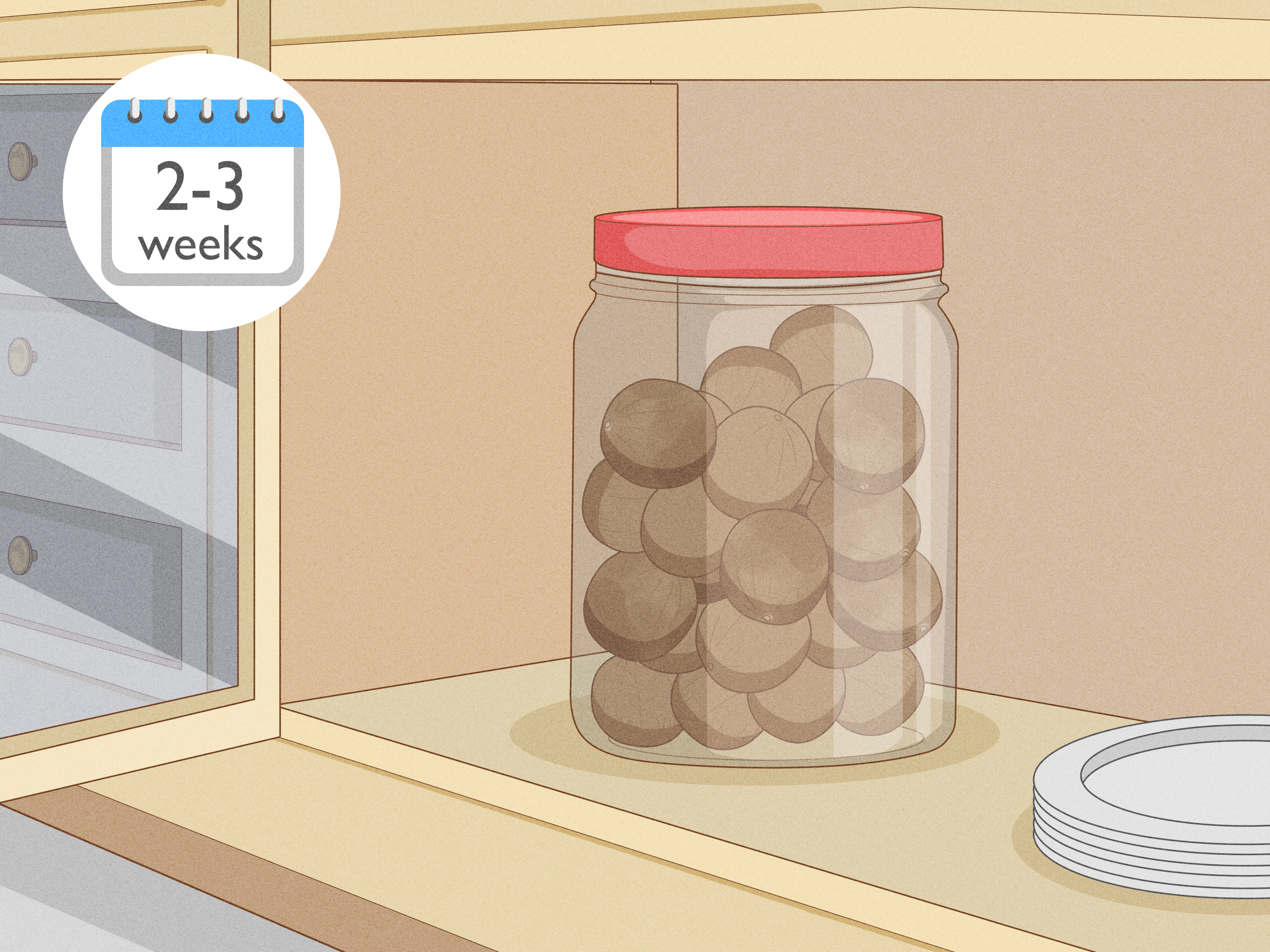
Turn or stir the nuts every few days so they dry evenly. Depending on humidity and temperature, home drying may take two to six weeks. The nutmeat should gradually shrink slightly away from the shell, making cracking easier and improving texture.
8. Use Gentle Heat for Final Drying
Air-drying alone may not bring nuts to a stable moisture level, especially in humid climates. A food dehydrator or very low oven can help finish the process. Use gentle heat rather than high heat. Excessive heat too early can damage flavor, darken kernels, or create uneven drying.
A cautious home method is to finish drying in a dehydrator at a low temperature, checking regularly. The goal is a crisp kernel that separates cleanly from the shell and does not taste raw, rubbery, or wet. If you crack a sample and the kernel clings tightly to the shell, feels soft, or tastes grassy, continue drying.
9. Test a Few Nuts Before Cracking the Whole Batch
Before committing an entire bucket to the nutcracker, test a small sample. Crack five to ten nuts and inspect the kernels. Good kernels should be cream-colored to light golden, firm, and pleasant-smelling. They should not be gray, moldy, sticky, shriveled, sour, or bitter.
If the kernels are still moist, let the batch dry longer. If many kernels are dark, moldy, or unpleasant, review your harvest timing and storage conditions. Macadamias reward patience, but they do not forgive damp piles in closed buckets.
10. Crack the Shell With the Right Tool
Macadamia shells are famously tough. A standard nutcracker may lose the argument. Use a macadamia nutcracker, vise-style cracker, lever cracker, or other tool designed for hard-shelled nuts. Place the nut securely and apply steady pressure until the shell splits.
Do not use your teeth. That sentence should not need to exist, but macadamia shells are persuasive little villains. Also avoid uncontrolled hammering unless you enjoy kernel confetti. A controlled cracking tool gives you more whole kernels and fewer crunchy surprises on the floor.
11. Roast the Kernels for Better Flavor
Macadamia nuts can be eaten raw if properly dried and sound, but roasting brings out their buttery flavor. Spread kernels in a single layer on a baking sheet and roast gently, stirring occasionally. Keep the temperature moderate and watch closely because macadamias are rich in oil and can go from golden to “well, that happened” faster than expected.
You can roast them plain, lightly salted, or with a small amount of oil. For sweet uses, leave them unsalted and add them to cookies, banana bread, brownies, granola, or white chocolate desserts. For savory snacking, try sea salt, garlic powder, smoked paprika, or a tiny pinch of cayenne.
12. Store Macadamia Nuts Properly
Macadamia nuts are high in oil, which is why they taste so rich. That same oil can become rancid if nuts are exposed to heat, light, air, or moisture. Once kernels are cracked, store them in an airtight container. For short-term use, keep them in a cool pantry. For longer storage, refrigerate or freeze them.
In-shell dried nuts generally keep longer than cracked kernels, but they still need a dry, cool, ventilated location. Label containers with the harvest date. Future you will appreciate this, especially when deciding whether a mystery jar is “artisan pantry treasure” or “science project with a lid.”
Common Mistakes to Avoid When Harvesting Macadamia Nuts
Harvesting Too Early
Picking green nuts directly from the tree usually leads to immature kernels with poor flavor and texture. Let the nuts fall naturally unless you are removing obviously damaged or diseased material.
Leaving Nuts on Wet Ground Too Long
Moisture is one of the biggest enemies of nut quality. Collect regularly, especially after rain. If your harvest area is muddy, consider laying down breathable ground cloth during peak drop, but avoid plastic that traps moisture.
Storing Fresh Nuts in Closed Buckets
Freshly harvested nuts need airflow. A sealed plastic bucket full of moist in-husk nuts can heat up and develop mold. Use ventilated crates, mesh bags, or shallow trays until the nuts are husked and dried.
Cracking Before Drying
Fresh kernels often cling to the shell and may taste underdeveloped. Dry first, crack later. This simple order saves time, improves flavor, and reduces kernel damage.
How Long Does the Whole Process Take?
The collection period may last several weeks or months, depending on the tree, climate, and variety. Once nuts fall, husking should happen promptly. Air-drying usually takes a few weeks for home growers, while final drying may take additional time depending on equipment and humidity.
If you are harvesting for the first time, think of macadamia processing as a slow food project. The tree grows the nut, gravity announces maturity, and drying finishes the job. Trying to rush the process usually leads to broken kernels, bland flavor, or storage problems.
Best Uses for Freshly Harvested Macadamia Nuts
Once your macadamias are dried, cracked, and roasted, they become one of the most versatile nuts in the kitchen. Use them in cookies, crusts, pesto, trail mix, nut butter, salads, roasted vegetable toppings, or homemade granola. Chopped macadamias are excellent with fish, chicken, tropical fruit, dark chocolate, coconut, and citrus.
For a simple snack, toss roasted kernels with sea salt and let them cool completely before storing. For baking, chop them coarsely so you get buttery pockets of crunch without turning your dough into gravel. And yes, white chocolate macadamia cookies are popular for a reason. Some classics do not need reinventing; they just need a second cookie.
Field Notes: Real-Life Experience Harvesting Macadamia Nuts
Harvesting macadamia nuts teaches patience in a way few garden jobs do. Tomatoes blush dramatically. Peppers practically wave at you. Macadamias, however, prefer mystery. One morning there may be three nuts under the tree, and the next morning it looks like the tree hosted a tiny bowling tournament overnight. The first lesson is to make collection part of your routine. A quick walk with a bucket every few days is easier than ignoring the tree for three weeks and then facing a nut-covered lawn like it is a final exam.
The second lesson is that clean ground matters more than beginners expect. Under an untidy canopy, macadamia nuts hide under leaves, roll into grass, and tuck themselves beside roots like they are avoiding taxes. Raking before harvest season makes everything easier. It also helps you spot problem nuts quickly. A clean area under the tree turns harvesting from a treasure hunt into a calm, repeatable chore.
Another practical experience: dehusking is where the romance briefly leaves the room. Fresh husks can be tough, fibrous, and surprisingly stubborn. If you only have a small batch, hand tools work fine, but wear gloves. The husk may stain your hands, and repeated prying can irritate your fingers. For larger backyard harvests, a simple homemade or purchased dehusking tool saves a lot of frustration. The goal is not brute force; it is steady pressure that removes the husk while leaving the shell intact.
Drying is the stage where many first-time harvesters get impatient. Freshly cracked kernels can taste disappointing if opened too soon. They may be soft, damp, or stuck inside the shell. After proper drying, the same nuts become sweeter, cleaner-tasting, and easier to crack. If the kernel rattles slightly inside the shell, that is often a good sign that drying is progressing. Still, testing a small sample is better than guessing.
Cracking macadamias can also be humbling. These shells are not polite. A cheap cracker may break before the nut does, and a hammer may produce more shell shrapnel than edible kernel. A dedicated macadamia cracker is worth it if you harvest regularly. It improves the number of whole kernels and makes the job safer and less chaotic. Put a towel or tray under the cracking area to catch pieces, because macadamia shells have a dramatic sense of travel.
The final lesson is storage discipline. Fresh roasted macadamias are so good that it is tempting to leave a jar on the counter for casual snacking. That is fine for a small amount, but larger batches should be protected from heat and air. Refrigerating or freezing extra kernels keeps their buttery flavor fresher longer. After all the waiting, collecting, husking, drying, cracking, and roasting, letting the finished nuts go stale would be a tragic little kitchen comedy.
Conclusion
Learning how to harvest macadamia nuts is mostly about timing and care. Wait for mature nuts to fall, collect them often, remove the husk quickly, dry the in-shell nuts slowly, crack them with the right tool, and store the kernels like the premium crop they are. The process is not difficult, but it does ask you to respect the nut’s natural rhythm. Macadamias are not fast food from a tree; they are slow, buttery rewards for growers who know when to hurry and when to wait.
If you remember only one rule, make it this: harvest promptly, but do not crack prematurely. That balance protects flavor, texture, and shelf life. Do it right, and your tree can give you snacks, baking ingredients, gifts, and bragging rights. And frankly, “I harvested these myself” is a sentence that makes even a simple cookie taste a little more heroic.
Note: This article is for educational gardening and home food preparation purposes. For commercial production, follow local agricultural extension guidance, food safety requirements, and regional post-harvest standards.