
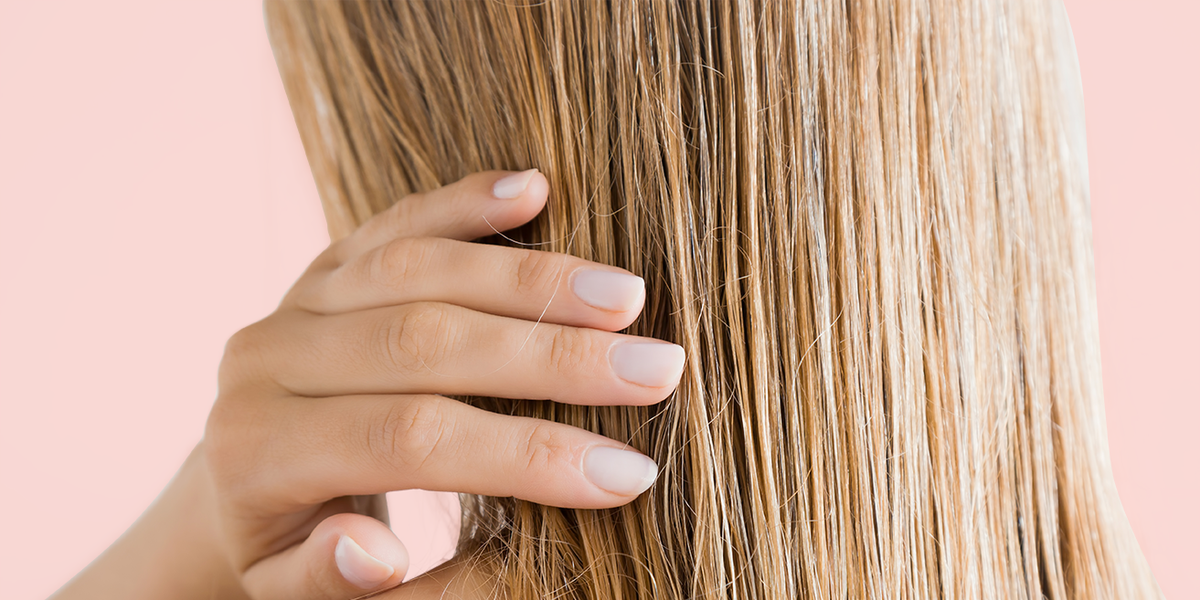
Dreaming of sun-kissed highlights without opening a box of industrial-strength mystery paste? Natural hair lightening may help you create a softer, brighter look using ingredients already hiding in your kitchen. The important word, however, is softer. Lemon juice, chamomile, honey, cinnamon, salt, and apple cider vinegar cannot reliably turn dark brown hair platinum blonde. Your refrigerator is talented, but it has not secretly attended cosmetology school.
These at-home methods work best on naturally blonde, dark-blonde, red, or light-brown hair. They may add golden highlights, increase warmth, fade a little artificial color, or make dull hair appear brighter. Results are usually gradual and may require several carefully spaced applications.
This guide explains six popular ways to lighten hair naturally, what each method can realistically accomplish, and how to protect your scalp and strands from dryness, irritation, brassiness, and breakage.
How Does Natural Hair Lightening Work?
Hair color comes largely from melanin pigments inside the hair shaft. Eumelanin produces brown and black shades, while pheomelanin contributes yellow and reddish tones. Professional bleach uses controlled oxidation to break down these pigments significantly. Most natural ingredients work far more slowly and less predictably.
Acidic ingredients such as lemon juice can encourage pigment breakdown and may increase the effects of environmental light. Honey can produce very small amounts of hydrogen peroxide when diluted because of its natural enzymes. Chamomile contains yellow-gold plant compounds that can visually brighten pale hair. Salt and sunlight may fade pigment, but they also remove moisture and weaken the hair’s protective outer layer.
Therefore, “natural” does not automatically mean harmless. Repeated exposure to acids, salt, ultraviolet radiation, or drying mixtures can leave hair rough and brittle. A gradual routine with generous conditioning is considerably smarter than declaring war on your hair in one afternoon.
What Results Should You Expect?
Your starting color, previous chemical treatments, porosity, hair thickness, and underlying pigments all affect the outcome. Naturally light hair may become half a shade brighter or develop delicate golden pieces. Light-brown hair may reveal caramel or copper tones. Dark-brown and black hair may show little change or become warm, reddish, or brassy rather than blonde.
Previously dyed hair is especially unpredictable. Natural remedies cannot neatly remove permanent color, and porous sections may react more strongly than healthy roots. Gray or white hair can also absorb plant pigments unevenly.
Before applying any mixture all over, test it on a hidden strand near the back of your head. Let the strand dry completely before judging the result. Wet hair always looks darker, and bathroom lighting has been known to tell dramatic lies.
6 Ways to Lighten Hair Naturally at Home
1. Use a Chamomile Tea Rinse for Golden Brightness
Chamomile is one of the gentlest options for blonde, dark-blonde, and light-brown hair. It does not aggressively bleach the hair shaft. Instead, its naturally yellow-gold compounds can enhance warm tones and make pale highlights more noticeable after repeated use.
Steep four to six chamomile tea bags in two cups of hot water for approximately 15 minutes. Allow the tea to cool completely. After shampooing, pour or spray it through clean, damp hair, concentrating on the sections you want to brighten. Leave it in for 30 to 60 minutes, rinse with cool water, and apply conditioner.
Repeat once or twice a week for several weeks. Chamomile generally produces a soft golden effect rather than a dramatic color change. People allergic to ragweed, daisies, chrysanthemums, or related plants should avoid this method because chamomile may trigger an allergic reaction.
2. Try Carefully Diluted Lemon Juice
Lemon juice is probably the most famous natural hair lightener. Its citric acid can alter hair pigment, especially when combined with environmental light. It tends to work best on naturally blonde or light-brown hair. On dark hair, it may expose orange, red, or copper undertones.
Mix one part fresh lemon juice with three parts water. For dry or curly hair, add a small amount of conditioner to reduce moisture loss. Apply the mixture only to selected strands or the lower lengths rather than soaking your entire scalp.
Leave it on for about 10 to 15 minutes, then rinse thoroughly and use a rich conditioner. Without ultraviolet exposure, the lightening effect will be limited, but deliberately sunbathing to intensify the result is not worth the skin damage. When you are already outdoors, protect your face, scalp, neck, ears, and shoulders with clothing, shade, and broad-spectrum sunscreen.
Keep citrus juice off your skin because citrus followed by sunlight can cause a painful phototoxic reaction. Skip lemon entirely if you have eczema, psoriasis, an irritated scalp, fragile hair, fresh chemical treatments, or a citrus allergy.
3. Apply a Honey and Conditioner Mask
Honey contains glucose oxidase, an enzyme involved in producing small quantities of hydrogen peroxide when honey is appropriately diluted. That chemistry explains why honey is often suggested as a gradual lightening treatment. However, cosmetic results vary widely, and honey should not be expected to perform like salon bleach.
Combine one-quarter cup of honey with one-half cup of moisturizing conditioner. Add a spoonful of distilled water if the mixture is difficult to spread. Apply it to damp hair, cover the hair with a shower cap, and leave the mask on for 30 to 60 minutes. Rinse thoroughly and shampoo gently if residue remains.
This method may add subtle warmth and brightness after several applications. Honey also helps the mixture feel less drying than lemon or salt. Even so, perform a skin patch test first, especially if you have pollen, bee-product, or fragrance sensitivities.
4. Combine Cinnamon With Conditioner
Cinnamon is often paired with honey because the combination may create a warmer, brighter appearance on light-brown or dark-blonde hair. Evidence for significant lightening is limited, so consider this a tone-enhancing mask rather than a guaranteed bleaching treatment.
Mix one tablespoon of ground cinnamon into one-half cup of conditioner. For longer or very thick hair, double both quantities while maintaining the same ratio. Apply the mixture to damp mid-lengths and ends, avoiding the scalp. Leave it on for 30 to 45 minutes before rinsing carefully.
Cinnamon may create honey, copper, or golden tones, which can be attractive on warm hair colors but less desirable for anyone trying to avoid brassiness. It can also irritate skin and airways. Do not inhale the powder, rub it into your scalp, or use cinnamon essential oil, which is far too concentrated for this purpose.
5. Create a Mild Sea-Salt Brightening Spray
Ocean water often leaves hair looking lighter after a beach vacation because salt, ultraviolet exposure, repeated washing, and weathering gradually fade pigment. Unfortunately, the crunchy texture that follows is not evidence that your hair is thriving. Salt pulls moisture from the strands and can roughen the cuticle.
For a milder version, dissolve one teaspoon of sea salt in one cup of warm water. Add one teaspoon of leave-in conditioner and pour the mixture into a spray bottle. Mist it lightly over the mid-lengths and ends, leave it on for 10 to 15 minutes, and rinse it out.
Use this method no more than once every one or two weeks. Follow with a moisturizing mask. Avoid salt spray if your hair is bleached, chemically straightened, severely dry, tightly coiled, breaking, or prone to tangles. In those situations, the potential brightness is rarely worth the extra damage.
6. Brighten Hair With Chamomile and Apple Cider Vinegar
Apple cider vinegar is frequently described as a natural lightener, but its more realistic benefit is removing residue and mineral buildup that can make hair look dull. Cleaner, smoother hair reflects more light and may appear brighter even when little natural pigment has been removed.
Brew one cup of strong chamomile tea and allow it to cool. Add one tablespoon of apple cider vinegar. After shampooing, distribute the diluted rinse through the hair, leave it on for five minutes, and rinse thoroughly. Finish with conditioner, especially on the ends.
Never apply undiluted vinegar directly to your scalp. Its acidity can cause burning, irritation, and increased dryness. This rinse is most useful for blonde or light-brown hair that looks flat because of product buildup. It will not transform naturally dark hair into a lighter shade.
How to Prevent Damage While Lightening Hair at Home
- Start with a strand test: Check both the color and texture after the test strand has dried.
- Patch-test botanical ingredients: Honey, cinnamon, chamomile, and citrus can all cause reactions in sensitive people.
- Space out treatments: Wait at least one week between gentle treatments and longer after acidic or salty ones.
- Condition after every session: Use a rinse-out conditioner or moisturizing mask to reduce roughness and tangling.
- Limit heat styling: Combining acidic treatments with flat irons and curling tools can push fragile hair toward breakage.
- Protect your skin from UV radiation: Do not use prolonged sun exposure as a beauty tool.
- Stop when hair changes texture: Increased snapping, frizz, stiffness, or tangling means your hair needs rest.
A leave-in conditioner can improve manageability and reduce friction during detangling. When using a blow-dryer, choose a lower temperature and apply a heat-protectant product. Hair that is already damaged should be repaired and trimmed before any attempt at additional lightening.
Which Natural Lightening Method Is Best for Your Hair Color?
Blonde Hair
Chamomile, diluted lemon, and honey are most likely to produce visible results. Expect brighter golden tones rather than icy platinum. Lemon can make porous blonde hair feel particularly dry, so use it sparingly.
Light-Brown Hair
Honey, cinnamon, and chamomile may create caramel or copper brightness. Test carefully if you dislike warm undertones because natural methods rarely produce cool ash shades.
Dark-Brown or Black Hair
Natural ingredients usually create minimal visible lift. Lemon or salt may expose red-orange undertones without making the hair truly blonde. A professional colorist is the safer choice for a noticeable, even transformation.
Red Hair
Chamomile and honey may emphasize gold and strawberry tones. Cinnamon can deepen warmth rather than create obvious lightness.
Curly, Coily, or Highly Porous Hair
Moisture loss is the main concern. Choose chamomile or a honey-conditioner mask and avoid frequent lemon, salt, or vinegar treatments. Apply mixtures to selected strands instead of every curl.
A Realistic Four-Week At-Home Lightening Experience
The following example is an illustrative experience based on the results people commonly report when trying gradual natural hair lightening. It shows what a sensible routine may look like, rather than promising that every head of hair will react identically.
Week 1: Establishing a Baseline
Imagine starting with untreated dark-blonde hair that becomes slightly golden during summer. Before mixing anything, take photographs near a window in indirect daylight. Photograph the front, sides, and back. Indoor bulbs can make hair look warmer or cooler, so consistent lighting is essential for honest comparisons.
The first treatment is a chamomile rinse. Immediately afterward, the hair smells herbal and feels normal, but no dramatic color change appears. Once dry, the surface looks a little shinier. This is probably improved light reflection and a trace of golden plant pigment rather than significant melanin removal.
Week 2: Testing a Honey Mask
A week later, apply the honey and conditioner mixture to several face-framing sections. The mask is sticky, and application takes longer than social media videos suggest. Honey has a remarkable ability to travel from the mixing bowl to the counter, faucet, towel, and somehow one elbow.
After rinsing, the selected strands feel soft. In daylight, they appear slightly warmer, but the difference is too subtle for anyone else to notice. That outcome is normal. Gradual methods are designed to whisper, not arrive with a marching band.
Week 3: Comparing Rather Than Combining
Instead of stacking lemon, salt, vinegar, and cinnamon in one aggressive session, continue with chamomile on the full length and repeat honey only on the selected pieces. This makes it easier to determine which treatment is helping and prevents several drying ingredients from attacking the cuticle at once.
At this stage, the front pieces may show a faint honey-colored effect in direct daylight. The change is less obvious indoors. The hair remains manageable because conditioning has been prioritized after every treatment.
Week 4: Evaluating the Result Honestly
After four weeks, compare new photographs with the baseline images. On naturally responsive dark-blonde hair, the difference may resemble the subtle fading that occurs after a short vacation: slightly brighter ends, warmer pieces near the face, and no obvious line of demarcation at the roots.
The result is attractive precisely because it is modest. The hair has not become several levels lighter. It has gained dimension. Someone beginning with medium-brown hair might see even less lift, while very light blonde hair could show a clearer golden change.
Lessons From the Experience
The most useful lesson is that patience protects hair. Repeating gentle treatments over several weeks is safer than concentrating acids and salt into one supposed miracle formula. Photographs are also more reliable than memory. Day-to-day color changes are difficult to see, especially when you inspect your hair every time you pass a mirror.
Moisture care makes an enormous difference. A treatment should be postponed when hair feels unusually rough, stiff, tangled, or fragile. A conditioning week is not a failure; it is maintenance. Hair cannot repair itself biologically once it leaves the follicle, so preventing structural damage matters more than squeezing out one additional golden streak.
Finally, natural lightening works best when the goal matches the method. It is suitable for soft summer brightness, warmer highlights, or a barely-there change. It is not the appropriate tool for correcting uneven dye, removing black color, achieving platinum blonde, or fixing a color emergency five hours before a major event.
When Should You Visit a Professional Colorist?
Choose professional help when you want to lighten your hair by several levels, maintain a cool blonde tone, correct patchy color, or work over permanent dye, henna, bleach, relaxers, or other chemical treatments. A colorist can assess the condition of your hair, select an appropriate developer strength, and monitor the lifting process.
You should also stop home treatments and seek medical advice if you develop scalp swelling, blistering, persistent burning, a spreading rash, or trouble breathing. Rinse the product out immediately rather than waiting to see whether discomfort becomes more exciting.
Conclusion
Learning how to lighten hair naturally begins with realistic expectations. Chamomile, diluted lemon juice, honey, cinnamon, sea salt, and diluted apple cider vinegar may create subtle brightness, golden tones, or gentle fading. They cannot provide the fast, controlled lift of professional bleach, and they are not completely free of risk.
Begin with a hidden strand test, introduce only one method at a time, condition generously, and protect your skin from sunlight. The best result is not simply lighter hair. It is lighter-looking hair that still feels smooth, flexible, and attached to your head.
Note: Natural ingredients can still cause allergies, scalp irritation, phototoxic skin reactions, dryness, and breakage. Avoid applying acidic mixtures to broken or inflamed skin, and consult a dermatologist or professional colorist when you have a scalp condition or severely damaged hair.











