
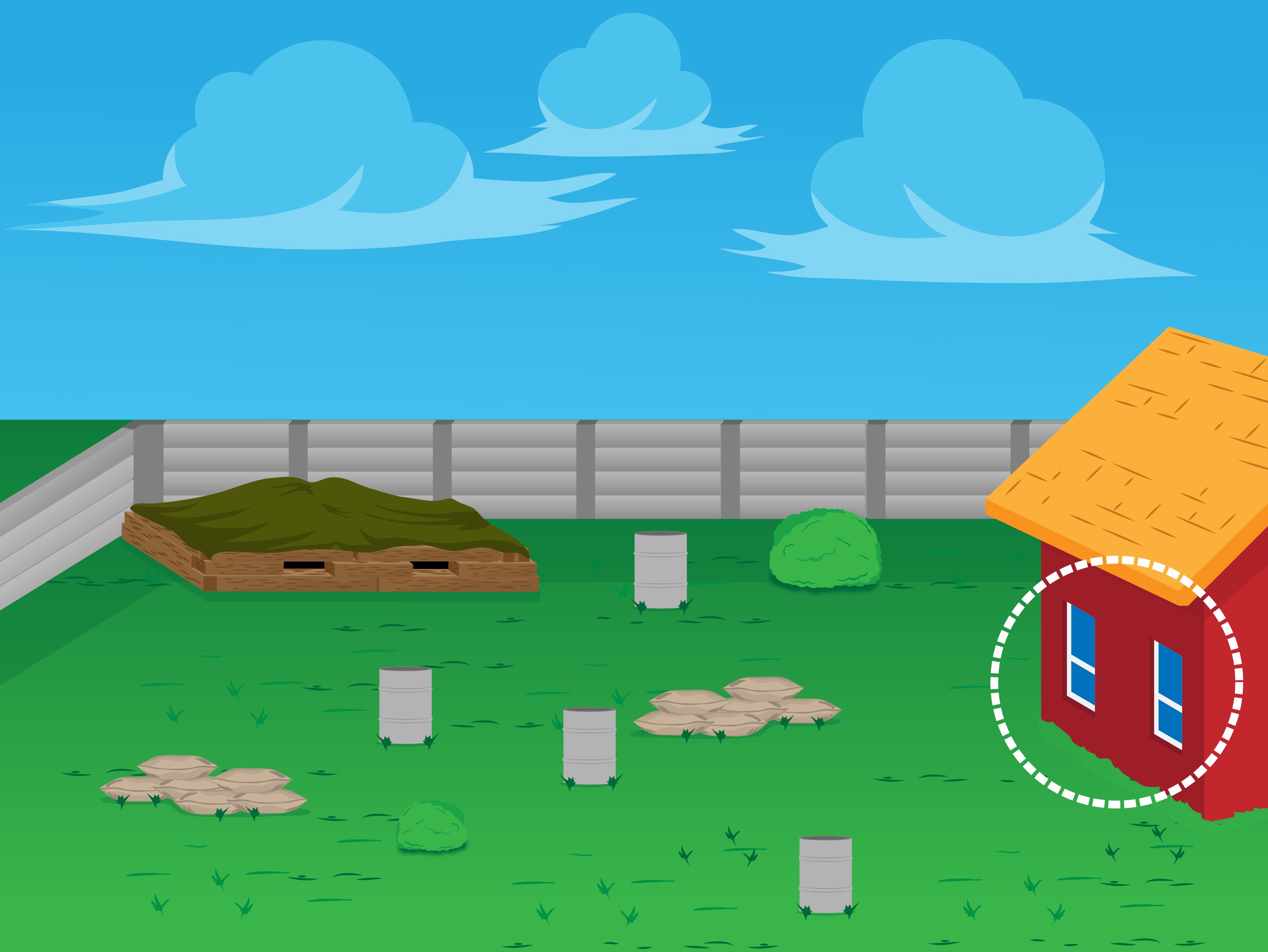
Building an airsoft field sounds simple at first: find some land, toss down a few pallets, yell “go,” and wait for everyone to become tactical philosophers in cargo pants. In reality, a good airsoft field is part playground, part safety system, part small business, and part stage set. It needs flow, cover, rules, clear boundaries, legal planning, and enough common sense to keep “fun weekend skirmish” from turning into “why is the insurance adjuster calling?”
This guide walks through how to make an airsoft field in 10 practical steps, whether you are designing a private backyard course for friends or planning a commercial airsoft arena. The goal is not just to build a field that looks cool. The goal is to build one that plays well, keeps people safer, respects local laws, and makes players want to come back.
Step 1: Decide What Kind of Airsoft Field You Want
Before buying lumber, netting, barrels, or that suspiciously cheap pile of plywood from a guy named “Big Steve,” decide what type of airsoft field you are creating. The layout changes dramatically depending on your goal.
Common Airsoft Field Types
An outdoor woodland field uses trees, brush, trails, forts, and natural terrain. It works well for longer games, milsim events, objective missions, and sneaky players who believe camouflage makes them invisible even while wearing neon sneakers.
A CQB airsoft field, or close-quarters battle field, uses buildings, rooms, hallways, shipping containers, plywood walls, and tight angles. It creates fast games, quick respawns, and intense action, but it also requires stricter engagement rules and excellent referee control.
A speedsoft field is smaller, symmetrical, and designed for fast competitive play. Think inflatable bunkers, mirrored lanes, short rounds, and players moving like caffeinated squirrels.
A hybrid field combines outdoor lanes, small structures, open areas, and objective zones. This is often the best choice for beginners because it gives players different styles of gameplay without requiring a massive property.
Step 2: Choose a Safe and Legal Location
The best airsoft field starts with the right location. You need enough space for gameplay, parking, staging, boundaries, and emergency access. More importantly, you need permission to use the property. “My cousin said it was fine” is not a legal strategy; it is the first line of a very expensive story.
For a private airsoft field, make sure the property owner gives written permission. For a commercial field, check zoning rules, business licenses, local discharge laws, noise restrictions, insurance requirements, and whether airsoft replicas are regulated in your city or state. Some areas treat airsoft guns differently from toys, BB guns, or firearms, so never assume one rule applies everywhere.
Location Checklist
Look for land that has clear boundaries, safe parking access, room for a staging area, no public trails through the play zone, no nearby roads where BBs could escape, and enough distance from neighbors to reduce complaints. Avoid areas with unstable buildings, hidden wells, rusty debris, broken glass, steep drop-offs, or wildlife hazards.
If you plan to open to the public, speak with local officials before construction. A short conversation with zoning or permitting staff can save months of redesign. It is much easier to move a bunker on paper than to move one after you have nailed it, painted it, and named it “Fort Regret.”
Step 3: Plan the Field Layout on Paper First
A great airsoft field is not a random pile of obstacles. It should have movement lanes, cover positions, objective points, safe boundaries, and a logical game flow. Draw a basic map before building anything.
Start by marking the staging area, parking, entrance, chronograph station, safe zone, emergency access path, referee routes, player spawn points, and field boundaries. Then sketch the play area. Add cover so players can move without being trapped in one corner. Create multiple routes to objectives so games do not turn into one giant traffic jam with BBs.
Design for Fair Gameplay
Balance is important. If one team’s spawn has high ground, shade, and a perfect shooting lane while the other team starts behind a sad bush, players will notice. Build mirrored or balanced advantages. One side may have better cover while the other has shorter access to an objective. Fair does not always mean identical, but it should feel competitive.
Use a mix of long lanes, medium-range cover, and close-quarters structures. Avoid creating one dominant sniper position that controls the whole field. Every strong position should have a weakness, flank route, or objective tradeoff.
Step 4: Build a Real Safe Zone and Staging Area
The safe zone is the most important structure on the property. It is where players check in, load gear, hydrate, rest, repair equipment, and remove eye protection. It must be clearly separated from gameplay and protected from stray BBs.
Set rules that no firing is allowed in the safe zone. Magazines should be removed, chambers cleared, safeties engaged, and barrel covers used before players enter. Post the rules in large, readable signs. Do not hide safety rules in tiny text like software terms and conditions. Nobody wants to scroll to page 47 to learn not to shoot near the picnic table.
What to Include in the Staging Area
Provide tables, shade, trash cans, water access, benches, first-aid supplies, rental gear storage, a check-in desk, and a clearly marked chronograph station. If you run paid games, include waiver processing and wristbands or player tags. For comfort, add portable toilets or restroom access. For professionalism, add signage that explains field limits, eye protection rules, game modes, emergency procedures, and where players can safely test-fire.
Step 5: Set Safety Rules Before the First Game
Airsoft safety rules are not decorations. They are the operating system of the field. Without them, everything crashes, usually while someone is yelling “my bad” from behind a bunker.
Require full-seal eye protection suitable for airsoft use. Many U.S. fields require ANSI-rated full-seal goggles or paintball-style masks, and many require full face protection for minors. Mesh-only eye protection is often prohibited because BB fragments can pass through. Players should never remove eye protection inside the play area, even if their lenses fog. Instead, they should call for help, move to a safe zone, or follow the field’s “blind man” emergency procedure.
Essential Field Rules
Your rule set should cover eye and face protection, barrel covers, safe-zone behavior, minimum engagement distances, velocity limits, joule limits, blind firing, overshooting, physical contact, hit calling, respawns, surrender or “bang-bang” rules, smoke devices, grenades, pyrotechnics, night games, age limits, and referee authority.
Use a chronograph to test every replica before play. Many fields set different limits for rifles, pistols, DMRs, sniper rifles, and HPA systems. Do not copy another field’s FPS limits blindly; your limits should match your field size, engagement distances, insurance requirements, local expectations, and referee capacity.
Step 6: Create Boundaries, Barriers, and Backstops
A field boundary should be obvious from a distance. Use fencing, rope, caution tape, painted posts, netting, berms, or natural barriers. Players should always know where the game ends and where the real world begins.
Install protective netting where the field faces parking lots, roads, staging areas, neighboring properties, or spectators. Netting should be tall enough and strong enough for the angles players will actually shoot from, not just the angles you politely wish they would use. Remember: if there is a weird angle, someone will discover it during the first game and immediately test your design.
Control BB Escape Routes
Walk the field from every shooting lane and ask, “Where could BBs go if someone misses?” Add backstops behind targets, protect chrono areas, and keep firing directions away from public spaces. For backyard airsoft fields, this step is especially important. A neighbor finding BBs in the driveway is one thing. A neighbor seeing realistic replicas near a public street is a much bigger problem.
Step 7: Build Cover That Is Fun, Stable, and Not Terrifying
Cover is the personality of your airsoft field. It creates tactics, movement, suspense, and those dramatic moments when someone dives behind a barricade with the confidence of an action hero and the grace of a laundry basket.
Use wood walls, pallets, barrels, tires, plywood sheets, sandbags, cable spools, old doors, plastic drums, trenches, berms, brush piles, and modular barricades. Every piece should be stable, visible, and inspected regularly. Remove nails, sharp edges, splinters, glass, exposed screws, loose boards, and trip hazards.
Good Cover Design
Mix hard cover and concealment. Hard cover stops BBs. Concealment hides players but may not stop shots. A great airsoft field uses both. Put low cover in open zones to encourage movement. Add tall walls for CQB areas. Use windows carefully so players cannot create unsafe point-blank shooting lanes.
Avoid making all cover the same height. Low barricades encourage crouching, tall walls create room-clearing opportunities, and partial cover forces players to make tactical choices. Just do not overbuild the field into a maze where nobody can find the objective, the exit, or their dignity.
Step 8: Add Game Objectives and Player Flow
A field without objectives often turns into two teams staring at each other from behind cover. Add missions that make players move. Capture flags, defend buildings, recover props, escort VIPs, control zones, plant mock devices, collect tokens, or complete timed challenges.
Place objectives where both teams can reach them, but not so easily that the first sprint decides the round. Good objectives create conflict in the center, movement on the sides, and comeback opportunities. Use visible markers, flags, crates, cones, radios, or color-coded props.
Design Better Respawns
Respawn areas should be safe from direct fire and far enough from objectives to prevent endless waves. If players respawn too close, the game becomes a BB-powered treadmill. If they respawn too far away, eliminated players spend more time hiking than playing. Test several locations and adjust based on real games.
For larger fields, create multiple zones. For example, Zone A can be woodland, Zone B can be village structures, and Zone C can be a central objective area. This lets you run short games, long games, private events, and scenario missions without rebuilding the field every weekend.
Step 9: Prepare for Operations, Insurance, and Emergencies
If your airsoft field is public or commercial, treat it like a real business from day one. You may need business registration, tax setup, local permits, insurance, waivers, employee procedures, emergency plans, and accessibility planning. Talk to qualified local professionals before opening.
Insurance matters because airsoft involves fast-moving projectiles, running, uneven ground, heat, equipment failure, and human beings making ambitious decisions. Waivers can help explain risk and document consent, but they are not magic shields. Good operations, trained staff, written rules, and consistent enforcement matter more.
Emergency Planning Basics
Create a written emergency plan. Include first-aid locations, staff roles, local emergency numbers, the property address, the nearest hospital, evacuation routes, severe weather rules, lost-player procedures, and heat-illness response. Train referees to stop games quickly when eye protection is lost, an injury occurs, or a non-player enters the field.
Outdoor fields should plan for heat, storms, mud, insects, poor visibility, and seasonal terrain changes. Provide water breaks, shade, and rest periods. If your field hosts summer games, monitor heat conditions and do not be afraid to shorten rounds. No objective is worth turning players into tactical raisins.
Step 10: Test, Improve, and Maintain the Field
Do not open a new airsoft field and assume the first layout is perfect. Run small test games with experienced players and ask for brutally honest feedback. Watch where players bottleneck, where they refuse to move, where BBs escape, where referees cannot see, and where players trip.
After every test session, adjust cover, move objectives, widen paths, add signage, improve boundaries, and remove hazards. The best airsoft fields evolve. They get safer, smarter, and more fun because owners pay attention.
Maintenance Checklist
Inspect bunkers, netting, trails, stairs, bridges, props, signs, safe-zone tables, chrono equipment, rental gear, trash areas, and first-aid supplies. Replace damaged boards. Tighten loose screws. Trim brush. Fill holes. Remove broken BB bags and old debris. Check that safety signs remain readable.
Maintenance is not glamorous, but it is the difference between a professional field and a haunted plywood museum. Players may come for the action, but they return because the place feels organized, fair, and safe.
Practical Examples for a Beginner Airsoft Field
For a small private field, start with a rectangular layout of about one to two acres if available. Place staging outside the play area, then create two team spawns at opposite ends. Build a central objective with two or three approach routes. Add low cover in open lanes, taller cover near the center, and boundary markers around the entire field.
For a commercial outdoor field, think bigger. Separate the property into several playable zones. Add a village area, woodland trails, a fort, a speed field, and a training range. This lets you host walk-on games, birthday parties, private rentals, and special events. Build parking and check-in first, not last. Players forgive a simple bunker faster than they forgive chaos at registration.
For an indoor CQB field, focus on fire lanes, room transitions, lighting, ventilation, emergency exits, and referee visibility. Tight angles create exciting gameplay but also increase close-range encounters, so strict velocity limits, semi-auto rules, and face protection are especially important.
Common Mistakes to Avoid
The first mistake is building too much cover. It sounds strange, but too many walls can freeze gameplay. Players need cover, but they also need risk. A field should encourage movement, not create 94 places to hide while everyone waits for someone else to be brave.
The second mistake is ignoring the safe zone. New builders often spend all their energy on bunkers and forget staging, hydration, parking, check-in, and bathrooms. Players spend a surprising amount of time off the field. Make that experience smooth.
The third mistake is copying another field’s rules without understanding why they exist. Your rules should fit your property, player age range, game style, insurance requirements, and staff experience.
The fourth mistake is weak signage. Players should never have to guess where to chrono, where to enter, where to remove eye protection, or where the field boundary ends. Signs are cheaper than confusion.
The fifth mistake is treating referees as optional. Even casual games need someone who can stop play, enforce rules, answer questions, and prevent arguments from turning into a Shakespearean tragedy with plate carriers.
Extra Experience: What Actually Makes an Airsoft Field Great
After the basic construction is finished, the real personality of an airsoft field comes from experience. Players remember the moments: the tense push across the center bridge, the impossible flag grab, the hilarious surrender call, the referee who handled a dispute calmly, and the one bunker everyone secretly loves because it feels like a heroic last stand.
The best experience starts before the first BB is fired. Check-in should be simple. New players should know where to go, what to sign, what gear they need, and how the day works. A short safety briefing is essential, but make it clear and human. Explain the rules with examples. Instead of saying only “no blind firing,” show what blind firing looks like. Instead of saying “keep eye protection on,” explain that goggles stay on anywhere BBs may fly, even if a player is eliminated, fogged, or frustrated.
Rental players need extra care. They may not know how to load magazines, use safeties, clear chambers, call hits, or avoid overshooting. A five-minute beginner orientation can prevent half the problems of the day. Pair new players with friendly regulars when possible. A welcoming community is one of the strongest SEO signals in real life: people talk, post, review, and return.
Game variety matters too. Run short, simple games early in the day so everyone warms up. Then introduce objective missions once players understand the layout. Mix team deathmatch with capture the flag, domination, attack-and-defend, escort missions, and limited-respawn scenarios. If every game is the same, players start memorizing the field like a grocery store. If objectives rotate, the field feels fresh without major rebuilding.
Do not underestimate comfort. Shade, water, benches, clean restrooms, trash cans, and clear schedules improve the entire day. Players wearing gear in summer heat are basically walking laundry piles with magazines. Give them places to cool down. Build breaks into the schedule. Keep announcements loud and clear. If a game starts at 1:00, start it close to 1:00. Reliable timing makes a field feel professional.
Finally, listen to players without letting the loudest person redesign the field every weekend. Collect feedback from beginners, regulars, referees, parents, and event organizers. Look for patterns. If many players say one lane is impossible to cross, adjust it. If one bunker causes arguments every game, change the angle. If new players keep getting lost, improve signs and paths.
A memorable airsoft field is not just built with plywood and barrels. It is built with thoughtful rules, good pacing, fair layouts, strong safety habits, and a little theater. Give players a place where they can be competitive, dramatic, muddy, honorable, and ridiculous all at once. That is the magic. That is when your field stops being “some land with obstacles” and becomes the place everyone talks about on Monday.
Conclusion
Learning how to make an airsoft field is really learning how to design safe excitement. The best fields balance creativity with control. They have smart layouts, strong boundaries, clear rules, reliable staging areas, tested objectives, and staff who take safety seriously without draining the fun out of the day.
Start with legal permission and a clear plan. Build the safe zone first. Use solid cover, visible boundaries, and practical game objectives. Require proper eye protection, chrono every replica, and enforce rules consistently. Then test, improve, and maintain the field over time. Do that, and your airsoft field can become more than a weekend project. It can become a place where players build skills, friendships, stories, and yes, a few very dramatic last stands behind plywood.
Note: Airsoft rules, age limits, permits, insurance requirements, and replica regulations vary by state, city, property type, and business model. Always verify local requirements and consult qualified professionals before opening a public or commercial airsoft field.











