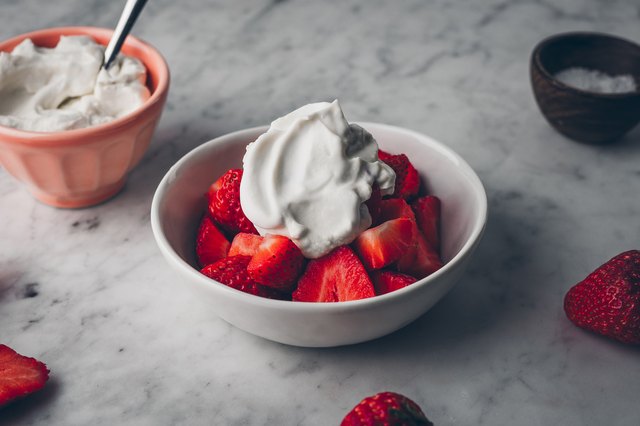
Traditional whipped cream is delightful, but it does have one inconvenient habit: containing dairy. Fortunately, a can of coconut milk can transform into a light, fluffy dessert topping that looks elegant, tastes luxurious, and requires no cow-related negotiations.
Dairy-free coconut whipped cream is perfect for vegan desserts, lactose-free recipes, holiday pies, fresh berries, hot chocolate, pancakes, and those moments when eating something directly from the mixing bowl feels completely reasonable. The recipe is simple, but coconut cream can be temperamental. Choose the wrong can, let it become too warm, or accidentally add too much coconut water, and your fluffy topping may resemble tropical soup.
This guide explains how to make coconut whipped cream step by step, how to select the right ingredients, how to fix common texture problems, and how to keep the finished cream fluffy until dessert time.
What Is Dairy-Free Coconut Whipped Cream?
Coconut whipped cream is a plant-based alternative to traditional whipped cream. Instead of whipping heavy dairy cream, you whip the thick, high-fat portion of chilled canned coconut milk or coconut cream.
When a can of full-fat coconut milk becomes cold, the rich coconut solids generally separate from the thinner coconut water. The firm portion can be scooped into a mixing bowl and whipped with powdered sugar, vanilla, and a small pinch of salt. Air becomes incorporated into the fat, producing a creamy topping that can hold soft or firm peaks.
The result is dairy-free, egg-free, gluten-free, and usually vegan. It does taste like coconut, however. This is not culinary camouflage. If someone strongly dislikes coconut, no amount of vanilla is going to convince them that the topping came from a mysterious neutral cloud.
The Best Coconut Milk for Whipped Cream
The success of dairy-free coconut whipped cream begins at the grocery store. Technique matters, but no mixer can whip a watery, low-fat coconut beverage into a sturdy dessert topping.
Choose Full-Fat Canned Coconut Milk
Use unsweetened, full-fat coconut milk sold in a can. Check the ingredient list and nutrition label rather than trusting a picture of a coconut wearing sunglasses.
A product with a high percentage of coconut and a rich fat content is more likely to separate into thick cream after chilling. Light coconut milk has been diluted with additional water, so it rarely contains enough concentrated fat to whip properly.
Coconut Cream Is Even More Reliable
Unsweetened canned coconut cream is thicker than standard full-fat coconut milk and often produces a larger amount of firm cream. It is an excellent choice when you want dependable results, a firmer texture, or enough whipped topping to frost a small cake.
Do not confuse coconut cream with cream of coconut. Cream of coconut is a sweetened product commonly used in tropical drinks. It contains substantial added sugar and behaves differently in recipes.
Avoid Refrigerated Coconut Beverages
The coconut beverage sold in cartons near almond milk and oat milk is intended for drinking, cereal, and smoothies. It is usually too diluted to whip. Save it for your coffee and use a full-fat canned product for this recipe.
Why Brands Produce Different Results
Canned coconut milk varies considerably among manufacturers. Coconut concentration, water content, processing methods, and added stabilizers can all affect separation and texture. One brand may create a nearly solid layer of cream, while another remains loose even after a full night in the refrigerator.
When you find a brand that separates consistently and whips smoothly, write it down. Coconut whipped cream rewards brand loyalty more than most desserts.
Ingredients for Coconut Whipped Cream
This basic recipe makes approximately 1 to 1 1/2 cups of whipped topping, depending on how much solid cream is inside the can.
- 1 can, about 13.5 to 14 ounces, unsweetened full-fat coconut milk or coconut cream
- 2 to 3 tablespoons powdered sugar, adjusted to taste
- 1 teaspoon pure vanilla extract
- 1 small pinch of fine salt
Optional Flavor Additions
- 1/4 teaspoon almond, coconut, or peppermint extract
- 1/2 teaspoon ground cinnamon or pumpkin pie spice
- 1 teaspoon finely grated lemon, lime, or orange zest
- 1 tablespoon unsweetened cocoa powder
- 1 to 2 teaspoons maple syrup, only if the cream is already very firm
- Seeds scraped from part of a vanilla bean
Powdered sugar is usually easier to incorporate than granulated sugar because it dissolves quickly. Liquid sweeteners can work, but they also loosen the cream. Add them carefully and only after confirming that the whipped coconut cream is thick enough to tolerate extra moisture.
Equipment You Will Need
- Electric hand mixer or stand mixer with a whisk attachment
- Medium metal or glass mixing bowl
- Rubber spatula
- Measuring spoons
- Airtight storage container
A manual whisk can work, but it requires patience, arm strength, and a willingness to reconsider every choice that brought you to that moment. An electric mixer is faster and more consistent.
How to Make Dairy-Free Coconut Whipped Cream
Step 1: Refrigerate the Can Overnight
Place the unopened can of coconut milk or coconut cream in the refrigerator for at least 12 hours. Twenty-four hours is even better. Keep the can upright and do not shake it.
Chilling allows the high-fat coconut solids to firm up and separate from the watery liquid. Trying to speed up the process in the freezer can produce uneven results and may partially freeze the contents, so overnight refrigeration is the safest method.
Step 2: Chill the Bowl and Beaters
About 10 to 15 minutes before whipping, place your mixing bowl and mixer attachments in the refrigerator or freezer. Cold equipment helps prevent the coconut fat from softening while air is being incorporated.
This step is especially useful during warm weather or in a hot kitchen. Coconut fat becomes soft quickly, and your mixer creates a little heat as it runs.
Step 3: Open the Can Without Shaking It
Remove the can from the refrigerator carefully. Open it while keeping it level. Depending on the brand, you may see a solid white layer on top with clear or cloudy coconut water underneath.
Occasionally, the firm layer is at the bottom because of the way the can was filled or stored. In that case, drain the liquid carefully before scooping out the solids.
Step 4: Scoop Out Only the Firm Coconut Cream
Transfer the thick coconut solids to the chilled mixing bowl. Stop scooping when you reach the watery portion. Even a small amount of excess liquid can turn firm cream into a loose topping.
Do not discard the coconut water. Refrigerate it separately and use it in smoothies, oatmeal, soups, curries, or pancake batter.
Step 5: Whip Until Smooth and Fluffy
Begin mixing on low speed for approximately 20 seconds to break up large chunks. Increase to medium-high speed and whip for 2 to 4 minutes.
Stop occasionally to scrape the bowl. The coconut cream should become smoother, lighter, and slightly larger in volume. Some products whip into dramatic peaks, while others remain closer to a thick mousse. Both textures can be delicious.
Step 6: Add Sugar, Vanilla, and Salt
Once the cream begins holding soft peaks, add 2 tablespoons of powdered sugar, the vanilla extract, and a pinch of salt. Whip for another 30 to 60 seconds.
Taste the cream and add another tablespoon of sugar when desired. Adding the sweetener gradually gives you control over both sweetness and consistency.
Step 7: Stop at the Right Texture
For spooning over fruit, pudding, or hot chocolate, stop when the cream forms soft peaks. For piping or decorating a chilled dessert, continue just until firmer peaks form.
Do not beat indefinitely. Overmixing can warm the coconut fat and cause the cream to soften, separate, or become grainy. More mixing is not always more achievement.
Step 8: Chill Before Serving
Use the whipped cream immediately or refrigerate it for 20 to 30 minutes to make it firmer. Keep it cold until serving, particularly when the room is warm.
Quick Coconut Whipped Cream Recipe
Preparation time: 10 minutes, plus overnight chilling
Yield: About 1 to 1 1/2 cups
Dietary notes: Dairy-free, vegan, gluten-free, and egg-free
Instructions
- Refrigerate one can of full-fat coconut milk or coconut cream for 12 to 24 hours.
- Chill a mixing bowl and beaters for 10 to 15 minutes.
- Open the can without shaking it.
- Scoop the firm coconut solids into the chilled bowl, leaving the liquid behind.
- Beat on medium-high speed for 2 to 4 minutes, scraping the bowl as needed.
- Add powdered sugar, vanilla, and salt.
- Beat briefly until the cream reaches your preferred consistency.
- Serve immediately or keep covered in the refrigerator.
How to Fix Coconut Whipped Cream Problems
The Coconut Milk Did Not Separate
The can may contain too little coconut fat, or the product may have been heavily emulsified during processing. It may also need more time to chill.
Return the unopened can to the coldest part of the refrigerator for another day. If it still does not separate, use it in a curry, smoothie, soup, or baked dessert and try a different brand for whipped cream.
The Cream Is Too Runny
Loose coconut whipped cream is usually caused by warm ingredients, excess coconut water, or a low-fat product.
Place the bowl in the refrigerator for 20 to 30 minutes, then whip it again briefly. You can also add one tablespoon of sifted powdered sugar. Do not keep adding large amounts of sugar in an attempt to turn liquid into frosting; eventually, you will have sweet coconut soup wearing a brave expression.
The Cream Is Grainy or Lumpy
Very cold coconut cream may initially contain small firm pieces. Start the mixer on low speed and allow the chunks to soften slightly as they break apart.
If the cream becomes grainy after extended beating, it may have been overwhipped. Stop the mixer and fold in one teaspoon of reserved coconut water at a time until the texture becomes smoother.
The Cream Is Too Firm
Some cans of coconut cream become nearly solid when refrigerated. Beat the solids briefly, then add reserved coconut water one teaspoon at a time. A tiny amount can create a smooth, spoonable texture; a large splash can create regret.
The Cream Melts After Serving
Coconut whipped cream is sensitive to heat. Keep the finished topping refrigerated and add it to desserts shortly before serving. Avoid piping it onto a warm pie, freshly baked cake, or hot fruit crisp unless you plan to eat it immediately.
Flavor Variations
Chocolate Coconut Whipped Cream
Sift one tablespoon of unsweetened cocoa powder with the powdered sugar before adding it to the cream. Add more sugar to balance the bitterness when needed. This version pairs well with berries, chocolate cake, banana pudding, and coffee-flavored desserts.
Cinnamon Coconut Cream
Add 1/2 teaspoon of ground cinnamon and a small pinch of nutmeg. Spoon it over apple crisp, pumpkin pie, baked pears, sweet potatoes, or French toast.
Citrus Coconut Cream
Fold in one teaspoon of finely grated lemon, lime, or orange zest after whipping. Zest adds concentrated flavor without introducing much liquid. Citrus coconut cream is excellent with berries, mango, pineapple, pound cake, and key lime desserts.
Maple-Vanilla Coconut Cream
Replace part of the powdered sugar with one or two teaspoons of pure maple syrup. Use coconut cream rather than coconut milk for this variation because the thicker base can better handle the additional liquid.
Mocha Coconut Cream
Add one tablespoon of cocoa powder and a small pinch of instant espresso powder. This version can turn an ordinary mug of coffee into something that appears to have its own lifestyle brand.
Ways to Use Dairy-Free Coconut Whipped Cream
This topping is more versatile than its short ingredient list suggests. Try it with:
- Fresh strawberries, peaches, raspberries, mango, or pineapple
- Chocolate, pumpkin, pecan, banana, or key lime pie
- Vegan cakes, cupcakes, brownies, and shortcakes
- Pancakes, waffles, crepes, or baked oatmeal
- Hot chocolate, iced coffee, milkshakes, or smoothie bowls
- Chia pudding, rice pudding, or dairy-free mousse
- Fruit crisps, cobblers, and crumbles
- Ice cream sundaes and layered parfaits
For the best presentation, spoon the cream into loose clouds or transfer it to a piping bag fitted with a large star tip. Always pipe onto fully chilled desserts.
Storage and Make-Ahead Tips
Transfer leftover coconut whipped cream to a clean, covered container and refrigerate it promptly. For food safety, keep the refrigerator at 40°F or colder and use the cream within three to four days.
The topping often becomes firmer as it sits. Before serving, stir it gently or whip it for a few seconds to restore a lighter texture.
Freezing is possible, but thawed coconut cream may separate or lose some smoothness. For better convenience, freeze individual dollops on a parchment-lined tray and transfer them to a sealed container once solid. Frozen dollops work especially well in hot chocolate, coffee, or blended drinks.
Frequently Asked Questions
Can I Make Coconut Whipped Cream Without Sugar?
Yes. Coconut cream has a naturally mild sweetness and can be whipped without added sugar. Vanilla, citrus zest, cinnamon, or a pinch of salt can enhance its flavor without making it noticeably sweeter.
Is Coconut Whipped Cream Vegan?
The basic combination of coconut cream, vanilla, salt, and plant-based sweetener is vegan. Check packaged ingredients carefully when strict vegan labeling is important, particularly flavored extracts and refined sugar products.
Can I Use a Blender?
A blender is not ideal because it may warm the coconut fat and blend the mixture rather than aerate it. A hand mixer, stand mixer, or whisk gives you better control.
Why Does My Cream Taste Strongly of Coconut?
Because it is made from coconut. Vanilla, cocoa, coffee, citrus zest, and warm spices can complement the flavor, but they will not remove it completely. For a more neutral dairy-free topping, consider a commercial plant-based whipping cream or an aquafaba-based topping.
Can Coconut Whipped Cream Frost a Cake?
It can frost a chilled single-layer cake or cupcakes, especially when made with thick coconut cream. It is softer and more temperature-sensitive than buttercream, so it is not the best choice for elaborate decorations, outdoor events, or tall cakes that require structural support.
Is Coconut Whipped Cream Healthy?
It can be a useful dairy-free option, but coconut cream is rich and contains substantial saturated fat. Treat it as a dessert topping rather than an unlimited health food. A modest dollop can deliver plenty of flavor without burying the dessert beneath a tropical snowdrift.
Practical Kitchen Experiences and Lessons
The most important experience home cooks gain from making coconut whipped cream is that the recipe starts long before the mixer is switched on. The overnight chill is not ceremonial waiting. It determines whether the contents of the can become thick enough to aerate. Many disappointing first attempts begin with a can that spent only two hours in the refrigerator because dessert felt urgent. Coconut milk does not care about urgency.
A useful habit is to keep one or two cans of full-fat coconut milk in the refrigerator permanently. They remain unopened until needed, and there is no last-minute waiting when a pie suddenly looks lonely. This small bit of preparation turns coconut whipped cream from a special project into a quick topping.
Another common lesson involves opening the can. After carefully chilling it overnight, an enthusiastic cook may shake it automatically before opening, remixing the firm solids with the water. The can is not ruined, but the separation work must begin again. Place the shaken can back in the refrigerator and allow it to chill undisturbed for another day.
Testing different brands is also part of the process. Two cans labeled “full-fat coconut milk” can behave as though they have never met. One may contain a thick white cap that lifts out in a single piece. Another may contain a spoonable cream with more moisture. A third may refuse to separate at all. Once a consistently successful product is identified, using the same brand removes much of the uncertainty.
Temperature becomes especially noticeable during summer. A batch can begin beautifully, form soft peaks, and then loosen as the mixer continues running in a warm kitchen. Chilling the bowl and beaters helps, but the better lesson is to stop whipping as soon as the texture is right. The goal is not to defeat the coconut cream in combat. The goal is to incorporate enough air while keeping the fat cold.
Sweetener provides another practical lesson. Adding several tablespoons of maple syrup may sound delicious, but liquid sweetener can quickly thin a borderline batch. Powdered sugar is safer when firmness matters. When using maple syrup, start with one teaspoon and taste before adding more.
Serving timing also improves with experience. Coconut whipped cream looks beautiful on a chilled pie, fruit tart, or bowl of berries. On warm cobbler, however, it begins melting almost immediately. That is not necessarily a failure. The cream becomes a rich coconut sauce that runs into the fruit and crust. For neat presentation, let the dessert cool. For maximum comfort-food pleasure, serve it warm and accept the delicious collapse.
Finally, imperfect coconut whipped cream is rarely wasted. A loose batch can become a topping for oatmeal, a base for chia pudding, a creamy addition to smoothies, or a sauce for fruit. A very firm batch can be softened with a teaspoon of coconut water. Even a slightly grainy batch can disappear happily into hot chocolate. The best kitchen experience is learning that texture problems are often detours, not disasters.
Conclusion
Learning how to make dairy-free coconut whipped cream requires only a few ingredients, but the small details matter. Start with unsweetened full-fat canned coconut milk or coconut cream, refrigerate it overnight, keep your equipment cold, and separate the firm solids from the coconut water carefully.
Whip only until the cream becomes light and holds peaks, then flavor it with powdered sugar, vanilla, and salt. Once you understand how temperature, fat content, and added liquid affect the texture, this easy vegan whipped cream becomes a dependable topping for pies, cakes, fruit, drinks, and breakfast treats.
Note: Coconut milk formulas vary among brands, so test your preferred product before preparing the whipped cream for an important celebration. Keep the finished topping refrigerated and add it to warm desserts immediately before serving.