
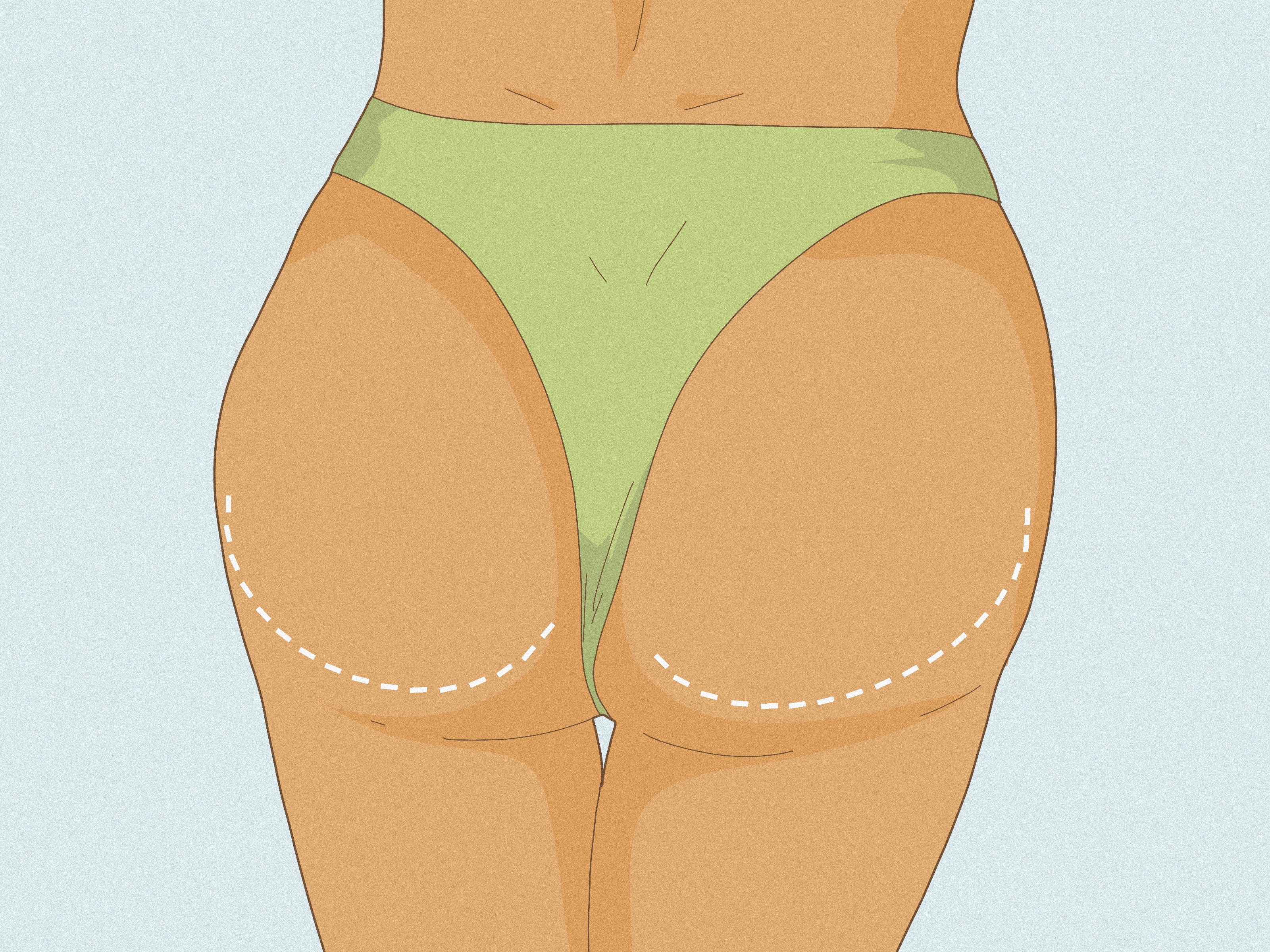
Let’s be honest: the internet has turned “how to make your butt bigger” into a circus of miracle teas, suspicious leggings, and influencers promising a peach emoji by next Tuesday. Cute marketing? Sure. Realistic? About as reliable as a treadmill used as a clothes rack.
The truth is more practicaland better. If you want a bigger, rounder, stronger butt, you need to train the glute muscles with progressive resistance, eat enough nutrients to support muscle growth, recover properly, and stay consistent long enough for your body to get the memo. Your glutes are muscles, not decorative throw pillows. They respond to work, food, sleep, and time.
This guide breaks down the best glute-building exercises, the smartest food choices, common mistakes, beginner-friendly workout examples, and real-world experience tips to help you grow your backside safely and effectively.
Can You Really Make Your Butt Bigger Naturally?
Yes, many people can make their butt bigger naturally by increasing glute muscle size and improving lower-body shape through strength training and nutrition. The glutes are made up mainly of three muscles: the gluteus maximus, gluteus medius, and gluteus minimus. The gluteus maximus is the largest and most visible, which is why it gets most of the spotlight. It helps extend the hips, power squats, drive hip thrusts, and keep you from walking like a folding chair.
However, genetics still matter. Some people store more fat around the hips and butt, while others naturally carry more mass in the thighs, waist, or upper body. You cannot force fat to move to your butt with specific foods or exercises. What you can do is build the muscles underneath, improve posture, strengthen your hips, and create a more lifted appearance.
In other words, you cannot spot-grow body fat, but you can absolutely train your glutes like they owe you rent.
The Science of Bigger Glutes: Training, Food, and Recovery
Muscle growth happens when your training challenges the muscle enough to create adaptation. That challenge can come from heavier weights, more reps, better range of motion, slower tempo, improved form, or additional weekly sets. This is called progressive overload, and it is the backbone of glute growth.
Food matters because muscle is not built out of good intentions. Your body needs protein to repair tissue, carbohydrates to fuel tough workouts, healthy fats to support hormones and overall health, and enough total calories to recover. If you train hard but eat like a confused squirrel, progress will crawl.
Recovery is the final piece. Your glutes do not grow during the squat; they grow after the workout when your body repairs and adapts. That means sleep, rest days, hydration, and not training the same muscles brutally every single day. More is not always better. Better is better.
Best Exercises to Make Your Butt Bigger
The best glute exercises combine hip extension, squatting, hinging, lunging, stepping, and abduction movements. A complete glute program trains the muscles from different angles instead of doing 300 random donkey kicks while wondering why nothing changed.
1. Hip Thrusts
If glute exercises had a popularity contest, the hip thrust would arrive wearing sunglasses. It directly targets the gluteus maximus and allows you to use progressive resistance safely when performed correctly.
To do it, place your upper back against a bench, keep your feet flat, brace your core, and drive your hips upward until your body forms a straight line from shoulders to knees. Squeeze your glutes at the top without over-arching your lower back. Start with body weight, then add a dumbbell, barbell, or resistance band.
Try: 3 to 5 sets of 8 to 12 reps.
2. Glute Bridges
Glute bridges are the hip thrust’s slightly less dramatic cousin. They are great for beginners, warm-ups, home workouts, and learning how to feel your glutes working.
Lie on your back with your knees bent and feet flat. Push through your heels, lift your hips, and squeeze your glutes at the top. Keep your ribs down and avoid turning the move into a lower-back gymnastics routine.
Try: 3 sets of 12 to 20 reps.
3. Squats
Squats are a classic for a reason. They train the glutes, quads, hamstrings, core, and hips. For more glute emphasis, sit your hips back, keep your chest proud, and use a depth you can control with good form.
Goblet squats, back squats, box squats, and sumo squats can all be useful. The best version is the one you can perform consistently, deeply enough, and without your knees and back filing a complaint.
Try: 3 to 4 sets of 6 to 12 reps.
4. Romanian Deadlifts
Romanian deadlifts, often called RDLs, are excellent for the glutes and hamstrings. They train the hip hinge pattern, which is essential for building the backside and improving athletic movement.
Hold dumbbells or a barbell, soften your knees, push your hips back, and lower the weight along your thighs until you feel a stretch in your hamstrings. Stand back up by driving your hips forward and squeezing your glutes.
Try: 3 to 4 sets of 8 to 10 reps.
5. Bulgarian Split Squats
Bulgarian split squats are spicy. They target the glutes, quads, and stabilizing muscles, and they have a special talent for humbling confident people.
Place one foot behind you on a bench, keep your front foot far enough forward, and lower under control. Lean slightly forward to increase glute involvement. Push through the front heel to stand.
Try: 3 sets of 8 to 12 reps per side.
6. Step-Ups
Step-ups are underrated glute builders. Use a box or bench high enough to challenge your hip extension but not so high that you need a mountaineering permit.
Place one foot firmly on the box, push through the heel, and stand tall at the top. Avoid bouncing off the back leg. Your working leg should do the work.
Try: 3 sets of 10 reps per side.
7. Lunges
Reverse lunges, walking lunges, and lateral lunges all help develop the glutes and thighs. Reverse lunges are often friendlier for beginners because they can be easier on the knees and allow better control.
Take a long enough step, lower with control, and push through the front foot to return. Keep your core engaged and your torso stable.
Try: 3 sets of 8 to 12 reps per side.
8. Cable Kickbacks or Band Kickbacks
Kickbacks are not magic, but they are useful as an accessory exercise. They help you focus on glute contraction, especially after heavier compound lifts.
Use a cable machine or resistance band. Keep your core tight, avoid swinging, and extend your leg backward with control. The goal is tension, not launching your foot into another zip code.
Try: 2 to 4 sets of 12 to 20 reps per side.
9. Hip Abductions
Hip abductions target the side glutes, especially the gluteus medius. These muscles help create a rounder shape and improve hip stability.
You can use a seated abduction machine, resistance band lateral walks, side-lying leg raises, or clamshells. Keep the movement controlled and avoid rushing.
Try: 2 to 4 sets of 15 to 25 reps.
A Simple Weekly Glute Workout Plan
You do not need to train glutes every day to grow them. For most people, two to three focused glute sessions per week is enough. The goal is to train hard, recover well, and come back stronger.
Workout A: Heavy Glute Day
- Hip thrusts: 4 sets of 8 to 10 reps
- Romanian deadlifts: 3 sets of 8 to 10 reps
- Bulgarian split squats: 3 sets of 8 reps per side
- Seated hip abductions: 3 sets of 20 reps
- Glute bridges: 2 sets of 20 reps
Workout B: Squat and Shape Day
- Goblet squats or barbell squats: 4 sets of 8 to 12 reps
- Step-ups: 3 sets of 10 reps per side
- Reverse lunges: 3 sets of 10 reps per side
- Cable or band kickbacks: 3 sets of 15 reps per side
- Lateral band walks: 2 sets of 20 steps
Workout C: Home Glute Day
- Bodyweight glute bridges: 4 sets of 20 reps
- Single-leg glute bridges: 3 sets of 10 reps per side
- Bodyweight squats: 4 sets of 15 reps
- Reverse lunges: 3 sets of 12 reps per side
- Fire hydrants: 3 sets of 15 reps per side
- Band lateral walks: 3 sets of 20 steps
How Heavy Should You Lift for Glute Growth?
To build a bigger butt, you need exercises that feel challenging near the end of each set. You do not have to max out like a powerlifter, but the last two or three reps should require focus. If you finish every set feeling like you could also answer emails, fold laundry, and solve a crossword, the resistance is probably too light.
A good rule: use a weight that lets you complete the target reps with good form, while still feeling challenged. When you can perform all sets easily, increase the weight slightly, add reps, slow the tempo, or improve range of motion.
Best Foods to Make Your Butt Bigger
No single food goes straight to your butt. Sadly, peanut butter does not receive GPS coordinates. But the right foods can support muscle growth when paired with glute-focused strength training.
Protein-Rich Foods
Protein helps repair and build muscle tissue. Include a protein source at each meal, especially if you are training regularly.
- Chicken breast or thighs
- Turkey
- Lean beef
- Eggs
- Greek yogurt
- Cottage cheese
- Salmon, tuna, shrimp, and other seafood
- Tofu, tempeh, edamame, lentils, beans, and chickpeas
- Protein powder, if convenient
Carbohydrates for Training Energy
Carbs fuel tough lower-body workouts. If your glute day feels like a sad parade, you may not be eating enough carbohydrates.
- Oats
- Rice
- Potatoes and sweet potatoes
- Whole-grain bread
- Quinoa
- Pasta
- Fruit
- Beans and lentils
Healthy Fats
Healthy fats support overall wellness and make meals more satisfying. They are calorie-dense, which can help if you struggle to eat enough while trying to gain muscle.
- Avocado
- Olive oil
- Nuts and nut butters
- Seeds
- Fatty fish
- Whole eggs
High-Calorie Muscle-Gain Foods
If you are naturally slim or have trouble gaining weight, you may need a small calorie surplus. That means eating slightly more than your body burns. Keep it moderate. You are trying to build glutes, not audition for a food coma.
- Smoothies with Greek yogurt, banana, oats, peanut butter, and milk
- Rice bowls with chicken, avocado, vegetables, and olive oil
- Eggs with whole-grain toast and fruit
- Salmon with potatoes and vegetables
- Tofu stir-fry with rice and sesame oil
- Cottage cheese with berries and granola
Sample Meal Plan for Glute Growth
Here is a simple example of a glute-building day of eating. Adjust portions based on your body size, appetite, activity level, and goals.
Breakfast
Oatmeal with Greek yogurt, banana, chia seeds, and peanut butter.
Lunch
Chicken rice bowl with avocado, black beans, salsa, lettuce, and olive oil dressing.
Pre-Workout Snack
Apple with peanut butter or a slice of toast with eggs.
Post-Workout Meal
Salmon, sweet potato, and roasted vegetables.
Evening Snack
Cottage cheese with berries, or tofu scramble with whole-grain toast.
How Much Protein Do You Need?
Protein needs vary by age, body size, activity level, and goals. Many active adults aiming to build muscle do well with protein spread across the day rather than saving it all for one heroic dinner. A practical strategy is to include protein at breakfast, lunch, dinner, and one snack.
You do not need to eat chicken out of a measuring cup while staring dramatically into the distance. Start with balanced meals, choose high-quality protein sources, and increase portions if your recovery, hunger, or progress suggests you need more.
Foods That Will Not Magically Grow Your Butt
Some foods are marketed as “butt enlargement foods,” but food does not choose where your body stores fat. Eating more calories may increase body weight, but where that weight appears depends largely on genetics and hormones.
Also, be cautious with unregulated pills, creams, and “natural enhancement” products. If a product promises fast butt growth without training, nutrition, or effort, your wallet may grow lighter faster than your glutes grow bigger.
Common Mistakes That Stop Glute Growth
Mistake 1: Doing Only Bodyweight Exercises Forever
Bodyweight exercises are great for beginners, but eventually your muscles adapt. Add resistance with dumbbells, barbells, machines, or bands when the movements become too easy.
Mistake 2: Training Without Progressive Overload
If you use the same weight, reps, and sets for months, your body has little reason to change. Track your workouts and gradually make them more challenging.
Mistake 3: Ignoring Form
Poor form can shift work away from the glutes and into the lower back, quads, or joints. Move with control. Feel the target muscle. Quality reps beat chaotic flailing every time.
Mistake 4: Not Eating Enough
If you want to gain muscle, your body needs enough energy. Under-eating can make workouts weaker and recovery slower. A small calorie surplus can help, especially for people who struggle to gain size.
Mistake 5: Skipping Rest
Training glutes hard seven days per week is not a shortcut. It is a great way to feel permanently sore and mildly betrayed by stairs. Give your muscles time to recover.
How Long Does It Take to Make Your Butt Bigger?
Most people need at least 8 to 12 weeks of consistent training to notice visible changes, with more significant results often taking several months. Beginners may see faster improvements because their bodies are new to resistance training. More experienced lifters may need more strategic programming and patience.
Take progress photos, track strength, measure hip circumference if helpful, and notice how your clothes fit. The scale may not tell the full story because muscle gain and fat changes can happen at the same time.
Should You Do Cardio If You Want a Bigger Butt?
Yes, but be smart about it. Cardio supports heart health, endurance, and overall fitness. The key is not doing so much cardio that you cannot recover from strength training or eat enough to support muscle growth.
Walking, incline walking, cycling, stair climbing, and moderate conditioning can fit well into a glute-building plan. If your priority is bigger glutes, strength training should be the main event, and cardio should be the helpful supporting characternot the scene-stealing diva.
Experience Section: Real-World Lessons for Building a Bigger Butt
One of the biggest lessons from real glute-building journeys is that feeling the glutes work matters more than simply checking exercises off a list. Many beginners do squats and lunges but mostly feel their quads, lower back, or knees. That does not mean the exercises are bad. It usually means form, stance, depth, or mind-muscle connection needs adjustment. A slightly wider stance, a longer stride on lunges, a forward torso lean on split squats, or a stronger heel drive can make a huge difference.
Another common experience is that hip thrusts feel awkward at first. The bench may slide, the barbell pad may roll, and you may wonder whether everyone in the gym is watching. They are not. They are busy checking their own form, texting between sets, or pretending not to be tired. Once you learn the setup, hip thrusts become one of the most reliable ways to load the glutes heavily. Start light, master the movement, and add weight gradually.
Food is where many people accidentally sabotage progress. Some train hard but eat too little because they are afraid of gaining fat. Others eat more but forget protein and end up with extra calories that do not support training as well as they could. A practical approach is to build every meal around protein, add a solid carb source, include colorful produce, and use healthy fats to increase calories when needed. You do not need a perfect diet. You need a repeatable one.
Tracking workouts is another game changer. Without notes, it is easy to think you are progressing when you are really doing the same three sets with the same weight forever. Write down exercises, sets, reps, and weights. When you look back after six weeks and see your hip thrust, squat, or split squat numbers climbing, you know your body is receiving a growth signal.
Recovery also becomes more important than people expect. At first, motivation may push you to train glutes daily. But constant soreness can reduce performance and make exercises sloppy. Many successful lifters grow better with two or three focused glute days per week, separated by rest or upper-body days. The goal is to arrive at your next lower-body session ready to work, not walking like a newborn deer.
Finally, patience is the secret ingredient no supplement company can bottle. Glute growth is slow, but it is visible when you stay consistent. The people who see results are usually not doing the fanciest routine. They are repeating effective exercises, adding challenge over time, eating enough, sleeping reasonably well, and refusing to quit after two weeks because their jeans did not immediately file a change-of-address form.
Conclusion
Making your butt bigger naturally comes down to a simple formula: train your glutes with progressive resistance, eat enough protein and calories to support muscle growth, recover well, and stay consistent. The best exercises include hip thrusts, glute bridges, squats, Romanian deadlifts, Bulgarian split squats, step-ups, lunges, kickbacks, and hip abductions. The best foods include lean proteins, quality carbohydrates, healthy fats, and balanced meals that fuel hard training.
There is no magic food, secret cream, or five-minute shortcut that replaces the basics. But the basics work beautifully when you actually do them. Build strength, track progress, respect recovery, and give your glutes time to grow. The peach emoji lifestyle is earned one controlled rep at a time.
Note: This article is for general fitness and nutrition education. Anyone with injuries, medical conditions, pregnancy-related concerns, or a history of disordered eating should consult a qualified healthcare professional or registered dietitian before making major training or diet changes.














