
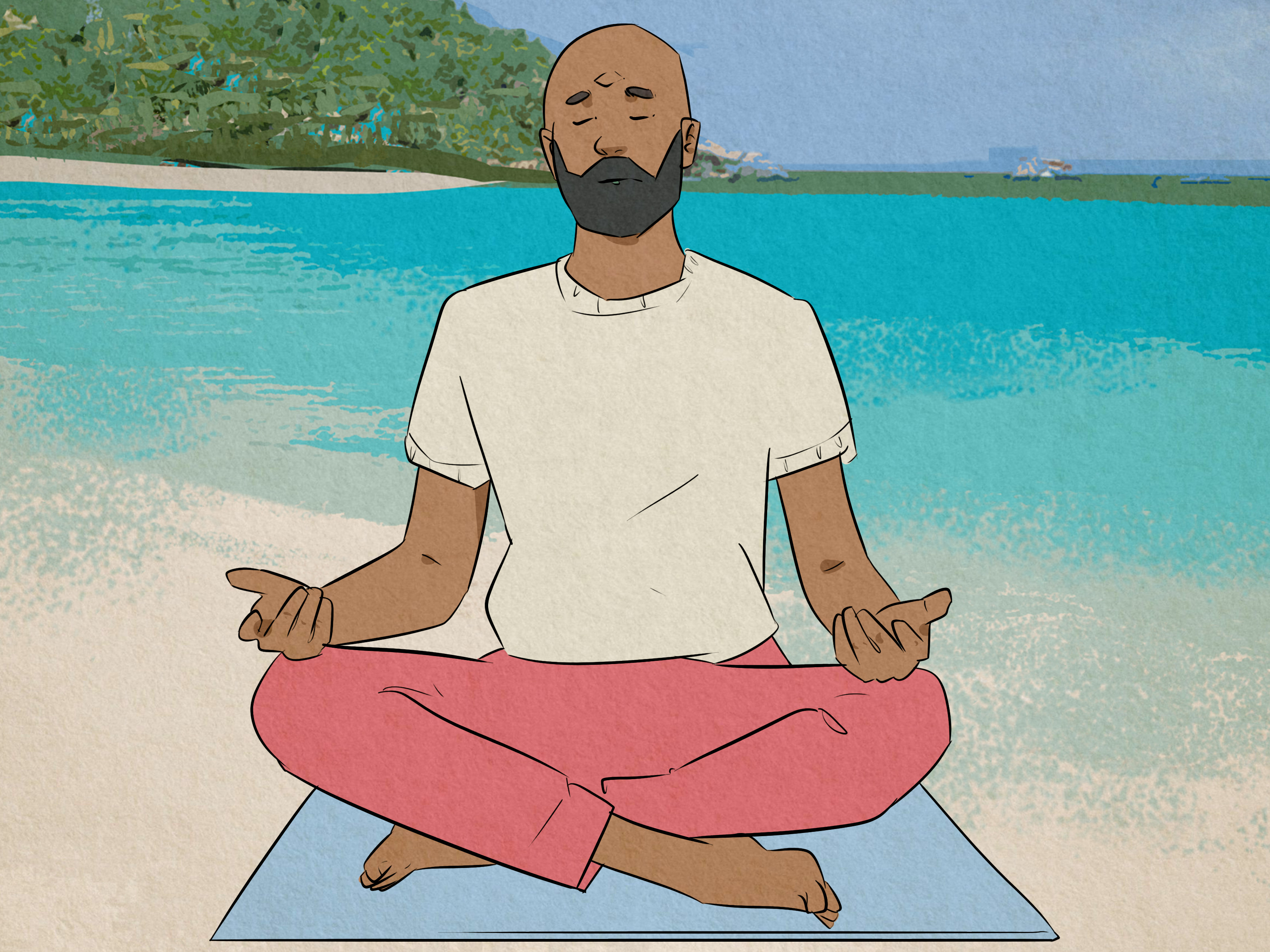
Some people hear “third eye meditation” and imagine lightning bolts, floating crystals, and suddenly knowing which checkout line will move fastest. Lovely dream. Usually wrong. In real life, meditating on the third eye is less about becoming a mystical Wi-Fi router and more about training attention, calming mental noise, and listening to the quiet signals you normally bulldoze with overthinking.
The third eye, often connected with the Ajna chakra in yoga traditions, is commonly associated with intuition, inner vision, clarity, imagination, and self-awareness. Whether you see it spiritually, psychologically, or as a symbolic focus point, the practice can help you pause, observe, and make decisions from a steadier place. That is where “better intuition” begins: not magic, but clearer perception.
This guide explains how to meditate on the third eye safely and practically, how to use the practice to strengthen intuition, and how to avoid turning every random thought into a cosmic press release.
What Is Third Eye Meditation?
Third eye meditation is a focused meditation practice that places gentle attention on the space between the eyebrows, sometimes slightly above the brow center. In yogic language, this area is linked with the sixth chakra, called Ajna, a Sanskrit word often interpreted as “command” or “perception.” It is traditionally connected with insight, discernment, imagination, and the ability to see beyond surface-level reactions.
From a modern mindfulness perspective, the “third eye” can be understood as a mental anchor. Just as some people focus on the breath, a candle flame, a mantra, or bodily sensations, third eye meditation uses the brow center as a point of concentration. This gives the busy mind one job. And let’s be honest, the busy mind desperately needs a job description.
What Does “Better Intuition” Really Mean?
Intuition is often described as a gut feeling, but it is not always random. Psychology often frames intuition as fast, unconscious pattern recognition. Your brain notices cues, compares them with past experiences, and produces a subtle sense of “yes,” “no,” “wait,” or “something feels off.”
Third eye meditation may support intuition by helping you become more aware of those subtle signals. When stress, fear, ego, and mental clutter are loud, intuition is hard to hear. It is like trying to listen to a flute solo during a leaf blower convention. Meditation lowers the volume.
Intuition Is Not the Same as Impulse
A key point: intuition is calm, while impulse is often urgent. Intuition may feel steady, spacious, and quietly clear. Impulse often feels rushed, reactive, dramatic, or desperate. Third eye meditation helps you notice the difference before sending that risky text, quitting your job because Mercury sneezed, or buying another planner to avoid doing the actual work.
Benefits of Meditating on the Third Eye
Third eye meditation combines concentration, visualization, breath awareness, and self-reflection. Practiced consistently, it may offer several practical benefits.
1. Improved Mental Clarity
By focusing attention on one point, you give the mind a break from constant multitasking. This can make it easier to notice what matters and what is just mental background noise.
2. Stronger Self-Awareness
Many people think they are self-aware until they sit still for five minutes and discover an entire committee arguing inside their head. Third eye meditation helps you observe thoughts, emotions, and body cues without immediately reacting to them.
3. Better Emotional Regulation
When you breathe slowly and focus gently, the nervous system often settles. A calmer body can support clearer thinking and less reactive decision-making.
4. More Creative Insight
The third eye is often associated with imagination and symbolic vision. During meditation, creative ideas may surface because the mind is no longer being chased by notifications, deadlines, and the mysterious urge to reorganize a drawer at midnight.
5. Deeper Trust in Inner Guidance
Consistent practice can help you recognize your own inner signals. You may begin to notice when a decision feels aligned, when something feels forced, or when fear is pretending to be wisdom while wearing a tiny fake mustache.
How to Prepare for Third Eye Meditation
You do not need a mountain cave, incense smoke shaped like a dragon, or a robe with suspiciously large sleeves. A simple, quiet setup works beautifully.
Choose a Calm Space
Pick a place where you are unlikely to be interrupted. Dim lighting can help, but avoid making the room so cozy that you accidentally meditate directly into a nap.
Sit Comfortably
Sit on a cushion, yoga mat, or chair. Keep your spine tall but not stiff. Imagine your head floating gently above your shoulders. Relax your jaw, soften your belly, and let your hands rest on your thighs or in your lap.
Set a Time Limit
Beginners can start with 5 to 10 minutes. More experienced meditators may practice for 15 to 30 minutes. Longer is not automatically better. Five focused minutes beats 30 minutes of silently planning dinner.
Use a Gentle Intention
Before beginning, set a simple intention such as, “I am open to clarity,” “I listen with patience,” or “I welcome insight without forcing it.” Keep it grounded. You are not commanding the universe to deliver stock tips.
Step-by-Step Guide: How to Meditate on the Third Eye
Step 1: Settle Into Your Breath
Close your eyes or lower your gaze. Take a slow inhale through the nose and a longer exhale through the mouth. Repeat this a few times. Then allow your breathing to become natural. Notice the air moving in and out. Let each exhale soften the shoulders, face, and chest.
Step 2: Bring Attention to the Brow Center
Gently direct your awareness to the space between your eyebrows. Do not strain your eyes or cross them dramatically like you are trying to read your own forehead. Keep the attention soft, as if you are resting your mind there.
Step 3: Visualize a Small Point of Light
Imagine a small indigo, violet, or white light glowing at the brow center. The color is less important than the feeling of calm focus. With each inhale, imagine the light becoming clear. With each exhale, imagine mental fog dissolving.
Step 4: Use a Mantra or Affirmation
You may silently repeat a phrase such as:
- “I see clearly.”
- “I trust calm inner wisdom.”
- “I observe without judgment.”
- “My intuition grows through clarity.”
Some practitioners use the seed sound “Om,” traditionally associated with spiritual awareness. If chanting feels natural, use it. If it feels awkward, skip it. Meditation should not feel like you are auditioning for a sacred musical.
Step 5: Notice Thoughts Without Chasing Them
Your mind will wander. This is not failure; this is the mind doing mind things. When thoughts appear, label them gently: “thinking,” “planning,” “remembering,” or “worrying.” Then return to the brow center and breath.
Step 6: Ask One Clear Question
After several minutes, you may ask a simple inner question. For example: “What do I need to understand?” “What choice feels aligned?” or “What am I not seeing clearly?” Then stop asking and listen. Do not interrogate your soul like a detective under fluorescent lighting.
Step 7: Close Slowly
Release the visualization. Feel your breath, body, and surroundings. Rub your palms together, place them over your eyes if comfortable, and open your eyes slowly. Take a moment before grabbing your phone. Your notifications can survive another minute. Probably.
How Often Should You Practice?
For best results, practice third eye meditation 3 to 5 times per week. Daily practice is wonderful, but consistency matters more than intensity. A realistic routine might look like this:
- Beginner: 5 minutes in the morning or before bed.
- Intermediate: 10 to 15 minutes with journaling afterward.
- Advanced: 20 to 30 minutes, combining breathwork, visualization, and reflective inquiry.
Try practicing at the same time each day. This trains the mind to recognize meditation as a normal rhythm rather than a dramatic rescue mission.
Journaling After Third Eye Meditation
Journaling is one of the best ways to turn meditation into practical insight. After your session, write down anything you noticed. Keep it simple and specific.
Useful Journal Prompts
- What emotion was strongest before meditation?
- What changed after the practice?
- Did any image, phrase, memory, or body sensation appear?
- Was the message calm and clear, or urgent and emotional?
- What small action would honor this insight?
Over time, patterns may appear. You might notice that your body tightens around certain decisions, or that your clearest ideas come when you stop demanding them. This is where intuition becomes practical. It moves from vague feeling to observed pattern.
Common Sensations During Third Eye Meditation
Some people feel tingling, warmth, pressure, pulsing, or subtle movement around the forehead. Others feel absolutely nothing except the heroic effort of not checking the time. Both are normal.
Sensations are not proof that you are “doing it right,” and the lack of sensations is not proof that you are doing it wrong. The goal is not fireworks. The goal is awareness, patience, and clarity.
Signs Your Intuition May Be Improving
Third eye meditation does not turn you into a fortune teller. However, you may notice practical changes, such as:
- You pause before reacting.
- You recognize emotional patterns faster.
- You make decisions with less panic and more clarity.
- You notice when a “yes” feels forced.
- You become more honest about what you already know.
- You can separate fear from wisdom more easily.
Better intuition often feels ordinary. It may sound like, “I need more information,” “This relationship needs a boundary,” “I should rest,” or “I actually do not want that opportunity.” Not glamorous, perhaps, but very useful.
Third Eye Meditation Mistakes to Avoid
Forcing Visions
If you try too hard to see colors, symbols, or messages, you may create mental static. Let images arise naturally. If nothing appears, stay with the breath.
Confusing Anxiety With Intuition
Anxiety often comes with urgency, looping thoughts, and physical tension. Intuition tends to feel quieter and more grounded. When in doubt, wait, breathe, gather facts, and avoid making major decisions from a nervous system that is basically yelling in all caps.
Ignoring Practical Reality
Intuition is helpful, but it should not replace research, medical advice, financial planning, or common sense. If your “third eye” tells you to ignore your taxes, please introduce it to the IRS website.
Meditating Too Long Too Soon
More meditation is not always better. If you feel overwhelmed, spaced out, anxious, or emotionally flooded, shorten your sessions or practice grounding techniques such as walking, stretching, or focusing on the feet.
Safety Tips for Third Eye Meditation
Meditation is generally considered safe for many people, but it is not always comfortable. Some people may experience anxiety, sadness, agitation, or difficult memories during stillness. If this happens, open your eyes, stop the practice, and ground yourself by naming objects in the room or feeling your feet on the floor.
If you have a history of trauma, panic attacks, psychosis, severe depression, or dissociation, consider practicing with a qualified meditation teacher or mental health professional. Third eye meditation should support your well-being, not make you feel like your brain opened 47 browser tabs and all of them are playing audio.
A Simple 10-Minute Third Eye Meditation Script
Use this short script when you want a guided practice:
“Sit comfortably and close your eyes. Take a slow breath in, and exhale gently. Let your shoulders soften. Let your jaw relax. Bring your attention to the space between your eyebrows. Imagine a small, steady light glowing there. With each inhale, the light becomes clearer. With each exhale, tension melts away. Silently repeat: ‘I see clearly. I listen deeply. I trust calm wisdom.’ If thoughts arise, notice them and return to the light. Now ask: ‘What do I need to see with more clarity?’ Pause and listen. Do not force an answer. Rest in quiet awareness. When you are ready, release the image, feel your body, and open your eyes.”
How to Use Third Eye Meditation in Daily Life
The real test of meditation is not how peaceful you feel while sitting. It is whether you can bring that clarity into emails, conversations, deadlines, and the sacred battlefield known as group decision-making.
Before Making a Decision
Sit for three minutes, breathe, focus on the brow center, and ask, “What feels clear?” Then write down the answer. Compare it with facts, timing, and responsibilities.
Before a Difficult Conversation
Use third eye meditation to notice your assumptions. Ask, “What story am I telling myself?” This can prevent you from walking into a conversation armed with imaginary evidence.
When Creativity Feels Blocked
Focus on the brow center and visualize light expanding. Ask, “What is the next simple idea?” Not the perfect idea. Not the genius idea. Just the next one. Creativity loves a low-pressure invitation.
500-Word Practice Experience: What Third Eye Meditation Can Feel Like
The first few sessions of third eye meditation often feel surprisingly ordinary. A person may sit down expecting a grand spiritual download and instead discover that their mind wants to replay yesterday’s conversation, plan tomorrow’s lunch, and wonder whether the laundry has emotionally recovered from being ignored. This is normal. The beginning of the practice is not about instant revelation; it is about noticing how much noise usually stands between you and your own inner clarity.
After a few minutes of breathing, the brow center may become easier to locate. Some practitioners describe a soft pressure between the eyebrows, almost like the feeling of concentrating on a distant object. Others notice warmth, tingling, or a quiet sense of inward focus. Some notice nothing physical at all, but they begin to feel mentally less scattered. The important part is not chasing a sensation. The important part is returning, again and again, to the chosen point of awareness.
One common experience is the sudden appearance of simple truths. Not dramatic prophecies. Not glowing letters across the ceiling. More often, the insight is plain: “I am tired,” “I have been avoiding that conversation,” “I already know this project is not aligned,” or “I need to stop confusing pressure with purpose.” These insights can feel almost too simple, which is exactly why people miss them during a busy day. The mind loves complexity because complexity lets it postpone action.
Another experience is emotional sorting. During third eye meditation, a decision that felt tangled may begin to separate into parts. Fear may show itself as fear. Desire may show itself as desire. Obligation may show itself as obligation. Once these parts become visible, intuition has more room to speak. Instead of asking, “What should I do with my entire life?” the practitioner may realize the better question is, “What is the next honest step?” That question is much kinder to the nervous system.
Some people also notice that their intuition becomes stronger outside meditation. They may catch small body signals sooner: a tight stomach during a forced yes, relaxed breathing around a genuine opportunity, or a heavy feeling when a boundary is needed. These signals are not commands, but they are data. Third eye meditation teaches you to collect that data without panic.
The most valuable experience is often the growth of self-trust. With consistent practice, you may stop demanding certainty before every move. You may still research, ask questions, and use logic, but you also begin respecting the quiet intelligence that comes from lived experience. Third eye meditation does not remove uncertainty. It helps you meet uncertainty with a clearer mind, a softer body, and a little less drama. Honestly, that alone deserves a standing ovation.
Conclusion
Learning how to meditate on the third eye for better intuition is really learning how to become quiet enough to hear yourself. The third eye offers a powerful symbol for clarity, insight, imagination, and inner guidance. When combined with breath awareness, gentle focus, visualization, and journaling, this practice can help you separate intuition from impulse and wisdom from worry.
Start small. Sit comfortably. Focus softly on the brow center. Breathe. Listen. Write down what you notice. Then bring that clarity into real life, where intuition becomes most useful. The goal is not to become mysterious. The goal is to become honest, grounded, and awake to what you already sense beneath the noise.














